
Greece Issues High Wildfire Risk Alert as Extreme Fire Danger Conditions Spread Across Multiple Regions Amid Hot, Dry and Windy Summer Weather Patterns: All You Need to Know

Published
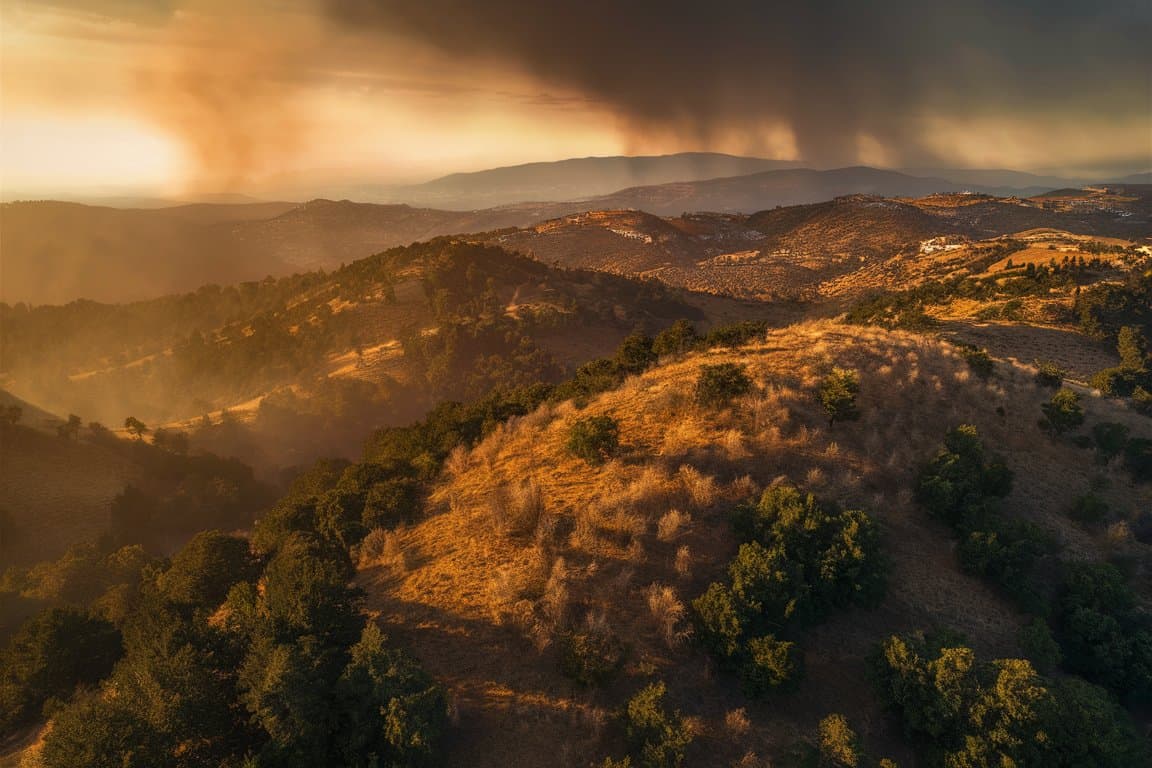
Greece has entered a heightened wildfire risk phase as authorities monitor rapidly intensifying weather conditions marked by high temperatures, dry air, and strong winds across several regions. The elevated alert level reflects growing concerns over fire ignition potential during peak summer conditions, particularly in forested and rural areas.
The combination of prolonged sunshine, low humidity, and wind activity has created an environment where fire spread can occur rapidly once ignition takes place. As a result, emergency preparedness measures have been reinforced across vulnerable zones, with increased monitoring and readiness protocols in place.
This seasonal risk pattern is typical during Mediterranean summers, when climate conditions regularly elevate wildfire susceptibility across southern Europe.
Multiple Regions Across Greece Face Elevated Fire Danger Classification
A significant portion of Greece is currently classified under high wildfire risk categories, with several regions identified as particularly vulnerable due to vegetation density and weather conditions. These areas include parts of mainland Greece as well as island regions where dry landscapes and strong winds can accelerate fire spread.
Advertisement
Advertisement
The risk classification system is used to guide preparedness actions and ensure coordinated response efforts across emergency services. It allows authorities to allocate resources efficiently and prioritise surveillance in high-risk zones.
During such periods, even small ignition sources can escalate quickly, making prevention and early detection critical components of fire management strategy.
Advertisement
Advertisement
Hot, Dry and Windy Weather Conditions Increase Fire Spread Potential
The current wildfire risk situation is largely driven by a combination of meteorological factors. Elevated temperatures have contributed to drier vegetation conditions, while persistent wind activity increases the likelihood of rapid fire spread once ignition occurs.
Low humidity levels further intensify the situation by reducing moisture content in vegetation, making forests and grasslands more flammable. These conditions are particularly common during late June, when seasonal heat begins to peak across the Mediterranean region.
Advertisement
Advertisement
The interaction of these factors creates a high-risk environment where containment efforts can become significantly more challenging once fires begin.
Key Fire Risk Factors Across Greece
| Factor | Description | Fire Risk Impact |
|---|---|---|
| High temperatures | Prolonged summer heat | Dry vegetation increases ignition risk |
| Strong winds | Regional wind activity | Accelerates fire spread |
| Low humidity | Reduced moisture levels | Increases flammability |
| Dry vegetation | Seasonal dryness | Provides fuel for fires |
| Rural terrain | Forest and grassland areas | Difficult containment conditions |
Emergency Services Heighten Preparedness and Monitoring Operations
Fire response authorities across Greece have strengthened preparedness measures in response to the elevated risk conditions. This includes increased surveillance in forested regions, readiness of firefighting units, and coordination between regional emergency response centres.
A key focus during high-risk periods is early detection, which allows rapid response teams to intervene before fires escalate. Aerial and ground monitoring systems are often deployed in vulnerable areas to track potential ignition points and environmental changes.
Public safety communication channels are also activated to ensure timely dissemination of risk information to residents and visitors.
Advertisement
Advertisement
Human Activity Remains a Key Factor in Fire Prevention Efforts
While weather conditions significantly influence wildfire risk, human activity remains a major factor in fire ignition incidents. Activities such as agricultural burning, outdoor cooking, discarded cigarettes, and mechanical sparks can trigger fires under dry conditions.
During high-risk periods, restrictions on certain outdoor activities are often implemented to reduce ignition probability. Public awareness campaigns also play an important role in encouraging responsible behaviour in rural and forested environments.
Preventive measures are considered essential in reducing fire incidents during peak summer months when environmental conditions are most volatile.
Impact on Tourism and Rural Areas During Fire Risk Periods
High wildfire risk alerts can also influence tourism activity, particularly in rural and island destinations where natural landscapes are a major attraction. While tourism continues, increased caution is often advised for outdoor excursions, hiking, and rural travel.
Local communities in affected regions may experience temporary restrictions or heightened monitoring, particularly in forest-adjacent areas. These measures are designed to protect both residents and visitors while maintaining safety across tourism zones.
Despite these precautions, Greece continues to operate as a major summer destination, with safety protocols integrated into regional tourism management systems.
Advertisement
Advertisement
Climate Conditions Contribute to Increasing Seasonal Fire Frequency
Long-term climate trends have contributed to more frequent and intense wildfire seasons across parts of the Mediterranean, including Greece. Extended periods of heat, reduced rainfall, and changing wind patterns have all contributed to longer fire risk windows during summer months.
These evolving conditions require adaptive fire management strategies, including improved forecasting, resource allocation, and cross-regional coordination. Authorities continue to invest in prevention systems designed to respond to changing environmental conditions.
The increasing unpredictability of weather patterns makes preparedness a central component of national emergency planning.
Public Safety Guidance and Preventive Measures Reinforced
During periods of high fire risk, public safety guidance is reinforced across affected regions. Common recommendations include avoiding open flames in rural areas, refraining from activities that may generate sparks, and adhering to local restrictions.
Residents and visitors are also encouraged to report smoke or fire signs immediately to emergency services to enable rapid response. Awareness and community participation are key elements in reducing fire-related incidents during high-risk conditions.
These preventive steps play a crucial role in supporting national firefighting efforts during peak summer periods.
Advertisement
Advertisement
Outlook for Fire Risk Conditions in Greece
Fire risk levels are expected to remain elevated in the short term due to persistent summer weather patterns. Continued monitoring of temperature, wind, and humidity conditions will determine how risk classifications evolve in the coming days.
While preparedness measures are in place, environmental conditions remain the primary driver of wildfire susceptibility. Ongoing vigilance and coordinated response strategies remain essential to managing risk effectively across affected regions.
Advertisement
