
South Africa Aligns With France And UK As Rail Rivals Challenge Eurostar, Expanding Travel Choice

Published
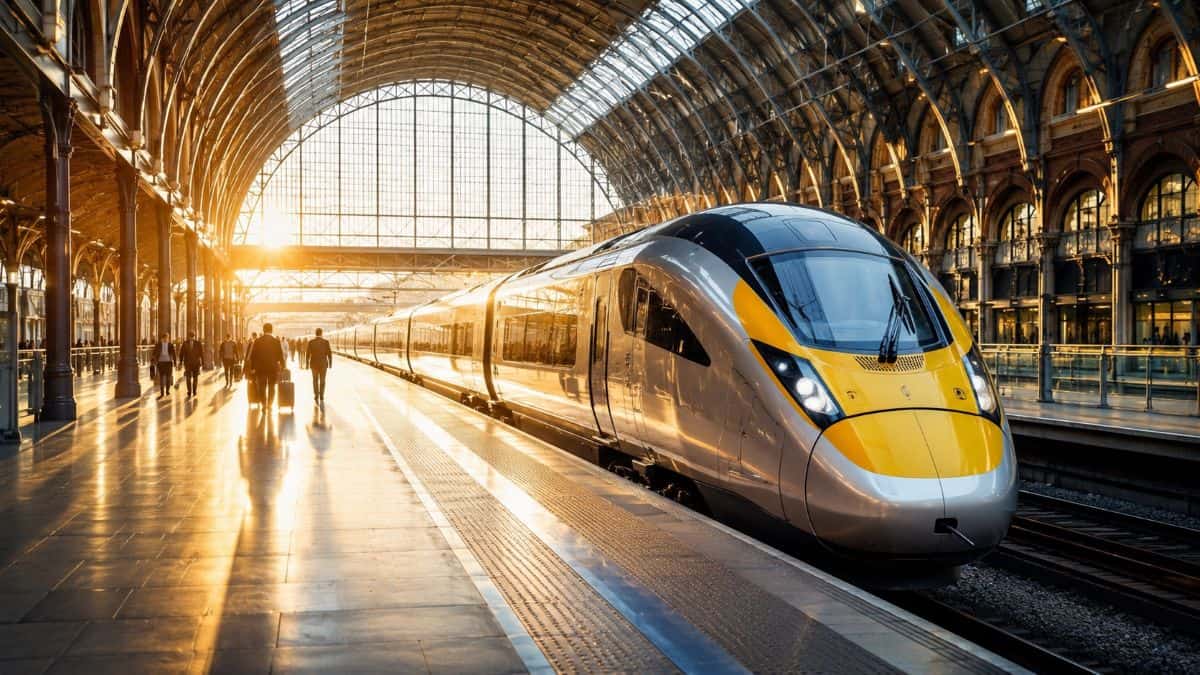
Image generated with Ai
South African travellers heading to Europe could soon have more ways to cross the English Channel as competition builds around Eurostar. Virgin Trains, Trenitalia France and Gemini Trains are among the operators preparing proposed international services linking London with major continental destinations. The development could eventually create greater choice for travellers connecting through London, particularly those arriving from South Africa and continuing towards France, Belgium, the Netherlands and Germany.
The potential shake-up is significant because Eurostar has operated as the only passenger rail operator through the Channel Tunnel since its services began in 1994. That long-standing position is now being challenged by new entrants seeking access to the infrastructure required for international high-speed operations. Virgin Trains has received an important regulatory approval allowing up to 20 daily return services between London and Paris, Brussels or Amsterdam from October 2030. For South African holidaymakers and business travellers, the emergence of competitors could make rail travel across Europe more attractive through improved choice, competitive pricing and broader connections.
Competition Could Transform Cross-Channel Travel
The Channel Tunnel is entering a new phase after more than three decades of Eurostar dominance. The UK’s Office of Rail and Road has pre-approved a framework track access agreement between HS1 Limited and Virgin Trains, allowing the proposed operator to run up to 20 daily return services from London to Paris, Brussels or Amsterdam between 2030 and 2040.
The approval does not mean passengers can book Virgin services yet. The operator still needs suitable rolling stock, access to other railway networks and safety approvals from British and European authorities. Nevertheless, the regulatory decision represents a major milestone for competition on one of Europe’s most important international rail corridors.
Advertisement
Advertisement
For travellers, competition could influence more than ticket prices. Operators are likely to compete through schedules, onboard services, departure locations, loyalty programmes, connections and customer experience. That could gradually change how international visitors plan journeys between London and continental Europe.
Advertisement
Advertisement
Why South African Travellers Could Benefit
South Africans travelling to Europe commonly build multi-country itineraries around major cities such as London, Paris, Amsterdam and Brussels. A more competitive cross-Channel rail market could make the rail portion of such journeys easier to compare with flights.
The appeal is particularly relevant for travellers who prefer city-centre connections. High-speed trains generally connect central railway stations, reducing the need for airport transfers and allowing passengers to avoid some of the additional time associated with flying between European capitals.
South African rail specialists have indicated that the market already has strong potential among local travellers. However, pricing, awareness and the continuing preference for air travel can influence decisions. Greater competition could therefore help introduce international rail to more South African holidaymakers who currently view flying as the default option.
| Operator | Proposed Market | Expected Timing | Potential Traveller Benefit |
|---|---|---|---|
| Virgin Trains | London–Paris, Brussels and Amsterdam | From 2030 | More frequency and competitive choice |
| Trenitalia France | London–Paris | From 2029 | Alternative high-speed service |
| Gemini Trains | London–Europe routes including Cologne | Around 2030 | Wider destination choice |
| Eurostar | Existing London–continental Europe network | Expanding through the early 2030s | Greater capacity and new destinations |
Trenitalia And Gemini Add Momentum
Virgin is not the only company seeking to enter the market. Trenitalia France has ordered 19 high-speed trains and is preparing a London–Paris operation targeted for 2029. The investment demonstrates that prospective competition is moving beyond preliminary discussions towards substantial infrastructure and fleet commitments.
Gemini Trains is another potential entrant. Its plans include international services connecting London with continental destinations, with Cologne among the proposed markets. The company has also explored using Stratford International as a London hub, which could provide an alternative to relying entirely on St Pancras International.
Advertisement
Advertisement
Evolyn has also expressed ambitions to operate London–Paris services. Collectively, these proposals indicate that competition is no longer a theoretical possibility but a developing feature of Europe’s international rail market. The UK Parliament’s latest briefing identifies Virgin Trains, Trenitalia France, Gemini Trains and Evolyn as potential competitors to Eurostar.
Eurostar Is Preparing For A More Competitive Market
Eurostar is not standing still. The operator has been planning significant investment in new trains and network expansion as it prepares for additional competition.
Eurostar has announced plans involving a new fleet that could increase capacity and support future services towards destinations including Germany and Switzerland. Its expansion strategy reflects the growing demand for international rail travel while also responding to the possibility of new operators entering the Channel Tunnel market.
This could create a positive cycle for travellers. New competitors may increase pressure on prices and service standards, while Eurostar’s response could increase capacity, modernise trains and introduce additional destinations. Rather than simply taking passengers from one operator to another, competition could expand the overall market.
Fares Could Become A Major Travel Factor
Price is likely to be one of the most closely watched issues for South African travellers. Cross-Channel rail fares can vary considerably depending on demand, booking time, travel dates and availability. Competition could encourage operators to introduce different fare structures designed to attract passengers.
Advertisement
Advertisement
However, lower prices should not be assumed automatically. International rail services require expensive trains, specialised maintenance facilities, border-control arrangements and access to several railway systems. Operators must also meet strict safety and regulatory requirements.
The UK’s rail regulator has highlighted several remaining challenges, including rolling stock procurement, European network access and safety approvals. Capacity at the Temple Mills maintenance depot near London is another important consideration because international trains require specialised facilities.
London Remains A Critical Gateway For South Africans
London’s importance to South African tourism means developments on the Channel Tunnel could have wider implications for long-haul itineraries. Travellers arriving in Britain can potentially use London as the first stage of a wider European journey before continuing by rail.
A stronger international rail network could encourage travellers to combine destinations rather than treating the UK and continental Europe as separate holidays. A South African visitor could, for example, build an itinerary around London, Paris, Brussels and Amsterdam while using high-speed rail between cities.
This also supports the broader European push towards simpler multi-operator rail journeys. The European Commission has proposed measures designed to make cross-border train bookings easier, including the possibility of purchasing journeys involving multiple operators through a single transaction. Such developments could make complicated European rail itineraries more accessible to international visitors.
Advertisement
Advertisement
Infrastructure Will Determine How Quickly Choice Expands
Despite the enthusiasm surrounding new operators, infrastructure remains a major limitation. St Pancras International and other stations need sufficient space for passenger processing, security and border controls. Maintenance facilities must also accommodate additional trains.
Eurostar has raised concerns about capacity at St Pancras as it seeks to expand its own network. The operator is also investing heavily in additional trains, meaning infrastructure planning will become increasingly important as more companies seek access to the same international corridor.
For South African travellers, this means the benefits of competition will develop gradually rather than immediately. The most significant changes are expected towards the end of the decade as proposed services move from regulatory approval and investment into actual operations.
Rail Could Strengthen Multi-Country European Holidays
The potential arrival of new cross-Channel operators comes at an important time for European tourism. Travellers increasingly seek efficient ways to combine several destinations within a single holiday, and high-speed rail can provide a practical alternative to short-haul flights.
For South African visitors, this could make European itineraries more flexible. Instead of booking separate flights between London and continental capitals, travellers may have more opportunities to compare rail schedules and fares before selecting the option that best matches their itinerary.
Advertisement
Advertisement
The biggest potential advantage is therefore choice. Competition could give travellers more departure times, different fare levels, alternative stations and potentially new destinations.
What This Means For South African Travellers
The cross-Channel rail market is unlikely to change overnight, but the direction is becoming clearer. Virgin Trains has secured an important regulatory milestone, while Trenitalia France, Gemini Trains and Evolyn continue to develop competing plans.
If these services launch as proposed, South African travellers could enter a European market where rail operators compete more directly for international passengers. That competition may encourage better value, stronger service offerings and more convenient connections.
For travel planners, the development is worth watching closely. The next few years will determine which proposed operators secure the necessary trains, infrastructure access and regulatory approvals. By the start of the 2030s, the journey between Britain and continental Europe could look substantially different from the single-operator market travellers have known for decades.
Frequently Asked Questions
1. Why could South African travellers benefit from Eurostar competition?
Advertisement
Advertisement
Greater competition could provide more train operators, schedules, fare options and connections for travellers using London as a gateway to continental Europe.
2. Which companies are challenging Eurostar?
Virgin Trains, Trenitalia France, Gemini Trains and Evolyn have announced proposals or plans to operate international services through the Channel Tunnel.
3. When could Virgin Trains begin cross-Channel services?
Virgin Trains has regulatory approval for services from 1 October 2030, although further approvals and preparations are still required.
Advertisement
Advertisement
4. Which destinations does Virgin Trains plan to serve?
The approved framework covers proposed services between London and Paris, Brussels or Amsterdam.
5. When could Trenitalia France launch London services?
Trenitalia France is targeting London–Paris services from 2029 and has ordered 19 high-speed trains for its planned operation.
6. Could competition reduce Eurostar fares?
Advertisement
Advertisement
It could create downward pressure on some fares, although actual prices will depend on demand, operating costs, schedules and each company’s pricing strategy.
7. Will Eurostar continue expanding?
Yes. Eurostar is investing in additional trains and capacity while developing ambitions for more European destinations.
8. Why is the Channel Tunnel important for European travel?
It provides a direct rail connection between Britain and continental Europe, making high-speed journeys between London and major European cities possible.
Advertisement
Advertisement
9. Could South Africans use these trains for multi-country holidays?
Yes. Travellers arriving in London could potentially combine rail journeys to Paris, Brussels, Amsterdam and other European destinations within a wider holiday itinerary.
10. Is the new competition available to travellers now?
No. Most proposed competing services are still in development, with launches expected towards the end of the decade subject to trains, infrastructure, network access and regulatory approvals.
Advertisement
