
Europe Rail Travel Revolution Connects Lapland To Algarve With Sustainable Scenic Train Journeys

Published
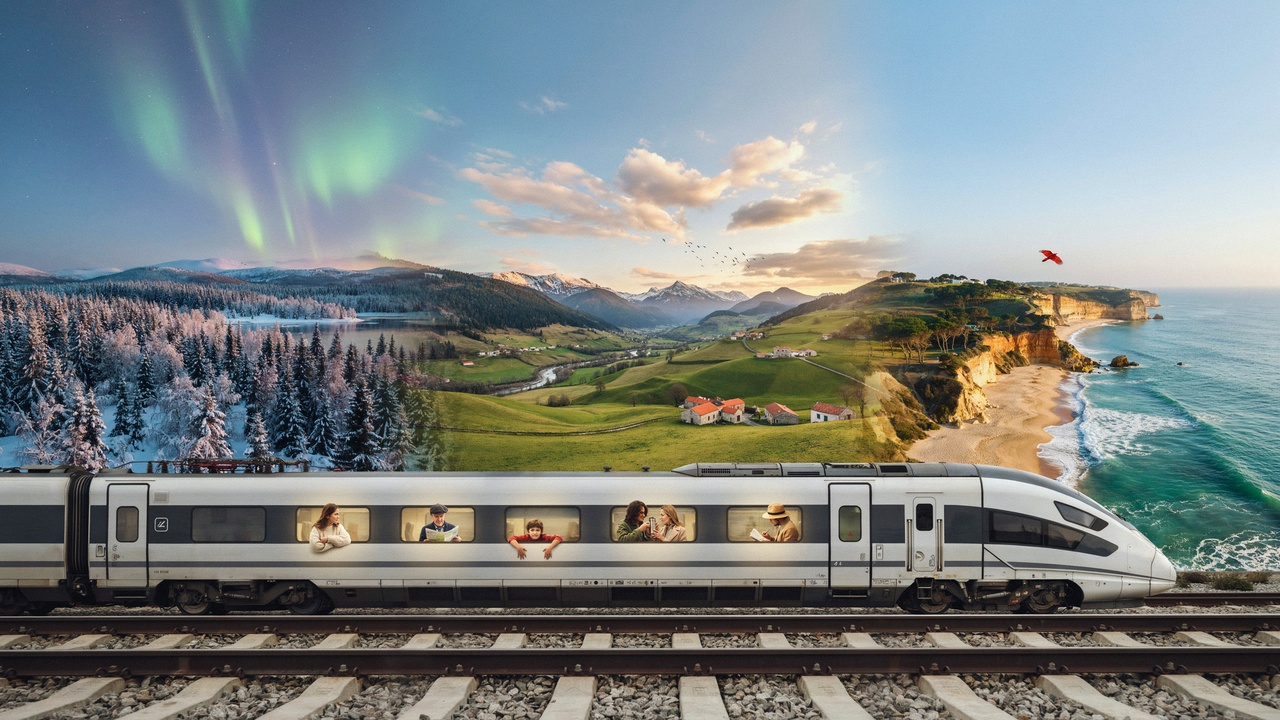
Europe Rail Travel is entering an era as travellers increasingly look towards sustainable, scenic and cross‑border journeys connecting Europe’s northern landscapes with southern coastal destinations. The concept of travelling from Lapland in the Arctic region to the Algarve in Portugal represents the growing demand for tourism experiences built around rail connectivity, cultural discovery and lower‑carbon mobility. Supported by transport initiatives and railway modernisation programmes long‑distance train travel is becoming easier and more attractive. From forests in the north to Atlantic beaches in the south Europe’s rail network is creating new opportunities, for memorable journeys.
Europe Rail Travel Creates A New Sustainable Tourism Route From Arctic Landscapes To Atlantic Shores
A journey stretching from Finland’s Lapland to Portugal’s Algarve highlights how Europe’s railway network is transforming the way visitors explore the continent. Instead of focusing only on speed and short connections, modern travellers are increasingly interested in meaningful journeys that combine nature, culture, local communities and environmentally responsible transport.
Advertisement
Advertisement
The idea of connecting Europe’s far north with its southern coastline by train reflects a wider shift towards sustainable tourism, where rail is becoming an important alternative for travellers seeking lower-emission mobility options.
European institutions have placed rail connectivity at the centre of future transport planning. The European Commission has identified improved cross-border rail services, better passenger experiences and stronger connections between regions as key priorities for creating a more sustainable European transport system.
Advertisement
Advertisement
A complete Lapland-to-Algarve journey requires multiple railway connections because Europe’s network is operated by different national and regional systems. However, ongoing improvements in infrastructure, ticketing systems and international cooperation are designed to make such journeys simpler.
Advertisement
Advertisement
The route represents more than a train journey. It connects different climates, cultures and tourism economies across Europe.
From the Arctic Circle and Nordic wilderness to Mediterranean landscapes and Portugal’s Atlantic coast, the journey demonstrates the growing importance of rail-based tourism experiences.
Europe’s Rail Network Supports A New Era Of Cross Border Travel
Governments Push Rail As A Cleaner Alternative For Long Distance Tourism
Rail transport has become a central part of Europe’s climate and mobility strategy. The European Union has introduced several measures aimed at strengthening rail infrastructure, improving interoperability between countries and encouraging more passengers to choose trains for international travel.
Advertisement
Advertisement
The European Commission’s Action Plan to boost long-distance and cross-border passenger rail services focuses on removing barriers that make international train travel difficult. The initiative aims to improve connections, increase service quality and support the expansion of sustainable mobility across Europe.
The European Commission has also highlighted ambitions to increase high-speed rail usage and improve connections between major European cities. These developments are designed to make rail more competitive with other transport modes while supporting climate objectives.
Advertisement
Advertisement
For tourism, stronger rail links create new possibilities. Travellers can combine several destinations within one holiday rather than relying on individual flights between major cities.
A northern European visitor can experience:
- Arctic landscapes in Finland
- Scandinavian forests and coastal regions
- Central European historic cities
- Mediterranean destinations
- Portugal’s Atlantic coastline
This type of journey supports slow travel, where the journey itself becomes part of the holiday experience.
Lapland Tourism Benefits From Growing Interest In Scenic Rail Journeys
Northern Europe Offers Arctic Experiences Through Sustainable Mobility
Lapland has become one of Europe’s most distinctive winter tourism regions, attracting visitors with snow-covered forests, northern lights experiences, wildlife encounters and Arctic landscapes.
Located mainly in northern Finland, Finnish Lapland is promoted internationally as a destination combining nature, culture and outdoor experiences.
Advertisement
Advertisement
Rail access plays an important role in connecting northern destinations with the wider European travel network. Finnish railway services connect travellers from southern Finland towards northern regions, supporting access to Arctic destinations.
For international visitors, Helsinki acts as a major gateway before continuing towards northern Finland by rail.
The growth of interest in sustainable tourism has increased attention on destinations that can be reached without relying entirely on short-haul flights.
Rail journeys through Finland offer travellers an opportunity to experience changing landscapes, moving from urban centres into forests, lakes and Arctic environments.
The journey itself becomes part of the destination experience.
Advertisement
Advertisement
Travellers moving through northern Europe can discover:
- Finnish nature destinations
- Nordic cultural experiences
- Seasonal tourism activities
- Local communities
- Protected landscapes
This approach supports destination development beyond traditional city tourism.
European Rail Improvements Make Multi Country Journeys More Accessible
Better Ticketing And Passenger Rights Support International Travel
One of the biggest challenges for cross-border rail travel in Europe has historically been the complexity of booking journeys involving several operators.
A traveller moving from northern Europe to Portugal may need to combine multiple rail companies, ticket systems and national transport rules.
The European Commission has proposed measures designed to simplify this process by enabling easier comparison and booking of multi-operator journeys. The proposals focus on creating smoother passenger experiences, improving access to information and strengthening passenger protection.
Advertisement
Advertisement
These improvements are particularly important for tourism because international visitors often require simple booking systems and clear travel information.
Future rail passengers could benefit from:
- Easier multi-country booking
- Better connection information
- Stronger passenger rights
- Improved digital travel services
- More visibility of sustainable travel options
Such changes support the growth of long-distance European rail tourism.
From Central Europe To Southern Europe The Railway Journey Connects Diverse Destinations
Scenic Routes Turn Transport Into A Tourism Experience
A journey between Lapland and Algarve passes through some of Europe’s most diverse landscapes.
The route concept highlights the strength of Europe’s railway geography, where one journey can connect dramatically different environments.
Advertisement
Advertisement
Travellers can experience:
- Northern forests and Arctic wilderness
- Historic European capitals
- Mountain landscapes
- River valleys
- Coastal regions
Unlike air travel, rail journeys allow passengers to observe geographical changes throughout the trip.
For tourism businesses, this creates opportunities to promote regional experiences rather than only final destinations.
Hotels, attractions, restaurants and local tourism providers along railway corridors can benefit from travellers who stop between major destinations.
This supports regional tourism development and encourages visitors to spend more time exploring smaller communities.
Advertisement
Advertisement
The growth of rail tourism also aligns with increasing interest in authentic travel experiences.
Many travellers now seek journeys that offer:
- Cultural connection
- Environmental responsibility
- Local experiences
- Flexible itineraries
Rail provides a platform for this style of travel.
Algarve Railway Connections Bring Southern Europe Into The Sustainable Travel Network
The southern end of the Lapland-to-Algarve rail concept reaches Portugal’s Algarve region, one of Europe’s most recognised coastal tourism destinations. Located in southern Portugal, the Algarve is known for Atlantic beaches, historic towns, natural landscapes and year-round tourism activity.
Rail connectivity plays an important role in linking Algarve communities with Portugal’s wider transport network. The national railway system operated by Comboios de Portugal provides passenger services connecting the Algarve with major Portuguese destinations, including Lisbon.
Advertisement
Advertisement
For international travellers arriving from northern and central Europe, Portugal represents the final stage of a long-distance rail journey across multiple countries and cultures.
The Algarve’s position as a coastal tourism region creates opportunities for combining sustainable travel with leisure experiences. Visitors can reach destinations such as Faro, Lagos, Tavira and other communities while reducing dependence on individual car journeys.
Portugal has continued to promote sustainable mobility as part of wider environmental and tourism strategies. Public transport improvements, railway modernisation and regional connectivity remain important elements in supporting tourism growth.
A rail journey ending in the Algarve demonstrates the diversity of European tourism. The same trip can begin among Arctic landscapes and conclude beside Atlantic beaches.
This combination creates a powerful tourism narrative built around discovery, cultural exchange and responsible travel.
Advertisement
Advertisement
Rail Tourism Creates Economic Benefits For European Regions
Smaller Destinations Gain Visibility Through Connected Travel Routes
Long-distance rail tourism has the potential to distribute visitor spending across a wider range of European regions.
Traditional tourism patterns often concentrate visitors in major cities and famous destinations. However, rail journeys naturally encourage travellers to stop in smaller towns and regional centres.
This creates opportunities for:
- Local accommodation providers
- Restaurants and food businesses
- Cultural attractions
- Nature tourism operators
- Regional transport services
The European Commission has recognised the connection between transport, tourism and regional development. Transport networks help connect communities, support economic activity and create opportunities for sustainable tourism development.
A journey from Lapland to Algarve crosses numerous tourism economies, each offering different experiences.
Advertisement
Advertisement
Northern Europe provides:
- Arctic nature
- Winter tourism
- Outdoor activities
- Indigenous cultural experiences
Central Europe contributes:
- Historic cities
- Heritage attractions
- Cultural tourism
- Scenic landscapes
Southern Europe offers:
- Coastal tourism
- Gastronomy
- Outdoor recreation
- Heritage destinations
This creates a multi-destination tourism model where the journey itself becomes an attraction.
Sustainable Tourism Growth Strengthens Europe Rail Travel Demand
Rail Becomes A Key Choice For Climate Conscious Travellers
The expansion of Europe Rail Travel is closely connected with the global movement towards more sustainable tourism.
Advertisement
Advertisement
Travellers are increasingly considering environmental impacts when choosing transport options. Rail provides an alternative for many journeys where passengers want to reduce emissions while still experiencing the destination.
European transport policy places rail at the centre of efforts to create a cleaner mobility system.
The European Commission has stated that improving rail connectivity, interoperability and infrastructure is essential for making train travel more convenient and sustainable. The EU has also highlighted the importance of expanding long-distance and cross-border passenger rail services.
Rail has several advantages for tourism:
| Benefit | Tourism Impact |
|---|---|
| Lower environmental impact compared with many transport options | Supports sustainable travel goals |
| City-centre arrivals | Easier access to attractions |
| Scenic routes | Turns transport into an experience |
| Multiple destinations | Encourages longer holidays |
| Reduced road dependence | Supports greener mobility |
The European Union has more than 200,000 kilometres of railway network and continues investing in transport infrastructure through programmes supporting connectivity and sustainability.
Advertisement
Advertisement
Digital Booking Improvements Could Transform International Train Journeys
One Ticket Vision Supports Future Cross Border Rail Travel
One of the biggest challenges facing international rail tourism has been fragmented ticketing.
Unlike air travel, where passengers often book one international itinerary, rail journeys across Europe frequently require separate tickets from different operators.
For a traveller planning a Lapland-to-Algarve journey, booking multiple sections can involve different websites, currencies and passenger rules.
The European Commission has proposed measures designed to simplify this process. The proposals focus on easier planning, improved booking systems and stronger passenger protection for journeys involving multiple operators.
The proposed changes aim to support:
Advertisement
Advertisement
- Single-ticket options
- Better comparison of travel choices
- Improved passenger rights
- Easier cross-border journeys
For tourism, these improvements could make complex rail adventures more accessible to international visitors.
A traveller from outside Europe may be more willing to choose rail when planning a long-distance holiday if the booking experience becomes simple and transparent.
The development of digital rail services is therefore not only a transport issue. It is also a tourism competitiveness issue.
Night Trains And Scenic Routes Support New European Tourism Experiences
Slow Travel Movement Creates Demand For Longer Rail Adventures
Night trains and scenic railway journeys have gained renewed attention as travellers look for alternatives to short flights.
European policymakers have identified night trains and scenic rail routes as important elements of sustainable tourism development.
Advertisement
Advertisement
Rail journeys allow passengers to experience landscapes that would normally be invisible during air travel.
A traveller moving through Europe can watch:
- Changing climates
- Mountain regions
- Rural communities
- Historic towns
- Coastal landscapes
This creates emotional value that extends beyond reaching a destination.
The European Union has highlighted the role of rail in sustainable tourism, cultural exchange and regional development.
For tourism businesses, this trend creates new opportunities to design:
Advertisement
Advertisement
- Rail holiday packages
- Multi-city itineraries
- Nature-based experiences
- Cultural routes
- Heritage tourism programmes
The Lapland-to-Algarve concept represents this wider transformation where transportation becomes part of the holiday experience.
European Governments Continue Modernising Rail Infrastructure
Cross Border Cooperation Remains Essential For Future Growth
A successful Europe-wide rail tourism network depends on cooperation between countries, railway operators and infrastructure authorities.
European railway systems have developed independently over many decades, creating differences in:
- Technical standards
- Ticketing systems
- Operating procedures
- Infrastructure capacity
The European Union continues working towards greater interoperability and a more connected railway area.
The European Union Agency for Railways supports efforts to create a safe and interoperable railway system across Europe.
Advertisement
Advertisement
Modern rail development focuses on:
- Improving infrastructure
- Increasing reliability
- Strengthening safety standards
- Removing cross-border barriers
- Enhancing passenger experiences
These improvements are important for tourism because international visitors need reliable connections.
A delayed or complicated journey can discourage travellers. A smooth journey can become a memorable part of the holiday.
Europe Rail Travel Supports Future Tourism Beyond Major Cities
Regional Destinations Could Benefit From Better Connectivity
One major impact of expanded rail tourism is the possibility of bringing visitors to destinations beyond traditional tourism centres.
Rail networks can connect travellers with:
Advertisement
Advertisement
- Rural areas
- Smaller towns
- Nature destinations
- Cultural heritage sites
This supports a more balanced tourism economy.
Instead of concentrating visitors only in famous capitals, improved rail access can encourage exploration of lesser-known regions.
For destinations, rail connectivity can become a marketing advantage.
Regions can promote:
- Scenic landscapes
- Local traditions
- Authentic experiences
- Sustainable travel options
This aligns with changing traveller preferences. Many visitors now seek meaningful experiences rather than only famous attractions.
Advertisement
Advertisement
A journey across Europe by train allows travellers to experience the continent as a collection of connected communities rather than separate destinations.
Future Outlook For The Lapland To Algarve Rail Tourism Concept
Europe Moves Towards More Connected And Sustainable Journeys
The idea of travelling from Lapland to Algarve by train reflects a wider transformation taking place across European tourism.
Rail is no longer viewed only as a practical transport method. It is increasingly becoming part of the travel experience itself.
Future growth will depend on:
- Better international connections
- Easier booking systems
- Infrastructure investment
- Passenger-friendly services
- Strong cooperation between countries
The European Commission’s rail initiatives show continued focus on improving long-distance and cross-border passenger services.
Advertisement
Advertisement
For travellers, this means more possibilities to explore Europe slowly and sustainably.
For destinations, it creates opportunities to attract visitors through connected experiences.
For businesses, it opens new markets linked to rail-based tourism.
From Arctic forests to Atlantic shores, Europe’s rail network demonstrates how transport infrastructure can shape the future of tourism.
Conclusion
Europe Rail Travel is becoming a sign of eco-friendly travel linking many different places from Finland’s Lapland to Portugal’s Algarve.
Advertisement
Advertisement
Better tracks, booking tools and teamwork between countries are making train trips across Europe easier and more appealing.
Europe Rail Travel lets travellers see landscapes, cultures and communities that are often missed when they go fast.
As governments keep putting money into travel long-distance train trips are expected to become more important for European tourism. The Lapland-, to-Algarve idea shows a future where the trip itself becomes a part of the travel experience.
Advertisement
