
Portugal Travel Destination Revolution Grows as Ponta Delgada and Horta Drive Azores Sustainable Tourism Shift

Updated
Published
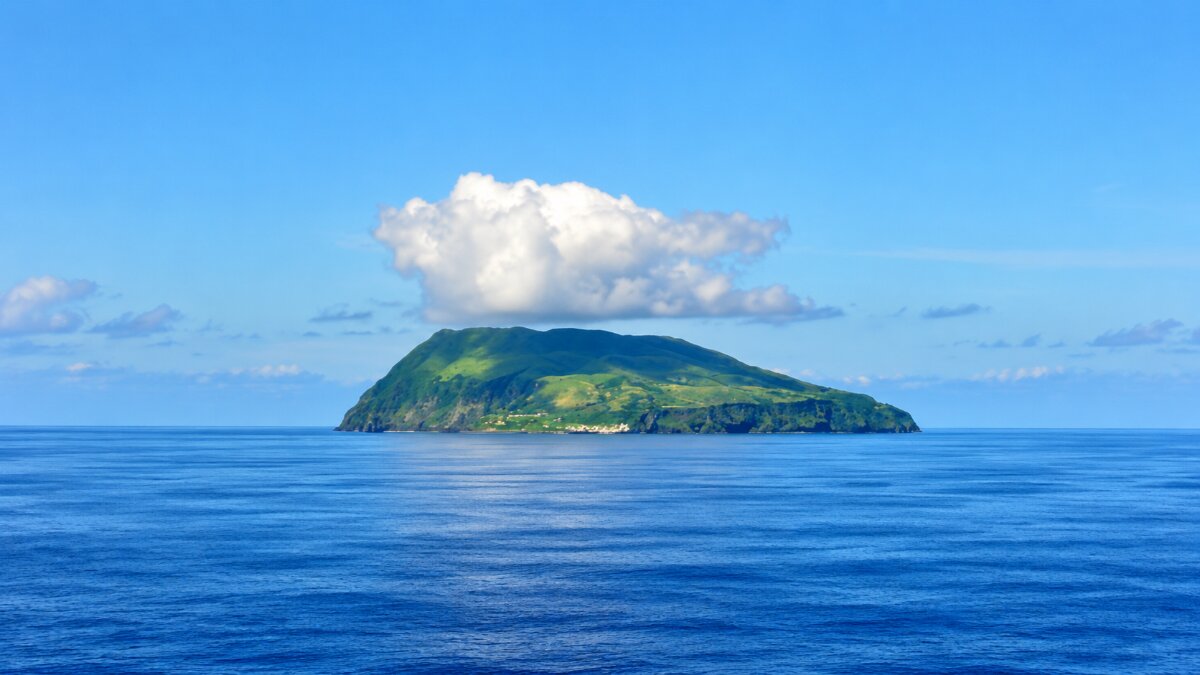
Portugal’s Azores is emerging as a leading sustainable island destination by combining controlled tourism growth, environmental protection and high-value nature experiences. The archipelago’s transformation is centred around Ponta Delgada on São Miguel Island as the main visitor gateway and Horta on Faial Island as a key marine and conservation tourism centre. Rather than pursuing mass tourism, Azores is developing a low-impact travel model built around biodiversity, adventure experiences, rural stays, whale watching and sustainable destination management.
The Azores has become internationally recognised for sustainability after becoming the first archipelago in the world certified as a sustainable tourism destination under the EarthCheck programme.
Advertisement
Advertisement
Azores Moves Beyond Island Tourism To Build A Sustainable Destination Economy
The new tourism opportunity emerging in the Azores is not only about attracting more visitors. The deeper shift is the creation of a destination model where tourism growth is managed alongside environmental protection, community benefits and long-term resource preservation.
Located in the North Atlantic Ocean, the Azores consists of nine volcanic islands known for dramatic landscapes, marine ecosystems, geothermal areas, forests, crater lakes and outdoor activities. The region has increasingly positioned itself around nature-based tourism rather than conventional beach tourism.
Advertisement
Advertisement
According to the official Azores sustainability platform, the destination has developed a structured sustainability management system through Azores DMO, operating under the regional government’s tourism and mobility authorities. The initiative focuses on monitoring environmental impacts, improving tourism practices and encouraging cooperation between public and private sectors.
Advertisement
Advertisement
The exclusive travel industry angle is that Azores is not simply marketing itself as an eco-friendly escape. It is building an operational framework where sustainability certification, tourism planning and visitor management become part of the destination’s competitive advantage.
Ponta Delgada Becomes Portugal’s Atlantic Gateway For Nature-Based Travel
Ponta Delgada, located on São Miguel Island, has become the main tourism gateway for international travellers visiting the Azores. The city connects visitors with the wider archipelago through accommodation capacity, transport links and access to some of the region’s most recognised natural attractions.
São Miguel Island represents the largest and most developed tourism centre in the Azores. Travellers arriving through Ponta Delgada can access volcanic landscapes, protected natural areas, hiking routes, geothermal experiences and marine activities.
The importance of Ponta Delgada is increasing because modern adventure travellers are searching for destinations that combine accessibility with authenticity. The city provides the infrastructure required for international tourism while allowing visitors to quickly transition into low-density natural environments.
The destination’s growth strategy reflects a wider change in global tourism. Travellers are increasingly looking beyond crowded urban destinations and seeking places where environmental responsibility, outdoor experiences and local culture are central parts of the journey.
Advertisement
Advertisement
| Ponta Delgada Tourism Role | Importance |
|---|---|
| Main urban centre of São Miguel Island | Provides visitor services and tourism infrastructure |
| International arrival point | Supports access to the wider Azores archipelago |
| Base for nature experiences | Connects travellers with volcanic landscapes and outdoor activities |
| Tourism management centre | Supports sustainable visitor distribution |
Horta Strengthens Azores’ Marine Conservation And Adventure Identity
While Ponta Delgada functions as the main tourism gateway, Horta on Faial Island represents another important part of the sustainable tourism story.
Horta is closely associated with marine tourism, ocean experiences and biodiversity-based travel. Its location in the central Azores makes it strategically important for whale watching, sailing tourism and marine exploration.
The city’s connection with ocean conservation strengthens the Azores’ position among travellers interested in responsible wildlife experiences. Instead of focusing only on visitor numbers, the destination model highlights protection of marine ecosystems and responsible interaction with wildlife.
This creates a valuable opportunity for travel operators developing premium adventure products, including small-group nature tours, scientific tourism experiences and conservation-focused itineraries.
| Destination Hub | Tourism Identity | Key Traveller Interest |
|---|---|---|
| Ponta Delgada, São Miguel | Main tourism gateway | Nature, hiking, volcanic landscapes, accommodation |
| Horta, Faial | Marine adventure centre | Whale watching, ocean tourism, conservation experiences |
Sustainable Certification Gives Azores A Competitive Advantage In Global Travel
The Azores sustainability strategy is built around measurable destination management rather than promotional messaging alone.
Advertisement
Advertisement
Official sustainability information from the Azores government states that the region’s certification process follows international sustainability criteria linked with EarthCheck and the principles of sustainable development. The programme evaluates areas including biodiversity protection, energy management, environmental education, waste management and preservation of cultural heritage.
This approach gives Azores a strategic advantage as international travellers increasingly consider environmental responsibility when selecting destinations.
| Sustainability Area | Azores Approach |
|---|---|
| Biodiversity | Protection of unique volcanic and marine ecosystems |
| Tourism growth | Focus on responsible and balanced development |
| Environmental monitoring | Continuous assessment through sustainability frameworks |
| Visitor experience | Nature-based and low-impact tourism products |
Tourism Growth Creates New Opportunities For Travel Businesses
The sustainability model creates opportunities across the travel trade sector, particularly for specialised operators.
Tour operators can develop longer-stay programmes combining multiple islands, while luxury travel companies can create nature-focused premium experiences. Adventure companies can expand hiking, diving, whale watching and outdoor exploration packages.
Official Azores tourism statistics show continued development of accommodation capacity across different tourism segments. The regional statistics service reported detailed tourism accommodation activity, including growth in rural tourism infrastructure and local accommodation options across the islands.
Advertisement
Advertisement
The shift towards rural accommodation is particularly important because it spreads tourism benefits beyond traditional urban centres and supports smaller communities.
Azores Tourism Model Reflects A Wider Global Shift Towards Regenerative Travel
The Azores story represents a wider transformation happening across island destinations worldwide.
Many island economies face challenges linked to environmental pressure, limited resources and dependence on tourism. The Azores model demonstrates how destinations can attempt to protect natural assets while creating economic opportunities.
The region’s strategy focuses on attracting travellers who spend more time experiencing local environments, culture and activities rather than relying only on short visits.
For international travel businesses, this creates a new market segment: travellers seeking meaningful experiences, sustainability credentials and authentic destinations.
Advertisement
Advertisement
Strategic Importance For Airlines, Tour Operators And Destination Managers
The future success of Azores will depend on maintaining balance between accessibility and environmental protection.
Improved connectivity can increase visitor demand, but destination management will remain critical to prevent pressure on natural resources.
The combination of Ponta Delgada’s connectivity role and Horta’s marine tourism identity gives Azores a diversified tourism structure. It allows the destination to serve different traveller segments while maintaining a clear sustainability focus.
Key Operational Takeaways For Travel Agents And Tour Operators
- Promote Azores as a multi-island sustainable destination rather than a single-island holiday product.
- Use Ponta Delgada as the main arrival gateway when designing international itineraries.
- Include Horta for marine tourism, whale watching and conservation-focused experiences.
- Develop longer itineraries that distribute visitor spending across multiple islands.
- Highlight sustainability certification and responsible travel practices when targeting eco-conscious travellers.
- Prioritise small-group experiences to match the destination’s low-impact tourism positioning.
- Monitor seasonal demand patterns because island destinations require careful capacity management.
- Partner with locally operated tourism providers to support authentic experiences.
Future Outlook
Portugal’s Azores is moving into a new phase of destination development where sustainability is becoming the foundation of tourism competitiveness. The combination of Ponta Delgada’s accessibility, Horta’s marine identity and the region’s certified sustainability framework positions the archipelago as a significant example of how island destinations can evolve beyond traditional tourism models.
The long-term opportunity for Azores is not simply attracting more visitors. It is creating a higher-value tourism economy built around conservation, experience quality and responsible exploration, reflecting the changing priorities of global travellers.
Advertisement
