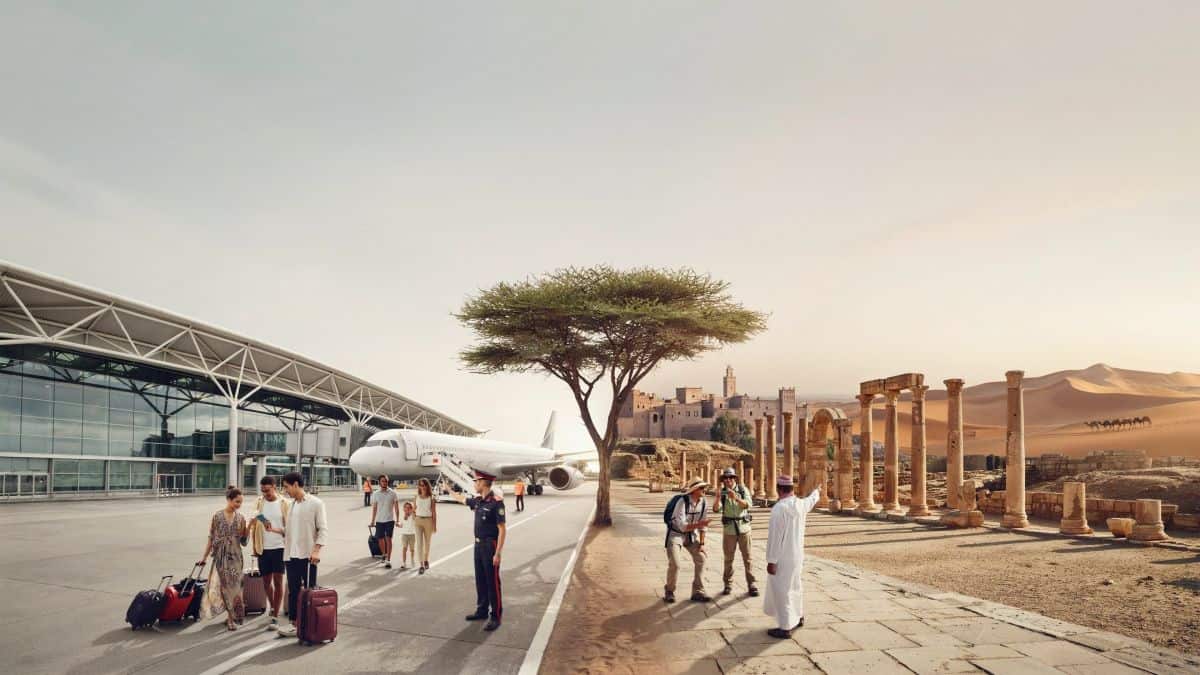
Image generated with Ai
Africa’s tourism landscape is entering a powerful new phase as Africa’s new tourism powerhouses Angola, Algeria, Rwanda, Zambia, Benin, Mozambique and Ghana transform global travel with easier access, ancient treasures and record-breaking growth. As international travellers search for fresh experiences beyond traditional destinations, these countries are gaining attention through visa reforms, cultural wonders, natural attractions and major tourism investments.
From Angola’s expanding aviation infrastructure to Algeria’s ancient heritage sites, Rwanda’s wildlife experiences, Zambia’s safari landscapes, Benin’s historic treasures, Mozambique’s coastal beauty and Ghana’s cultural strength, these destinations are creating a new travel map for Africa. Moreover, easier travel policies and stronger tourism strategies are helping these nations attract visitors from around the world. This emerging movement shows how Africa’s hidden gems are becoming global travel hotspots, offering unforgettable journeys filled with history, adventure and authentic experiences.
Angola is moving quickly from an overlooked destination into one of Africa’s most promising tourism markets. The country’s transformation is being driven by two major changes. The first is the opening of the Dr António Agostinho Neto International Airport near Luanda. The second is a major visa reform that allows easier entry for travellers from 98 countries.
The new airport has become the symbol of Angola’s tourism ambitions. Located around 42 kilometres from central Luanda, the airport was designed to handle large aircraft, including the Airbus A380. It has a planned capacity of 15 million passengers every year and around 130,000 tonnes of cargo annually. The project represents one of the biggest transport investments in Angola’s history.
Advertisement
The Angolan government sees the airport as more than a transport facility. It wants Luanda to become an important African aviation hub connecting passengers, businesses and tourists across continents. Strong air connectivity is one of the most important factors behind successful tourism growth because travellers need convenient access before they choose a destination.
The country’s visa reforms have created another major advantage. Angola now allows citizens of 98 countries to enter without a tourist visa. Visitors can stay for up to 30 days per entry and up to 90 days each year. The simplified process reduces one of the biggest barriers for international travellers.
| Tourism Driver | Impact on Angola |
|---|---|
| Dr António Agostinho Neto International Airport | Creates a major aviation gateway for international visitors |
| 15 million passenger capacity | Supports future tourism expansion |
| Visa exemption for 98 countries | Makes travel easier and more attractive |
| Dubai and Ethiopian Airlines connectivity | Strengthens international access |
| Natural attractions | Builds adventure and nature tourism opportunities |
While infrastructure creates access, Angola’s natural beauty creates the reason for travellers to visit. The country offers a rare combination of coastline, forests, mountains, waterfalls and remote landscapes.
The Government of Angola highlights seven major natural attractions known as the country’s “Seven Wonders”. These include the Tundavala Escarpment, Mayombe Forest, Nzenzo Caves, Lagoa Carumbo, Morro do Môco, Kalandula Falls and Chiumbe Falls.
These attractions give Angola a tourism identity based on exploration. Unlike crowded destinations where visitors follow established routes, Angola offers a sense of discovery. Travellers looking for adventure, wildlife, nature and authentic cultural experiences may find the country increasingly attractive.
The country’s geography also supports different travel styles. Visitors can explore dramatic cliffs, tropical forests, mountain regions and impressive waterfalls. This diversity allows Angola to develop multiple tourism products instead of depending on one single attraction.
Air connectivity is also improving Angola’s international visibility. Emirates currently operates flights between Dubai and Luanda, while Ethiopian Airlines continues to promote Angola through its regional and international network. These links help place Angola into global travel planning systems.
If Angola represents Africa’s future tourism growth through infrastructure, Algeria represents tourism power through history and culture. The country has one of the richest heritage collections in Africa, with seven UNESCO World Heritage properties.
Algeria offers travellers a rare journey through thousands of years of civilisation. The country combines Roman cities, ancient Islamic architecture, traditional desert communities and prehistoric art. This creates a destination experience that goes far beyond a normal holiday.
The UNESCO-listed sites include the Kasbah of Algiers, Timgad, Djémila, Tipasa, M’Zab Valley and Tassili n’Ajjer. Each location tells a different story about human civilisation, architecture and cultural development.
Timgad is one of Algeria’s most impressive Roman treasures. UNESCO describes it as a Roman military colony created by Emperor Trajan in AD 100. The ancient city represents exceptional Roman urban planning with organised streets, public buildings and monuments.
Djémila provides another remarkable Roman experience. Built in a mountain environment, the city contains temples, basilicas, arches and residential structures. It shows how Roman civilisation adapted to different landscapes.

Image generated with Ai
The biggest attraction of Algeria may be its Sahara region. The Tassili n’Ajjer area offers one of the world’s most important collections of prehistoric rock art.
UNESCO states that the site contains more than 15,000 drawings and engravings showing ancient human life, animal movements and environmental changes over thousands of years.
This makes Algeria different from traditional desert destinations. The Sahara is not only about landscapes. It is also about human history. Travellers can experience ancient stories carved into stone while exploring one of the planet’s most dramatic environments.
The M’Zab Valley adds another unique layer to Algeria’s tourism appeal. The UNESCO-listed region represents traditional desert settlement design created around fortified communities known as ksour.
Together, Algeria’s heritage creates a powerful tourism combination. Visitors can experience historic cities, Mediterranean coastlines, archaeological wonders, mountain landscapes and endless desert horizons within one country.
The rise of Angola and Algeria is part of a larger African tourism transformation. Official international data shows that tourism across the continent is gaining strong momentum.
The United Nations Economic Commission for Africa reported that tourism contributed 6.8% of Africa’s GDP in 2023 and supported around 5% of total employment. UN Tourism reported that Africa welcomed 74 million international visitors in 2024, exceeding pre-pandemic levels.
UN Tourism later reported that Africa reached 81 million international arrivals in 2025, showing continued recovery and expansion. North Africa recorded particularly strong performance.
This growth is supported by two important factors. The first is easier travel access. The second is improved air connectivity.
The African Union continues to promote visa openness and the Single African Air Transport Market. These initiatives aim to improve movement across the continent and create stronger aviation connections between African countries.
Angola and Algeria are not alone in Africa’s tourism transformation. Several other countries are showing strong potential because of easier access, unique attractions and government-backed tourism development.Country Tourism Opportunity Rwanda Gorilla tourism, conservation and visa openness Zambia Safari experiences and easier entry policies Benin Heritage, culture and historical tourism Mozambique Beaches, islands and nature experiences Ghana Heritage tourism and digital visa reforms
Rwanda has become one of Africa’s strongest tourism success stories. The country allows visitors from all nations to receive visas on arrival, creating one of the continent’s most traveller-friendly entry systems.
The country attracts visitors through gorilla tracking, national parks and conservation experiences. Tourism and conference activities generated record revenue in 2025, showing the strength of Rwanda’s tourism strategy.
Zambia is gaining attention through its wildlife experiences and improved travel access. The country now offers visa-free entry for citizens of 167 nationalities and territories.
Its famous safari regions, including South Luangwa, Kafue and Lower Zambezi, are becoming increasingly attractive for international travellers seeking authentic African wildlife experiences.
Benin is developing a stronger international tourism identity through history, culture and nature. The country promotes attractions including the Royal Palaces of Abomey, Ouidah, Ganvié and Pendjari National Park.
Its online visa system and tourism investment strategy are helping make the destination easier to access and more visible worldwide.
Mozambique is attracting travellers through its beaches, islands and conservation areas. The country’s official digital visa system has improved travel procedures, while its natural assets remain a major attraction.
The Island of Mozambique, a UNESCO World Heritage site, adds cultural importance to the country’s tourism offer.
Ghana continues to grow as a cultural tourism destination. The country has introduced digital visa services and removed visa fees for African passport holders, supporting easier regional travel.
Its forts, castles, national parks and independence history give Ghana a strong tourism identity that connects culture, nature and heritage.

Image generated with Ai
The official evidence shows that Angola and Algeria are rising for different but equally powerful reasons. Angola is building the future through airports, aviation and easier entry. Algeria is winning attention through unmatched heritage and extraordinary landscapes.
The wider African tourism market is also moving forward. Better connectivity, visa reforms and growing demand for authentic experiences are changing how travellers view the continent.
The next generation of tourism growth may not come only from famous destinations. It may come from countries that offer something new, something meaningful and something unforgettable.
Angola and Algeria represent that new African travel story. They show a continent preparing for a bigger global tourism role, where hidden treasures are becoming the world’s next must-visit destinations.
Advertisement
Tags: Africa hidden gems, Africa tourism growth, Africa tourism revolution, Africa travel trends 2026, African tourism hotspots
Advertisement
Advertisement













Friday, September 4, 2026

Friday, September 4, 2026

Saturday, September 5, 2026

Friday, September 4, 2026

Thursday, September 3, 2026

Wednesday, September 2, 2026

Friday, September 4, 2026