
Montenegro Extends Tourism With Perast Heritage and Autumn Food Festivals

Published
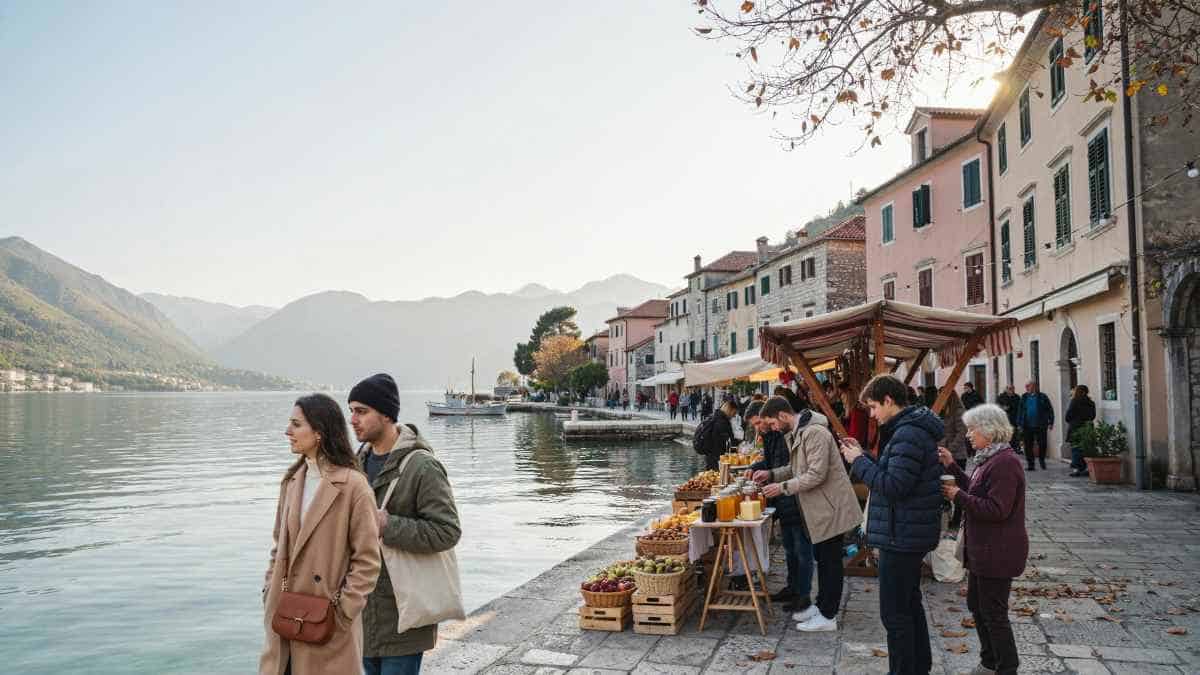
The shoulder season period in Montenegro is enhanced by means of living heritage, culinary and wine offerings that stretch well into the late summer and early fall. Cultural experiences such as the famous Fašinada boat parade of Perast and olive oil and wine traditions of the Crmnica region and Skadar Lake are now available to travellers after the busiest months on the coast of Montenegro. This fusion of maritime tradition, cultural celebrations, vineyards, olive fields and lakes offers a chance for tourists to discover Montenegro not only during the height of its beach season. The fall season gives a whole new pace for travellers to enjoy the cultural offerings.
Fašinada Keeps Perast’s Maritime Heritage Alive
Perast, situated along the Bay of Kotor, is one of Montenegro’s most distinctive historic settlements. Its waterfront, stone houses and historic churches form part of the wider cultural landscape of the bay.
The Fašinada is a traditional boat procession associated with the islet of Our Lady of the Rocks. Held annually on 22 July, the event involves local boats travelling from Perast towards the island in a ceremony connected with a centuries-old maritime tradition.
The event is rooted in the community’s relationship with the sea and the historic development of the islet. For visitors, it provides an opportunity to experience a cultural tradition that remains connected to the identity of the town rather than being presented solely as a museum attraction.
Advertisement
Advertisement
Although Fašinada itself takes place in summer, its presence within Montenegro’s cultural calendar contributes to wider interest in Perast and the Bay of Kotor during the late-summer travel period.
Perast Connects Heritage With Coastal Travel
Perast can be incorporated into broader Bay of Kotor itineraries that include Kotor, Herceg Novi and other historic settlements.
Advertisement
Advertisement
Visitors can explore the waterfront, historic churches and stone architecture before continuing by boat or road to nearby destinations. The town’s compact scale makes it suitable for day trips, while longer stays allow travellers to combine cultural sightseeing with coastal excursions.
The maritime character of Perast also complements Montenegro’s broader Adriatic tourism offer. Visitors can combine heritage visits with boat trips, swimming, photography and waterfront dining, creating a more varied itinerary.
Advertisement
Advertisement
For travellers visiting outside the height of summer, cultural attractions provide additional reasons to explore the bay when beach-focused tourism becomes less dominant.
Crmnica Brings Wine Tourism Into the Countryside
The Crmnica region, near Lake Skadar, is one of Montenegro’s traditional wine-producing areas. The landscape combines vineyards, villages, mountains and access to the lake, creating a setting suited to food and wine tourism.
Local wine experiences can include tastings, cellar visits and meals featuring regional products. Visitors can explore grape varieties associated with Montenegro while learning about traditional production methods and the relationship between agriculture and local communities.
The region’s proximity to Skadar Lake also allows wine tourism to be combined with nature-based activities. A single itinerary can include vineyard visits, lake excursions, village walks and regional dining.
Advertisement
Advertisement
This combination is particularly suitable for shoulder-season travel, when cooler conditions can make countryside exploration more comfortable than during the hottest summer weeks.
Skadar Lake Combines Food, Wine and Nature
Skadar Lake is Montenegro’s largest lake and an important destination for nature and cultural tourism. The lake’s wetlands, waterways, villages and surrounding mountains provide a different environment from the country’s Adriatic coast.
Visitors can explore the lake by boat, observe birdlife, visit rural settlements and combine excursions with regional food experiences.
Virpazar serves as one of the principal gateways to the Montenegrin side of the lake. The small settlement is surrounded by vineyards and waterways and provides access to boat trips across the lake.
For food-focused travellers, combining a boat excursion with a local wine tasting provides an itinerary that connects the natural landscape with agricultural traditions.
Olive Oil Adds Another Culinary Dimension
Olive oil production provides another element of Montenegro’s food tourism offer, particularly in the southern and coastal regions around Bar and the wider Lake Skadar area.
Advertisement
Advertisement
Visitors can encounter olive groves, traditional production methods and tastings featuring locally produced oils. These experiences can be paired with regional cheeses, breads, vegetables and other local products.
Olive oil tourism allows travellers to understand the agricultural traditions behind an ingredient that forms an important part of Mediterranean cuisine.
Autumn can be particularly relevant to olive-focused travel because it coincides with the period when olive harvesting and processing activities become more prominent in producing areas. Availability and timing vary by location and season, so visitors interested in harvest experiences need to check local schedules.
Shoulder Season Offers a Different Montenegro
Late summer and autumn provide opportunities to explore Montenegro beyond the busiest beach destinations. Temperatures generally become more moderate as summer progresses, supporting walking, food tours, vineyard visits and outdoor excursions.
The Bay of Kotor remains accessible for cultural sightseeing, while Skadar Lake and Crmnica provide opportunities for countryside travel.
For travellers, shoulder-season itineraries can combine several regions without focusing exclusively on seaside activities. A journey might include several nights around Kotor and Perast before continuing towards Lake Skadar and the vineyards of Crmnica.
Advertisement
Advertisement
This approach allows visitors to experience both Montenegro’s maritime heritage and its agricultural landscapes.
Cultural Tourism Supports Rural Destinations
Food and wine tourism can also direct visitor spending towards smaller communities outside Montenegro’s major coastal resorts.
Vineyards, family-run producers, traditional restaurants and local guides can form part of regional tourism networks. Visitors can purchase local products, participate in tastings and use locally operated services while travelling through rural areas.
This provides an additional reason to visit destinations that may otherwise receive fewer visitors outside the main summer season.
The same principle applies to cultural events such as Fašinada, where local participation remains central to the experience. Living traditions can encourage visitors to engage with communities and understand the history behind individual destinations.
Montenegro Creates Multi-Season Travel Opportunities
The blend of Montenegro’s maritime history and cuisine has been creating new reasons for visiting outside the busy summer holiday period. In Perast, there are opportunities to discover historical architecture and centuries-old Fašinada tradition, whereas in Crmnica, there is the possibility to experience vineyards associated with the wine production. Skadar Lake offers boat tours along with wildlife and a rural environment, and Southern Montenegro offers the opportunity to discover olive oil traditions. The above-mentioned possibilities can be included in a multiple-stop tour around Montenegro, combining the Bay of Kotor with inland and lake destinations. Visitors will have a chance to experience the country’s culture and cuisine not only during the summer holiday period but also during other months when the weather is mild and the shoulder season lasts. With the continuation of the process of development of cultural and gastronomic tourism in Montenegro, the country is forming a travel calendar including both its Adriatic history and wine regions around Skadar Lake and Crmnica.
Advertisement
