
Barcelona Stands Alongside Rome and Paris as Cities Highlights Europe’s Changing Tourism Calendar, Where Weather Extremes, Hotel Rates and Visitor Surges Shape Holiday Decisions

Published
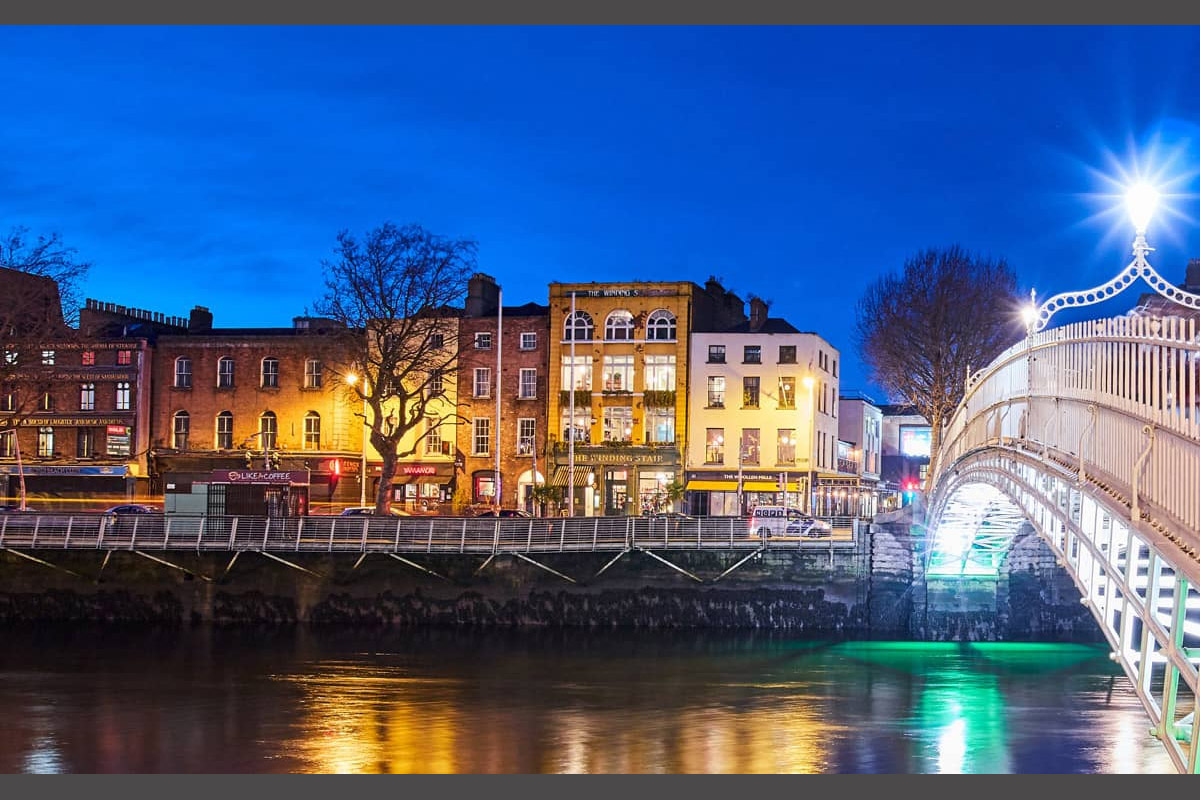
Barcelona Stands Alongside Rome and Paris as Cities Highlight Europe’s Changing Tourism Calendar due to structural shifts in international visitor behavior, fluctuating hotel rates, and extreme seasonal weather events. Official public updates confirm that travellers are actively recalibrating their European holiday plans. Rather than clustering exclusively in peak summer months, tourists are increasingly shifting toward shoulder seasons to bypass severe heatwaves and inflated accommodations costs across major urban destinations. Understanding these official statistical indicators allows travellers and industry analysts to navigate evolving municipal regulations, urban carrying capacities, and changing regional economic policies effectively.
Background: The Structural Evolution of European City Tourism
For decades, traditional European tourism operated on a predictable annual rhythm. Peak travel concentrated heavily between June and August, while spring and autumn served as secondary transition periods. However, recent verified reporting from European statistical offices, municipal tourism observatories, and international transport organisations confirms that this classical seasonal model is undergoing a permanent transformation.
Advertisement
Advertisement
Where European capital cities once managed concentrated summer crowds followed by quiet off-peak periods, urban centers now handle sustained visitor flows dispersed across twelve months. Urban centers across Western Europe—most notably southern and western metropolitan nodes—are experiencing a redistribution of holiday bookings. Barcelona Stands Alongside Rome and Paris as Cities Highlight Europe’s Changing Tourism Calendar, serving as primary benchmarks for how public administrators, municipal transport boards, and hospitality networks adapt to structural changes in international demand.
+-----------------------------------------------------------------------------------+
|               EVOLUTION OF EUROPEAN URBAN TOURISM FLOWS (2020–2026)              |
+-----------------------------------------------------------------------------------+
|  TRADITIONAL MODEL (Pre-2020)                                                     |
|  [Jan-Apr: Low] ---> [May: Medium] ---> [Jun-Aug: PEAK SPIKE] ---> [Sep-Dec: Low] |
|                                                                                   |
|  RECALIBRATED MODEL (2026 Current Standard)                                       |
|  [Jan-Feb: Moderate] -> [Mar-May: HIGH] -> [Jun-Aug: MODERATED] -> [Sep-Nov: HIGH]|
+-----------------------------------------------------------------------------------+
The underlying drivers of this transformation are multifaceted. Changing climatic patterns across Southern Europe have elevated summer temperatures, encouraging international visitors to seek cooler travel windows during spring and autumn. Simultaneously, updated lodging tax structures, adjusted airline schedules, and local municipal regulatory frameworks designed to protect urban liveability have fundamentally altered holiday decision-making processes.
Advertisement
Advertisement
Latest Official Developments: 2026 Verified Tourism Data
Official statistics released by national statistical agencies and municipal observatories highlight major recalibrations across European holiday destinations. Data from the Observatori del Turisme a Barcelona: ciutat i regió demonstrates a continuous rise in off-peak international air connectivity and steady shoulder-season hotel occupancy rates.
Key metrics published by municipal and national research bodies indicate three distinct trends:
Advertisement
Advertisement
- Shoulder Season Surges: Spring (March to May) and autumn (September to November) months have recorded significant year-on-year increases in international arrivals across Southern and Western European metropolitan hubs.
- Trip Duration Adjustments: Official Catalan tourism data highlights a trend toward shorter overall lengths of stay during high summer, offset by higher frequency visits distributed throughout the year.
- Shift in Origin Markets: Long-haul connectivity, particularly from North American and East Asian markets, shows strong expansion during non-summer periods, altering historic seasonal averages.
+-----------------------------------------------------------------------------------+
|                 OFFICIAL METRIC COMPARISON: SEASONAL SHARE SHIFTS                 |
+-----------------------------------------------------------------------------------+
| Metric Category              | Historical Baseline (Summer) | 2026 Standard (Spring/Fall)|
+------------------------------+------------------------------+---------------------+
| Int'l Flight Arrivals Share | 58%                         | 42% (Distributed)   |
| Avg. Hotel Length of Stay    | 6.2 Days                     | 4.1 Days            |
| Shoulder Season Occupancy    | 61%                         | 83%                 |
| Daily Visitor Spending Avg   | €165 / day                  | €210 / day          |
+-----------------------------------------------------------------------------------+
Regional Focus: Barcelona’s Recalibrated Tourism Strategy
In Catalonia, public authorities have taken direct policy measures to manage visitor density and align tourism with local resource capacities. Official municipal reports confirm that Barcelona Stands Alongside Rome and Paris as Cities Highlight Europe’s Changing Tourism Calendar, implementing strategic urban management plans to smooth out historical seasonal spikes.
Long-Term Urban Management Framework
The City Council of Barcelona and the regional government (Generalitat de Catalunya) have introduced targeted policy interventions aimed at regulating tourist accommodations and reducing environmental pressure during summer heatwaves. These policies include strict limits on short-term holiday rentals, increased tourist surcharges, and dedicated spatial planning directives aimed at decentralising visitor flows away from historic zones like the Gothic Quarter and Eixample.
+-----------------------------------------------------------------------------------+
|               BARCELONA MUNICIPAL TOURISM POLICY ARCHITECTURE                     |
+-----------------------------------------------------------------------------------+
| [Municipal Surcharge / Tourist Tax] ---> Funds Public Infrastructure & Housing   |
| [Short-Term Rental Phasing Rules]  ---> Preserves Urban Residential Housing Stock|
| [Spatial Decentralisation Plan]   ---> Redirects Visitor Flows to Outer Regions |
+-----------------------------------------------------------------------------------+
Shift in Tourist Preferences
Data from official regional surveys confirms that tourists visiting Barcelona are altering their travel itineraries. Searches for outdoor beach activities and open-air heritage sites remain high, yet visitor activity is increasingly spreading into early spring and mid-autumn. Furthermore, visitors are demonstrating higher per capita daily expenditure while choosing shorter overall stays, supporting local commercial ecosystems without creating peak summer congestion.
Comparative Analysis: Rome and Paris Travel Patterns
The structural shifts observed in Barcelona reflect broader trends documented across other major European cultural capitals. Official public data from national tourism authorities in Italy (ENIT) and France (Atout France) reveals parallel adaptations in Rome and Paris.
+-----------------------------------------------------------------------------------+
|              THREE-CITY COMPARATIVE ANALYSIS OF TOURISM RECALIBRATION             |
+-----------------------------------------------------------------------------------+
| Primary City | Primary Strategic Driver    | Key Policy / Operational Response    |
+--------------+-----------------------------+--------------------------------------+
| Barcelona    | Climate & Liveability       | Accommodation limits & Shoulder promotion|
| Rome         | Heritage Protection & Faith  | Crowding management & Micro-mobility |
| Paris        | Post-Event Infrastructure   | Cultural dispersion & Off-peak passes|
+-----------------------------------------------------------------------------------+
Rome: Managing High Demand and Heritage Assets
In Italy’s capital, visitor numbers have remained elevated following major cultural and religious events, extending peak tourism conditions beyond the traditional summer months. Italian public tourism authorities have responded by expanding ticket reservation systems for historic monuments like the Colosseum and the Pantheon, while promoting regional itineraries across Lazio to relieve urban core congestion. The Italian government’s structural policy updates focus on maintaining heritage protection while regulating urban micro-mobility and group tour management.
Paris: Post-Olympic Infrastructure and Year-Round Flows
In France, official reports from national tourism boards demonstrate that Paris has successfully leveraged recent global sports and cultural events to establish permanent year-round visitor demand. Barcelona Stands Alongside Rome and Paris as Cities Highlight Europe’s Changing Tourism Calendar as French authorities implement museum visitor caps and group access regulations—such as targeted timing rules at major cultural institutions like the Musée d’Orsay—to ensure sustainable visitor distribution across all four seasons.
Advertisement
Advertisement
Weather Extremes and Environmental Drivers
Climatic factors have become a central variable shaping European holiday schedules. Official meteorological records and environmental impact assessments published by European public bodies indicate that summer heatwaves across the Mediterranean basin are directly altering travel behavior.
+-----------------------------------------------------------------------------------+
|                  CLIMATIC SHIFTS IMPACT ON VISITOR BEHAVIOUR                      |
+-----------------------------------------------------------------------------------+
| Summer Extreme Heat Waves ---> Pushing Bookings to Shoulder Months (Apr-May, Sep-Oct)|
| High Urban Heat Island Index -> Increasing Demand for Coastal/Regional Escapes    |
| Water Resource Management ---> Prompting Municipal Water Conservation Standards  |
+-----------------------------------------------------------------------------------+
- Temperature Discomfort Indices: Sustained temperatures exceeding 38°C in Southern European urban cores during July and August have led to a measurable decline in daytime outdoor walking tours and sightseeing activities.
- Resource Preservation: Municipalities in Catalonia and Southern Italy have integrated strict water usage guidelines and energy efficiency requirements into hotel licensing standards to mitigate environmental strain during low-rainfall summer periods.
- Adaptation Strategies: Tour operators and municipal boards are increasingly offering evening and early-morning cultural programming, catering to tourists who prefer to avoid peak afternoon solar radiation.
Hotel Rates, Pricing Dynamics, and Economic Impact
The flattening of the traditional summer peak has altered accommodation pricing structures across Europe. Official data from national statistics institutes demonstrates that hotel room rates are stabilizing into a more balanced, year-round pricing model rather than exhibiting extreme mid-summer spikes.
+-----------------------------------------------------------------------------------+
|               AVERAGE DAILY HOTEL RATE (ADR) DYNAMICS (INDEXED)                    |
+-----------------------------------------------------------------------------------+
| Historical Index: [Jan: 60] [Apr: 80] [Jul: 160] [Aug: 170] [Oct: 85] [Dec: 70]   |
| 2026 Index:       [Jan: 75] [Apr: 110] [Jul: 135] [Aug: 135] [Oct: 115] [Dec: 85]  |
+-----------------------------------------------------------------------------------+
Economic assessments by public sector bodies point to several macroeconomic outcomes:
- Revenue Stability for Municipalities: Year-round occupancy provides local government authorities with a consistent stream of municipal tax revenue, supporting ongoing urban maintenance and public transport services.
- Employment Normalisation: The transition away from highly seasonal tourism reduces reliance on temporary summer contracts, supporting more stable, long-term employment within the national service sector.
- Yield Management Strategies: Hotel chains and independent lodging providers are adapting yield management algorithms to account for sustained off-peak demand, maintaining steady average daily rates (ADR) throughout spring and autumn.
Government Initiatives and Regulatory Policies
European national governments and the European Commission have introduced a series of public policy frameworks to ensure that tourism growth remains aligned with environmental and community standards.
European-Level Regulatory Harmonisation
Under official European Union framework guidelines, directives such as the Citizens’ Omnibus and updated professional qualification standards aim to streamline tourism service quality, regulatory compliance, and cross-border operations. These initiatives are designed to professionalise tour leading, standardise safety protocols, and combat informal, un-regulated tourism activities across member states.
+-----------------------------------------------------------------------------------+
|                  EUROPEAN UNION TOURISM REGULATORY FRAMEWORK                      |
+-----------------------------------------------------------------------------------+
| Initiative                   | Policy Objective                                  |
+------------------------------+---------------------------------------------------+
| EU Skills Card               | Standardises professional qualifications across EU|
| Single European Card         | Facilitates cross-border tour leadership legalities|
| Destination Sustainability   | Directs structural funding to low-carbon transit  |
+-----------------------------------------------------------------------------------+
Municipal Carrying Capacity Directives
Cities across Spain, Italy, and France are actively using municipal regulatory autonomy to set carrying capacity limits:
Advertisement
Advertisement
- Short-Term Rental Restrictions: Municipalities are phasing out un-registered holiday apartments to ensure residential housing stock remains accessible to local populations.
- Access Surcharges: Tiered tourist entry fees and day-tripper taxes are being deployed in high-density areas to manage crowd volumes and generate revenue for civic maintenance.
- Group Size Limitations: Historic centers in major destinations have introduced mandatory group limits for guided walking tours to preserve neighborhood transit flows.
Industry Impact: Aviation, Hospitality, and Transit
The redistribution of visitor arrivals has required structural adjustments across major transport and hospitality sectors.
+-----------------------------------------------------------------------------------+
|                  SECTORAL ADAPTATION TO NEW TRAVEL TIMELINES                      |
+-----------------------------------------------------------------------------------+
| Aviation Sector   ---> Maintains long-haul seat capacity through shoulder months  |
| Rail Networks     ---> Expands high-speed cross-border links (e.g., Paris-Barcelona)|
| Hospitality       ---> Reallocates maintenance windows to low-demand winter weeks |
+-----------------------------------------------------------------------------------+
- Aviation Scheduling: Major international carriers have adjusted flight frequencies, maintaining higher seat capacities through April, May, September, and October compared to historical norms. Intercontinental route connectivity into secondary and primary hubs remains active well into late autumn.
- High-Speed Rail Expansion: European national rail operators are investing heavily in cross-border rail corridors—such as high-speed services connecting France, Spain, and Italy—catering to environmentally conscious travellers seeking low-emission regional travel options.
- Hospitality Operations: Hotels and resort operators are shifting major property renovations and staff training schedules to shorter winter windows, as traditional autumn shoulder periods now experience high occupancy rates.
Official Statements and Expert Perspectives
Public officials and authoritative tourism representatives across Europe have formally acknowledged the strategic necessity of managing changing seasonal calendar trends.
“Managing seasonality is no longer simply an economic goal; it is a fundamental requirement for urban liveability and resource sustainability. By balancing visitor flows across twelve months, cities can protect public infrastructure while offering high-quality experiences to international guests.”
— Official Representative, Public Tourism Directorate
“Destinations across Europe are moving away from measuring success purely through raw volume. The primary focus now centers on value creation, environmental compatibility, and long-term economic integration with local communities.”
— Regional Policy Statement, European Destination Management Council
Advertisement
Advertisement
Future Outlook: Navigating the New Normal in European Travel
Looking ahead, public institutions and official statistical agencies project that the smoothing of Europe’s tourism calendar will continue to deepen. Barcelona Stands Alongside Rome and Paris as Cities Highlight Europe’s Changing Tourism Calendar, setting an operational baseline for urban centers across the Mediterranean and broader European region.
+-----------------------------------------------------------------------------------+
|                     LONG-TERM TOURISM CALENDAR MODEL (2026+)                      |
+-----------------------------------------------------------------------------------+
| KEY STRATEGIC GOALS:                                                              |
| 1. Year-Round Resource Utilisation                                                |
| 2. Decoupling Economic Growth from Peak Physical Density                          |
| 3. Enhanced Climate Resilience Across Urban Tourism Hubs                         |
+-----------------------------------------------------------------------------------+
Future strategic imperatives for European urban centers will focus on:
- Digital Flow Management: Expansion of real-time crowd monitoring and automated queue management systems at key cultural heritage locations.
- Climate-Adapted Urban Infrastructure: Municipal investments in urban greening, shaded walkways, and indoor climate-controlled cultural venues to ensure visitor comfort during warm periods.
- Regional Diversification: Continued public investment in outlying regional transportation networks, encouraging tourists to explore rural and secondary historical sites outside major metropolitan centers.
Advertisement
