
Nigeria Pairs Up With Egypt and Other Global Leading Countries as Africa’s Population Boom Reshapes Future Tourism Growth, with Young Demographics, Expanding Cities and Rising Consumer Markets Creating New Opportunities for Cultural Travel, Wildlife Tourism, Urban Experiences and Global Investment

Published
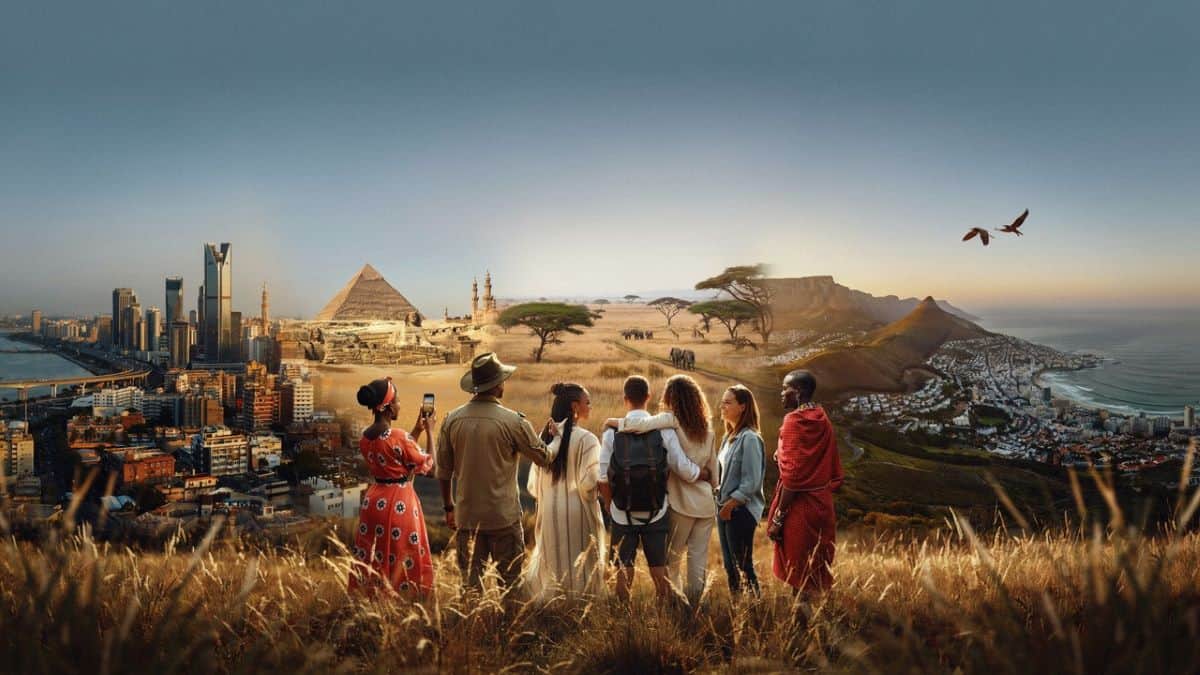
Africa’s population boom is reshaping future tourism growth as Nigeria pairs up with Egypt and other global leading countries across the continent, driven by young demographics, expanding cities and rising consumer markets. The demographic transformation is creating new opportunities for cultural travel, wildlife tourism, urban experiences and global investment. With Africa’s population projected to surpass 2.5 billion by 2050, growing cities and emerging travel markets are expected to influence international tourism demand, hospitality development and destination strategies. The shift highlights Africa’s increasing role in global tourism through heritage, nature, business and experience-led travel opportunities.
Africa Tourism Growth Enters a New Era as Population Expansion Creates a Powerful Travel and Economic Opportunity
Africa is undergoing one of the world’s most significant demographic transformations, with population growth reshaping tourism markets, urban development, consumer behaviour and international investment strategies. The continent’s population is projected to surpass 2.5 billion people by 2050, driven by a young population structure, improving healthcare systems and sustained demographic momentum. According to the United Nations World Population Prospects 2024, Africa’s population expansion is becoming a defining global trend, with several African nations now ranking among the world’s largest population centres. Nigeria, Ethiopia, Egypt and the Democratic Republic of Congo are leading this transformation, creating larger domestic markets and expanding future travel demand. The demographic shift is also influencing tourism development. As cities expand and infrastructure improves, African destinations are gaining greater potential for cultural tourism, business travel, wildlife experiences and international visitor growth.
Advertisement
Advertisement
- More than 60% of Africa’s population is below the age of 25.
- Rapid urbanisation is expanding major African cities.
- Growing middle-class populations are increasing travel demand.
- Young consumers are accelerating digital and tourism markets.
- Infrastructure investment is supporting destination development.
| Demographic Trend | Tourism and Economic Impact |
|---|---|
| Youthful population | Creates future workforce and consumer demand |
| Urban growth | Expands city tourism and hospitality markets |
| Economic development | Supports domestic and international travel |
| Improved connectivity | Encourages regional tourism movement |
Nigeria Leads Africa’s Population Growth as Africa’s Largest Market Creates New Tourism Potential
Nigeria remains Africa’s largest population centre, with an estimated 242.4 million people in 2026, according to UN population estimates. The country’s demographic strength is driven by a young population, high fertility rates and expanding urban areas. The growth of cities such as Lagos and Abuja is increasing demand for hotels, entertainment, business travel services and cultural tourism experiences. Nigeria’s large domestic market provides a strong foundation for tourism development, while its music, film and cultural industries continue increasing global awareness of the country. Nigeria’s tourism potential is closely connected with its population growth, as larger urban communities create stronger demand for leisure travel, events and hospitality services.
- Largest population market in Africa.
- Strong cultural tourism appeal.
- Expanding entertainment and creative economy.
- Growing domestic travel demand.
- Increasing importance as a West African business hub.
| Nigeria Tourism Factor | Impact |
|---|---|
| Population | 242.4 million people |
| Major tourism centres | Lagos, Abuja, cultural regions |
| Key attractions | Music, festivals, heritage |
| Travel opportunity | Domestic and regional tourism growth |
Egypt Combines Historic Heritage and Modern Tourism Growth as Population Expansion Supports Visitor Demand
Egypt remains one of Africa’s most influential tourism destinations, combining ancient heritage, archaeological attractions, coastal resorts and cultural experiences. The country’s population reached an estimated 120.1 million people in 2026, strengthening its position as a major North African market. Egypt’s tourism industry continues to experience strong international demand. Government figures reported that Egypt welcomed nearly 19 million tourists in 2025, representing a 21% increase compared with 2024. In the first four months of 2026, the country recorded 6.1 million visitors, up 7% compared with the same period in 2025. The country’s tourism strength comes from destinations including Cairo, the Pyramids of Giza, Luxor, the Red Sea resorts and Nile cruise routes.
Advertisement
Advertisement
- Ancient heritage attracts global cultural travellers.
- Red Sea resorts support leisure tourism.
- Cairo strengthens urban tourism demand.
- Archaeological attractions drive international arrivals.
- Tourism contributes significantly to the national economy.
| Egypt Tourism Indicator | Data |
|---|---|
| Population 2026 | 120.1 million |
| Tourist arrivals 2025 | Nearly 19 million |
| Tourist arrivals Jan–Apr 2026 | 6.1 million |
| Main tourism segments | Heritage, beach, cruise tourism |
Ethiopia’s Growing Population Strengthens Cultural Tourism and East African Travel Opportunities
Ethiopia ranks among Africa’s fastest-growing population markets, with an estimated 138.9 million people in 2026. The country’s demographic growth is creating new opportunities for tourism development through heritage, nature and cultural experiences. Ethiopia’s tourism appeal is built around ancient history, UNESCO heritage sites, unique landscapes and cultural diversity. Addis Ababa is emerging as an important gateway city for international visitors and regional travel. Official city tourism information reported that Addis Ababa recorded 1.2 million international visitor arrivals, while domestic tourism increased to 10.5 million visitors during recent reporting periods.
- Historic attractions increase cultural tourism demand.
- Addis Ababa strengthens its role as a travel gateway.
- Nature tourism supports adventure travel growth.
- Cultural experiences attract international visitors.
- Regional connectivity supports tourism expansion.
| Ethiopia Tourism Factor | Impact |
|---|---|
| Population | 138.9 million people |
| Tourism gateway | Addis Ababa |
| Main attractions | Heritage, landscapes and culture |
| Visitor growth | Increasing international visibility |
Democratic Republic of Congo Expands Africa’s Tourism Potential Through Wildlife, Nature and Adventure Travel Experiences
The Democratic Republic of Congo (DRC) is emerging as one of Africa’s most distinctive nature tourism destinations, supported by its vast landscapes, biodiversity and unique wildlife experiences. With an estimated population of 116.5 million people in 2026, according to United Nations demographic projections, the country represents one of Central Africa’s largest future consumer and travel markets. The DRC’s tourism appeal is strongly connected to its natural assets, particularly rainforest ecosystems, national parks and rare wildlife experiences. Destinations such as Virunga National Park, one of Africa’s oldest protected areas, provide opportunities for gorilla trekking, conservation tourism and adventure travel. As the country’s population expands and urban centres grow, tourism development is becoming increasingly connected with infrastructure improvement, regional mobility and international conservation travel.
Advertisement
Advertisement
- Wildlife tourism creates global destination recognition.
- Nature-based travel supports conservation efforts.
- Expanding cities increase domestic tourism potential.
- Adventure tourism attracts specialised travellers.
- Biodiversity strengthens Africa’s eco-tourism appeal.
| DRC Tourism Factor | Impact |
|---|---|
| Population 2026 | 116.5 million people |
| Main tourism segment | Wildlife and adventure tourism |
| Key destination | Virunga National Park |
| Tourism opportunity | Eco-tourism and conservation travel |
Kenya Strengthens Africa Tourism Growth Through Safari, Wildlife and Coastal Experiences
Kenya remains one of Africa’s most recognised tourism destinations, combining wildlife experiences, coastal attractions and urban tourism. The country’s population is estimated at 58.6 million people in 2026, creating a growing domestic travel market alongside international tourism demand. Kenya’s tourism industry is built around globally recognised attractions including the Maasai Mara National Reserve, Amboseli National Park, Nairobi National Park and the Indian Ocean coastline. Nairobi plays an important role as East Africa’s business and aviation gateway, connecting international travellers with wildlife destinations and coastal regions.
- Safari tourism remains a major international attraction.
- Wildlife experiences support high-value travel.
- Nairobi drives business and urban tourism.
- Coastal destinations strengthen leisure travel.
- Domestic tourism supports industry resilience.
| Kenya Tourism Factor | Impact |
|---|---|
| Population 2026 | 58.6 million people |
| Major tourism products | Safari, beaches, business travel |
| Key destinations | Maasai Mara, Nairobi, Mombasa |
| Tourism strength | Wildlife and nature experiences |
South Africa Combines Population Growth, Urban Tourism and Global Visitor Demand
South Africa remains one of Africa’s most developed tourism markets, supported by diverse attractions ranging from wildlife reserves and coastal landscapes to major cities and cultural destinations. The country’s population is estimated at 65.5 million people in 2026. The country continues to attract international travellers through destinations such as Cape Town, Johannesburg, Durban and Kruger National Park. Tourism growth is supported by adventure travel, wildlife experiences, wine tourism, cultural heritage and business events. According to Statistics South Africa (Stats SA) and the Department of Tourism, South Africa recorded continued international tourism recovery. Government data showed 4,220,586 international tourist arrivals between January and May 2026, representing a 12.8% increase compared with the same period in 2025. Cape Town remains a major international gateway due to its combination of natural attractions, hospitality infrastructure and cultural experiences.
Advertisement
Advertisement
- Strong international visitor recovery.
- Cape Town strengthens global destination appeal.
- Wildlife tourism supports rural economies.
- Business travel increases urban tourism demand.
- Nature and lifestyle tourism attract global visitors.
| South Africa Tourism Factor | Impact |
|---|---|
| Population 2026 | 65.5 million people |
| International arrivals Jan–May 2026 | 4.22 million |
| Major destinations | Cape Town, Johannesburg, Kruger |
| Tourism strengths | Wildlife, culture, nature and business travel |
Africa Tourism Growth Accelerates as Population Expansion Creates New Travel Opportunities
Africa’s demographic transformation is creating a powerful foundation for future tourism growth. Countries with rapidly expanding populations are developing larger domestic markets, stronger urban centres and new opportunities for international visitors.
- Expanding middle-class consumers.
- Increasing domestic travel demand.
- Growing hospitality investment.
- Development of new tourism infrastructure.
- Rising interest in African cultural and natural experiences.
As cities expand, destinations such as Lagos, Cairo, Nairobi, Johannesburg, Addis Ababa and Kinshasa are becoming increasingly important tourism and business hubs.
- Young populations create future travel markets.
- Urbanisation supports city tourism growth.
- Digital adoption improves travel access.
- Cultural diversity strengthens destination appeal.
- Nature tourism supports sustainable travel models.
| Tourism Growth Driver | Future Impact |
|---|---|
| Population growth | Larger domestic tourism markets |
| Urban expansion | Growth of city-based travel |
| Infrastructure investment | Improved visitor accessibility |
| Cultural tourism | Stronger global destination branding |
How Africa’s Demographic Shift Will Influence Global Travel and Investment
Africa’s population expansion is expected to become one of the most influential global trends shaping tourism, business and investment. With millions of young people entering the workforce, the continent is creating new consumer markets and increasing demand for travel experiences.
- Hotels and hospitality development.
- International tourism investment.
- Aviation connectivity.
- Cultural tourism projects.
- Sustainable destination development.
The combination of population growth, natural resources, cultural diversity and improving infrastructure positions Africa as a major future tourism region.
Conclusion
Africa’s demographic transformation is creating a powerful foundation for future tourism growth, with Nigeria pairs up with Egypt and other global leading countries to highlight the continent’s expanding influence. Driven by young demographics, expanding cities and rising consumer markets, Africa is opening new pathways for cultural travel, wildlife tourism, urban experiences and global investment. The population boom is reshaping how destinations develop, attract visitors and build competitive tourism economies. As global travellers increasingly seek authentic experiences, Africa’s evolving cities, natural landscapes and cultural destinations are positioned to become major forces in the future of international tourism.
Advertisement
