
Austrian Airlines Prepares for Aviation Future With New Destinations, Fleet Streamlining and Smarter Capacity Control

Published
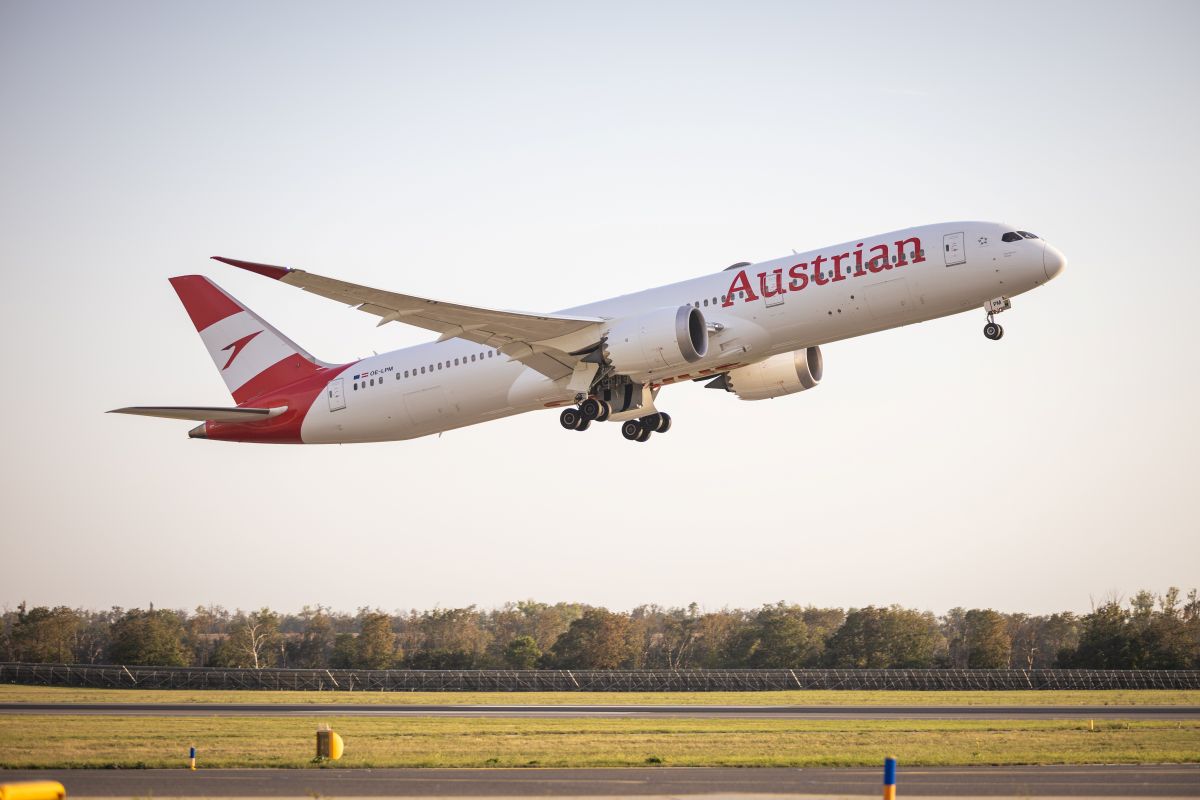
Austrian Airlines Prepares for Aviation Future With New Destinations, Fleet Streamlining and Smarter Capacity Control as the carrier strengthens its European network while adapting to changing industry conditions. The reason behind this strategy is the airline’s focus on improving connectivity, reducing operational complexity and managing rising costs through smarter planning. With New Destinations added across Europe, Austrian Airlines is expanding travel opportunities while maintaining flexibility in a competitive aviation market. Through Fleet Streamlining, the airline is moving towards a simplified aircraft structure featuring Boeing 787 and Airbus A320 family operations by 2028. At the same time, Smarter Capacity Control is helping the carrier adjust schedules according to demand, fuel prices and market conditions. As Austrian Airlines Prepares for Aviation Future, the airline is combining growth, efficiency and strategic partnerships to strengthen its position within the Lufthansa Group and European aviation landscape.
How Is Austrian Airlines Expanding Its European Network With New Destinations?
Austrian Airlines began summer 2026 with strong network momentum by introducing seven new European destinations. The expansion reflects the airline’s continued focus on strengthening connectivity and identifying new market opportunities.
During the interview, Sven explained:
“We had a good start into summer 2026. So we started seven new destinations in the European network.”
Advertisement
Advertisement
Some routes have already started, while others are being introduced throughout the summer season.
“Some of them already started, some yet to start during the summer season.”
Advertisement
Advertisement
The airline continues searching for additional opportunities within Europe.
“There’s some growth opportunities also from our side. A few spots that are still missing in our network.”
This approach allows Austrian Airlines to respond to passenger demand while maintaining flexibility across its European operations.
What Is Austrian Airlines’ Fleet Strategy for 2028?
Austrian Airlines is simplifying its aircraft operations by moving towards a more streamlined fleet structure.
The airline previously operated multiple aircraft families, creating additional operational complexity.
Sven explained:
Advertisement
Advertisement
“We used to have five fleets in our operation.”
The goal is to reduce this structure to two main aircraft families by 2028.
“The goal is to have fleet of two families basically by 2028.”
The planned structure includes:
| Flight Type | Future Aircraft |
|---|---|
| Long-haul operations | Boeing 787 |
| Short and medium-haul operations | Airbus A320 family |
Sven explained:
“On the wide body side just have Boeing 787s and on the narrow body side just flying the Airbus A320 family.”
Advertisement
Advertisement
This strategy is designed to improve efficiency, simplify operations and support better cost management.
How Do Lufthansa Group and Star Alliance Partnerships Support Austrian Airlines?
Austrian Airlines benefits from its integration within the wider Lufthansa Group network and its membership in Star Alliance.
Sven highlighted the importance of these relationships.
“We are deeply integrated into Lufthansa Group.”
The airline also works closely with Star Alliance partners.
“We are having close cooperation with our Star Alliance partners.”
Advertisement
Advertisement
These partnerships support:
- broader passenger connectivity;
- improved transfer options;
- coordinated network planning;
- access to additional markets.
Through Vienna, Austrian Airlines connects European destinations with wider international routes.
The cooperation model allows the airline to remain competitive by combining its own network strengths with the global reach of its partners.
How Are Fuel Prices Influencing Austrian Airlines’ Growth Plans?
Fuel costs remain one of the biggest challenges affecting airlines worldwide. Austrian Airlines is responding by maintaining flexibility in its planning approach.
Sven explained:
“The situation is so dynamic… with crisis across the globe and everything and the fuel prices, we have to be flexible.”
Advertisement
Advertisement
Fuel remains a major expense for the airline industry.
“Fuel prices are the largest cost item we have.”
Because of this pressure, Austrian Airlines continues adjusting capacity when required.
“We have to control and that’s why we’re actively adjusting also capacity when needed.”
The airline is balancing network expansion with careful financial management.
How Is Austrian Airlines Reducing Fuel Risk Through Hedging?
Austrian Airlines is using fuel hedging measures through Lufthansa Group to reduce exposure to market volatility.
Advertisement
Advertisement
Sven explained:
“Lufthansa has secured 80% of the fuel consumption for 2026.”
This means most fuel requirements are protected from short-term price movements.
However, the remaining exposure is still significant.
“The exposure is 20%. That might sound low but actually it’s still a significant amount of money we’re talking about.”
The strategy provides greater stability while allowing the airline to continue monitoring fuel market developments.
Advertisement
Advertisement
Sven added:
“I think from the positioning we’re better prepared than most of our competitors.”
How Is Austrian Airlines Managing Changing European Market Conditions?
European aviation markets continue evolving due to competition, demand changes and pricing pressures.
Sven explained that adjustments depend on individual markets.
“It’s really depending on a market-by-market perspective.”
Vienna has experienced changes, particularly around low-cost airline competition.
Advertisement
Advertisement
“There has been a lot of change in Vienna in terms of low-cost shares we have seen in that market.”
The airline is monitoring how passengers respond to changing prices and capacity decisions.
“We really have to closely monitor how much increase passengers really are accepting.”
This approach allows Austrian Airlines to adjust according to market behaviour.
Frequently Asked Questions
How many new destinations did Austrian Airlines add for summer 2026?
Austrian Airlines introduced seven new destinations within its European network.
What aircraft will Austrian Airlines operate by 2028?
The airline plans to operate Boeing 787 aircraft for long-haul flights and Airbus A320 family aircraft for short and medium-haul services.
Advertisement
Advertisement
Which aviation group is Austrian Airlines part of?
Austrian Airlines is part of Lufthansa Group and works closely with Star Alliance partners.
How is Austrian Airlines managing fuel prices?
The airline is using fuel hedging, fleet modernisation and capacity adjustments to manage costs.
Why is Austrian Airlines simplifying its fleet?
Fleet simplification helps improve operational efficiency and reduce complexity.
Conclusion
Austrian Airlines Prepares for Aviation Future With New Destinations, Fleet Streamlining and Smarter Capacity Control by balancing expansion opportunities with operational efficiency and cost management. The cause behind this transformation is the changing aviation environment, where airlines must manage fuel pressures, evolving passenger demand and increasing competition. The answer lies in Austrian Airlines’ approach of combining New Destinations with a simplified Fleet Streamlining strategy and Smarter Capacity Control. Through seven European network additions, closer Lufthansa Group integration and future Boeing 787 and Airbus A320 family operations, the carrier is building a more flexible aviation model. As Austrian Airlines Prepares for Aviation Future, it continues focusing on connectivity, profitability and sustainable growth. The airline’s strategy demonstrates how modern carriers are adapting through network development, fleet efficiency and data-driven capacity decisions while continuing to connect passengers across Europe and beyond.
Advertisement
