
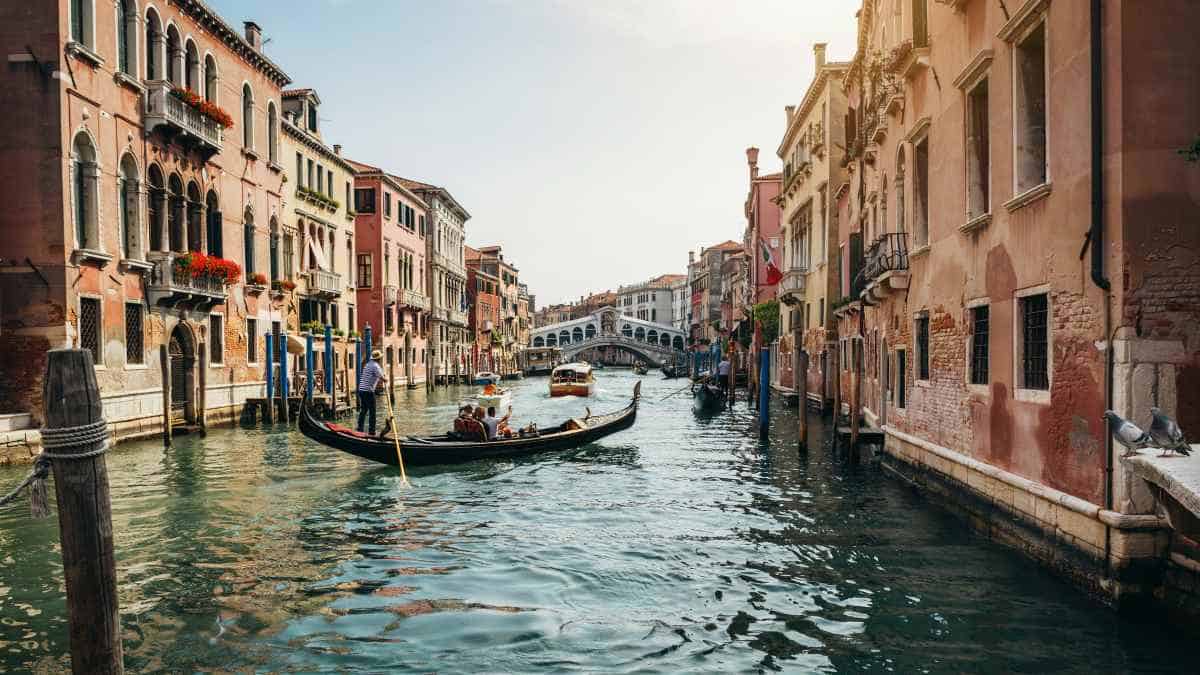
Image generated with Ai
Venice is entering the final phase of its 2026 peak-season day-visitor entry fee programme, marking another milestone in Italy’s efforts to manage overtourism while preserving one of the world’s most celebrated heritage cities. The Contributo di Accesso, which applies to eligible day visitors entering the historic city between 8:30 a.m. and 4:00 p.m., is approaching its final scheduled days for the 2026 season. The programme requires qualifying visitors to pay an access fee ranging from €5 to €10, depending on when the booking is made. While the measure has generated international debate, it also reflects Venice’s commitment to balancing tourism with the protection of its fragile urban environment, ensuring that millions of visitors can continue enjoying the city responsibly.
The Contributo di Accesso, or access contribution, was introduced to regulate the flow of day-trippers during periods of exceptionally high visitor demand.
Unlike a traditional tourist tax applied to overnight stays, the entry fee specifically targets day visitors who enter Venice’s historic centre without spending the night.
The programme applies during designated peak tourism dates and is now approaching its final scheduled operating days for 2026.
Advertisement
Advertisement
Eligible visitors entering the city between 8:30 a.m. and 4:00 p.m. are required to register and pay the applicable fee unless they qualify for an exemption.
The access contribution varies according to how early visitors complete their booking.
The fee ranges between:
After completing registration, visitors receive a confirmation that may be requested during inspections within the city.
The system is designed primarily to encourage planning while helping local authorities monitor visitor numbers during periods of peak demand.
Venice remains one of Europe’s most visited destinations, attracting millions of tourists each year despite having a relatively small resident population.
The city’s narrow streets, canals, bridges and historic squares often become heavily congested during holidays and weekends.
The access fee programme aims to:
Rather than limiting tourism altogether, the initiative seeks to distribute visitor numbers more sustainably throughout the year.
One important feature of the programme is that it primarily affects day visitors.
Travellers staying overnight in hotels, guesthouses or other registered accommodation within Venice generally pay the city’s existing accommodation tax and are therefore not required to pay the separate day-visitor access contribution, provided they comply with the applicable registration requirements.
This distinction encourages longer stays, which often generate greater economic benefits for local businesses while reducing the rapid turnover associated with day-trip tourism.
Despite the access fee, Venice remains fully open to international visitors.
Tourists continue enjoying world-famous attractions including:
Restaurants, museums, art galleries, luxury hotels and cultural events continue welcoming visitors throughout the season.
The entry fee simply forms part of the city’s broader visitor management strategy rather than restricting tourism itself.
Venice has become one of the world’s most closely watched destinations in the global discussion surrounding overtourism.
City authorities have introduced several measures in recent years aimed at balancing tourism with the preservation of local communities and heritage.
These initiatives include:
Many destinations experiencing similar tourism pressures are observing Venice’s approach as they consider their own long-term visitor management strategies.
Visitors planning a day trip to Venice during the remaining fee period should prepare in advance.
Recommended steps include:
Planning helps ensure a smoother visit while avoiding potential penalties for non-compliance.
While Venice attracts considerable attention because of its visitor management policies, Italy as a whole remains one of the world’s leading tourism destinations.
From the historic streets of Rome and the art treasures of Florence to the lakes of northern Italy, the Amalfi Coast, Sicily and the Dolomites, travellers continue to enjoy an extraordinary range of cultural and natural attractions.
Venice’s access contribution reflects a broader commitment to ensuring these destinations remain sustainable and enjoyable for future generations.
1. Who must pay Venice’s day-visitor entry fee?
Eligible day visitors entering Venice’s historic centre during designated peak dates between 8:30 a.m. and 4:00 p.m. must pay the access contribution unless they qualify for an exemption.
2. How much is the fee?
The fee ranges from €5 to €10, depending on when the booking is made.
3. Does the fee affect overnight tourists?
Generally, overnight visitors staying in registered accommodation are covered under the city’s existing accommodation tax system and follow separate registration requirements rather than paying the day-visitor access fee.
As Venice’s 2026 peak-season day-visitor entry fee programme approaches its conclusion, the city once again demonstrates its determination to balance tourism with the preservation of one of the world’s most treasured historic destinations. Rather than discouraging visitors, the Contributo di Accesso encourages responsible travel, advance planning and more sustainable visitor flows during the busiest periods of the year. With its iconic canals, magnificent architecture, rich cultural heritage and timeless charm, Venice remains one of Italy’s most captivating destinations. For travellers, understanding the access rules before arrival ensures a seamless experience while supporting the long-term conservation of a city that continues to inspire millions from around the world.
Advertisement
Advertisement
Advertisement













Saturday, September 5, 2026

Friday, September 4, 2026

Saturday, September 5, 2026

Saturday, September 5, 2026

Thursday, September 3, 2026

Wednesday, September 2, 2026

Saturday, September 5, 2026

Saturday, September 5, 2026


