
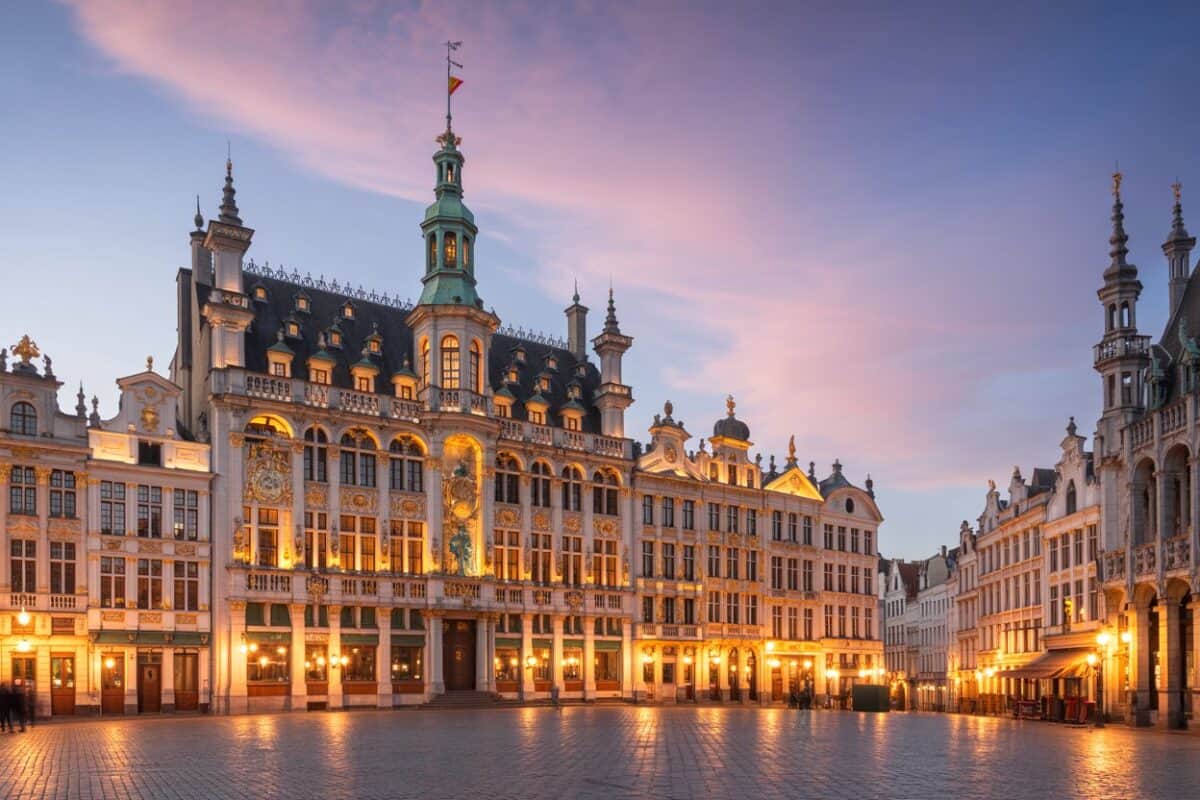
Image generated with Ai
Belgium and Luxembourg continue to play important roles in European tourism, but recent visitor trends show that travellers are changing the way they explore these neighbouring destinations. Improved transport links, high-speed rail networks and close proximity to several major European countries are encouraging more frequent short-duration trips rather than extended holidays.
According to Statistics Belgium (Statbel), STATEC Luxembourg, and Eurostat, tourism patterns across the Benelux region continue evolving as travellers increasingly combine multiple countries within a single journey. Instead of spending a week in one destination, many visitors now divide their holidays between several neighbouring countries connected by efficient transport infrastructure.
Advertisement
This shift reflects broader changes in European travel behaviour, where flexibility, convenience and regional accessibility are becoming increasingly important.
Belgium’s central location within Western Europe has made it one of the continent’s most accessible tourism destinations.
Advertisement
Advertisement
Bordering France, the Netherlands, Germany and Luxembourg, Belgium benefits from extensive rail, road and air connections that allow visitors to travel easily between major European cities.
According to Statbel, international tourism remains an important contributor to the Belgian economy, particularly in cities such as Brussels, Bruges, Ghent and Antwerp.
However, official tourism data indicates that many visitors are now choosing shorter stays. Improved transport infrastructure allows travellers to visit Belgium for weekend city breaks, business meetings or quick cultural holidays before continuing to neighbouring destinations.
This trend has strengthened Belgium’s position as a key stop within wider European travel itineraries.
Advertisement
Advertisement
Luxembourg continues attracting international visitors through its historic cities, financial importance, cultural heritage and scenic countryside.
According to STATEC Luxembourg, the country’s official statistical office, tourism remains an important economic sector despite recent modest fluctuations in visitor volumes.
Recent tourism statistics indicate that Luxembourg has experienced a slight decline in overall tourism demand, with visitor numbers decreasing by approximately 2.4% compared with previous reporting periods.
Despite this moderate decline, Luxembourg continues investing in tourism development while promoting its castles, museums, UNESCO World Heritage sites, wine regions and outdoor experiences.
Government tourism authorities continue encouraging sustainable visitor growth and improving destination competitiveness.
Modern travellers increasingly favour flexibility over lengthy holidays.
The availability of high-speed rail services, affordable flights and efficient public transport has made short city breaks significantly easier throughout Europe.
Many visitors now combine destinations such as Brussels, Paris, Amsterdam and Luxembourg City within a single itinerary rather than spending several days in one location.
This travel pattern allows tourists to experience multiple cultures, cuisines and attractions while making efficient use of transport networks.
Government tourism organisations continue adapting promotional strategies to attract both weekend visitors and longer-stay travellers.
Both Belgium and Luxembourg continue strengthening tourism through national development strategies.
The Belgian Federal Public Service Economy and regional tourism organisations continue supporting destination promotion, heritage conservation and sustainable visitor experiences.
Similarly, the Luxembourg Ministry of the Economy and Luxembourg for Tourism promote cultural tourism, outdoor recreation and responsible destination development throughout the country.
Government initiatives encourage visitors to explore destinations beyond the busiest city centres while supporting local businesses and preserving historic landmarks.
These policies aim to balance tourism growth with long-term sustainability.
Although travel patterns continue evolving, tourism remains an important contributor to both economies.
Hotels, restaurants, museums, transport providers, conference venues and retail businesses continue benefiting from international visitors throughout the year.
Business tourism also plays a significant role, particularly in Brussels and Luxembourg City, where European institutions, multinational companies and international organisations generate consistent visitor demand.
Shorter visits may reduce average lengths of stay, but frequent travel continues supporting economic activity across accommodation, hospitality and transport sectors.
This diversified tourism model helps strengthen resilience throughout the visitor economy.
Travellers can help maximise the positive impact of tourism by making responsible travel choices.
Extending stays by an extra night, supporting locally owned restaurants and businesses, using public transportation and visiting cultural attractions all contribute to local economies.
Exploring destinations outside peak travel periods also helps reduce congestion while creating more enjoyable visitor experiences.
Government tourism agencies continue encouraging responsible travel practices that preserve cultural heritage while supporting communities across both countries.
These efforts contribute to sustainable tourism development throughout the region.
Belgium and Luxembourg demonstrate how tourism continues evolving in response to changing traveller behaviour. Improved transport connectivity, flexible travel planning and growing interest in multi-country itineraries are encouraging shorter but more frequent visits across the region.
While Belgium continues benefiting from its strategic location at the heart of Europe, Luxembourg remains focused on strengthening its tourism competitiveness despite modest fluctuations in visitor numbers.
Supported by government tourism strategies, sustainable destination development and strong international connectivity, both countries remain important gateways for travellers exploring Western Europe. Their ability to adapt to changing travel preferences will continue shaping their role within Europe’s dynamic tourism landscape.
Advertisement
Advertisement
Advertisement













Friday, September 4, 2026

Friday, September 4, 2026

Friday, September 4, 2026

Friday, September 4, 2026

Thursday, September 3, 2026

Wednesday, September 2, 2026

Friday, September 4, 2026



