
Seychelles Redefines Travel As Aviation Becomes The New Luxury Advantage in 2026

Published
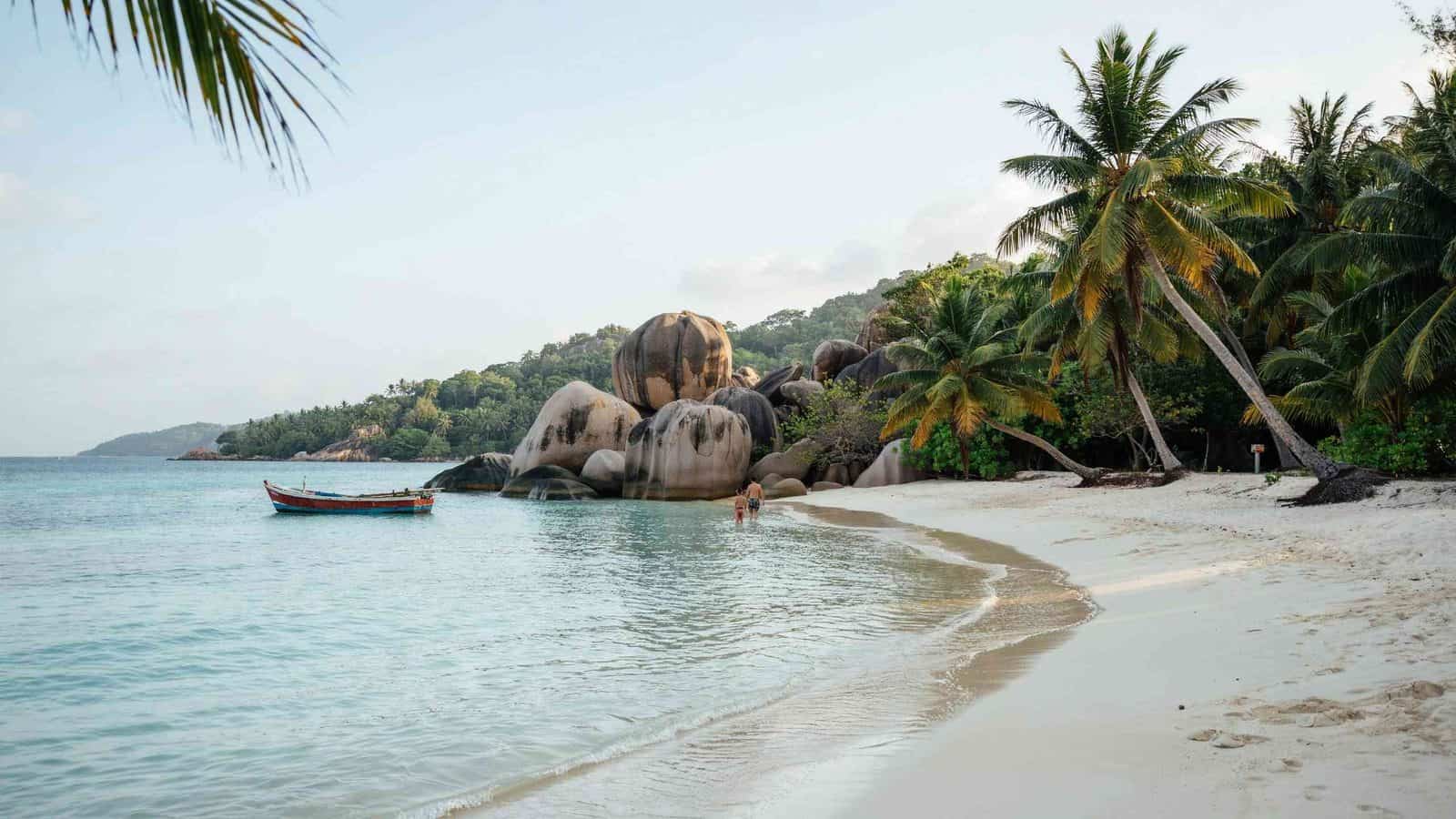
Image Credit: Seychelles Tourism
VICHERES, Seychelles – By 2026, international air connections will take precedence over international land and sea connections for Seychelles’ tourism development strategy. Seychelles will then be in a position to exploit another of its comparative advantage.
2026 helped potential tourists and the tourism industry’s key stakeholders recognize and understand that without better air connections to and from Seychelles, the industry will struggle to compete. Up to 60% of Seychelles’ visitors utilize one of the UAE’s air transport hubs. Consequently, the UAE’s air transport activities will primarily control and determine the level of tourism activities for Seychelles.
Better air links will allow Seychelles to provide and sustain international tourism activities for a greater number of visitors. The case study of Seychelles has demonstrated to other small island developing states how air transport activities can facilitate and promote international tourism.
Advertisement
Advertisement
Better air transport activities will ultimately determine the level of international tourism activities for small island developing states. Tourism to extremely remote destinations will only remain a dream if there are no air links.
The New Luxury Travel Formula Seychelles Is Building Beyond Beaches And Resorts
For decades, Seychelles has represented the ultimate island fantasy.
Advertisement
Advertisement
The destination is famous for its white-sand beaches, turquoise waters, protected natural landscapes and exclusive hospitality experiences.
However, the tourism industry is changing.
Modern travellers are not only looking for beautiful destinations.
They are searching for destinations that are easy to reach, dependable and connected.
This shift is creating a new definition of luxury.
Luxury is no longer only about staying in a private villa or discovering untouched landscapes.
Advertisement
Advertisement
Luxury is also about convenience.
It means:
- Smooth flight connections
- Reliable airline schedules
- Flexible travel options
- Reduced uncertainty
- Confidence before departure
Seychelles’ recent experience demonstrates why aviation has become a central part of tourism strategy.
The country’s natural attractions remain unchanged.
Its hotels continue operating.
Its tourism experiences remain highly competitive.
Advertisement
Advertisement
But when aviation networks face disruption, even the world’s most desirable destinations can experience immediate pressure.
This creates a powerful lesson for global tourism.
A destination cannot depend only on demand.
It must also protect access.
Seychelles Shows Why Airports Are Becoming The New Tourism Infrastructure
Traditional tourism planning focused heavily on physical attractions.
Governments and tourism organisations invested in:
Advertisement
Advertisement
- Hotels
- Beaches
- Attractions
- Visitor facilities
- Cultural experiences
However, the modern tourism economy requires another essential layer.
Connectivity.
Airports and airlines are becoming strategic tourism infrastructure.
For island nations, this importance is even greater.
Unlike continental destinations, islands cannot depend on road or rail connections from neighbouring countries.
Their gateway to the world is aviation.
Advertisement
Advertisement
Seychelles’ tourism performance highlights this reality.
The country has built strong aviation relationships over decades, especially through major Gulf hubs.
These connections helped transform Seychelles into a globally recognised luxury destination.
Travellers from Europe, Asia and other regions could easily reach the islands through international transfer points.
However, the same model also created dependence.
When aviation disruptions affected major routes, Seychelles experienced the impact quickly.
Advertisement
Advertisement
The lesson is not that international hubs are a weakness.
They remain essential partners.
The lesson is that tourism resilience requires more options.
The Hidden Tourism Battle Others Are Missing Is Happening Above The Clouds
The biggest story behind Seychelles tourism in 2026 is not simply about visitor numbers.
It is about the invisible network that brings visitors to the islands.
Every international traveller represents a chain of connections.
Advertisement
Advertisement
A holiday begins with:
- An airline schedule
- Airport operations
- Airspace availability
- Transfer reliability
- Destination accessibility
If one part of this chain breaks, tourism demand can be affected.
This is why Seychelles’ aviation strategy has become a major part of its tourism future.
The country has focused on maintaining international links while exploring greater diversification.
During periods of aviation pressure, Air Seychelles introduced temporary direct services to key European markets.
Additional airline activity from international carriers helped strengthen access.
Advertisement
Advertisement
These developments demonstrate a wider trend.
Airlines are no longer only transport companies.
They are tourism growth partners.
A new route can influence:
- Hotel demand
- Visitor spending
- Business confidence
- Investment decisions
- Seasonal tourism patterns
For destinations like Seychelles, aviation partnerships are economic partnerships.
Seychelles’ Tourism Strategy Moves From Visitor Numbers To Visitor Value
Another major transformation in Seychelles tourism is the move away from measuring success only through arrival growth.
Advertisement
Advertisement
The country is increasingly focusing on high-value tourism.
This strategy prioritises:
- Premium travellers
- Longer stays
- Sustainable experiences
- Higher tourism spending
The shift is important because small island destinations face natural limits.
Seychelles cannot expand endlessly without considering environmental protection and infrastructure capacity.
The islands’ natural beauty is its greatest tourism asset.
Protecting that asset is essential for long-term growth.
Advertisement
Advertisement
The country’s tourism performance in 2026 highlighted this changing approach.
Although visitor numbers faced pressure during aviation disruptions, tourism earnings increased by 4.7% between January and July 2026 compared with the previous period.
This suggests that value-focused tourism can create economic strength even when arrival growth faces challenges.
For global destinations dealing with overtourism concerns, Seychelles offers an alternative model.
Growth does not always mean more visitors.
Sometimes growth means creating greater value from responsible tourism.
Advertisement
Advertisement
Why Seychelles Could Become A Model For Island Destinations Worldwide
Seychelles’ experience has relevance far beyond the Indian Ocean.
Island destinations around the world face similar challenges.
From the Maldives to Caribbean islands and Pacific nations, tourism economies depend heavily on international mobility.
Their challenges include:
- Limited transport options
- Dependence on foreign airlines
- Exposure to global disruptions
- Seasonal travel patterns
Seychelles provides an important example.
The future of island tourism will require a balance between three priorities:
Advertisement
Advertisement
| Tourism Priority | Importance For Island Destinations |
|---|---|
| Strong Air Connectivity | Ensures travellers can reach destinations easily |
| Sustainable Growth | Protects natural assets and local communities |
| Market Diversification | Reduces dependence on limited visitor sources |
This approach creates stronger tourism foundations.
The goal is not simply to recover after every crisis.
The goal is to build systems that can withstand future challenges.
Africa’s Growing Tourism Role Gives Seychelles A New Route To Resilience
One of the most important developments in Seychelles’ tourism story is the growing importance of regional markets.
For many years, Seychelles depended strongly on long-haul visitors, especially from Europe and international aviation hubs in the Middle East.
These markets remain extremely important.
Advertisement
Advertisement
However, the changing global travel environment has highlighted the need for broader tourism foundations.
During the first seven months of 2026, Africa became the only major region recording growth for Seychelles, with visitor arrivals increasing by 9.6%.
This shift creates a new opportunity.
Regional tourism can provide additional stability when long-distance travel faces uncertainty.
The development also reflects a wider transformation across African tourism.
Improved air links, growing middle-class demand and increased interest in regional holidays are reshaping travel patterns across the continent.
Advertisement
Advertisement
For Seychelles, stronger African connectivity offers several advantages:
- Reduced dependence on limited international corridors
- New visitor markets
- Greater regional cooperation
- More balanced tourism growth
The country’s location gives it a unique position.
Seychelles can serve as both a luxury island destination and an important part of the wider African tourism landscape.
This is a major strategic opportunity.
The future of Seychelles tourism may not depend on choosing between global and regional visitors.
It may depend on combining both.
Advertisement
Advertisement
Seychelles Proves That Tourism Success Begins Before Travellers Arrive
The tourism industry often focuses on what happens after a visitor reaches a destination.
Hotels measure occupancy.
Restaurants measure spending.
Attractions measure visitors.
However, Seychelles demonstrates that tourism success begins much earlier.
It begins when a traveller searches for flights.
Advertisement
Advertisement
It begins when an airline decides whether a route is commercially attractive.
It begins when airports maintain reliable operations.
This creates a new tourism equation:
Destination appeal + aviation access = tourism growth potential
Without the second element, even the strongest destination brand can face difficulties.
This reality is especially important as global travel becomes more complex.
Advertisement
Advertisement
Airlines continue adjusting networks based on:
- Demand patterns
- Operating costs
- Regional conditions
- Aircraft availability
- Market opportunities
For island destinations, maintaining strong airline relationships is therefore a continuous process.
Seychelles’ experience shows why tourism authorities must work closely with aviation partners.
The airport and the airline network are now part of the visitor experience.
The Future Of Luxury Tourism Will Be Defined By Confidence And Convenience
Luxury travellers increasingly value time.
They want meaningful experiences, but they also want efficient journeys.
Advertisement
Advertisement
A complicated travel route can influence destination choices.
This is creating a new competitive environment.
Destinations are no longer competing only through attractions.
They are competing through the complete travel journey.
A premium visitor experience includes:
- Easy booking
- Reliable connections
- Comfortable transfers
- Smooth arrival procedures
- High-quality destination services
Seychelles’ strategy reflects this evolution.
Advertisement
Advertisement
The islands continue promoting their natural advantages, but they are also strengthening the systems that make those experiences possible.
This creates a broader lesson for luxury tourism markets.
Exclusivity alone is no longer enough.
The most successful destinations will combine uniqueness with accessibility.
Seychelles’ Aviation Challenge Creates Lessons For Maldives, Mauritius And Other Island Destinations
The Seychelles experience provides a wider warning for island economies.
Beautiful landscapes attract attention.
Advertisement
Advertisement
Reliable connectivity creates sustainable tourism.
This distinction matters.
Many island destinations share similar characteristics:
- Limited domestic transport alternatives
- Dependence on international airlines
- High importance of tourism revenue
- Exposure to global disruptions
Countries and regions such as Maldives, Mauritius, Fiji and Caribbean island nations face comparable strategic questions.
How can they protect tourism when international routes change?
The answer increasingly involves diversification.
Advertisement
Advertisement
A resilient island tourism model requires:
Multiple Aviation Partnerships
Dependence on a single route network can create vulnerability.
Strong Regional Connections
Nearby markets can provide stability during global disruptions.
Sustainable Visitor Management
Higher-value tourism can support economic growth while protecting natural resources.
Flexible Crisis Planning
Tourism authorities need rapid response systems.
Seychelles’ experience demonstrates that resilience must be designed before a crisis happens.
Advertisement
Advertisement
Tourism Data Reveals A Destination Adapting Instead Of Simply Recovering
The latest Seychelles tourism figures show a destination adjusting to a changing environment.
Visitor arrivals in August 2026 increased 14.1% year-on-year to 34,987 travellers.
During the first eight months of 2026, arrivals were:
| Period | Tourism Performance |
|---|---|
| August 2026 | 34,987 visitors |
| August annual change | +14.1% compared with August 2025 |
| January-August 2026 compared with 2024 | +1.2% |
| January-August 2026 compared with record 2025 | -8.3% |
These figures reveal an important pattern.
Seychelles is not experiencing a simple return to previous records.
The destination is entering a different tourism cycle.
Advertisement
Advertisement
The focus is shifting towards:
- Resilience
- Higher visitor value
- Stronger connectivity
- Wider market opportunities
This approach may become increasingly important as destinations worldwide deal with changing aviation networks and unpredictable travel conditions.
Travel Analytics Seychelles Shows Why Connectivity Will Shape The Next Decade Of Tourism
From a travel analytics perspective, Seychelles represents a major case study in destination management.
The data points towards three major conclusions.
1. Aviation Access Is A Tourism Growth Driver
A destination’s attractiveness cannot translate into arrivals without reliable transport links.
Air routes influence demand.
Advertisement
Advertisement
2. Premium Tourism Creates Economic Stability
Higher spending visitors can generate stronger economic results even when total arrivals fluctuate.
This supports controlled tourism development.
3. Diversification Reduces Tourism Risk
A destination connected to multiple markets has greater flexibility during disruptions.
For Seychelles, future tourism success will likely depend on maintaining its traditional strengths while expanding new opportunities.
The islands do not need to abandon existing aviation partnerships.
Instead, they need a broader network.
Advertisement
Advertisement
The future strategy is not replacement.
It is resilience.
Editorial Perspective Seychelles Has Turned A Flight Problem Into A Global Tourism Lesson
One of the best illustrations of the limits of connectivity on tourism potential can be seen in the case of the Seychelles.
While there are many reasons that can explain the success or failure of a tourism industry, the case of the Seychelles suggests that the most important reason that can dictate the success of a tourism industry is how connected a country is.
As stated above, there are many reasons that can contribute to a successful tourism industry, and the Seychelles is endowed with many of them. For example, Seychelles is well known for its beautiful beaches, and is biologically one of the most diverse territories in the world. Furthermore, the hotels located on the numerous small islands that make up the territory, are of high quality.
The Seychelles also has strong brand recognition in the Indian Ocean.
Advertisement
Advertisement
In addition, the Seychelles has recently become more connected in the Indian Ocean, and has started investing in air routes instead of hotel projects.
In the case of tourism, the country can benefit most from being the only country in the region that has air connections.
Bringing more connections to a country can be the fastest way to develop the tourism industry of a country. Most people would agree that some of the world’s most beautiful places should be prioritized for improved connections.
Advertisement
