
Bhutan Quietly Unveils A Stunning Billion Dollar Ecosystem Secret That Forever Transforms Modern Travel

Published
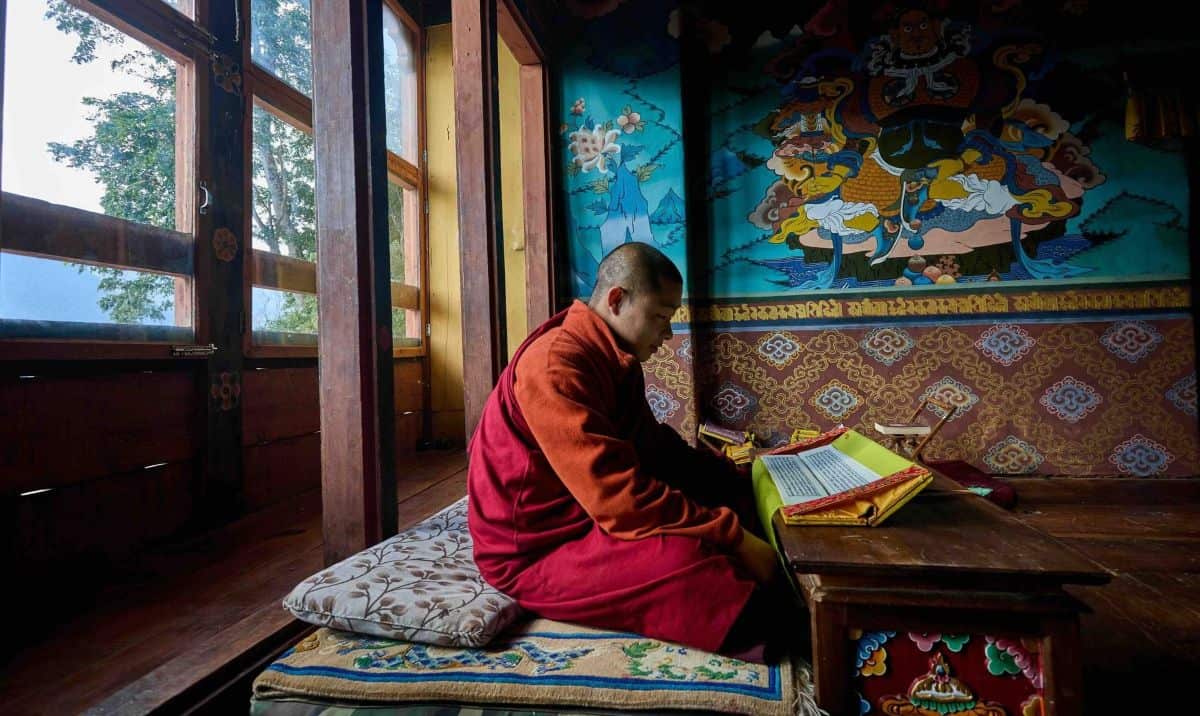
Image Credit bhutan.travel
A nation that valuates a river and evergreen trees, for example, in monetary and banking systems, has innovative improved its economy. It has creatively transformed its financial sector. The introduction of such policies in other economies will globally improve the financial system. In such a nation, money can’t buy some things. For improvement to be deemed worthwhile, the protection of wild animals should be at the expense of social and economic development. This shows wild things and wild places are more valuable than human structures. The wild is more valuable than human settlement. Cultivation of this mentality positively alters the global financial system and adversely affects some nations and international businesses (for example, international trade and tourism).
Future Policy Integration, Climate Resilience Planning, and the Evolution of Sustainable Global Journeys That Reshape the Modern Travel Sector
Looking toward the horizon of international environmental policy, regional authorities revealed that Bhutan plans to continuously expand its ecological accounting coverage as technical capabilities and statistical data mature over the coming years. Furthermore, international analysts noted that this forward-thinking strategy implemented within Bhutan will profoundly influence global investment decisions, green finance initiatives, and advanced climate-resilience planning across multiple continents. For the worldwide travel community, this monumental policy shift means that future vacations will increasingly revolve around low-impact adventures, carbon-neutral lodgings, and educational eco-tours that deeply respect nature’s economic value. In conclusion, as Bhutan continues to lead the international movement toward holistic environmental accountability, global travelers will find themselves stepping into a more mindful era of exploration where preserving the planet is viewed as the ultimate travel luxury.
Advertisement
Advertisement
Within this evolving operational landscape, tourism operators across various emerging eco-destinations are actively re-evaluating their service offerings to align with these rigorous nature-valuation standards. Moreover, travelers can anticipate the rollout of specialized conservation levies and regional carbon-offset programs designed to directly support local indigenous communities who act as frontline stewards of biodiversity. Therefore, rather than viewing these environmental regulations as bureaucratic hurdles, discerning tourists are embracing them as essential mechanisms that safeguard the authentic charm, pristine air quality, and untouched wilderness of remote getaways. Ultimately, the integration of these green financial tools ensures that future generations of globetrotters will continue to experience awe-inspiring landscapes without contributing to ecological degradation.
Exploring the Comprehensive Mechanics of Gross Ecosystem Product and Its Profound Significance for Global Eco-Tourism and Hospitality
Advertisement
Advertisement
Analyzing the intricate structural composition of this novel framework, environmental economists explained that Gross Ecosystem Product fundamentally evaluates the tangible financial contributions provided by nature, including carbon sequestration, clean water regulation, and breathtaking recreational landscapes. Additionally, official reports confirmed that this initiative was intentionally designed to complement traditional economic metrics like Gross Domestic Product and the renowned national philosophy of Gross National Happiness in Bhutan, rather than supplanting them entirely. From a global travel perspective, this comprehensive accounting method empowers progressive tourism operators in Bhutan to design hyper-sustainable itineraries that actively protect vital biodiversity hotspots and endangered wildlife habitats. Ultimately, global tourists will witness a definitive shift toward regenerative travel models where regional tourism economies directly reward local communities for maintaining pristine forests, healthy soils, and vibrant wildlife corridors.
Expanding further upon these practical applications, hospitality providers are discovering that adopting nature-positive metrics significantly enhances their appeal to high-value, conscientious travelers who prioritize environmental integrity over conventional luxury. By accurately quantifying the economic value of clean air, unpolluted rivers, and lush green cover, regional tourism boards can better manage visitor carrying capacities and prevent the ecological degradation often associated with overtourism. Consequently, this meticulous approach fosters a harmonious balance between economic growth and environmental stewardship, setting a stellar benchmark that other tourism-dependent nations will undoubtedly strive to emulate in the near future. As a result, eco-tourism is transforming from a niche market segment into the dominant philosophy driving global travel and hospitality standards worldwide.
The Extraordinary Economic Valuation of Nature and Its Direct Global Repercussions for Conscious Travelers Navigating International Destinations
Within the fast-evolving global environmental landscape, industry observers noted that Bhutan had officially calculated the worth of its natural assets for the year 2024 at an astounding US$6.2 billion, a figure that remarkably stands at roughly twice the scale of its traditional Gross Domestic Product. Moreover, it was widely reported that Bhutan introduced this revolutionary tracking mechanism during a high-profile international gathering in New York, emphasizing that Bhutan views its sprawling forests, rushing rivers, and majestic mountain ranges as core pillars of long-term economic survival. For international vacationers, this unprecedented valuation means that global tourism destinations will likely face stricter ecological boundaries, higher preservation fees, and more rigorous sustainability mandates in the coming years. Consequently, travelers exploring Bhutan and other pioneering regions can expect a deeper commitment to eco-friendly infrastructure, ensuring that every journey actively contributes to the preservation of fragile local habitats rather than depleting them.
Delving deeper into these widespread international ramifications, travel industry experts predict that the mainstream adoption of nature-valuation frameworks will fundamentally alter how tour packages are priced, marketed, and executed globally. When destinations accurately account for the cost of ecosystem services, elements like waste management, renewable energy utilization, and wildlife protection become baked into the baseline cost of tourism operations. Therefore, conscious travelers are increasingly willing to pay premium prices, knowing with absolute certainty that their financial contributions directly support habitat restoration, species conservation, and fair-wage employment for local residents. This transparent economic symbiosis between travelers and host ecosystems ultimately guarantees a sustainable future where global exploration and environmental preservation mutually reinforce one another on a global scale.
Analyzing the Carbon-Negative Economy and Its Powerful Direct Impact on High-Value and Low-Volume International Tourism Metrics
Advertisement
Advertisement
Within the mountainous landscapes of Bhutan, environmental accounting reveals a remarkable ecological reality where the nation absorbs over 9 million metric tonnes of carbon dioxide every single year while emitting roughly 2.5 million tonnes. This exceptional environmental balance maintains a strict net-negative carbon profile that serves as the foundational anchor for the country’s distinctive and highly protective tourism strategy. Furthermore, this atmospheric advantage directly influences global travel policies, most notably illustrated by the mandatory US$65 daily Sustainable Development Fee levied on visiting international explorers. Consequently, this financial mechanism ensures that every foreign tourist arriving in Bhutan contributes directly to vital carbon-sink preservation, regional offset management, and long-term environmental protection without straining fragile local ecosystems.
Expanding further upon these economic frameworks, tourism boards note that framing travel around carbon-negative metrics attracts a discerning tier of conscientious global adventurers who deeply respect ecological limits. Rather than encouraging unregulated mass tourism that degrades wilderness areas, regional authorities utilize these precise emissions figures to curate exclusive travel experiences that prioritize ecological integrity. Therefore, international visitors paying the daily conservation levy recognize that their financial investment directly safeguards the sweeping forests and pristine alpine air that make Bhutan an unrivaled global sanctuary. Ultimately, this pioneering model proves that economic prosperity and aggressive carbon management can coexist harmoniously within the modern travel sector.
Harnessing Renewable Hydropower Reserves and Pristine River Basin Valuations Within Regional Clean Energy Tourism Operations
Across the rugged river valleys of Bhutan, renewable water systems and glacial river basins generate over 30% of national revenues through clean energy exports and advanced freshwater filtration services valued in the multi-billions. This vast hydrological wealth provides an extraordinary foundation for eco-resorts and adventure travel operators looking to leverage clean river ecosystems for immersive guest activities. Travelers arriving in regions like Thimphu and Paro can engage in sustainable whitewater rafting, world-class fly-fishing, and low-impact outdoor excursions knowing that their accommodations are powered entirely by zero-emission hydroelectric grids. Consequently, the meticulous valuation of these river basins ensures that aquatic ecosystems remain pristine, unpolluted, and fully protected from industrial exploitation.
Delving deeper into the operational mechanics of clean energy tourism, hospitality providers within Bhutan actively integrate zero-emission technologies to align their daily services with national natural capital accounting standards. By relying strictly on hydroelectric power and natural water filtration systems, these eco-lodges minimize their operational footprint while offering guests an authentic, guilt-free wilderness retreat. International travel analysts emphasize that this proactive approach sets an inspiring benchmark for global hospitality brands seeking to transition away from fossil fuels. Ultimately, the careful monetary valuation of these river systems guarantees that future generations of travelers will continue to enjoy clean waterways and breathtaking aquatic landscapes across every corner of Bhutan.
Preserving Critical Biodiversity Hotspots and Expanding Protected Areas for Wildlife Tourism Conservation and Ecological Defense
Advertisement
Advertisement
Within the sovereign borders of Bhutan, over 42.7% of the total land area—spanning an impressive 16,396 square kilometers—is strictly designated across 5 national parks, 4 wildlife sanctuaries, and 1 nature reserve. This vast network of protected territory serves as a vital ecological shield, safeguarding endangered species such as the elusive snow leopard and the majestic Bengal tiger within their natural habitats. By integrating Gross Ecosystem Product tracking into national planning, regional authorities ensure that wildlife safaris and ecotourism initiatives operate strictly as protective buffers against poaching and habitat fragmentation. Therefore, international wildlife enthusiasts visiting Bhutan can witness rare fauna thriving in undisturbed ecosystems while directly supporting local conservation rangers through specialized park entrance fees.
Furthermore, this deliberate focus on biodiversity preservation transforms traditional wildlife tourism into an active tool for environmental restoration and scientific research. Tour operators work hand in hand with regional conservationists to educate international travelers on the importance of maintaining unbroken wildlife corridors across varying elevations. Consequently, foreign visitors gain a profound appreciation for how careful land management prevents human-wildlife conflict and preserves genetic diversity among endangered populations. Ultimately, this harmonious coexistence between thriving animal populations and responsible tourism positions Bhutan as an absolute global leader in sustainable wildlife conservation and ethical wilderness exploration.
Promoting Soil Health, Organic Agriculture, and Immersive Agro-Tourism Experiences for Conscious Culinary Travelers Worldwide
Agricultural policies enacted throughout Bhutan mandate a strict 100% organic farming transition target, successfully eliminating synthetic fertilizers and harmful pesticides across thousands of hectares of terraced mountain farmlands. This nationwide commitment to chemical-free cultivation protects rural soil integrity, prevents groundwater contamination, and preserves indigenous heirloom seed varieties that have sustained local farming communities for generations. For international culinary travelers, this agricultural philosophy opens the door to immersive farm-to-table travel experiences where visitors can participate directly in traditional harvesting methods. Staying in rural homesteads across Bhutan, guests enjoy wholesome, organic meals while learning about sustainable farming practices that honor the natural fertility of the regional landscape.
Expanding upon these community-based agricultural engagements, regional tourism planners have integrated agro-tourism seamlessly into the broader Gross Ecosystem Product framework, assigning tangible economic value to healthy soils and traditional farming knowledge. When international tourists purchase locally grown organic produce and artisanal goods, their spending directly reinforces sustainable land stewardship among smallholder farmers. This economic feedback loop discourages destructive industrial farming methods and encourages rural youth to take pride in their agricultural heritage. Ultimately, culinary exploration within Bhutan evolves beyond simple dining into a meaningful cultural exchange that celebrates soil health, biodiversity, and sustainable food security on a global scale.
Safeguarding Cultural Heritage Assets and Enhancing Community-Based Tourism Economics in Rural Mountain Communities
Advertisement
Advertisement
Traditional architecture, sacred Buddhist monasteries, and intangible cultural heritage assets contribute an estimated US$400 million annually to the rural community livelihoods flourishing across Bhutan. Within the innovative Gross Ecosystem Product accounting model, these non-material ecosystem and cultural services are carefully monetized to ensure that ancient traditions receive the same financial respect as natural resources. For international travelers, this means that community-based village homestays and cultural tours retain their authentic, uncompromised heritage values without succumbing to the pressures of commercialized mass tourism. Visitors engaging with local artisans and attending traditional seasonal festivals experience living history while contributing directly to the financial sustainability of remote mountain settlements.
Moreover, this meticulous approach to cultural preservation empowers indigenous communities to maintain their architectural uniqueness, indigenous weaving arts, and spiritual heritage without external dilution. Regional authorities ensure that the financial proceeds generated from cultural tourism flow directly back into community development projects, local school funding, and monument restoration. Consequently, international travelers exploring the deep valleys of Bhutan become active patrons of living cultural preservation, ensuring that ancient customs continue to thrive in the modern era. Ultimately, this harmonious integration of cultural heritage and economic valuation provides a stellar blueprint for sustainable tourism development across the entire developing world.
Regulating Air Quality and Realigning the Global Wellness Tourism Sector Within Pristine Alpine Environment Retreats
Forest canopy coverage consistently exceeds 72% of the national territory across Bhutan, resulting in ambient particulate matter (PM2.5) levels that remain exceptionally well below World Health Organization maximum thresholds. This remarkable atmospheric purity drives the booming global wellness tourism sector, drawing health-conscious travelers from crowded metropolitan centers to peaceful alpine retreats nestled within Thimphu and Paro. Seeking natural healing microclimates, visitors engage in holistic wellness programs, mountain meditation, and restorative yoga surrounded by untouched pine forests and crystal-clear mountain air. Consequently, the monetary valuation of clean air and forest regulation within the national economic framework ensures that these healing landscapes receive rigorous legislative protection against industrial pollution.
Delving further into the synergy between atmospheric purity and wellness travel, regional hospitality providers curate specialized retreat packages centered around natural detoxification, forest bathing, and mindfulness practices. International guests recognize that the unpolluted air and tranquil acoustic environment are direct results of uncompromising national conservation policies that prioritize ecological health over short-term industrial gains. Therefore, wellness travelers are increasingly willing to invest in extended stays that support these green initiatives while restoring their own physical and mental well-being. Ultimately, Bhutan redefines luxury wellness travel by offering something far more precious than spa amenities—pure, life-sustaining air protected by sovereign ecological accounting.
Implementing Natural Hazard Mitigation, Infrastructure Resilience, and Safe Travel Corridors Across Rugged Mountain Terrains
Advertisement
Advertisement
Intact watershed forests play a critical role in preventing soil erosion, flash floods, and mudslides across a remarkably rugged terrain featuring extreme elevation changes ranging from 100 meters to over 7,500 meters above sea level in Bhutan. By quantifying these essential regulating ecosystem services through advanced natural capital accounting, regional planners can strategically invest in green infrastructure that secures mountain passes, historic trekking trails, and vital tourist transit routes against climate-induced disruptions. For international adventure travelers and mountaineering enthusiasts, this proactive risk mitigation translates into safer, more reliable travel corridors when exploring remote national parks and high-altitude mountain passes. Consequently, visitors can embark on challenging expeditions with greater peace of mind, knowing that the surrounding natural environment is actively managed for safety and resilience.
Furthermore, this scientific approach to hazard reduction protects local communities and tourist infrastructure alike from the escalating threats posed by global climate change. Rather than relying solely on hard civil engineering solutions, regional authorities utilize natural forest buffers and stabilized riverbanks to absorb extreme weather shocks organically. International tourism experts note that this nature-based resilience planning offers a vital lesson for other mountainous destinations grappling with climate instability. Ultimately, the careful economic valuation of regulating ecosystem services in Bhutan proves that protecting natural watersheds is not only an ecological necessity but also an indispensable foundation for safe and sustainable global adventure travel.
Forging Global Green Finance Partnerships and International Climate Fund Allocations for Sustainable Tourism Investments
Collaborative partnerships involving premier academic institutions like Stanford University and philanthropic organizations such as the Enlight Foundation have successfully mobilized multi-million dollar technical grants to support natural capital accounting in Bhutan. These international alliances bridge global financial markets with local conservation projects, creating a highly replicable economic template for developing nations seeking sustainable tourism investments and green infrastructure funding. By translating ecological health into standardized financial metrics, Bhutan attracts foreign green investors who want their capital to yield measurable environmental and social dividends. Consequently, international tourism operators benefit from upgraded, eco-friendly infrastructure funded by global climate grants that preserve the natural beauty travelers cherish.
Expanding upon these cross-border financial mechanisms, institutional green funding ensures that local conservation initiatives remain fully financed even during periods of global economic fluctuation. International visitors participating in eco-tours across Bhutan can take comfort in knowing that their destination is backed by rigorous scientific methodologies and robust global academic partnerships. This transparency fosters deep trust between conscientious travelers and regional tourism authorities, cementing a shared commitment to protecting the planet’s most vulnerable ecosystems. Ultimately, these groundbreaking green finance partnerships demonstrate that global cooperation and local ecological stewardship can successfully transform the future of sustainable travel worldwide.
The Final Verdict
Advertisement
Advertisement
Photos don’t show the magic of Bhutan. Images do not show the reason Bhutan is not like any other country. Photographs can not show why you should experience Bhutan. Those who visit the Kingdom of Bhutan, take inner peace with them. The Himalayas surround the country of inner peace and serenity. Bhutan is not like any other country. The people of the Himalayan Country of Bhutan are passionate and patriotic about their country. The people of the Bhutan are in peace and serenity with nature and wildlife. Bhutan is a country full of variety and of uniqueness of all flora and fauna.
Bhutan is a Living Monastery. The Sayings of the Himalayas are true. Other Himalayan countries are similar in pride of their countries but large scale development of the country can change, improve and raise the status of other countries. One of the many reasons to support Ecotourism is Climate Change. The Change can be seen and felt. It is time to take action to protect Mother Nature. Let us all travel and appreciate our planet and take care of our home as we take care of other homelands. Let us visit places that are not harmed by the negative effect of human beings and let us appreciate the negative effect free places.
Advertisement
