


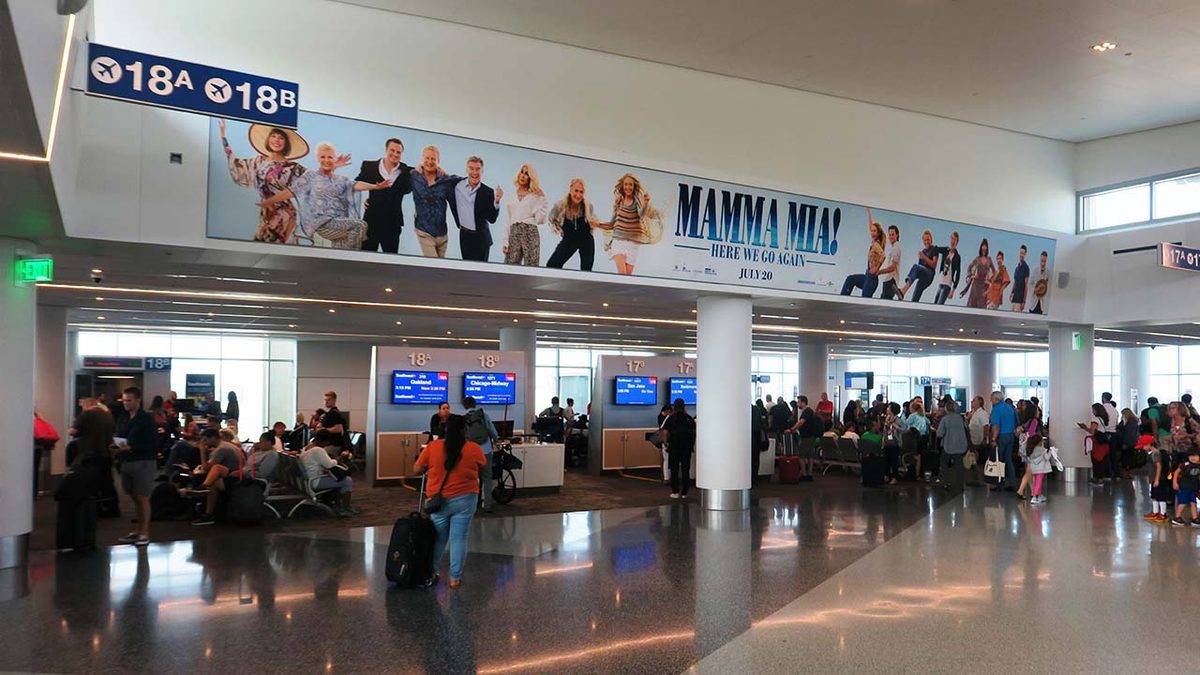
Los Angeles joins Boston as more US cities face huge pressure during Labor Day holiday homecoming, with airports and roads bracing for heavy crowds, delays and a frantic return travel rush. Los Angeles joins Boston as more US cities see huge pressure during the Labor Day holiday week, as millions of travellers begin their homecoming journeys. Meanwhile, airports are preparing for crowded terminals, busy security checkpoints and heavier ground traffic.
The latest TSA figures show just how intense the holiday movement has become. Nearly 10.4 million travellers were screened across US airport security checkpoints over the four-day Labor Day weekend in 2025. Furthermore, Friday recorded almost three million passengers, making it one of TSA’s busiest travel days. As a result, travellers returning home could face longer queues, tighter connections and significant congestion across major US cities
Advertisement
US cities are facing a significant post-Labor Day travel push as millions of Americans make their way home after the final major summer holiday weekend. Airports, highways and transport authorities across the country have been preparing for elevated passenger volumes, heavier road traffic and longer processing times as the holiday period draws to a close.
The scale of the movement is visible in federal aviation data. The Transportation Security Administration recorded about 2.82 million passengers screened at US airport checkpoints on Friday, September 4, making it the busiest day among the reported Labor Day weekend figures. Passenger numbers remained above two million on both Saturday and Sunday, highlighting the sustained pressure on the national aviation network.
Advertisement
Advertisement
For the travel industry, the return journey is particularly important because holiday demand does not disappear when the long weekend ends. Major gateways continue to handle departing leisure travellers, returning residents, connecting passengers and international visitors moving through the country’s largest aviation hubs.
Los Angeles is emerging as one of the most significant pressure points in the Labor Day homecoming travel period, with Los Angeles International Airport preparing for exceptionally heavy passenger activity. Airport officials projected more than 1.9 million passengers at LAX during its extended Labor Day travel period from August 31 through September 9. Friday, September 4, was expected to be particularly busy, with passenger numbers projected at roughly 231,000.
The figures underline the importance of Los Angeles as both a destination and a major transportation gateway. Travellers returning from Southern California holidays are joining passengers connecting through LAX and visitors beginning their journeys home. Road congestion around the airport can add another layer of difficulty, particularly as travellers compete with normal metropolitan traffic. For airlines, airport operators, taxis, rideshare companies and hotels, the post-holiday period therefore remains commercially important even after the main holiday weekend has ended.
Seattle is another major US city experiencing substantial Labor Day travel demand. The Port of Seattle forecast roughly one million travellers moving through Seattle-Tacoma International Airport between September 3 and September 8. Passenger volumes were expected to reach approximately 180,000 on each of September 3, September 4 and September 7, making the airport one of the country’s notable holiday travel pressure points.
Advertisement
Advertisement
Seattle’s position is particularly significant because its transport network serves more than conventional city tourism. The airport is a major gateway to the Pacific Northwest, Alaska and the region’s cruise industry. Holidaymakers returning from Alaska cruises and summer trips are therefore contributing to the homebound passenger flow. The combination of airport traffic, cruise-related movement and metropolitan road travel can create pressure across several parts of the visitor economy. Travellers returning home from Seattle should expect busy terminals, crowded ground transportation and potentially longer journey times, particularly during the busiest travel windows.
Denver remains a major Labor Day travel gateway because of its strategic position between the country’s major population centres and the Rocky Mountain region. Denver International Airport warned travellers to prepare for a busy holiday weekend and advised passengers to allow additional time at the airport. The city’s importance extends beyond Colorado because DIA handles a large volume of connecting traffic across the western and central United States.
The end of the summer holiday season can be especially significant for Denver because travellers who have visited Colorado’s mountain communities, national parks and outdoor attractions must converge on the metropolitan transport network before returning home. Airport traffic is only one part of the picture. Highways connecting Denver with mountain destinations can experience substantial holiday congestion, while rental-car demand and hotel activity remain closely linked to the movement of visitors. For the travel industry, Denver illustrates how a major airport hub can amplify regional tourism demand far beyond the city itself.
Chicago is one of the most important transportation hubs in the United States, making the city particularly exposed to Labor Day return traffic. O’Hare International Airport and Midway International Airport serve domestic leisure travellers, business passengers and connecting traffic from across the country. Chicago also ranks among the leading domestic destinations for the Labor Day travel period, increasing the likelihood of strong passenger flows in both directions.
The homecoming movement is especially relevant at O’Hare because its extensive connecting network means that travellers may pass through Chicago even when the city is not their final destination. A holiday traveller returning from another US destination can therefore contribute to congestion at the airport without having spent the weekend in Chicago itself. Ground transportation can also become more demanding as airport passengers, commuters and returning road-trippers converge. The result is a complex travel environment in which airport processing times, road conditions and connecting schedules can all influence the final journey home.
New York remains one of the leading domestic destinations for the Labor Day travel period, placing its airports and wider transportation system under additional pressure. The metropolitan area is served by John F. Kennedy International Airport, LaGuardia Airport and Newark Liberty International Airport, creating a vast network for domestic and international travellers. The concentration of airports also means that a disruption at one gateway can affect passenger movements across the wider region.
The post-holiday period is particularly demanding because returning travellers are entering one of the country’s busiest metropolitan transport environments. Airport passengers must compete for road space with commuters, commercial traffic and residents returning to the city after the holiday weekend. Airlines also face the operational challenge of managing large numbers of passengers moving through connecting airports. For visitors departing New York, allowing additional time for airport transfers and security processing remains important. The city’s scale means that even relatively short delays can have a wider effect on connecting journeys.
Orlando remains a major Labor Day travel destination, supported by its powerful theme park, entertainment and family-tourism economy. The city attracts visitors from across the United States as well as international markets, making Orlando International Airport an important gateway during holiday periods. As families begin returning home after the long weekend, airport and road traffic can remain elevated beyond the final holiday day.
The nature of Orlando’s tourism market also makes the homecoming period distinctive. Travellers are often moving with children, luggage and rental cars after multi-day stays, while hotel districts and major attractions continue operating at high capacity. The resulting demand extends across airlines, accommodation providers, rental-car companies, restaurants and attractions. Travellers leaving Orlando should therefore consider not only airport security queues but also the time required to return rental vehicles and reach the terminal. For the destination’s tourism economy, the return wave represents the final stage of a broader holiday spending cycle rather than an immediate end to Labor Day demand.
Boston is among the prominent domestic destinations attracting Labor Day travellers, giving the city a significant role in the post-holiday return movement. Boston Logan International Airport serves a broad network of domestic and international routes and is the principal aviation gateway for Massachusetts and much of New England. The airport’s position means that passenger demand can reflect travel from several surrounding states rather than Boston alone.
As visitors leave the city and surrounding New England destinations, the region’s transport network must accommodate both returning holidaymakers and normal early-September activity. This creates potential pressure on airport access roads, public transport and regional highways. Boston’s tourism sector also benefits from strong late-summer demand, meaning hotels, attractions and restaurants can remain busy even as some travellers begin their journeys home. From an airline perspective, the return period is equally important because aircraft and crews must be repositioned for the post-holiday schedule. That makes Boston another key city to watch as the US travel system transitions from summer peak demand towards the autumn season.
Atlanta occupies a unique position in the US Labor Day travel landscape because Hartsfield-Jackson Atlanta International Airport is one of the country’s most important aviation hubs. The airport connects travellers across the United States and international markets, meaning a substantial proportion of its passengers may simply be transferring between flights rather than visiting Atlanta. That makes the city’s post-holiday traffic particularly significant for the wider national aviation system.
When millions of travellers begin returning home after a holiday weekend, major connecting hubs such as Atlanta can experience pressure even when the passengers’ final destinations are elsewhere. Delays, longer security queues and crowded terminals can consequently have a knock-on effect across multiple routes. Atlanta’s road network can also become busy as airport passengers and local travellers return to normal routines. For airlines and airport operators, the city demonstrates why the Labor Day homecoming period is a nationwide operational event rather than a collection of isolated city-level surges.
The US air travel network experienced another record-breaking holiday period as the Transportation Security Administration (TSA) screened nearly 10.4 million travellers at airport security checkpoints between Friday and Monday of the 2025 Labor Day weekend. The figure was about 3.3% higher than the number recorded over the equivalent four-day period in 2024, highlighting the continuing strength of domestic and international air travel demand.
The latest figures underline the enormous scale of passenger movement during one of the final major holiday weekends of the US summer travel season. Airports across the country handled millions of passengers as Americans travelled for leisure, family visits and end-of-summer trips. The surge also placed further attention on the ability of airports, airlines and federal security operations to process exceptionally high passenger volumes efficiently.
The strongest passenger volume was recorded on Friday, August 29, when TSA screened 2,971,217 passengers at security checkpoints across the United States. According to the agency, this was the highest-ever passenger volume recorded for the Friday immediately preceding Labor Day.
The figure also placed August 29 as the 15th busiest single day in TSA’s nearly 24-year history. The agency noted that eight of its ten busiest travel days had occurred since May 23, demonstrating how concentrated the recent increase in US air travel has become.
TSA said the agency was on pace to potentially break its all-time annual passenger volume record, providing further evidence of sustained demand across the US aviation market. For airports and airlines, the trend represents both an opportunity and an operational challenge, as higher passenger numbers require effective coordination across security checkpoints, terminals, baggage operations, aircraft movements and ground transportation.
The Labor Day figures form part of a broader period of exceptionally strong passenger activity. The concentration of record or near-record travel days since late May shows that high-volume travel is no longer limited to a handful of traditional peak dates.
For travellers, these volumes can translate into longer queues and greater pressure at major airports, particularly during morning departure periods and other high-demand windows. Airports must simultaneously maintain security procedures while moving passengers efficiently through increasingly busy terminals.
The TSA has emphasised that its security responsibilities remain unchanged even as passenger numbers rise. The agency said it is working closely with aviation industry partners to respond to growing demand while maintaining its security posture.
The Labor Day travel period also followed several changes introduced by TSA during the summer. One of the most notable was the end of the agency’s domestic “Shoes-Off” policy, allowing passengers travelling through domestic US airports to keep their shoes on while passing through TSA security checkpoints.
The change was presented by the agency as an effort to improve the passenger experience and streamline the screening process. While travellers are still required to comply with TSA screening procedures, the policy removes one familiar step that had become associated with airport security for many US passengers.
TSA also introduced initiatives designed to support specific groups of travellers, including military personnel and families. These changes form part of the agency’s broader effort to adapt the airport security experience as passenger volumes continue to rise.
In partnership with TSA PreCheck enrolment providers CLEAR, IDEMIA and Telos, the agency introduced its “Serve with Honor, Travel with Ease” programme.
The initiative includes dedicated screening lanes for military members at select airports, free TSA PreCheck for people who have lost a family member in military service and a discount on TSA PreCheck enrolment for military spouses.
TSA also introduced its “Families on the Fly” initiative in July. The programme provides dedicated family lanes at selected airports and is designed to reduce some of the difficulties associated with travelling with children.
Families can also benefit from discounted TSA PreCheck arrangements for eligible family members, while dedicated TSA PreCheck lanes are available for service members travelling with spouses and children in applicable circumstances.
With millions of people returning from Labor Day trips, TSA has urged passengers to prepare before arriving at the airport. One of the agency’s primary recommendations is to pack carry-on luggage carefully and check the list of prohibited items before travelling.
Travellers are advised to begin with an empty bag and confirm that everything packed is permitted through airport security. Passengers who are uncertain about a particular item can contact TSA through AskTSA by texting 275-872 or through the agency’s AskTSA social media service.
Proper preparation can reduce delays at security checkpoints and prevent travellers from having to remove prohibited items from their bags during screening.
TSA is also reminding passengers to carry acceptable identification when travelling. Travellers can use a REAL ID-compliant identification document, passport or another form of identification accepted by TSA.
Passengers presenting a state-issued identification document that is not REAL ID-compliant and who do not have another acceptable form of identification may be notified of the issue and directed to a separate area for additional screening.
The reminder is particularly relevant during periods of heavy travel because identification problems can add time to the security process. Travellers should therefore check their documents before leaving for the airport rather than discovering an issue at the checkpoint.
The agency is also encouraging eligible passengers to consider TSA PreCheck, which provides access to dedicated screening lanes at participating airports.
Families should note that children aged 17 and under can accompany an adult using TSA PreCheck when the appropriate TSA PreCheck designation appears on the child’s boarding pass.
The record Labor Day passenger figures demonstrate the continuing scale of US air travel. With nearly 10.4 million travellers screened over four days and almost three million passengers processed on the Friday alone, the holiday weekend provided another clear indication that passenger demand remains exceptionally high.
For the wider travel industry, the numbers highlight the importance of airport capacity, security efficiency and passenger preparation. As air travel continues to expand, travellers who organise their luggage, confirm identification requirements and allow sufficient time for airport processing can reduce avoidable disruption during the busiest periods.
Source: US Transportation Security Administration (TSA), September 3, 2025.
The Labor Day return wave highlights how deeply interconnected the US travel network has become. Los Angeles, Seattle, Denver, Chicago, New York, Orlando, Boston and Atlanta each have different tourism profiles, yet all are exposed to the same fundamental challenge: large numbers of travellers moving through airports and highways within a compressed period.
Federal passenger-screening figures provide the clearest indication of the scale of the movement, while individual airport authorities demonstrate how that national demand translates into local pressure. The impact also extends well beyond airport terminals. Hotels, rental-car operators, rideshare providers, public transport systems, restaurants and attractions all participate in the final stage of the summer travel cycle.
For passengers, the key lesson is straightforward. The end of Labor Day does not necessarily mean the end of travel congestion. The journey home can be just as demanding as the outbound trip, particularly at major aviation hubs. Travellers should allow additional time for airport security, ground transfers, rental-car returns and connecting flights, while monitoring airline and airport updates before departure.
The Labor Day homecoming therefore represents an important annual test for America’s transportation infrastructure. As summer gives way to autumn, the ability of major cities to absorb these concentrated passenger flows will remain a critical indicator of operational resilience across the US travel industry.
The cause is straightforward: Labor Day creates a concentrated travel window when millions of Americans take short breaks before returning home. Consequently, airports and highways experience sudden demand. The answer is preparation. Travellers should arrive earlier, check flight updates, organise luggage and confirm identification requirements before reaching the airport. Meanwhile, airlines, airports and transport authorities must manage passenger flows efficiently to minimise disruption. The reason for the pressure is scale. TSA’s record screening figures demonstrate how many people are moving through the US aviation system within only a few days. Therefore, even routine delays can quickly spread across terminals, connecting flights, roads and wider transport networks.
Los Angeles, Boston and more US cities are entering the most demanding phase of the Labor Day holiday week as travellers begin their homecoming journeys. The pressure is not limited to airport terminals. Instead, it extends across roads, rental-car facilities, public transport and connecting flight networks. Furthermore, record-level TSA screening volumes show why the return journey can become difficult when millions of passengers travel within the same narrow timeframe. Los Angeles faces particularly notable pressure, while Boston and other major gateways also remain important parts of the national travel network. However, heavy demand does not automatically mean disruption for every traveller. Careful planning can make a significant difference. Travellers should allow extra time, check airline notifications and prepare documents before departure. Ultimately, the Labor Day homecoming demonstrates the enormous scale of America’s modern travel industry. As the holiday ends, patience and preparation will remain essential for getting home smoothly.
Source: Los Angeles Airport
Advertisement
Tags: Airport Passenger Traffic, holiday travel surge, homecoming travel USA, Labor day travel, US airport arrivals
Advertisement
Advertisement













Monday, September 7, 2026

Monday, September 7, 2026
Tuesday, September 8, 2026
Tuesday, September 8, 2026

Tuesday, September 8, 2026

Tuesday, September 8, 2026

Tuesday, September 8, 2026

Tuesday, September 8, 2026

