
El Salvador And Britain Ignite a Magnificent Sensory Tourism Strategy to Inspire Millions of Travellers

Published
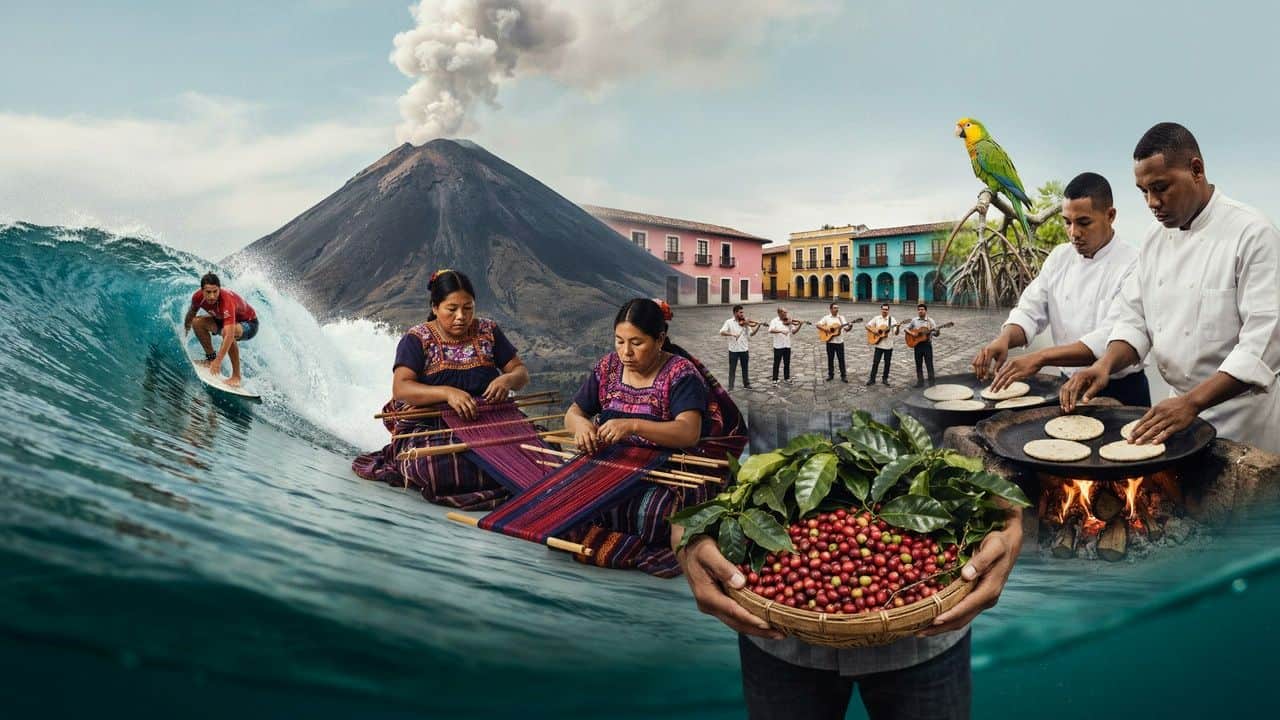
El Salvador’s emerging tourism strategy from the UK focuses on sensory and cultural tourism, particularity immersive experience over traditional sightseeing. The strategy advocates for communities to engage in various forms of travel and cultural industries. As a part of the new initiatives, communities along the coast and mountain regions are expected to benefit from hotel, restaurant and tourism industries. Sensory tourism is defined by five main concepts: the cultural, natural, historic, artistic and intelligent senses. The framework focuses on developing and promoting tourism in priority sectors identified by the communities and public investments.
Official Policy Framework and Global Development Guidelines
Public authorities have restructured national promotional efforts to highlight local authenticity. The Ministry of Tourism leads this multi-year development initiative nationwide. The Salvadoran Tourism Corporation oversees programme execution across primary destinations. Both institutions follow international sustainability benchmarks set by UN Tourism.
Officials actively promote sustainable travel initiatives in rural and coastal zones. The policy encourages international visitors to understand local identity very deeply. Regional economies benefit directly from decentralised visitor spending across municipalities. Government statistics confirm notable increases in international visitor arrivals this year. Travel patterns indicate longer average stays in provincial towns and villages.
Public development funds support local infrastructure projects in every administrative department. Tourism leadership views cultural heritage preservation as a vital economic pillar. Environmental conservation remains central to state planning across protected natural zones. State ministries coordinate closely with municipal councils to maintain safety standards. This integrated strategy strengthens regional public infrastructure and public transport networks. The policy guarantees measurable economic advantages for local resident communities.
Advertisement
Advertisement
Sensory Dimensions Overview
| Sensory Dimension | Primary National Focus | Lead Official Body | Key Destination Examples |
| SEE | Coastal & Volcanic Landscapes | MITUR / MARN | Surf City, Complejo Los Volcanes |
| HEAR | Urban Centres & Biospheres | MICULTURA / MARN | Historic Centre San Salvador, El Imposible |
| TASTE | Culinary & Coffee Heritage | ISC / CORSATUR | Ruta del Café, Pupuserías nationwide |
| FEEL | Community Led Tourism | CORSATUR / MICULTURA | Ruta de las Flores, Suchitoto, Ilobasco |
| DISCOVER | History & Transformation | MICULTURA / MITUR | Joya de Cerén World Heritage Site |
Visual Features Across Coastlines and Volcanic Peaks
Visual experiences focus heavily on dramatic coastal geology and volcanic topography. The Pacific coastline stretches across more than 300 kilometres of accessible beaches. Flagship investment drives the national Surf City development programme along the coast. Punta Roca now hosts major international professional surfing competitions annually. El Zonte features eco-tourism lodging supported by modern digital payment systems. El Sunzal offers expanded accommodation facilities for international marine sport enthusiasts. Upgraded coastal highways connect these beach resorts directly to San Salvador.
Volcanic Exploration and Environmental Conservation
Inland regions display extraordinary volcanic scenery managed under strict conservation rules. The Ministry of Environment and Natural Resources manages protected natural reserves. Complejo Los Volcanes features three famous peaks within a contiguous sanctuary. Izalco volcano earned historical fame as the Lighthouse of the Pacific. Santa Ana volcano, also known as Ilamatepec, provides crater trekking routes.
Advertisement
Advertisement
Cerro Verde offers panoramic viewing platforms overlooking volcanic Lake Coatepeque. Park rangers manage volcanic landscape exploration through established eco-tourism trails. Strict environmental regulations prevent habitat destruction across high-altitude cloud forests. Guided excursions ensure visitor safety while preserving sensitive mountain habitats. Official records document steady growth in domestic and foreign eco-tourists.
Acoustic Landscapes in Cities and Natural Reserves
Acoustic environments range from revitalised urban centres to undisturbed natural ecosystems. Public investment has revitalised the capital city’s historic architectural district. The Ministry of Culture directs ongoing building restoration projects in San Salvador. Municipal authorities sponsor weekly cultural performances and public musical gatherings. Plaza Barrios features regular open-air orchestral concerts for residents and visitors. Guided walking tours highlight historic architecture surrounding the National Palace. Vibrant public markets showcase local speech, traditional music, and daily commerce. Pedestrian corridors allow visitors to explore historic monuments in total security.
Advertisement
Advertisement
Soundscapes of Protected Biospheres
Beyond urban areas, pristine natural soundscapes receive formal legal protection. El Imposible National Park preserves dense tropical forest ecosystems in western mountain ranges. Park wardens protect vulnerable fauna from illegal poaching and habitat encroachment. Travellers can hear rare bird species including the endangered yellow-naped parrot. Elusive king vultures nest high within the protected canopy of the forest.
The Jiquilisco Bay Biosphere Reserve safeguards expansive coastal mangrove ecosystems. UNESCO designates Jiquilisco Bay under its official Man and Biosphere Programme. These protected biosphere reserves provide vital nesting grounds for hawksbill sea turtles. Serene mangrove estuaries offer peaceful kayak tours led by trained local naturalists. Government patrols enforce strict environmental compliance along all coastal waterways.
Culinary Traditions and Coffee Heritage
Gastronomy serves as a formal driver of local economic growth and national pride. State economic plans identify traditional foodways as key cultural export products. Legislative Decree Number 655 establishes the pupusa as the official national dish. National Pupusa Day is celebrated officially across the country every second Sunday of November.
Artisanal cooks prepare these stuffed flatbreads using organic corn or rice dough. Traditional cooking occurs on heated clay comales over natural wood fires. Family-owned pupuserías constitute the primary economic foundation for local female entrepreneurs. Regional markets highlight distinct local variations in ingredients and preparation methods.
Advertisement
Advertisement
Shade Grown Coffee and Rural Tourism
High-altitude coffee cultivation underpins agricultural heritage and eco-tourism initiatives. The Salvadoran Coffee Institute monitors international quality standards and farm certifications. Shade-grown Arabica coffee grows across six distinct high-altitude mountain ranges. Renowned cultivars like Pacamara and Bourbon earn top prices in international markets. Guided estate tours educate visitors on organic harvesting and processing techniques.
Successful community led tourism projects flourish along the scenic Ruta de las Flores. This government-designated circuit links picturesque mountain towns like Juayúa and Apaneca. Concepción de Ataco showcases traditional textile weaving workshops and artisan markets. Local craft cooperatives run popular weekend gastronomic festivals for visiting travellers.
Ilobasco remains globally recognised for its delicate miniature ceramic clay sculptures. Suchitoto serves as the official national centre for traditional natural indigo dyeing. State-sponsored workshops train young artisans to preserve century-old natural dyeing methods.
Archaeological Preservation and National Transformation
Historical conservation programmes link pre-Columbian heritage with contemporary national progress. Joya de Cerén represents an exceptionally preserved pre-Columbian Mayan agricultural village. UNESCO designates Joya de Cerén as a World Heritage site of international significance. Volcanic ash buried the ancient farming community intact over fourteen centuries ago.
Ministry of Culture archaeologists enforce strict climate control and preservation standards. Exhibits display ancient agricultural implements, sleeping quarters, and intact storage structures. The site reveals invaluable details regarding everyday ancient agrarian community life.
Public Safety Improvements and Security Reforms
Comprehensive public safety reforms have radically enhanced national transport accessibility. Enhanced security measures permit safe travel through previously restricted rural districts. Infrastructure investments modernised major highways linking capital districts to remote borders. International air links report record numbers of arriving foreign holidaymakers. Official foreign travel advisories reflect ongoing improvements in national public safety.
Advertisement
Advertisement
Rural communities now receive foreign visitors with improved lodging and dining options. State funding upgrades visitor facilities adjacent to national parks and heritage sites. Tourism ministry reports confirm growing interest from British and European markets.
Sustainable Development and Future Outlook
Official economic assessments confirm that structured travel accelerates broader national development. Visitor expenditure supports public infrastructure upgrades and municipal community projects. Integrating environmental protection with cultural promotion secures long-term economic resilience. Vocational programmes train rural residents as certified eco-tourism guides and hospitality workers.
Inter-ministerial coordination ensures consistent safety and quality standards across all regions. Foreign direct investment in sustainable hotel infrastructure reached record levels this year. International hotel operators expand eco-friendly properties along the southern coastline. Boutique lodges in mountain regions implement solar power and zero-waste waste management. Regional mayors credit national tourism policies with creating stable youth employment. Public investments in clean water infrastructure enhance rural living standards significantly.
Key Multi-Sensory Tourism Indicators
- Visual Impact: Over 300 km of Pacific coastline under active coastal management.
- Acoustic Preservation: Two major biosphere reserves protected under UNESCO frameworks.
- Gastronomic Reach: Legislative Decree 655 codifying pupusas as national culinary heritage.
- Community Engagement: Six western municipalities integrated into the Ruta de las Flores.
- Archaeological Value: Joya de Cerén providing intact pre-Columbian rural architectural records.
Conclusion
National policies encourage regional planning to strategically manage the tourism industry. The national sensory tourism policy is innovative and provides opportunities to increase the national income while conserving the local environment and culture. Programs based on this policy enable the tourism industry to collaborate with various arts, culture, heritage and related sectors to create jobs and build community relationships. Tourism offers the opportunity for constant reinvention, revitalisation and evolving. The progressive reports and analyses of various sectors of the tourism industry attest to the increasing profits.
Advertisement
