
Iceland Outranks Sweden, Ireland and More in Europe’s Sleep Tourism Rankings as Reykjavik Takes the Top Spot for 2026

Published
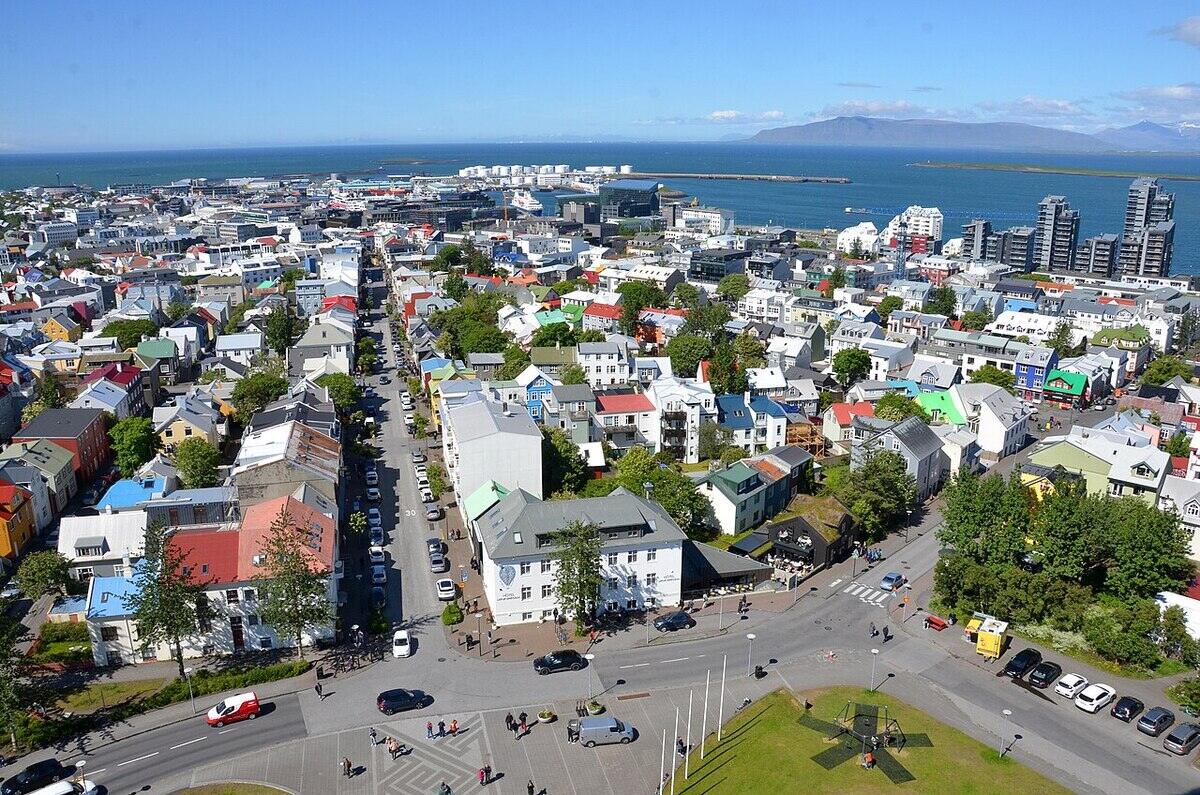
Iceland tops the list of Europe’s 2026 sleep tourism rankings with the capital of this country competing with several global locations and coming to the first place. As per the luggage retailer Eminent’s research, published in September 2026, Reykjavik has received the first grade (99.21) among others including Stockholm, Cork, Kaunas, and has scored higher than Sweden’s capital, Ireland’s Cork, and several other European cities. The Eminent study revealed that travelers are increasingly seeking destinations offering cool summer nights, minimal noise and light pollution, and low air pollution, thus, Reykjavik became a favorite choice among globe-trotters who want to experience a good sleep while enjoying their holiday in Europe.
Reykjavik Sets a New Benchmark for Sleep-Friendly European City Breaks
A holiday in Iceland’s capital offers more than spectacular landscapes and geothermal attractions. Reykjavik also provides environmental conditions that placed it at the forefront of the 2026 sleep tourism ranking. The city registered a perceived noise and light pollution score of only 19.47 out of 100, alongside a perceived air pollution score of 14.25. Average summer minimum temperatures reached just 8.9°C, creating naturally cool overnight conditions. These characteristics contributed to Reykjavik’s leading overall score. For visitors, the destination combines urban exploration, coastal scenery and opportunities to unwind in Iceland’s famous geothermal bathing facilities.
Stockholm Makes Sweden a Major Contender in Europe’s Restful Travel Market
Stockholm followed closely behind Reykjavik, securing second position with an impressive 96.11 out of 100. Its strongest advantage was the absence of tropical nights during the 92 summer days examined in the research. Overnight temperatures did not remain at or above 20°C, a condition that can make sleeping environments more comfortable. The Swedish capital also recorded perceived noise and light pollution of 27.80 and perceived air pollution of 15.10. Visitors can explore Stockholm’s islands, historic streets and waterfront attractions while benefiting from the relatively mild overnight conditions identified in the study.
Cork Gives Ireland a Strong Position in the European Sleep Tourism Rankings
Cork claimed third place with a Sleep Staycation Score of 95.11, placing Ireland among the leading European countries for rest-oriented city breaks. Summer nights in the city averaged approximately 14°C, and the study identified no tropical nights during the period assessed. Cork’s perceived noise and light pollution reading stood at 28.66, while perceived air pollution reached 15.62. These figures contributed to its strong overall performance. Beyond the ranking, Cork offers colourful streets, historic architecture, local food experiences and access to the surrounding countryside, providing travellers with opportunities to enjoy both cultural exploration and relaxation.
Advertisement
Advertisement
Kaunas Challenges Europe’s Famous Capitals with Its Quiet Urban Environment
Lithuania’s Kaunas secured fourth position, achieving a Sleep Staycation Score of 91.47. The city stood out for its relatively low perceived noise and light pollution reading of 25.71, outperforming Stockholm on that individual measure. Its perceived air pollution score was 27.56, while the summer temperature assessment identified no tropical nights. Kaunas offers an alternative to Europe’s busiest tourism centres, combining architectural heritage, museums and cultural attractions with a comparatively relaxed urban atmosphere. Its inclusion among the top destinations demonstrates that smaller cities can offer favourable conditions for travellers who prioritise comfort and rest.
Gothenburg Adds Another Swedish Success to Europe’s Top Sleep Destinations
Gothenburg completed the leading five with a Sleep Staycation Score of 90.53, giving Sweden two places near the top of the ranking. The coastal city recorded average summer overnight temperatures of approximately 14°C, with no tropical nights during the assessed period. Its perceived noise and light pollution score reached 33.33, while perceived air pollution stood at 19.00. These conditions contributed to Gothenburg’s favourable overall result. The city also offers attractive waterfront districts, public parks, cultural venues and coastal excursions, allowing visitors to enjoy a varied holiday without focusing exclusively on busy sightseeing schedules.
Advertisement
Advertisement
Vilnius and Stavanger Bring Cultural Heritage and Coastal Calm into Focus
The sixth and seventh positions went to Vilnius in Lithuania and Stavanger in Norway, with respective Sleep Staycation Scores of 89.89 and 88.84. Vilnius recorded perceived noise and light pollution of 30.58 and perceived air pollution of 25.18. Stavanger’s corresponding readings were 34.30 and 21.00. Both cities offer distinctive visitor experiences alongside the environmental characteristics assessed in the research. Vilnius attracts travellers with its historic architecture and cultural heritage, while Stavanger is associated with Norway’s coastal landscapes and outdoor attractions. Their strong rankings expand the range of European destinations available for relaxation-focused holidays.
Edinburgh and Belfast Demonstrate the United Kingdom’s Appeal for Restful Escapes
Edinburgh and Belfast secured eighth and ninth positions, bringing two UK destinations into the European top ten. Scotland’s capital achieved a Sleep Staycation Score of 87.21, supported by perceived noise and light pollution of 34.15 and perceived air pollution of 24.34. Belfast followed with an overall score of 86.16, alongside readings of 36.54 and 22.62 respectively. Both cities offer rich cultural experiences, historic landmarks and access to scenic landscapes. Their inclusion shows that travellers interested in sleep-friendly holidays can consider established urban destinations rather than limiting their choices to remote retreats.
Advertisement
Advertisement
The Hague Secures a Place Among Europe’s Ten Best Cities for Sleep Tourism
The Hague in the Netherlands completed the ranking with a Sleep Staycation Score of 86.05. The Dutch city recorded perceived noise and light pollution of 27.69, together with perceived air pollution of 18.12. These results placed it among the ten highest-scoring European destinations in the research. The Hague offers an attractive combination of historic architecture, museums, cultural institutions and nearby North Sea beaches. Visitors can explore its urban attractions while also enjoying coastal walks and opportunities for quieter leisure activities, making it a versatile choice for travellers planning a relaxing European city break.
Europe’s Best Sleep Tourism Destinations: The Complete 2026 Ranking
| Position | City and country | Sleep Staycation Score |
|---|---|---|
| 1 | Reykjavik, Iceland | 99.21 |
| 2 | Stockholm, Sweden | 96.11 |
| 3 | Cork, Ireland | 95.11 |
| 4 | Kaunas, Lithuania | 91.47 |
| 5 | Gothenburg, Sweden | 90.53 |
| 6 | Vilnius, Lithuania | 89.89 |
| 7 | Stavanger, Norway | 88.84 |
| 8 | Edinburgh, Scotland | 87.21 |
| 9 | Belfast, Northern Ireland | 86.16 |
| 10 | The Hague, Netherlands | 86.05 |
Why Northern Europe Performs Strongly in the Sleep Tourism Study
Northern European destinations occupy several leading positions because of their favourable scores across the environmental factors examined. Cooler summer nights are particularly relevant, as high overnight temperatures can make sleeping conditions uncomfortable. Perceived noise and light pollution also influence the ranking, alongside perceived air pollution. However, the results do not establish that visitors actually sleep longer or better in these destinations. Individual accommodation conditions, sleeping habits and seasonal daylight patterns can also affect rest. The research therefore provides a useful comparison of destination environments rather than a direct measurement of tourist sleep quality.
European Hotels Can Use Rest and Comfort to Strengthen Their Tourism Appeal
The research points towards opportunities for hospitality businesses seeking to serve travellers who value relaxation. Hotels can improve the sleeping environment through effective sound insulation, comfortable mattresses, suitable room temperatures and curtains that limit unwanted light. These facilities may be particularly relevant in northern European cities, where summer daylight can extend late into the evening. Destination tourism organisations can also promote peaceful public spaces, natural surroundings and slower-paced experiences. Rather than presenting sleep tourism as a replacement for conventional holidays, the industry can incorporate rest and wellbeing into existing city-break and leisure travel offerings.
Reykjavik’s Victory Signals Wider Interest in Comfort-Led European Holidays
Reykjavik’s leading score reflects the combination of cool summer temperatures and comparatively low perceived pollution identified by Eminent. Stockholm, Cork, Kaunas and Gothenburg followed with strong results, while Vilnius, Stavanger, Edinburgh, Belfast and The Hague completed the top ten. Together, these destinations show that favourable overnight conditions are not restricted to traditional wellness resorts or countryside retreats. European cities can also provide settings suited to travellers who value relaxation. The ranking offers an additional consideration for holiday planning, encouraging visitors to assess environmental comfort alongside attractions, accommodation, accessibility and overall destination appeal.
Advertisement
