

Bratislava Airport Expansion Triggers A Breathtaking Transit Metamorphosis For Slovakia, Austria And Other Countries

Published
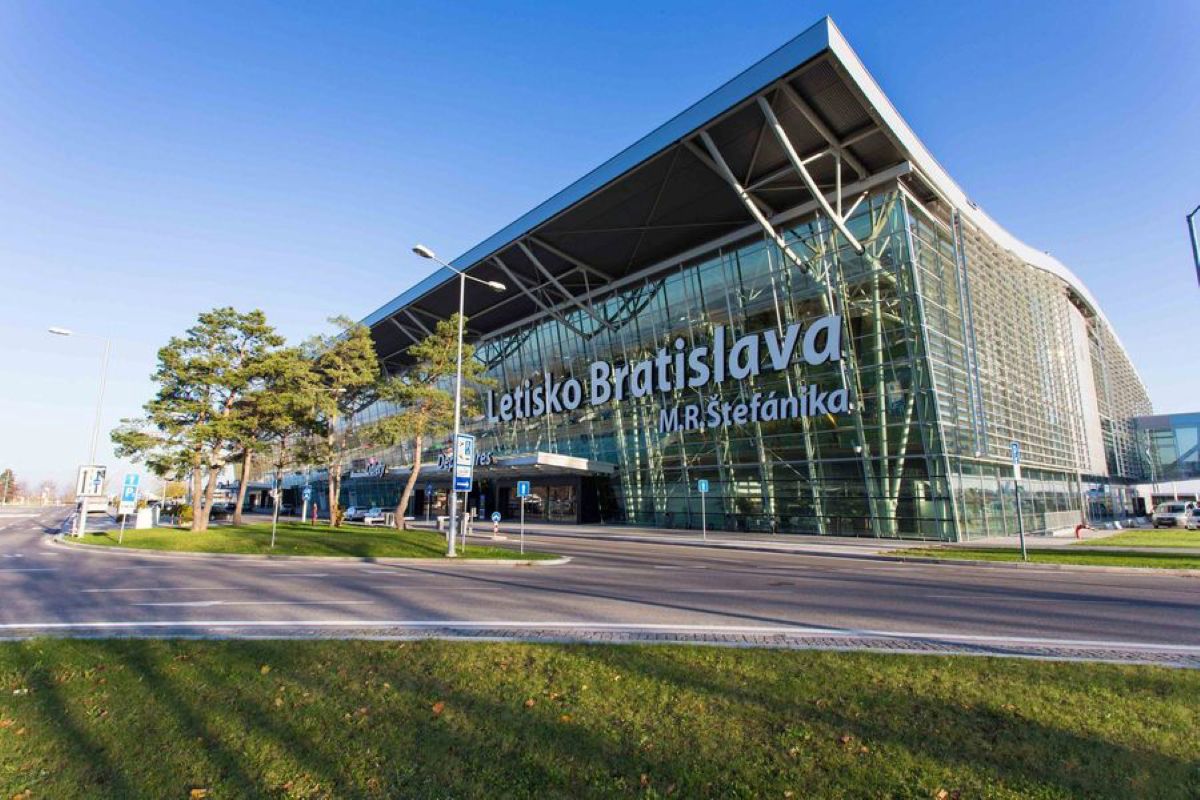
The monumental Bratislava Airport expansion officially transforms connectivity across Slovakia, Austria, Hungary, and Czechia today. This astonishing infrastructure development fundamentally redefines regional European aviation. Government transport strategies aggressively target increased global route development. M. R. Štefánik Airport operates directly under the Slovak Ministry of Transport.
This facility actively expands its operational capacity significantly. It serves as a high-efficiency alternative hub within the region. Passenger volumes reflect substantial post-pandemic operational recovery. Official statistical data confirms a remarkably strong upward trajectory.
Advertisement
Advertisement
Passenger throughput progressed significantly from early initial recovery phases. The airport initially handled approximately 1.4 million passengers. During 2025, the facility handled 2,438,215 passengers successfully. By August 2026, it surpassed three million passengers.
Government officials emphasise maximising this logistical capacity consistently. Their transportation strategies rely on robust low-cost carrier partnerships. These airline agreements drive the current passenger volume surge. Furthermore, the airport leverages its unique geographic proximity perfectly. The facility sits closely to the massive Vienna catchment area.
Advertisement
Advertisement
This strategic positioning attracts price-conscious international travellers constantly. It also supports airlines seeking competitive regional operating environments. Aviation experts note these strategic cost advantages frequently.
Analysing Slovakia Passenger Traffic
Passenger figures demonstrate clear resilience and unprecedented regional growth. The Ministry of Transport monitors these vital statistics closely. Recent data highlights consistent month-on-month capacity increases historically. M. R. Štefánik Airport accommodated over three million travellers recently.
Advertisement
Advertisement
This figure represents absolute historical operational highs for the facility. Cargo operations also maintain steady, impressive logistical volumes. Aircraft movements reached a notable 28,230 operations by August 2026.
Such robust metrics solidify the facility’s rapidly rising prominence. Industry bodies like IATA recognise these regional capacity shifts. Efficient regional airports relieve severe pressure from major international hubs. The Vienna alternative aviation hub strategy proves highly successful.
Advertisement
Advertisement
Airlines deeply appreciate the lower operational costs in Bratislava. Passengers benefit directly from streamlined security and boarding procedures.
Government Data On Passenger Surge
The growth trajectory remains highly documented by transport officials.
- Total 2025 traffic reached 2,438,215 handled passengers.
- First quarter of 2026 saw 679,041 total passengers.
- August 2026 recorded 625,742 passengers in one month.
- Total aircraft movements increased massively in 2026.
- Cargo volumes also rose significantly during this period.
These figures underscore the rapid operational scaling efforts. They validate the aggressive airline partnership strategy perfectly.
A Viable Vienna Alternative Aviation Hub
Proximity to Vienna remains a critical strategic asset today. The Austrian capital lies less than one hour away. Bratislava Airport aggressively targets this highly lucrative passenger demographic.
Advertisement
Advertisement
Operating costs in Slovakia are significantly lower overall. Airlines pass these vital savings directly to the consumer. This dynamic creates a highly competitive regional pricing environment.
Many Austrians utilise Bratislava for affordable holiday charter flights. Official statistics show massive growth in non-scheduled transport. Budget airlines base extensive operations at the Slovak facility.
This dynamic creates a highly efficient dual-hub system. Passengers choose between premium services or strict budget efficiency. Transport ministries coordinate cross-border rail and bus links carefully. This ensures seamless passenger movement between both major cities.
How Austrian Travellers Benefit Directly
Austrian citizens gain massive financial benefits from this expansion. Vienna Airport operates at high capacity with premium fees. Airlines reduce routes there to lower their operational overheads.
Consequently, Austrian travellers face fewer budget options domestically. Bratislava offers these exact low-cost options just across the border. Austrian passengers simply drive or take a short bus ride.
They access cheaper flights to London, Milan, and Barcelona. The financial savings easily offset the short cross-border commute. Official data shows Austrians increasingly favouring this convenient alternative.
Advertisement
Advertisement
Benefits For Hungary And Czechia
Hungarian and Czech travellers also reap substantial logistical rewards. The geographical catchment area overlaps into these neighbouring nations. Motorway networks connect Budapest and Brno directly to Bratislava.
Travellers from northwestern Hungary often find Bratislava closer than Budapest. Moravian residents in Czechia also utilise the Slovak hub frequently. The airport provides them with diverse flight options.
They access exclusive charter routes to North Africa and Turkey. This regional integration boosts the entire Central European economy. It facilitates easier cross-border tourism and vital business connectivity.
Strategic Aviation Hub Development
Development plans focus heavily on sustainable infrastructure improvements. Airport management targets long-term strategic international airline partnerships. These agreements secure vital, consistent year-round route networks. Additional frequencies on popular routes ensure stable revenue streams.
Aircraft basing opportunities attract major European budget carriers constantly. Based aircraft generate local employment and technical support requirements. The Slovak government heavily supports these aviation industry initiatives. They align perfectly with broader national economic development goals.
The World Travel and Tourism Council monitors such progress. Their data often links airport capacity directly to regional GDP. Increased connectivity directly supports local hospitality and service sectors.
Advertisement
Advertisement
Central Europe Travel Advisories
Safety remains absolutely paramount for all international visitors. Official government travel authorities provide essential baseline transit conditions. These agencies strictly include the U.S. Department of State. The Government of Canada also publishes extensive regional guidelines. The Australian Department of Foreign Affairs and Trade concurs.
These bodies outline critical Central Europe travel advisories consistently. Travellers must review these official guidelines before their departure. The region is generally incredibly safe for international tourism. However, specific minor precautions remain absolutely necessary today.
Global tourism boards echo these foundational safety recommendations clearly. UN Tourism advocates for highly informed and responsible travel practices.
Safety And Security Protocols
Slovakia currently holds a standard Level 1 travel advisory. The U.S. State Department issues this specific security classification. It indicates a generally safe environment for most travellers. Visitors should simply exercise normal, everyday safety precautions.
However, authorities warn travellers to remain highly vigilant constantly. Petty crime remains a persistent issue in crowded areas. Pickpocketing operations occur frequently in popular historical tourist centres. Coordinated groups often target busy public transit hubs aggressively.
Travellers must secure their valuables meticulously at all times. Hotel corporate press offices also strongly advise using in-room safes. Furthermore, all official advisories contain strict geographic travel prohibitions.
Advertisement
Advertisement
They explicitly prohibit travel across Slovakia’s eastern border. Entering Ukraine is highly dangerous due to the volatile security situation. Consular support remains severely limited in those conflict zones.
Schengen Zone Border Checks
Slovakia operates entirely within the borderless European Schengen Area. Austria, Hungary, and Czechia share this exact same status. This facilitates seamless regional travel under standard normal conditions. However, new administrative processes are altering these dynamics significantly.
Schengen zone border checks are currently undergoing massive modernisation. Official advisories note the rollout of stringent new digital systems. The European Union Entry Exit System is currently launching. This digital protocol permanently replaces traditional physical passport stamping.
The system is actively causing processing delays at regional airports. Land border checkpoints also experience these technological slowdowns frequently. Border officials require extra time for mandatory biometric data collection.
The EU Entry Exit System Logistics
The EU Entry Exit System requires strict biometric data submission. Travellers must provide fingerprints upon their initial border entry. Facial recognition photographs are also captured at the border. This strict protocol occurs at both airports and land crossings.
The digital system tracks exact entry and exit dates meticulously. This prevents individuals from overstaying their 90-day legal allowance. It enhances security across the entire European Schengen zone.
Advertisement
Advertisement
Aviation associations warned repeatedly about initial implementation friction. Queues are noticeably longer during peak summer travel seasons. Bratislava Airport has upgraded its terminal technology accordingly.
They installed numerous self-service registration kiosks for arriving passengers. This proactive measure mitigates severe bottlenecking at immigration checkpoints. However, officials strongly advise arriving at the airport earlier.
Visa-Free Travel Regulations
Visa regulations remain strict despite the borderless European zone.
- U.S. and Canadian citizens enjoy specific transit privileges.
- They can travel visa-free for up to 90 days.
- This limit applies strictly within any 180-day period.
- Passports must meet extremely strict validity requirements always.
- Passports must remain valid for three additional months.
- This validity must extend beyond the planned departure date.
Airlines will decisively deny boarding if these conditions fail. The UK Foreign, Commonwealth and Development Office confirms this continuously.
Health and Medical Standards
Health preparedness is crucial for safe Central European travel. Medical treatment standards across Slovakia remain highly reasonable. Urban hospitals in Bratislava provide excellent, modern medical care.
However, rural medical facilities may be quite limited unfortunately. These smaller clinics often require immediate upfront cash payment. Travellers must secure comprehensive medical insurance before arriving securely.
Advertisement
Advertisement
Governments issue specific warnings regarding local environmental hazards. Tick-borne encephalitis is a notable, dangerous regional health risk. This applies to travellers visiting forested or alpine areas.
The high-risk season runs continuously from March to November. Health ministries recommend preventative vaccinations for all outdoor enthusiasts. Travellers should also use appropriate insect repellents constantly.
Strict Local Laws Enforcement
Central European transit laws are heavily and strictly enforced. Visitors must understand local legal expectations thoroughly and completely. Ignorance of the law provides absolutely no legal defence.
Slovakia mandates a remarkably strict 0% blood alcohol limit. This rule applies to all drivers on public roads. Even a single small drink will result in severe penalties. Police conduct frequent, random breathalyser tests on motorists.
Utilising the national motorway network requires specific official documentation. Drivers must purchase an electronic permit strictly in advance. This digital toll system is officially known as a vignette. Rental car agencies usually provide these for an extra fee.
Economic Implications Of Airport Expansion
The aviation sector drives significant regional economic growth continuously. The World Travel and Tourism Council confirms this direct correlation. Increased passenger traffic generates substantial local revenue streams immediately.
Advertisement
Advertisement
Hotels, restaurants, and local transport operators benefit directly. The massive expansion creates numerous direct and indirect local jobs. Ground handling, retail, and security departments require expanded workforces.
The Slovak Ministry of Transport recognises this powerful economic engine. They actively promote the airport to wealthy foreign investors. The facility’s growth supports the broader national tourism strategy perfectly.
VisitBritain and other national boards study this successful model. Efficient regional hubs redistribute tourist wealth highly effectively. They prevent severe overcrowding in primary European capital cities.
Expanding Domestic Route Networks
Domestic connectivity also improves alongside international route expansion. Wizz Air recently launched a domestic route to Košice. This connects the western capital directly to the eastern metropolis.
This domestic route significantly benefits Slovak business travellers daily. It reduces cross-country travel time from hours to mere minutes. Such efficiency is vital for continuous national economic development.
The government views this domestic air link as essential infrastructure. It promotes internal tourism and domestic corporate investment greatly. Faster transport links unify the geographically diverse Slovak regions.
Advertisement
Advertisement
Tourism Board Perspectives
National tourism boards heavily welcome the increased aviation capacity. It allows them to diversify their international visitor demographics. Slovakia heavily promotes its unique cultural and natural heritage continuously.
The stunning High Tatras mountains attract seasonal alpine tourists globally. Historical towns offer authentic, unforgettable Central European cultural experiences. Efficient airport processing significantly enhances the overall visitor experience.
UN Tourism advocates for completely removing unnecessary travel barriers. The new automated border systems will eventually serve this goal. Despite initial delays, long-term border processing times will decrease.
Sustainable tourism growth absolutely requires matched infrastructure development. Bratislava Airport provides a flawless textbook example of this balance. They expand capacity while strictly maintaining operational efficiency and safety.
Managing Future Aviation Challenges
The aviation sector faces upcoming severe environmental and regulatory challenges. Bratislava Airport proactively addresses these pressing industry-wide sustainability concerns. Management actively explores sustainable aviation fuel infrastructure investments today.
The Ministry of Transport supports these green transition initiatives actively. They align flawlessly with European Union environmental aviation directives. Ground operations utilise modern electric vehicles whenever operationally possible.
Advertisement
Advertisement
The airport strategically aims to reduce its overall carbon footprint. Airlines increasingly demand these eco-friendly, sustainable operational environments. This ensures the facility remains highly competitive in the future.
Passenger expectations also constantly evolve regarding digital airport experiences. Free Wi-Fi and automated check-in are now baseline requirements. The airport continuously upgrades these essential digital passenger services.
Conclusion
The monumental Bratislava Airport expansion clearly defines future regional logistics. It undeniably offers a highly efficient alternative within Central Europe. Rapid passenger growth completely validates the aggressive airline partnership strategy.
Travellers from Slovakia, Austria, Hungary, and Czechia benefit immensely. However, all international visitors must heed official government travel advisories carefully. Navigating new Schengen border rules requires strict, meticulous preparation today.
Medical precautions and absolute adherence to strict local laws remain non-negotiable. Despite these administrative hurdles, the regional aviation outlook remains stellar. The facility will continuously absorb Vienna’s excess passenger demand seamlessly. This continuous growth securely cements Slovakia’s prominent position in global aviation networks.
Advertisement
