

North Dakota Confluence Fall Festival Turns Williston Into a Frontier Fun Escape

Published
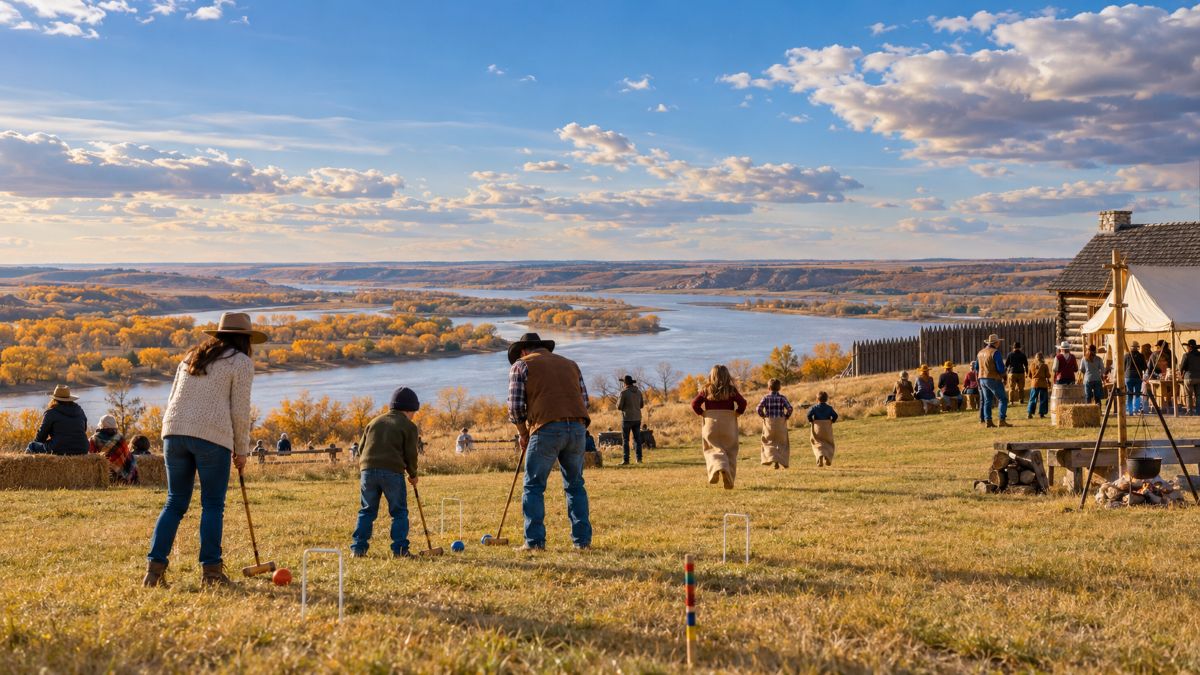
North Dakota is preparing for a lively autumn gathering near Williston. The Confluence Fall Festival will take place on Saturday, 24 October 2026. It will run from 10:00am to 4:00pm Central Time. The venue is the Missouri-Yellowstone Confluence Interpretive Center, close to the meeting point of the Missouri and Yellowstone rivers.
The festival is free. It welcomes children, parents, local residents and travellers. It offers a simple idea with strong appeal. People can step away from screens and busy roads. They can play old games, listen to music, learn about the past and enjoy the fall season together.
The event is part of North Dakota’s ND250 programme. This wider initiative marks the 250th anniversary of the United States. The festival uses this national moment to bring local history to life in a friendly and easy-to-understand way.
A Festival Inspired by the 1800s
The Confluence Fall Festival looks back to the community fairs of the 1800s. These were places where neighbours met, families played and communities shared food, stories and skills. The 2026 programme takes that spirit and gives it a fresh purpose for modern visitors.
Guests can enjoy Victorian-era carnival games. They can also try croquet and lawn bowling. These games are easy to understand. They encourage children and adults to take part together. Light refreshments and hands-on activities will add to the relaxed feel of the day.
The event does not depend on large rides or expensive attractions. Instead, it uses simple fun, movement and shared experiences. This makes it different from a typical commercial autumn event. It also gives the festival a clear heritage identity. Visitors can enjoy the season while learning how people once spent their leisure time on the northern plains.
Advertisement
Advertisement
Frontier Field Day Adds Friendly Competition
The main action begins at 1:00pm with the first Confluence Frontier Field Day Games. Visitors can join classic contests that remain popular because they are simple, playful and full of energy.
The programme includes sack races, three-legged races and egg-and-spoon races. These activities need little equipment but create plenty of laughter. Families can compete together. Friends can support each other. Children can take part in games that do not need a phone, a ticket upgrade or special skills.
The event will also feature a frontier-inspired Greased Pig Challenge. It reflects the playful style of historic rural gatherings. By mixing traditional games with a safe, organised public event, the festival turns history into something active rather than something visitors only read about in a display.
This approach helps make heritage tourism more welcoming. It shows that history is not only about dates, buildings and objects. It is also about daily life, shared entertainment and the ways communities came together.
Folk Music Closes the Celebration
Music will bring the final part of the day together. The Flea Bitten Tramps, a North Dakota folk band, will perform in the interpretive centre’s rotunda from 3:00pm to 4:00pm.
The live performance gives visitors a chance to slow down after the games. It also supports the event’s old-fashioned atmosphere. Folk music fits naturally with the setting because it carries stories, local character and a strong sense of place.
The rotunda itself adds meaning to the experience. It includes murals featuring passages from the Lewis and Clark journals and paintings of the Missouri River landscape. The festival music will therefore be heard in a space designed to connect visitors with the region’s history and landscape.
Advertisement
Advertisement
Why the Confluence Is a Powerful Setting
The location gives the festival an important travel story. The Missouri-Yellowstone Confluence Interpretive Center lies about 22 miles southwest of Williston, off Highways 1804 and 58. It sits close to the place where two major rivers meet.
The centre explains the geography, natural history and human history of the area. Its permanent exhibition, Trails, Tracks, Rivers, and Roads, explores the forces that shaped this part of North Dakota. Visitors can also enjoy walking trails, picnic areas, campgrounds and bird-watching opportunities.
The rivers made this area important long before the festival. Members of the Lewis and Clark Expedition visited the region in 1805 and 1806. The interpretive centre offers views that connect present-day travellers with that earlier journey.
This makes the festival more than a single-day family event. It can become the centre of a wider road trip through north-western North Dakota.
Fort Buford Deepens the Visitor Experience
Fort Buford State Historic Site sits only half a mile from the interpretive centre. The fort was built in 1866 near the river confluence. It became an important military post and supply depot during the frontier era.
The site is known for its links to major events in Plains history. Hunkpapa Lakota leader Sitting Bull surrendered there in 1881. Today, visitors can see surviving features including the stone powder magazine, post cemetery site and officers’ quarters museum building.
Fort Buford is closed for the season during October, apart from events, tours, rentals and appointments. However, its grounds and outdoor interpretive signs remain open year-round. This allows festival visitors to include a self-guided stop as part of their day.
A Strong Autumn Travel Reason for Williston
The Confluence Fall Festival offers North Dakota a valuable late-season tourism opportunity. October brings cooler weather, changing landscapes and a quieter travel period. A free event with games, music and history gives visitors a clear reason to make the journey.
For families, it offers low-cost fun. For heritage travellers, it offers a deeper connection with the region. For road-trippers, it creates a memorable stop beyond the usual city attractions. The festival shows how North Dakota can use its rivers, stories and historic sites to create travel experiences that feel real, local and welcoming.
Advertisement
Advertisement
Advertisement
