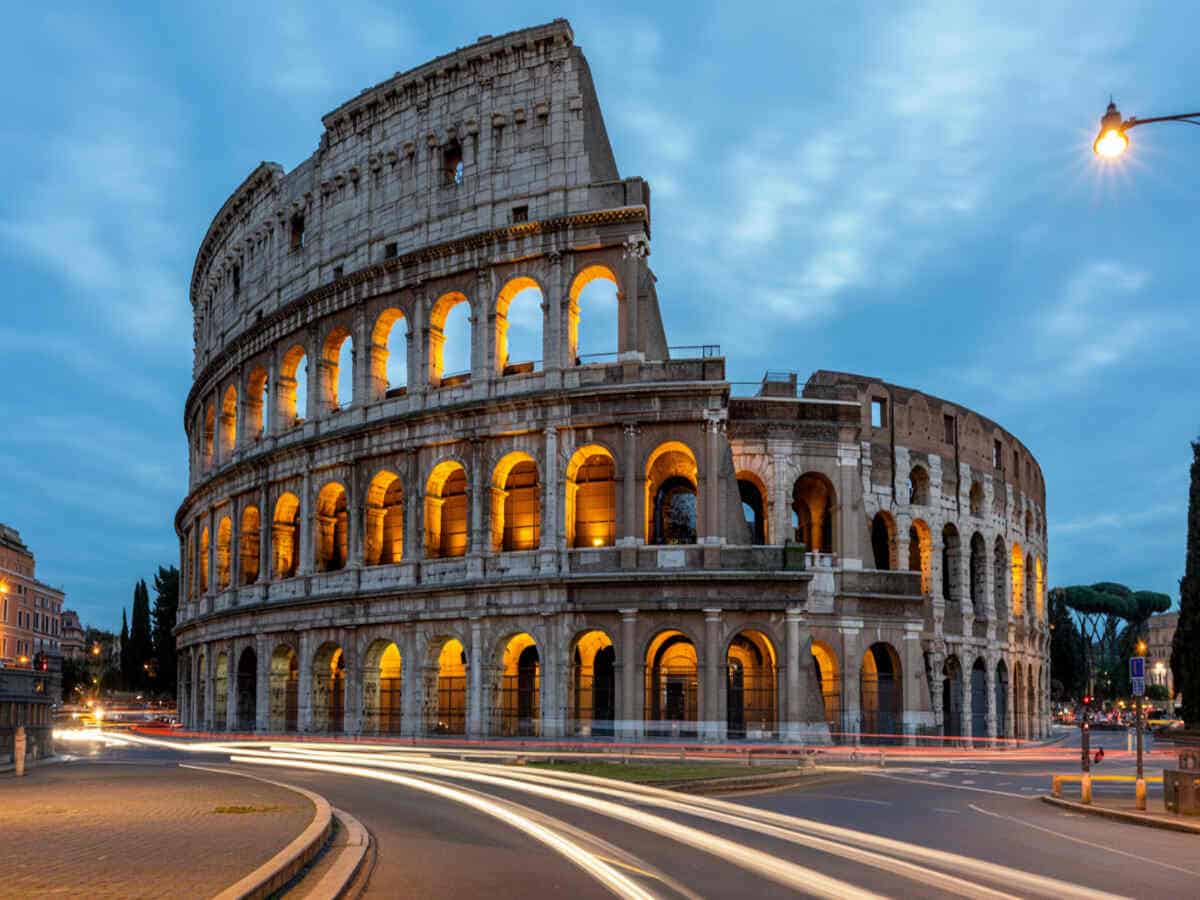
Image generated with Ai
Rome has begun a large crackdown on golf carts after hundreds of tourist vehicles flooded the streets, causing traffic congestion and illegal parking. Once Rome gets a taste for the tourism and golf cart business, there will be no stopping the over-tourism. Rome is already beginning to enforce restrictions for all golf cart activities across the historical region of the city in hopes of controlling visitor transport and decreasing traffic. Rose’s World Heritage sites will soon be out of danger.
Hundreds of electric golf carts are now operating across Rome’s historic centre, offering visitors a quick way to explore famous landmarks, narrow cobbled lanes and major attractions. However, the growing popularity of these vehicles has created concerns among residents and authorities, who argue that unregulated expansion is adding pressure to already crowded streets.
While supporters highlight golf carts as a cleaner and smaller alternative to traditional tourist vehicles, critics say the vehicles have become another symbol of overcrowding in one of the world’s most visited cities.
The rise of golf cart tours has transformed the way many visitors experience Rome. Designed as a convenient sightseeing option, these small electric vehicles allow tourists to cover major attractions within a few hours, especially those who want to avoid long walks through the city’s historic areas.
Advertisement
The tours typically pass landmarks including ancient ruins, famous squares, churches and cultural sites. For many first-time visitors, golf carts provide an efficient introduction to Rome before exploring the city more deeply on foot.
However, the rapid growth has also created concerns about road space, parking behaviour and competition with other forms of tourist transport. With demand increasing sharply, the number of vehicles operating across the city has expanded quickly, placing new pressure on streets that were already struggling with traffic.
Rome has long faced challenges linked to mass tourism, with millions of visitors arriving each year to experience its historic monuments and cultural heritage. The addition of hundreds of golf carts has intensified discussions about how the city manages visitor movement.
Critics argue that some golf carts contribute to congestion by stopping in restricted areas, occupying limited road space and creating additional competition on narrow streets designed centuries ago rather than for modern tourism traffic.
The issue comes at a time when Rome is already dealing with crowded roads, limited parking capacity and a high number of vehicles entering the historic centre every day. Authorities say managing traffic has become essential to protect both residents’ quality of life and the city’s historic environment.
Despite criticism, golf cart operators argue that these vehicles can play a positive role in Rome’s tourism system.
Unlike larger tourist buses and traditional vehicles, electric carts produce fewer local emissions and require less road space. Supporters believe they provide a more sustainable option for visitors who want to explore the city without increasing pollution levels around historic monuments.
The vehicles are also popular among elderly travellers, families and visitors with limited mobility who may find walking long distances through Rome’s uneven streets difficult.
Operators believe the challenge is not the existence of golf carts but the lack of a clear regulatory framework that defines where and how they should operate.
The popularity of golf cart tours has increased significantly in recent years, reflecting changing tourist preferences for faster and more personalised sightseeing experiences.
However, city officials are now preparing stricter measures to control the sector. Authorities are considering new rules that could introduce fixed routes, limits on the number of vehicles allowed to operate and a structured licensing system for tourism providers.
The goal is to create a balance between supporting innovative tourism services and preventing further pressure on Rome’s historic centre.
Officials are also reviewing broader transport policies, including restrictions on other vehicles entering central areas, as part of a wider effort to reduce congestion.
The golf cart debate is part of a larger transport challenge facing Rome. The city has already begun reducing vehicle access to central areas and introducing measures aimed at controlling traffic levels.
Authorities have focused on lowering the number of authorised vehicles entering the historic centre, moving beyond environmental concerns and increasingly targeting congestion management.
Rome’s limited parking infrastructure remains a major problem. Historic neighbourhoods have far fewer public parking spaces than the number of vehicles owned by residents, while thousands of vehicles continue entering the area daily.
The arrival of golf carts has highlighted these long-standing transport issues rather than creating them entirely.
Golf cart businesses warn that excessive restrictions could harm a growing tourism sector that has created new opportunities for visitors and local operators.
Industry representatives argue that the vehicles should be integrated into Rome’s transport network rather than treated as a problem. They say clear rules, designated parking areas and official routes could help reduce conflicts while allowing tourists to continue using the service.
Operators have also faced increased inspections and enforcement actions as authorities examine whether vehicles comply with existing transport and tourism regulations.
The disagreement reflects a wider challenge faced by popular destinations worldwide: finding a way to welcome visitors while protecting local communities and historic areas.
The debate over golf carts represents a larger question about the future of tourism in Rome. As visitor numbers continue to rise, the city must balance economic benefits with the need to preserve its historic character.
Electric sightseeing vehicles may offer advantages, but uncontrolled growth could create additional pressure on already crowded areas.
Rome’s upcoming regulations will determine whether golf carts become part of a more organised tourism system or remain a source of conflict on the city’s ancient streets.
Rome has launched a major golf cart crackdown as rising tourist demand fuels congestion and overtourism concerns across the city’s ancient streets. Authorities are introducing stricter rules to control tourist transport and protect Rome’s historic centre.
While Rome tries to handle the needs of growing golf cart tourism, they are faced with balancing the needs of the visitors with preserving their historic streets and sites. The new policies are designed to control a new transport related trend with a way to let tourism continue, and still allow the city to maintain control of the burden on the local community. How Rome deals with the issue will indicate to other large legacy tourist destinations how they may need to modify policies dealing with modern sightseeing tour activities in the age of high travel volumes worldwide.
Advertisement
Advertisement
Advertisement













Saturday, September 5, 2026

Friday, September 4, 2026

Saturday, September 5, 2026

Thursday, September 3, 2026

Wednesday, September 2, 2026

Saturday, September 5, 2026

Saturday, September 5, 2026