

Los Angeles Aborted Landing of Lufthansa Flight LH456 Boeing 747-8 From Germany To United States, What You Need to Know About Travellers Plight

Updated
Published
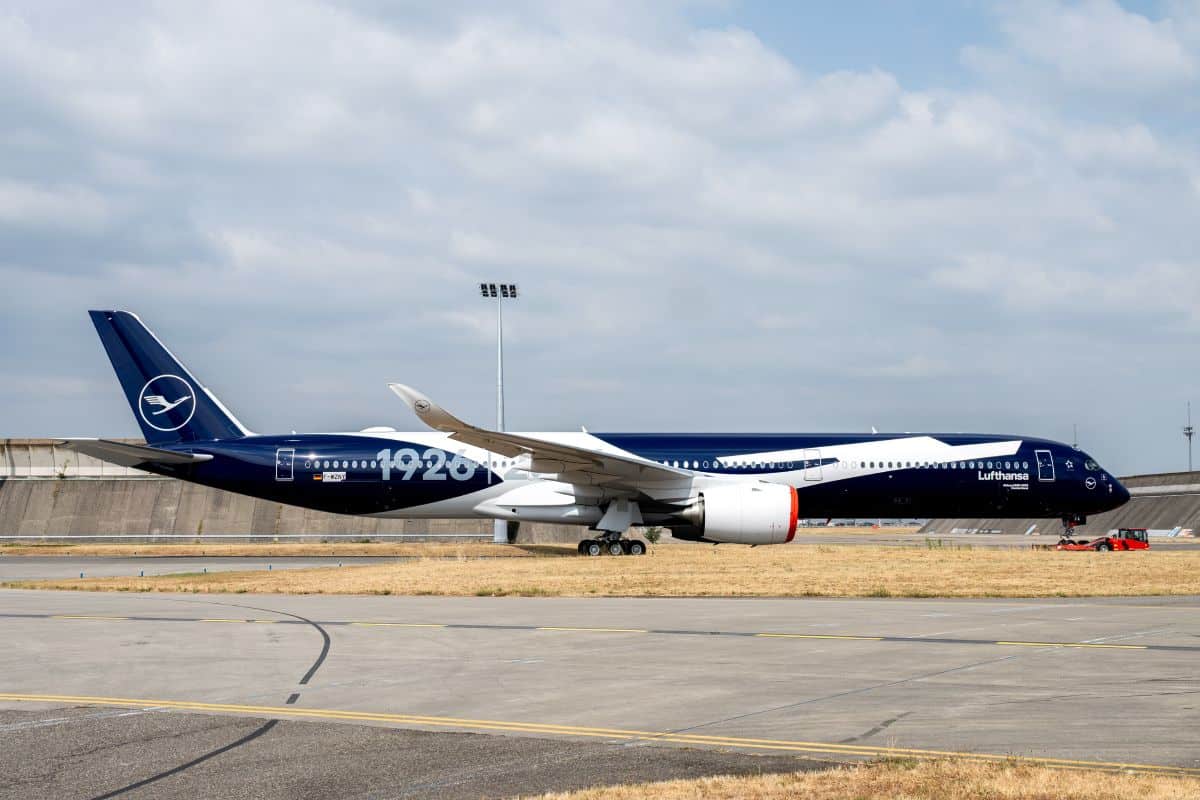
The terrifying Lufthansa Boeing 747-8 LAX aborted landing exposed the agonising plight of travellers departing Germany for the United States. The Flight LH456 safety procedure occurred during a highly unstable final descent on Saturday, October 10, 2026. The massive aircraft briefly touched the Los Angeles International Airport runway before initiating a rapid, steep ascent. Officials confirmed this sudden manoeuvre strictly followed established aviation safety standard protocols to prevent a catastrophic tail strike. While visually shocking, industry experts immediately evaluated Boeing jumbo jet passenger rights and potential European Regulation EC 261 compensation claims. Fortunately, the commercial aircraft eventually touched down safely, ensuring complete passenger security despite the harrowing mid-air ordeal.
Understanding The Approach Sequence
The aircraft departed Frankfurt Airport in Germany exactly on schedule. Data from the Federal Aviation Administration highlights a challenging final descent into California. Reports indicate the jet touched down late on the designated landing strip. Only 6,000 feet of tarmac remained when the wheels made initial contact. Continuing an unstable landing presents unacceptable risks to commercial passenger safety. The flight crew chose to abort the landing immediately to preserve safety. This swift, decisive action prevented a potential runway overrun disaster.
Advertisement
Advertisement
The Mechanics Of A Go-Around
A go-around represents a fundamental defensive manoeuvre in commercial aviation. The International Civil Aviation Organization defines it strictly as a safety correction. Pilots pitch the nose upward and simultaneously apply maximum engine thrust. This thrust allows the massive aircraft to climb rapidly away from the ground. The visual steepness of this specific event appeared highly dramatic. The long fuselage of the jumbo jet increases tail strike vulnerabilities. Post-flight engineering inspections subsequently confirmed that no physical contact occurred.
The Flight LH456 Safety Procedure
The Flight LH456 safety procedure followed exact aircraft manufacturer guidelines. Boeing provides highly specific pitch angle limitations for the 747-8i aircraft series. Exceeding these maximum angles during a go-around significantly risks a tail strike. Flight data recorders show the crew remained strictly within operational limits. Air traffic controllers managed the complex airspace efficiently. The controller vectored the aircraft into a standard circular holding pattern. The pilots prepared calmly for their second landing attempt.
Advertisement
Advertisement
Coordination With Air Traffic Control
Air traffic controllers coordinate complex airspace dynamics during a sudden go-around. Controllers must instantly halt other departing or arriving commercial traffic. They issue immediate altitude and heading instructions to the aborting aircraft. The seamless communication between the flight deck and ground control succeeded perfectly. The Federal Aviation Administration audits these interactions to ensure absolute compliance. Excellent coordination prevented any secondary conflicts in the crowded Californian airspace. The system functioned exactly as regulatory authorities designed it.
The Los Angeles International Airport Runway
The incident unfolded on the shortest northern Los Angeles International Airport runway. Runway 24R frequently handles heavy international wide-body arrivals daily. However, its shorter length demands absolute precision from arriving flight crews. The Federal Aviation Administration monitors landing data across this specific strip continuously. Sea breezes and thermal shifts often destabilise final approaches without any warning. Pilots maintain heightened situational awareness when landing at this coastal facility. The runway was thoroughly inspected following the aborted landing event.
Advertisement
Advertisement
Passenger Reassurance And Communication
Passengers aboard the massive jet experienced sudden, intense gravitational forces. The rapid acceleration and steep climb understandably provoked momentary cabin anxiety. However, cabin crew members receive extensive training to reassure passengers immediately. Announcements from the flight deck clarified the situation once a safe altitude was reached. Corporate communications emphasised that passenger safety always remains their paramount objective. The airline acknowledged the terrifying exterior visuals of the aborted landing manoeuvre. The aircraft was never in actual peril during the procedure.
Examining Financial Repercussions
The operational disruption prompted inquiries regarding European Regulation EC 261 compensation. This stringent law protects passengers departing from European Union member states. Frankfurt departures fall directly under this strict regulatory framework. Mandatory compensation triggers only when passengers arrive three hours late. The aborted landing caused minimal overall delay for the arriving passengers. The aircraft touched down safely just fifteen minutes after the initial incident. Therefore, financial compensation laws do not apply to this specific event.
Boeing Jumbo Jet Passenger Rights
Boeing jumbo jet passenger rights depend strictly on final arrival times. The momentary in-flight tension does not qualify for statutory financial payouts. The European Civil Aviation Conference clarifies these legal boundaries explicitly in their documentation. Airlines must provide care only during extended logistical delays. Since the flight arrived almost on time, no care was mandated. The carrier maintains that providing a safe flight completely fulfills their primary contract. Passengers hold no valid grounds for financial claims regarding the go-around.
Impact On The Return Leg
The return journey to Germany faced minor logistical hurdles. The aircraft required standard post-incident inspections before departing Los Angeles. Ground engineers meticulously checked the tail section for any hidden structural damage. This necessary inspection caused a departure delay of nearly one hour. However, the 747-8i features immense aerodynamic efficiency and cruising speed. Flight tracking data confirms the aircraft made up lost time seamlessly. It eventually arrived at Frankfurt Airport ahead of its scheduled time.
Operational Resilience Of The Carrier
The airline demonstrated significant operational resilience during this high-profile event. Technical teams at LAX cleared the aircraft swiftly and professionally. The German Federal Bureau of Aircraft Accident Investigation noted the efficiency. Quick turnaround times reflect highly trained maintenance personnel and robust protocols. The airline successfully avoided cascading network delays across its global schedule. The quad-engine jet remains a reliable workhorse for crucial transatlantic routes. Operations returned to absolute normality immediately following the successful inspection.
The Role Of Modern Flight Tracking
Modern flight tracking platforms provide unprecedented transparency for major aviation incidents. The general public can monitor altitude, speed, and trajectory in real-time. This open data demystifies dramatic events like a steep go-around. The International Air Transport Association supports transparent operational data sharing. It helps educate the public on established aviation safety standard protocols. Enthusiasts and experts analysed the flight data globally. The data confirmed the pilots executed a flawless recovery manoeuvre.
Advertisement
Advertisement
Industry Perspectives On Safety
The global aviation industry views go-arounds as exceptionally positive safety indicators. The Flight Safety Foundation actively encourages pilots to abort unstable landings unconditionally. Punishing flight crews for executing go-arounds creates dangerous operational cultures. Public support of pilots strongly reinforces this safety-first mentality. Other major carriers routinely review these incidents to update internal training modules. The industry learns and adapts from every single documented operational event. Safety remains the highest priority for all major commercial airlines.
Continuous Pilot Training Programmes
Commercial pilots undergo rigorous, continuous training to handle unpredictable variables. Simulator sessions faithfully recreate unstable approaches at challenging global airports. Crews must demonstrate absolute proficiency in executing go-arounds under immense pressure. The European Union Aviation Safety Agency mandates strict ongoing training requirements. The successful aborted landing perfectly highlights this extensive preparation. The pilots reacted instinctively and correctly to a rapidly deteriorating situation. Their actions highlight the immense value of mandatory recurrent simulator training.
The Legacy Of Jumbo Jets
The Boeing 747-8i represents one of the final jumbo jet variants globally. Many airlines are retiring four-engine aircraft for more efficient twin-engine alternatives. However, the German flag carrier remains heavily committed to operating the iconic aircraft. The jet offers immense passenger capacity for crucial high-density global routes. Its performance during this incident proved its continued aerodynamic capabilities vividly. The powerful engines provided the necessary thrust for a safe, rapid escape. The aviation community continues to admire the engineering of the 747.
Evaluating Travel Industry Helpfulness
This detailed report is highly helpful for international travellers. It clearly outlines the strict parameters of passenger compensation rights. Consumers understand precisely when they qualify for financial payouts. Furthermore, the article demystifies a terrifying visual event. Travellers can feel reassured knowing go-arounds are standard, highly practised safety manoeuvres. For the aviation industry, the helpfulness is equally absolute. The transparent explanation reinforces global trust in commercial aviation safety systems. It validates the immense financial investments in pilot simulator training.
Final Thoughts On The Incident
Aviation remains the safest mode of mass international transport globally. Incidents that appear terrifying often demonstrate the safety system working perfectly. Every procedure, from air traffic control to pilot training, functioned flawlessly. The runway was cleared efficiently and professionally by ground control. The standard safety procedure protected hundreds of innocent lives effortlessly. Airlines will consistently prioritise safety over passenger comfort during unstable approaches. The global aviation network relies entirely on this uncompromising safety culture.
Conclusion: A Testament To Skill
The spectacular Lufthansa Boeing 747-8 LAX aborted landing proves immense pilot expertise. Travelling seamlessly between Germany and the United States remains incredibly safe. The flight crew demonstrated masterclass handling of a massive commercial aircraft. Strict adherence to established safety standard protocols prevented a potential tragedy. Statutory passenger compensation rules correctly apply only to significant arrival delays. The commercial aviation industry rightfully celebrates this event as a safety victory. The professional response will continuously inform future aviation training modules globally.
Advertisement
