
Australia Steps Up With Fiji Plus Others as Sydney-Melbourne Boost Premium Pacific Travel Experiences

Updated
Published
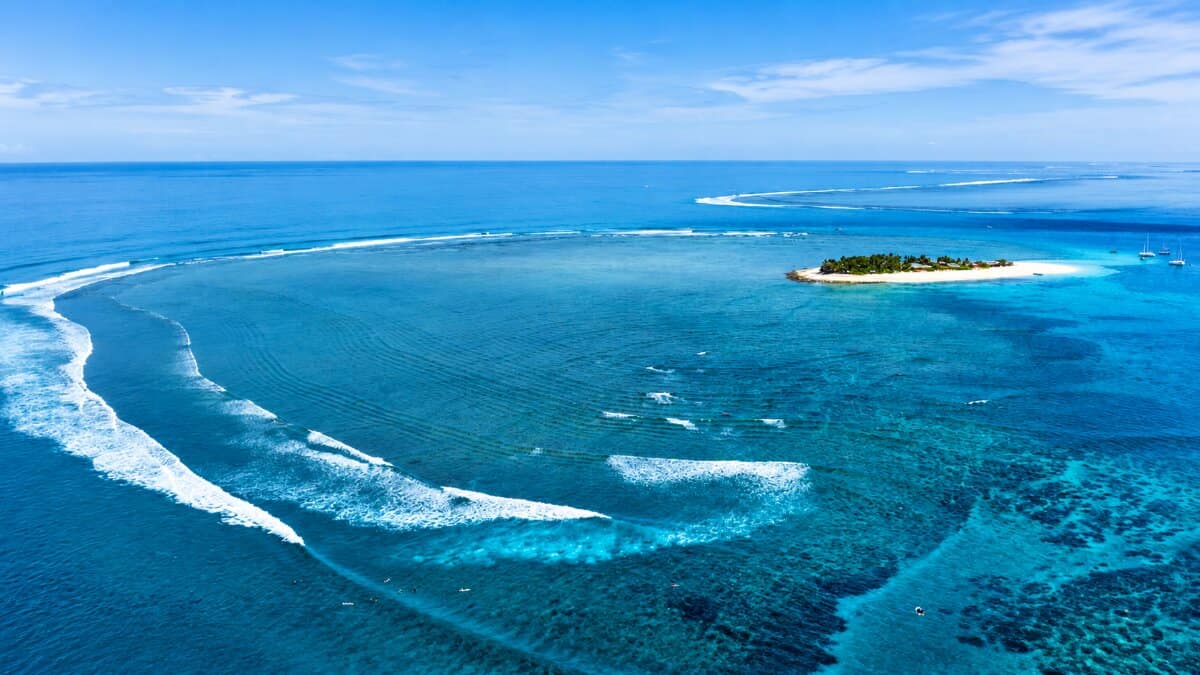
Australia and Pacific island destinations are entering a new phase of tourism development as governments and tourism organisations increasingly focus on high-value travellers, sustainable experiences and longer-stay visitors rather than relying only on visitor numbers. Australia’s Sydney and Melbourne gateway markets, New Zealand’s premium nature tourism model, Fiji’s resort economy, Samoa’s cultural tourism and Vanuatu’s low-impact island strategy reveal a shared regional direction: creating greater economic value from every traveller while protecting natural and cultural assets.
Pacific Tourism Enters A New High Value Traveller Era
The Pacific tourism landscape is changing from a traditional beach holiday model into a more diversified experience economy. Australia, New Zealand, Fiji, Samoa and Vanuatu are increasingly developing tourism products designed around premium spending, authentic cultural encounters, conservation, wellness, adventure and sustainable travel.
The emerging trend is not based on a single regional agreement but on a shared market response. Destinations across Oceania are competing for travellers who stay longer, spend more and seek meaningful experiences.
Australia is one of the strongest examples of this transformation. Tourism Australia’s latest strategic direction places high-yield travellers at the centre of future growth. The organisation reported that international visitor expenditure reached a record level in 2025, with high-yield segments contributing significantly to tourism value. Tourism Australia’s Tourism 2035 strategy aims to increase international leisure and business events expenditure through targeted global marketing and stronger destination competitiveness.
Advertisement
Advertisement
The wider regional opportunity is clear: Pacific destinations are no longer competing only on beaches and weather. They are competing on exclusivity, authenticity and sustainability.
Advertisement
Advertisement
Australia Builds Premium Tourism Through Sydney And Melbourne Gateways
Australia’s tourism transformation provides the regional foundation for this Pacific shift because Sydney and Melbourne operate as major international gateways connecting travellers with wider Oceania experiences.
The country’s tourism strategy focuses on expanding destination diversity beyond traditional visitor routes. Australia’s THRIVE 2030 strategy identifies diversification of markets, experiences and destinations as a key priority, including stronger regional tourism development and Indigenous tourism opportunities.
Australia Tourism Direction
| Focus Area | Strategic Importance |
|---|---|
| High-value travellers | Increasing visitor expenditure rather than only arrivals |
| Indigenous experiences | Expanding cultural tourism products |
| Regional destinations | Spreading tourism benefits beyond major cities |
| Business events | Growing premium international travel segments |
| Sustainable tourism | Protecting long-term destination value |
Sydney continues to serve as a major international entry point through its aviation connectivity, cruise infrastructure and urban tourism experiences. Melbourne has strengthened its position through business events, culture, food tourism and major international gatherings.
Tourism Australia’s 2026 planning documents highlight continued focus on international leisure and business events markets, with travel trade engagement and premium visitor segments remaining central priorities.
For travel operators, this creates opportunities to combine Australian city stays with Pacific island extensions, creating multi-destination premium itineraries.
Advertisement
Advertisement
New Zealand Strengthens Premium Nature And Adventure Tourism
New Zealand follows a similar path by focusing on tourism value rather than simple visitor growth.
The country’s tourism policy direction aims to increase tourism export value while maintaining environmental and community benefits. The New Zealand Tourism Growth Roadmap targets doubling tourism export value from 2023 levels to NZ$19.8 billion by 2034.
Tourism New Zealand highlights opportunities in:
- premium accommodation
- wellness tourism
- adventure experiences
- nature-based travel
- cultural tourism
Official investment information from New Zealand identifies growing international demand for premium sustainable experiences, including adventure and wellness products.
The country’s approach complements the Pacific island model because both rely heavily on natural landscapes and cultural identity.
Advertisement
Advertisement
Fiji Moves Towards Sustainable Resort And Experience Tourism
Fiji represents one of the strongest examples of Pacific island tourism diversification.
The destination has traditionally depended heavily on resort tourism, but its current policy direction focuses on sustainability, community involvement and stronger tourism regulation.
Fiji’s National Sustainable Tourism Framework 2024–2034 aims to transform the tourism sector by balancing economic growth with environmental protection, cultural preservation and social benefits.
The country also introduced the Tourism Act 2026, updating tourism regulation to reflect the modern scale and complexity of the industry. The legislation covers a wider tourism ecosystem including accommodation providers, operators and community-based tourism activities.
Fiji’s Premium Tourism Development Areas
| Segment | Traveller Opportunity |
|---|---|
| Luxury resorts | High-spending leisure travellers |
| Marine tourism | Diving, sailing and ocean experiences |
| Wellness | Retreat-based holidays |
| Community tourism | Authentic cultural engagement |
| Adventure | Hiking and outdoor experiences |
Fiji’s strategy demonstrates the wider Pacific movement from a traditional resort-only approach towards a broader experience economy.
Advertisement
Advertisement
Samoa Uses Culture And Authenticity To Attract Conscious Travellers
Samoa’s tourism opportunity is closely connected with cultural authenticity.
Unlike larger tourism markets, Samoa’s competitive advantage comes from preserving Polynesian traditions, community experiences and natural landscapes.
The country’s tourism model aligns with the wider Pacific direction of sustainable development by promoting experiences that connect visitors with local communities.
For international tour operators, Samoa represents a destination where travellers can access slower-paced, culturally focused island experiences rather than standard mass-market beach holidays.
This supports the broader regional trend of attracting travellers interested in:
Advertisement
Advertisement
- meaningful cultural interaction
- local food experiences
- nature exploration
- responsible tourism
Vanuatu Develops Low Impact Tourism Model Around Port Vila And Luganville
Vanuatu provides another example of Pacific tourism diversification.
The Vanuatu Department of Tourism is currently strengthening its sustainable tourism approach around five major pillars:
- high-value low-impact tourism
- niche product development
- inclusive value chains
- sustainability governance
- improved cruise tourism planning
The department has also highlighted the importance of developing tourism products while ensuring benefits reach local communities.
Port Vila remains the country’s primary tourism gateway, while Luganville provides access to adventure, cultural and natural experiences.
Vanuatu Tourism Opportunities
| Area | Growth Potential |
|---|---|
| Diving tourism | Marine exploration |
| Volcano experiences | Adventure travel |
| Cruise tourism | Regional visitor expansion |
| Cultural tourism | Authentic island experiences |
| Eco tourism | Low-impact travel |
The country’s direction closely matches the wider Pacific shift towards quality tourism growth.
Advertisement
Advertisement
Shared Regional Strategy Creates New Opportunities For Travel Sellers
Although Australia, New Zealand, Fiji, Samoa and Vanuatu operate separate tourism systems, they share several strategic priorities.
Common Tourism Direction
| Shared Goal | Regional Impact |
|---|---|
| Higher visitor value | Greater tourism revenue |
| Sustainable development | Protection of natural assets |
| Cultural experiences | Stronger destination identity |
| Longer stays | Higher economic contribution |
| Product diversification | Reduced dependence on one tourism segment |
For travel advisors and tour operators, the biggest opportunity is packaging connected experiences.
Examples include:
- Sydney or Melbourne city breaks combined with Fiji island stays
- New Zealand adventure journeys followed by Pacific relaxation holidays
- Cultural itineraries connecting Polynesian and Melanesian destinations
The future Pacific traveller is increasingly expected to seek complete experiences rather than isolated destinations.
Operational Takeaways For Travel Agents And Tour Operators
- Develop premium multi-country Oceania packages combining cities, islands and nature experiences.
- Highlight sustainability credentials when marketing Pacific destinations.
- Focus on longer-stay travellers rather than short beach holidays.
- Build cultural tourism products with local community involvement.
- Track aviation capacity and regional connectivity developments.
- Promote shoulder-season travel to reduce pressure on popular destinations.
- Educate customers about responsible island tourism practices.
Long Term Impact On Global Travel Trends
The tourism market in the Pacific is changing into an advanced way where what things are worth being good for the environment and how good the experiences are are what make places stand out from each other.
Advertisement
Advertisement
Cities in Australia that serve as entry points New Zealands focus on adventures Fijis top-end hotels, Samoas traditions and history and Vanuatus approach that doesn’t harm the environment show that the whole region is changing together.
This change over time is expected to create an identity for tourism in the Pacific based on special experiences instead of just having more visitors. For companies that work in travel, around the world this means chances to create valuable trips that mix city areas, island getaways chances to help protect nature and ways to learn about local cultures.
Frequently Asked Questions
1. Are Australia Fiji Samoa Vanuatu and New Zealand launching a joint tourism campaign?
No official joint premium tourism campaign involving all five destinations has been verified as of 22 September 2026. The connection is a shared tourism development trend.
2. Why are Pacific destinations focusing on premium travellers?
Premium travellers generally contribute higher spending through longer stays, luxury accommodation, specialised experiences and greater participation in local tourism activities.
3. Which Australian cities are important for Pacific tourism connectivity?
Sydney and Melbourne are major international gateways supporting connections between Australia and wider Oceania destinations.
Advertisement
Advertisement
4. What type of experiences are growing in Pacific tourism?
Nature tourism, wellness, cultural experiences, adventure travel, marine tourism and sustainable accommodation are among the fastest-growing areas.
5. What should travel operators do with this tourism trend?
Operators should create experience-focused packages combining destinations, sustainability elements and authentic local activities rather than only traditional beach holidays.
Advertisement
