
Kazakhstan Remains Safe for US Travellers as Country Holds Lowest Travel Advisory Level in 2026

Published
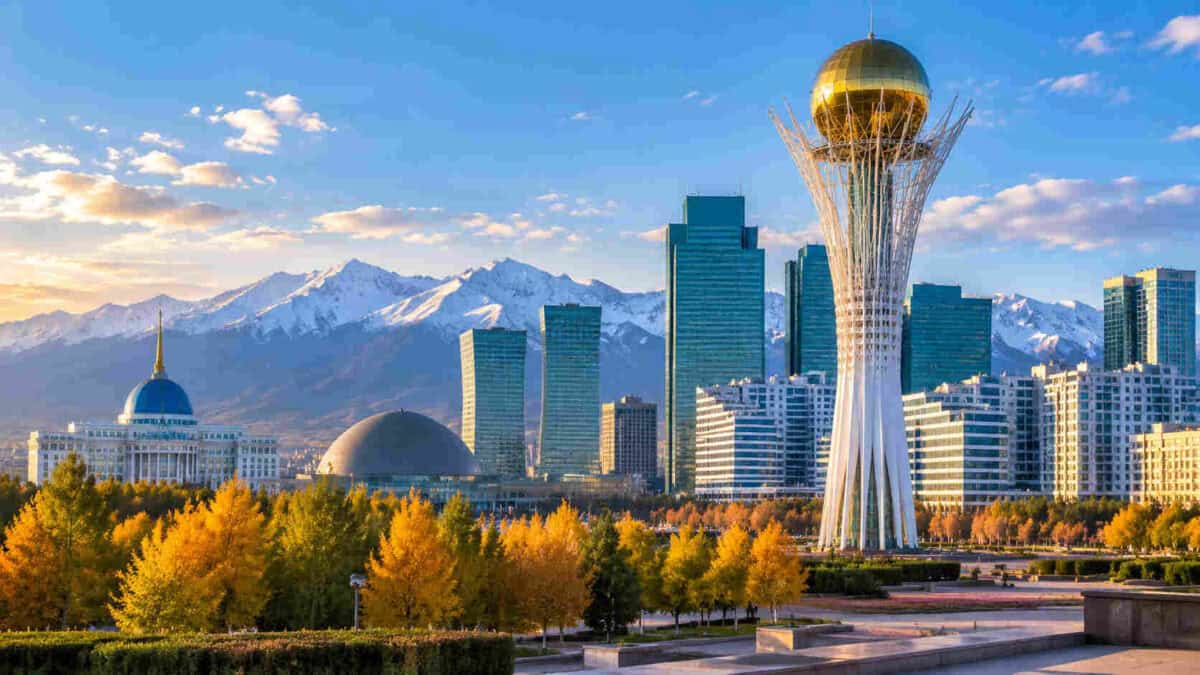
Kazakhstan remains at the bottom tier of the United States’ international travel advisory system, with a recommendation for travellers to take customary precautions for international travel.
The U.S. Department of State’s Travel Advisory for Kazakhstan was last updated on August 18, 2026, keeping Kazakhstan at Level 1 – Exercise Normal Precautions. The advisory level and the risk indicators did not change. The department noted that the summary information was updated. According to the recent guidance, Kazakhstan is generally safe for travel, but travelers should multi-faceted travel advice before traveling.
The designation is important for Americans considering trips to Kazakhstan because Level 1 represents the lowest of the State Department’s four travel advisory categories. It does not mean that travel is entirely free from risk. Instead, it indicates that travellers should follow routine personal-security measures and remain aware that conditions, laws and emergency services abroad can differ from those in the United States.
Kazakhstan Remains at Level 1 Following Latest US Review
The 18 August update continued Kazakhstan’s existing Level 1 status rather than introducing a new warning or raising the level of caution recommended for visitors.
Advertisement
Advertisement
The advisory history shows that Kazakhstan was also at Level 1 when the guidance was reviewed in August 2024. The latest update kept the same classification and did not introduce new risk indicators.
Under the State Department system, Level 1 advises travellers to use normal precautions. Level 2 calls for increased caution when additional safety or security risks are present. Level 3 recommends reconsidering travel because of serious concerns, while Level 4 advises against travel because of potentially life-threatening risks and possible limitations on the U.S. government’s ability to assist citizens during emergencies.
Advertisement
Advertisement
The categories are therefore intended to help Americans understand destination-specific conditions rather than function as a global competition or ranking of countries according to safety.
Several Major Destinations Also Carry Level 1 Advisories
Kazakhstan is not alone in receiving the lowest advisory classification.
Advertisement
Advertisement
Other destinations currently shown at Level 1 include Japan, Switzerland, Slovakia and Slovenia, among many others. Japan remains under normal-precautions guidance, while Switzerland was listed at Level 1 following an advisory update dated 14 August 2026. Slovakia and Slovenia are also classified at the lowest level.
The State Department nevertheless applies different classifications to destinations where it identifies additional security concerns. Spain, Sweden, Türkiye and the United Kingdom, for example, are currently at Level 2, meaning American visitors are advised to exercise increased caution.
These differences underline the importance of checking the specific advisory for a destination rather than assuming that neighbouring countries or popular tourism markets operate under identical conditions.
Travellers Are Still Expected to Respect Kazakhstan’s Local Laws
Kazakhstan’s Level 1 classification does not remove the need for visitors to understand the country’s legal system.
Advertisement
Advertisement
The State Department warns American citizens that they remain subject to local law while travelling. Breaking Kazakhstan’s laws can lead to detention, prosecution, fines, imprisonment or deportation, including in situations where travellers claim they were unaware of a particular restriction.
This makes advance preparation particularly important. Visitors should familiarise themselves with rules concerning identification, photography, controlled substances, driving and other areas where legal expectations may differ significantly from those in the United States.
Travellers are advised to carry their passport or an appropriately certified copy. Photography of certain government buildings, military facilities and sensitive infrastructure can also create legal problems and may lead to detention or financial penalties.
Drug Offences Can Bring Severe Criminal Penalties
One of the clearest warnings in the official travel information concerns illegal drugs.
Possession, use or trafficking of prohibited substances can result in lengthy prison sentences and substantial fines. The warning applies despite Kazakhstan’s overall Level 1 travel classification, demonstrating how a low national advisory level does not override strict local legislation.
Prescription medicines also require attention. American visitors are advised to keep medication in its original packaging together with the prescription and to check whether the medicine is legal and registered for use in Kazakhstan. Certain narcotic drugs, psychotropic substances, stimulants and other controlled medicines can face restrictions.
Advertisement
Advertisement
Travellers carrying prescription medication should therefore check the relevant requirements before flying rather than assuming that a medicine legally obtained in their home country can automatically be taken across the border.
Kazakhstan Applies Zero Tolerance to Drink-Driving
Road users face another particularly strict rule.
Kazakhstan operates a zero-tolerance approach to driving after consuming alcohol, with the effective permitted blood-alcohol concentration at 0.00%. A driver found operating a vehicle under the influence can face immediate detention.
For international visitors hiring vehicles or travelling independently, the implication is straightforward: drinking any alcohol before driving can expose a traveller to serious legal consequences.
The rule is among the most important practical differences American tourists should understand when organising road journeys within Kazakhstan.
Medical Services May Fall Below Standards Travellers Expect in the US
Healthcare is another area highlighted by the official guidance.
Advertisement
Advertisement
The State Department says medical-care options in Kazakhstan can be limited and may fall considerably below the standards Americans are accustomed to receiving in the United States.
The issue becomes particularly relevant outside major urban centres. Travellers injured during tourism or outdoor activities may need to travel to a major city to obtain appropriate treatment, while emergency responders may have difficulty reaching remote locations. Americans are therefore encouraged to consider insurance that includes medical evacuation.
Medical treatment is not automatically free. Hospitals and doctors can require cash payments, and credit-card facilities may not always be available. Travellers should also verify whether their existing health insurance covers overseas treatment because U.S. government programmes such as Medicare and Medicaid do not normally cover medical costs abroad.
These considerations become especially important for travellers planning hiking, adventure tourism or journeys through isolated areas.
Flooding Is Included in Kazakhstan’s Updated Travel Guidance
The revised advisory also draws attention to weather-related risks.
The State Department notes that Kazakhstan regularly experiences flooding and recommends that visitors review information concerning weather and natural disasters before travelling.
Advertisement
Advertisement
Kazakhstan’s vast geography means conditions can vary considerably between regions, making local forecasts and official warnings particularly relevant for travellers moving between cities and more remote destinations.
Weather preparedness is therefore part of the wider travel-planning process even though the country remains under the lowest general safety advisory.
Entry Requirements Should Be Checked Before Departure
American travellers should also review passport, visa and border requirements before their journey.
Current State Department information says U.S. visitors travelling for 30 days or less do not require a tourist visa. The guidance also states that passports must meet applicable validity requirements and contain sufficient space for entry stamps.
Because immigration rules can change independently of a travel advisory, passengers should check requirements again shortly before departure rather than relying on information gathered when a trip was initially booked.
Entry rules, airline documentation requirements and local regulations can all affect a journey even when the destination carries a Level 1 advisory.
Advertisement
Advertisement
What Kazakhstan’s Level 1 Status Means for American Travellers
For travellers, the central message is relatively straightforward. Kazakhstan remains a destination where the U.S. government currently recommends normal precautions, rather than increased caution, reconsideration of travel or avoidance of travel altogether.
That classification, however, should not be interpreted as permission to travel without preparation.
Visitors still need to understand Kazakhstan’s strict laws governing drugs and alcohol, follow identification and photography rules, prepare for possible limitations in healthcare, consider medical-evacuation insurance and monitor local conditions, including flooding and other weather-related disruption.
For Americans planning holidays, business journeys or longer trips across Kazakhstan, checking updated entry requirements and official embassy information shortly before departure remains one of the most practical ways to reduce avoidable problems.
Kazakhstan’s continued Level 1 status gives travellers a relatively favourable advisory signal. The wider guidance makes equally clear, however, that normal precautions still require careful preparation, respect for local law and realistic planning for health, transport and unexpected situations abroad.
Advertisement
