
These Hidden Caves in Oman, Saudi Arabia and Lebanon Are Turning the Middle East Into an Unexpected Adventure Hotspot

Published
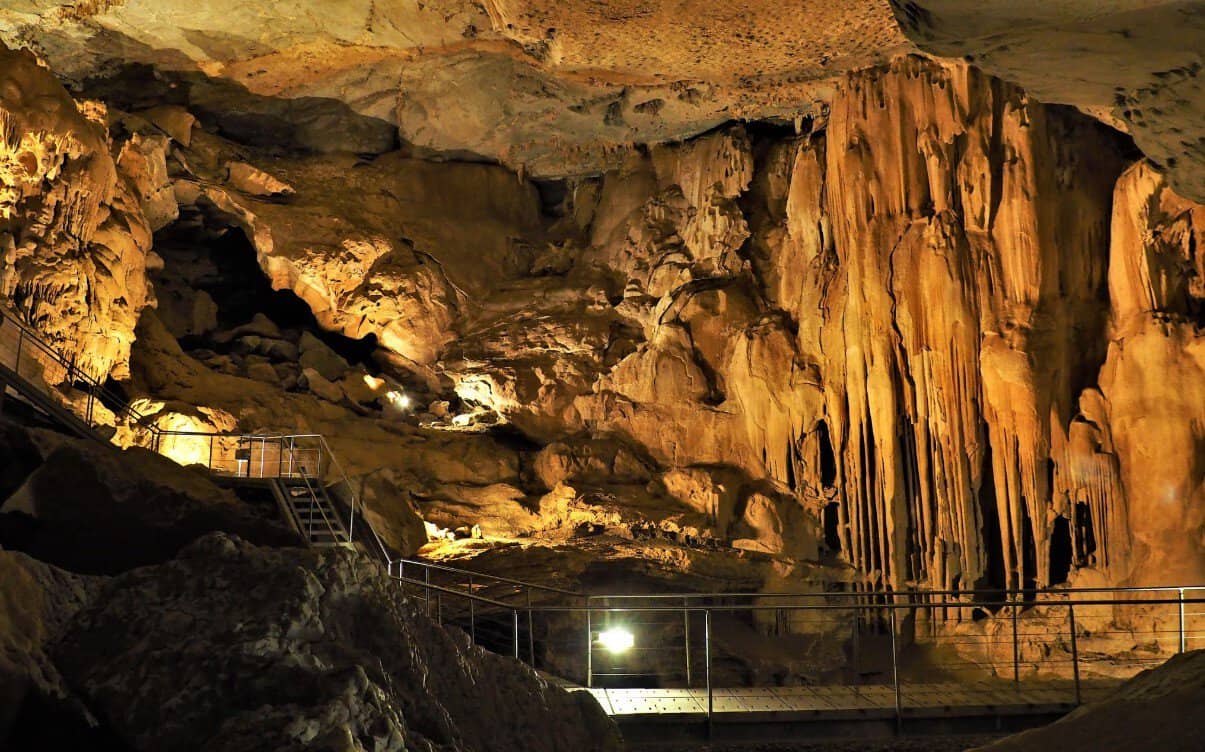
Oman is emerging as the Middle East’s strongest destination for accessible cave tourism, combining developed underground attractions with guided adventure experiences and some of the region’s most spectacular natural caverns.
From the fully developed Al Hoota Cave near Al Hamra to the enormous Majlis al Jinn chamber and the cave landscapes around Wadi Shab, Oman offers a broad range of subterranean experiences.
Elsewhere, Saudi Arabia is developing its natural and heritage tourism proposition around distinctive rock formations and cave landscapes, while Lebanon remains home to the spectacular Jeita Grotto, one of the region’s best-known underground attractions.
The destinations offer very different experiences, ranging from accessible illuminated cave tours to rugged exploration and adventure tourism.
Advertisement
Advertisement
Oman Emerges as Middle East Cave Tourism Leader
Oman has developed one of the region’s most accessible cave-tourism ecosystems, making underground exploration part of its wider adventure and nature-based tourism offering.
Advertisement
Advertisement
The country’s combination of limestone formations, underground chambers, natural lakes, wadis and dramatic mountain landscapes provides a distinctive setting for subterranean tourism.
Among its attractions, Al Hoota Cave stands out because it has been developed specifically for visitors, while other sites offer considerably more challenging experiences.
This combination allows Oman to cater to both conventional tourists and travellers looking for more demanding outdoor adventures.
Advertisement
Advertisement
Al Hoota Cave Offers a Fully Developed Underground Experience
Located near Al Hamra in the Western Hajar region, Al Hoota Cave is widely recognised as the first fully developed show cave in the lower Arabian Peninsula.
The attraction has infrastructure designed to make underground exploration accessible to a broad visitor base.
Advertisement
Advertisement
Guests can use an electric tourist train to reach the cave entrance before following illuminated walkways through sections of the subterranean system.
Inside, visitors encounter underground lakes, dramatic rock formations and a distinctive cave ecosystem.
One of the cave’s most unusual natural features is its population of transparent blind fish, adapted to life in the subterranean environment.
The attraction also offers more demanding experiences for adventure travellers, including deep-caving and wet-walking excursions, providing an alternative to the standard visitor route.
Middle East Cave Tourism at a Glance
| Country | Cave destination | Experience | Accessibility |
|---|---|---|---|
| Oman | Al Hoota Cave | Show cave, underground lakes and guided adventure | Highly developed |
| Oman | Majlis al Jinn | Giant natural chamber and adventure tourism | Limited / guided |
| Oman | Wadi Shab | Wadi, caves and natural pools | Semi-rugged |
| Saudi Arabia | Jabal Al Qarah | Rock corridors and sandstone formations | Public attraction |
| Saudi Arabia | Hegra & Desert Rock | Heritage, rock formations and experiential stays | Developing |
| Lebanon | Jeita Grotto | Karst cave, formations and underground river | Developed |
Majlis al Jinn Is a Giant Underground Chamber
Oman’s Majlis al Jinn, located on the Salma Plateau, represents a very different form of cave tourism.
Advertisement
Advertisement
The enormous natural chamber is widely known for its extraordinary scale and has become one of the country’s most remarkable subterranean geological attractions.
Unlike Al Hoota Cave, Majlis al Jinn is not primarily a conventional show-cave experience.
Its enormous scale and challenging access make it more suited to specialised adventure and exploration tourism.
Development initiatives have sought to integrate major natural attractions into Oman’s wider tourism economy while maintaining appropriate controls around access and environmental protection.
For experienced adventurers, the site represents a dramatically different proposition from an illuminated tourist cave.
Advertisement
Advertisement
Wadi Shab Combines Caves, Water and Adventure
Wadi Shab provides another distinctive way to experience Oman’s underground landscapes.
The popular destination combines hiking, riverbeds, natural pools and coastal geological formations, with cave pockets forming part of the wider outdoor experience.
Rather than functioning as a traditional show cave, Wadi Shab is more suited to travellers seeking semi-rugged nature-based exploration.
Visitors can combine hiking with swimming and exploration around the wadi’s natural formations.
The attraction is particularly appealing because the caves form part of a much larger landscape rather than being the sole focus of the excursion.
Advertisement
Advertisement
Saudi Arabia Expands Natural Tourism
Saudi Arabia has a substantial geological and heritage tourism proposition, although its cave tourism infrastructure remains less developed than Oman’s.
The country’s expanding tourism sector, supported by Saudi Vision 2030, is increasingly incorporating natural landscapes and distinctive geological formations into its destination offering.
Jabal Al Qarah Provides an Accessible Cave Experience
The Jabal Al Qarah Caves near Al Hofuf are among the country’s best-known cave attractions.
The site is characterised by naturally formed corridors, rock passages and striking sandstone formations.
The caves provide a relatively accessible way for visitors to experience Saudi Arabia’s geological landscape without undertaking highly technical spelunking.
Advertisement
Advertisement
The destination also benefits from its location within the wider Al-Ahsa area, allowing cave visits to be combined with cultural and heritage tourism.
Hegra Blends Heritage and Rock Landscapes
Saudi Arabia’s Hegra and Desert Rock developments demonstrate another direction for the country’s underground and rock-based tourism.
Rather than focusing exclusively on conventional caving, these destinations combine rock-hewn architecture, heritage landscapes and luxury hospitality.
The approach reflects Saudi Arabia’s broader strategy of developing high-end experiential tourism.
Traditional spelunking remains comparatively limited, but the integration of natural rock environments into luxury accommodation and heritage experiences provides another pathway for subterranean and geological tourism.
Advertisement
Advertisement
Lebanon’s Jeita Grotto Remains a Major Attraction
Lebanon offers one of the Middle East’s most established underground visitor attractions with Jeita Grotto.
Located north of Beirut, the spectacular karst cave system features multiple underground levels, enormous stalactites and stalagmites and subterranean waterways.
The cave’s geological formations create a dramatic visitor experience, with the attraction historically offering boat tours through its underground river sections when conditions permit.
Jeita Grotto is substantially different from Oman’s adventure-oriented sites.
Its developed visitor infrastructure makes it more suitable for mainstream tourism, while its underground river and extensive formations provide a strong natural attraction for visitors interested in geology and landscape.
Advertisement
Advertisement
Access can be influenced by seasonal water levels, meaning visitors should check operating conditions before travelling.
Oman Offers the Broadest Cave Tourism Mix
When the destinations are considered together, Oman currently offers the broadest range of cave-tourism experiences in the region.
The country combines an accessible show cave at Al Hoota with more demanding natural sites such as Majlis al Jinn and the semi-rugged environments around Wadi Shab.
This creates a tourism ladder ranging from family-friendly underground sightseeing to specialist adventure travel.
The combination is particularly valuable for a country seeking to diversify its tourism economy beyond conventional cultural and coastal attractions.
Advertisement
Advertisement
Cave Tourism Supports Adventure Travel
Cave tourism is increasingly connected with the broader adventure and nature-based travel sector.
Visitors who seek underground experiences often also participate in hiking, canyoning, swimming, climbing and other outdoor activities.
This creates opportunities for destinations to package cave visits with wider adventure itineraries.
Oman is particularly well placed for this model because caves are part of a broader landscape that includes the Hajar Mountains, wadis, desert environments and coastline.
Saudi Arabia also has considerable potential as it develops its natural tourism infrastructure, while Lebanon’s established cave attractions provide a strong complement to the country’s cultural and nature tourism offering.
Advertisement
Advertisement
Safety and Access Remain Important
The accessibility of Middle Eastern caves varies considerably.
Developed attractions such as Al Hoota Cave and Jeita Grotto provide infrastructure designed for conventional visitors.
Natural caves such as Majlis al Jinn require a substantially different approach, with specialised equipment, experience and appropriate guidance becoming more important.
Seasonal conditions can also affect underground attractions, particularly caves containing water systems.
Travellers should therefore distinguish between a commercial show-cave visit and genuine spelunking or technical caving, which can involve significantly greater risks.
Advertisement
Advertisement
Middle East Cave Tourism Enters a New Phase
The Middle East’s cave tourism landscape is developing across several different models.
Oman currently stands out because it has combined major natural cave resources with visitor infrastructure and adventure-tourism opportunities.
Saudi Arabia is increasingly incorporating geological landscapes and rock formations into its expanding tourism strategy, while Lebanon’s Jeita Grotto remains a major established natural attraction.
For travellers, the region offers a surprisingly diverse underground tourism experience.
From the illuminated chambers and underground lakes of Al Hoota Cave to the enormous scale of Majlis al Jinn, the rugged landscapes of Wadi Shab, the rock corridors of Jabal Al Qarah and the spectacular underground river system at Jeita Grotto, cave tourism provides another way to explore the Middle East beyond its famous deserts, beaches and historic cities.
Advertisement
Advertisement
As regional destinations continue investing in adventure tourism, nature-based travel and experiential hospitality, subterranean attractions could become an increasingly important part of the Middle East’s expanding tourism proposition.
Advertisement
