
Korean Air Launches Free Starlink Wi-Fi on Long-Haul Flights and New Fleet Expansion by 2027

Published
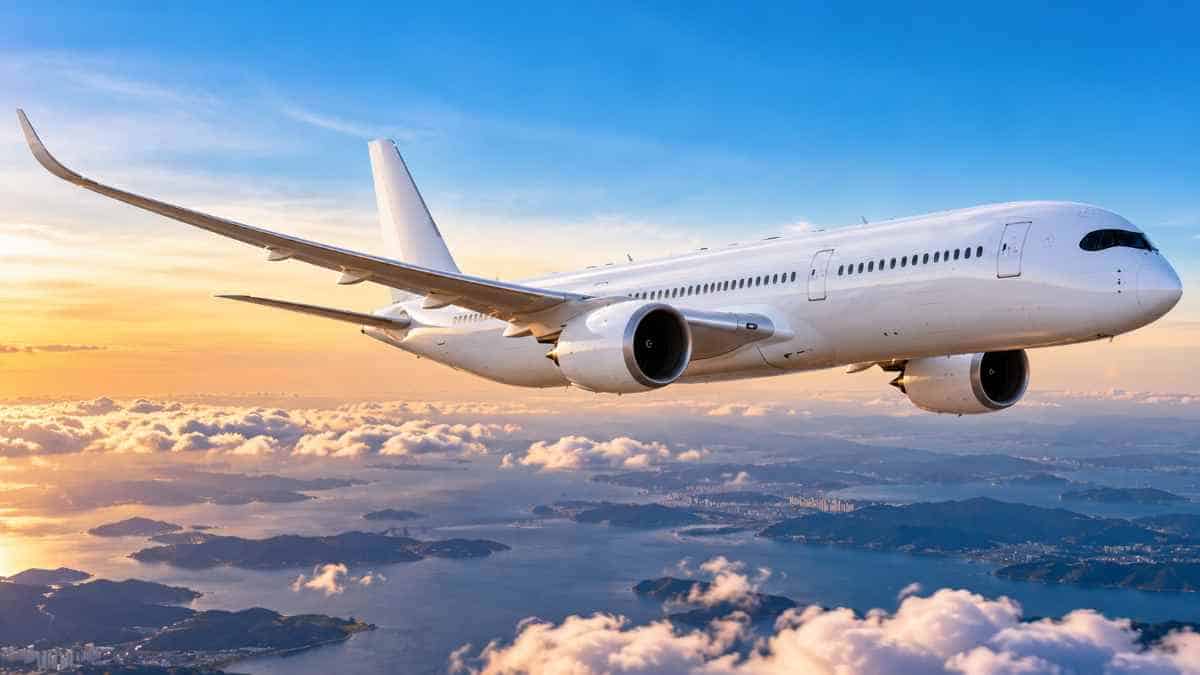
Korean Air has begun equipping its selected flights with the in-flight broadband internet technology of SpaceX’s Starlink, allowing customers to benefit from free, high-speed in-flight Wi-Fi in all classes. The service became available for Korean Air’s passengers on 15 September 2026 and represents an important step in the airline’s strategy for improving its connectivity services and the long-haul passenger experience. Initially, the connectivity service will be implemented on four retrofitted planes – three Airbus A350-900s and one Boeing 777-300ER – which will be used predominantly on medium- and long-haul routes linking South Korea with various American, European, and Southeast Asian destinations as well as some shorter routes. Thus, Korean Air becomes the first full-service carrier in East Asia to introduce SpaceX’s Starlink technology on board its flights. In the future, the airline aims to deploy the service in most of its planes by the end of 2027, although it will be implemented in phases instead of being available on all planes simultaneously. The adoption of this technology is included in a larger-scale connectivity programme carried out by Korean Air’s sister companies – Asiana Airlines, Jin Air, Air Busan, and Air Seoul.
Faster Internet Supports Work and Entertainment
Starlink uses a network of low-Earth-orbit satellites to provide internet connectivity to aircraft in flight. Unlike conventional satellite systems that rely on satellites positioned much farther from Earth, its lower orbital altitude helps reduce signal latency and support faster data transmission.
Advertisement
Advertisement
For passengers, the upgrade is intended to bring the online experience closer to what they expect on the ground. The airline says travellers will be able to browse websites, exchange messages, stream entertainment, play online games and use cloud-based collaboration tools.
The service has particular relevance for corporate passengers travelling between major business centres. Professionals can access online documents, communicate with colleagues, check work platforms and participate in digital collaboration during flights, subject to the airline’s onboard usage restrictions.
Advertisement
Advertisement
Long-haul journeys between Seoul and destinations in North America and Europe can involve many hours in the air. More reliable connectivity can make that time more useful for passengers who need to remain connected to their businesses or manage international schedules.
However, the airline has not positioned the service as an unrestricted communications platform. Voice and video calls remain restricted to maintain cabin comfort and operational security.
Advertisement
Advertisement
Free Wi-Fi Across All Cabin Classes
One of the notable features of Korean Air’s Starlink introduction is that access is free for passengers across every cabin class. This includes Economy, Prestige and First Class passengers on eligible aircraft.
The connection process is designed to be straightforward. Travellers need to switch their devices to aeroplane mode, connect to the onboard Wi-Fi network and enter the passenger name and seat number shown on their boarding pass through the airline’s connectivity portal. A short advertisement completes the access process, without requiring a separate membership registration.
Advertisement
Advertisement
Passengers should check whether their particular flight operates an equipped aircraft, as the service is not yet available throughout the fleet.
Aircraft awaiting installation will continue to offer Korean Air’s existing paid in-flight Wi-Fi service during the transition. This phased arrangement means that the connectivity experience may differ between flights until more aircraft receive the satellite equipment.
For frequent flyers, the free access model also removes the need to purchase a separate internet package on eligible services, potentially making digital connectivity a more consistent part of the airline’s onboard offering.
Long-Haul Aircraft Receive Installation Priority
Korean Air is prioritising aircraft that operate longer international routes, particularly the Airbus A350-900 and Boeing 777-300ER. These aircraft are central to the airline’s international network and serve destinations where passengers may spend extended periods travelling.
Advertisement
Advertisement
The initial four-aircraft introduction represents the first operational stage of a larger programme. The airline’s stated objective is to extend Starlink to most of its operating fleet by the end of 2027.
The wider programme was announced in December 2025, when Hanjin Group confirmed plans to introduce Starlink across five affiliated airlines. The announcement covered Korean Air, Asiana Airlines, Jin Air, Air Busan and Air Seoul.
The installation schedules differ according to each carrier and its fleet requirements. Korean Air and Asiana are prioritising their long-haul widebody aircraft, while Jin Air is expected to begin with its Boeing 737-8 fleet. Air Busan and Air Seoul are assessing installation priorities for their respective aircraft.
The programme is connected to the group’s broader airline integration plans, with the aim of improving connectivity and passenger services across the combined aviation business.
Asiana Airlines Also Introduces Starlink Connectivity
Asiana Airlines is undertaking a parallel rollout, with its initial service covering nine Airbus A350-900s and one Airbus A330-300 that have completed the necessary equipment installation.
The introduction means passengers on eligible Asiana flights will also receive complimentary Starlink-powered Wi-Fi. As with Korean Air, the service is intended to support streaming, browsing, messaging and other data-intensive activities.
Advertisement
Advertisement
The development is relevant as the two airlines move towards a more integrated operation. Their combined connectivity strategy is expected to provide more passengers with access to faster internet as additional aircraft are equipped.
For the wider group, a consistent onboard digital experience could become an important part of its international competitiveness, particularly as airlines increasingly treat connectivity as a core passenger service rather than an optional paid extra.
A New Competitive Focus for Asian Aviation
The deployment of Starlink by Korean Air occurs in light of the increased interest from many air transport operators to equip their flights with satellite internet in order to increase passenger satisfaction and appeal to business travellers. High-speed internet has become a very important feature that passengers look for when considering remaining online during their travel experience. It can be especially useful for carriers serving long haul flights as it might become an important factor for customer satisfaction and loyalty and the value of onboard services. The decision by Korean Air to launch Starlink as a free service for all passengers makes it reach more people in comparison with premium services. The task for the airline now would be to continue installing Starlink on aircraft and maintaining the consistency of the service. The objective to install Starlink on 90 per cent of the fleet by the end of 2027 will be the next target for the program.
Advertisement
