
Barbados Aligns Guyana with Jamaica and More Reshaping Global Tourism Across Seamless Borders in 2026

Updated
Published
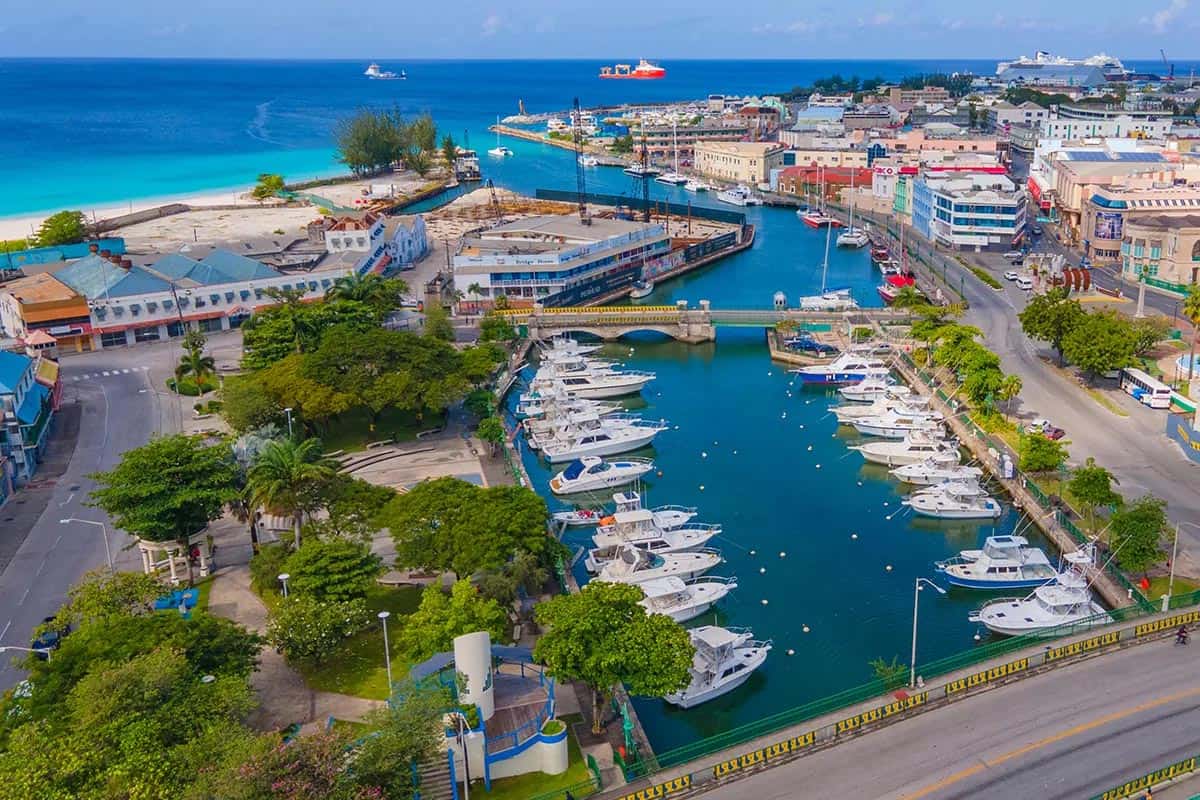
The global travel landscape is witnessing a monumental transformation as Caribbean seamless borders tourism 2026 becomes a tangible reality. Nations such as Barbados, Guyana, and Jamaica are actively forging unprecedented alliances, fundamentally reshaping regional connectivity and economic resilience. Historically fragmented by challenging inter-island logistics, these destinations are now harmonising their strategies to offer multi-destination itineraries that captivate international travellers. Driven by post-hurricane recovery efforts, innovative aviation partnerships, and a resolute shift towards robust sustainable development, this unified front promises immense growth. Understanding this new collaborative framework is essential for industry stakeholders navigating the evolving dynamics of international tourism and prosperity.
Background: Breaking the Silos in Caribbean Travel
Advertisement
Advertisement
For decades, the Caribbean has been celebrated as the premier warm-weather destination for North American and European travellers. However, historically, the region operated in silos. Nations marketed themselves individually, competing fiercely for the same demographic of tourists, whilst complex visa requirements and fragmented aviation networks made inter-island travel prohibitively expensive and logistically arduous. As we advance through the final quarter of the year, the paradigm has irrevocably shifted. The introduction of the Caribbean seamless borders tourism 2026 initiative marks a watershed moment in the region’s economic history. Government ministries, the Caribbean Tourism Organization (CTO), and regional boards have recognised that isolated strategies are no longer viable in a highly competitive, post-pandemic global marketplace.
Through diplomatic cooperation and policy alignment, nations such as Barbados, Guyana, and Jamaica are spearheading a unified front. This multi-destination framework allows international visitors to land in one sovereign state and travel seamlessly to others, effectively mimicking the success of Europe’s Schengen zone. This approach not only extends the average length of stay but also significantly amplifies regional revenue retention, distributing the economic benefits of international tourism across diverse local populations rather than centralising it within a single highly developed resort enclave.
Advertisement
Advertisement
The Imperative for a Unified Seamless Borders Framework
The urgency behind the Caribbean tourism integration strategies stems from both economic ambition and geographic vulnerability. The region is highly susceptible to external shocks, ranging from geopolitical conflicts affecting global supply chains to intensifying climatic events. Relying on a single-island itinerary places entire national economies at immense risk if a severe weather event forces a temporary closure of local infrastructure.
Advertisement
Advertisement
By implementing a seamless borders protocol, the Caribbean effectively diversifies its risk. If one island is temporarily undergoing post-storm rehabilitation, tourists can be smoothly redirected to a neighbouring nation within the same pre-booked regional package, thereby safeguarding the wider regional economy. This collaborative safety net is actively championed by economic bodies and aligns meticulously with the latest policy frameworks published by regional administrations, ensuring that the entire Caribbean basin remains open for business regardless of localised disruptions.
Jamaica’s Robust Resilience Following Hurricane Melissa
A prime illustration of this required resilience is Jamaica’s remarkable recovery trajectory in 2026 following the devastating impacts of Hurricane Melissa. Earlier in the year, the northern Caribbean faced severe infrastructural challenges. However, official updates presented in September 2026 confirm that the island has already restored approximately 70% of the tourism room inventory affected by the hurricane. The remaining 30% is rigorously scheduled to return to full operational capacity by early 2027.
The response from the Jamaica Hotel and Tourist Association encapsulates the region’s new philosophy. Industry leaders have emphatically stated that resilience is no longer simply about recovering lost assets; it is fundamentally about architectural and economic evolution. Jamaica is looking beyond mere restoration, currently boasting a robust development pipeline of 15,000 to 20,000 new, climate-resilient hotel rooms projected for completion over the next five to ten years. This aggressive expansion underlines the island’s steadfast commitment to remaining a dominant force within the broader Caribbean tourism 2026 strategy.
JAPEX 2026 Insights: Accelerating Industry Momentum
The sheer scale of Jamaica’s current operational capacity and future ambition was showcased at the Jamaica Product Exchange (JAPEX) 2026. Returning to the iconic coastal town of Ocho Rios from September 14 to 17 for the first time in over a decade, the event served as a critical barometer for regional confidence. Official data from the Jamaica Tourist Board confirms that the trade floor drew an impressive 423 delegates, representing 86 high-level buyers and 82 suppliers, culminating in 1,394 formalised business meetings.
Advertisement
Advertisement
These engagements were not merely ceremonial; they focused heavily on expanded airlift, the rapid growth of the luxury travel segment, and the integration of next-generation hospitality technology. The resounding success of JAPEX 2026 clearly telegraphs to the international community that Jamaica is not only fully operational but is actively upgrading its product offerings to align with the elevated expectations of the modern, high-spending global traveller.
Analysing Jamaica’s 2026 Performance Metrics
The statistical data underpinning this recovery is equally formidable. According to official figures released in late September 2026, Jamaica successfully welcomed 2.3 million visitors between January and August, generating an astonishing $2.5 billion in direct tourism revenue. To accommodate this immense influx, the destination strategically managed just under 1.9 million available airline seats during the same eight-month period.
Crucially, the average load factor for these inbound flights stood at a highly profitable 85%, representing a 3.8 percentage point increase year-over-year. This remarkable efficiency is a direct result of aggressive destination marketing and enhanced collaboration with international carriers. As official representatives noted, the primary job of a modern destination is not simply to petition airlines for routes, but to generate such overwhelming consumer demand that airlines are economically compelled to increase their flight frequencies.
The Paradigm Shift to Tourism 3.0: Growth with Purpose
Beyond raw arrival numbers, the unified Caribbean seamless borders tourism 2026 approach is heavily predicated on qualitative economic improvement, a concept Jamaican officials have formally dubbed ‘Tourism 3.0’. Historically, the Caribbean measured success almost exclusively by the volume of inbound tourists. Tourism 3.0 aggressively pivots away from this outdated metric, focusing instead on ensuring that a significantly higher percentage of visitor spending is retained within the local, sovereign economy.
Advertisement
Advertisement
The core tenets of this philosophy revolve around “growth with purpose, development with inclusion, and an industry that fundamentally improves the lives of the local population.” By leaning into authentic, hyper-local experiences that cannot be replicated elsewhere in the world—often termed the “luxury of authenticity”—destinations can command premium pricing while simultaneously empowering domestic artisans, agricultural workers, and small-scale tour operators.
Integrating Advanced Agentic AI in Destination Management
The technological underpinning of this new era of Caribbean travel cannot be overstated. A major focal point at regional symposiums in late 2026 has been the rapid emergence of agentic artificial intelligence (AI). Unlike traditional, passive AI that simply answers queries or provides basic itinerary recommendations, agentic AI actively takes actions on the traveller’s behalf.
Across the seamlessly integrated Caribbean borders, this technology is being developed to autonomously assemble and book multi-destination flights, secure accommodations, and dynamically adjust reservations in real-time based on monitoring regional weather disruptions. By personalising recommendations through deep learning of a traveller’s previous behaviours, regional tourism boards aim to eliminate the frictional logistics of island-hopping. However, authorities maintain a strict caveat: while technology will make the relationship between the destination and the consumer more seamless, it is designed to enhance, rather than replace, the warm, human authenticity that remains the cornerstone of Caribbean hospitality.
Cruise Sector Recovery and Strategic Multi-Port Innovations
Alongside aviation, the maritime sector remains a vital artery for the regional economy. Through July 2026, Jamaica alone recorded 234 cruise calls, processing more than 736,000 cruise passengers. The wider Caribbean seamless borders philosophy is actively encouraging cruise conglomerates to diversify their regional itineraries, ensuring that vessels do not simply visit traditional major hubs but also integrate emerging ports across different sovereign states.
Advertisement
Advertisement
By developing multi-port synergies, nations like Barbados and Jamaica are ensuring that the cruise industry’s economic footprint is distributed more equitably. This involves upgrading local port infrastructure to accommodate next-generation, eco-friendly mega-ships while simultaneously developing inland community-based tourism excursions that funnel cruise passenger spending directly into rural, previously underserved local economies.
Guyana Steps Forward: SOTIC 2026 and Ecotourism Leadership
As traditional sun-and-sea destinations innovate, South America’s Caribbean-aligned powerhouse, Guyana, is rapidly ascending as a critical pillar of regional tourism. Marking a monumental milestone, Guyana is set to host the prestigious State of the Tourism Industry Conference (SOTIC) from October 5 to 9, 2026. This represents the first time the nation has hosted the Caribbean Tourism Organization’s principal forum.
Hosted by award-winning Guyanese-American journalist Melissa Noel, the conference is operating under the highly pertinent theme, “Tourism Futures: Smart, Sustainable and Inclusive.” Guyana’s inclusion and elevation within the CTO framework perfectly illustrate the expansion of the traditional Caribbean definition. As the fastest-growing economy in the world—largely driven by its recent offshore oil discoveries—Guyana is prudently investing its newfound wealth into establishing itself as a premier, sustainable ecotourism destination, leveraging its vast, untouched Amazonian rainforests to attract a completely different demographic of eco-conscious global explorers.
A Platform for Inclusive and Regional Dialogues
SOTIC 2026 serves as the definitive intellectual battleground for shaping the future of Caribbean travel. The extensive programme includes CTO business meetings, high-level ministerial dialogues, and crucially, the Regional Tourism Youth Congress on October 8. By bringing together commissioners, private-sector executives, academics, and young people, the region is ensuring that policy decisions are comprehensive and forward-looking.
Advertisement
Advertisement
Discussions in Guyana are placing an intense emphasis on data analytics, tourism intelligence, climate resilience, and regenerative destination competitiveness. The Secretary-General of the CTO has publicly reinforced that bringing this dialogue to Guyana allows delegates to experience a distinctive culture and community-based visitor model that perfectly complements the traditional beach offerings of Barbados and Jamaica, thereby strengthening the multi-destination appeal of the entire unified region.
Barbados: The Geostrategic Aviation and Connectivity Hub
Within this triad of regional cooperation, Barbados is performing a vital geostrategic function. Located in the eastern Caribbean, Barbados acts as the primary aviation bridge connecting the South American mainland (including Guyana) to the broader island archipelago and transatlantic European markets. Enhancing seamless connectivity requires a central hub with modernised infrastructure, and Grantley Adams International Airport continues to facilitate this role excellently.
Barbados is actively engaged in multilateral negotiations to reduce inter-regional taxation on airfare, an issue that has historically stifled the movement of tourists and locals between neighbouring islands. By lobbying for reduced operational costs and welcoming the expansion of regional carriers, Barbados is practically implementing the Caribbean seamless borders tourism 2026 mandate, ensuring that a tourist landing in Bridgetown can effortlessly transfer to a rainforest lodge in Georgetown or a boutique villa in Montego Bay.
Tackling the Regional Aviation Crisis Through Collaboration
The goal is to create a frictionless environment where border controls are streamlined, and customs protocols are harmonised across participating CARICOM nations.
Advertisement
Advertisement
This collaborative approach forces international legacy carriers to re-evaluate their regional strategies. Instead of viewing Caribbean islands as isolated terminuses, airlines are increasingly viewing them as interconnected nodes within a broader, highly profitable network. This unified aviation strategy is expected to drastically lower the barrier to entry for international tourists who wish to experience the rich, diverse tapestry of multiple Caribbean cultures within a standard two-week holiday framework.
Global Context: UN Tourism Statistics for Q1 2026
To accurately gauge the magnitude of the Caribbean’s achievements, it is vital to contextualise them within the latest official global statistics. According to the UN Tourism Barometer published and revised through to September 2026, the international travel sector has demonstrated remarkable resilience amid significant global uncertainty. During the first quarter of 2026, an estimated 307 million tourists travelled internationally, representing a 2% growth over the same period in 2025.
Within the Americas, international arrivals also grew by 2%. While Central America experienced a robust 18% surge, the Caribbean maintained a positive growth trajectory of +0.2% during the initial months of the year, a highly commendable feat given the severe weather disruptions and the lingering economic pressures in primary source markets. The data confirms that despite global inflation and shifting geopolitical dynamics, consumer demand for Caribbean leisure travel remains fundamentally inelastic.
IMF Projections and Broad Economic Implications
The macroeconomic backdrop against which this tourism expansion is occurring is complex. The International Monetary Fund (IMF), in its 2026 World Economic Outlook updates, projects robust overall regional growth of 5.7% in 2026 and 8.6% in 2027 for the region’s commodity exporters—a statistic largely driven by Guyana’s explosive economic rise. However, the IMF has concurrently issued stark warnings regarding the vulnerability of the region’s strictly tourism-dependent economies.
Advertisement
Advertisement
The institution highlighted that geopolitical conflicts, particularly those disrupting Middle Eastern hubs and global supply chains, could disproportionately impact isolated island nations through increased energy costs and imported inflation. This official economic warning underscores precisely why the Caribbean tourism integration is not merely an optional marketing strategy, but a strict macroeconomic necessity. By combining their economic weight, sharing marketing expenditures, and developing multi-destination products, Barbados, Guyana, and Jamaica are actively building a fiscal fortress against external global volatility.
Transforming Visa Policies and Emerging Source Markets
One of the most consequential policy shifts facilitating seamless travel in 2026 is the aggressive restructuring of visa requirements to target non-traditional source markets. Recognising the plateauing of specific North American demographics, Caribbean governments are looking eastwards. Jamaica, for instance, has successfully implemented visa-free entry for Indian passport holders, a monumental policy shift designed to capture a share of the world’s fastest-growing outbound middle class.
Complementing this, international airlift from Europe is expanding to support these new passenger flows. Virgin Atlantic officially increased its London Heathrow to Montego Bay service to daily flights for the Summer 2026 season. These expanded, one-stop connectivity options make the Caribbean immensely more accessible to South Asian and Middle Eastern travellers, effectively diversifying the region’s demographic reliance and injecting fresh capital into the local economies of participating nations.
Industry Impact: Hoteliers, SMEs, and Local Empowerment
The real-world industry impact of the seamless borders initiative is profoundly felt at the grassroots level. For decades, international hotel conglomerates dominated the revenue streams, leading to significant economic leakage where profits were immediately repatriated to foreign headquarters. The 2026 policy frameworks meticulously implemented by regional tourism boards mandate a greater inclusion of Small and Medium-sized Enterprises (SMEs).
Advertisement
Advertisement
By streamlining the movement of tourists between islands, local boutique hoteliers, independent restaurateurs, and indigenous tour guides are experiencing unprecedented access to international clientele. Governments are providing targeted subsidies and digital training to ensure that these local businesses can integrate with global online travel agencies and the emerging agentic AI platforms. This democratisation of the tourism supply chain ensures that the wealth generated by the millions of annual visitors is securely anchored within the local Caribbean communities, fostering sustainable generational wealth.
Future Outlook: Cementing Global Competitiveness
As we analyse the trajectory from late 2026 heading into 2027 and beyond, the outlook for the region is exceptionally formidable. The strategic unification of Barbados’ aviation infrastructure, Guyana’s unparalleled ecotourism assets, and Jamaica’s robust, technologically advanced hospitality sector has created a tripartite powerhouse capable of competing with any global destination network.
The continuous deployment of climate-resilient infrastructure, coupled with a philosophical shift towards regenerative ‘Tourism 3.0’ practices, ensures that the Caribbean is not merely surviving global turbulence but is actively dictating the future terms of international leisure travel. Assuming continued political stability and adherence to the frameworks established at conferences like SOTIC 2026 and JAPEX, the Caribbean will unequivocally solidify its position as the world’s most innovative, seamless, and economically resilient multi-destination travel zone for the foreseeable future.
Advertisement
