
United Airlines Flight UA2334 a Boeing 737-900ER from Portland to Denver Diverts to Colorado Springs in the United States

Updated
Published
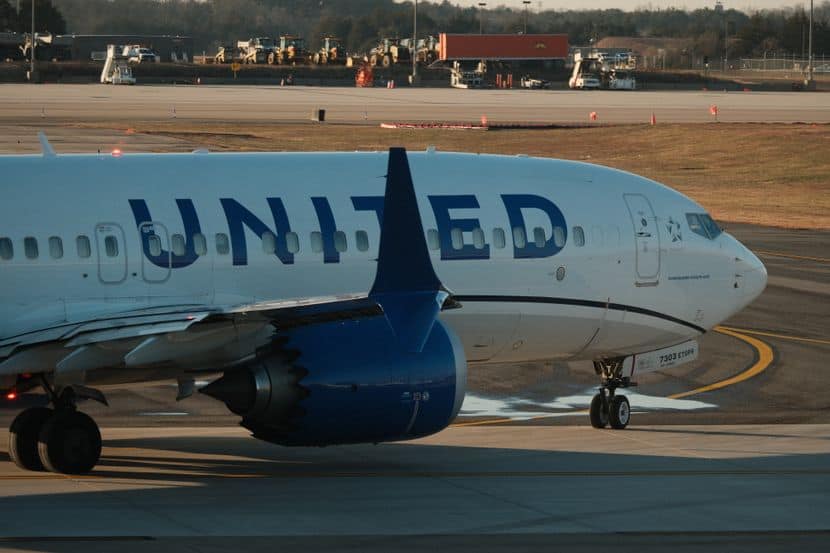
United Airlines Flight UA2334, a Boeing 737-900ER from Portland to Denver, unexpectedly diverts to Colorado Springs in the United States, raising fresh questions about operational pressures, weather disruptions and why sudden changes continue affecting air travel.
United Airlines Flight UA2334, a Boeing 737-900ER from Portland to Denver, diverts to Colorado Springs in the United States and immediately attracts attention across the aviation sector. The unexpected operational change happened after the aircraft departed close to schedule. Consequently, travellers began questioning what forced the diversion. Meanwhile, Denver remains one of the busiest airports in America and often experiences weather and traffic-related disruptions. United Airlines has not officially confirmed a cause. However, the incident once again demonstrates how quickly airlines can alter plans. Furthermore, the event highlights the importance of backup airports and strong operational contingency systems.
United Airlines flight UA2334 from Portland to Denver diverted to Colorado Springs in the United States, and the unexpected event is once again drawing attention to why airlines across the USA continue to face sudden operational disruptions. The incident involved a Boeing 737-900ER and immediately became another example of how quickly a routine domestic journey can change when airlines are forced to divert aircraft for safety or operational reasons.
Passengers travelling across the United States increasingly encounter flight diversion situations because airlines operate within one of the busiest aviation networks in the world. Consequently, every divert decision creates questions about airport capacity, weather systems and airline contingency plans.
Advertisement
Advertisement
United Airlines flight UA2334 departed Portland close to schedule before ultimately heading to Colorado Springs rather than Denver. Meanwhile, no official explanation had been released at the time of reporting, and therefore aviation experts advise against assuming a specific cause without confirmation.
The latest incident also highlights how interconnected airports in the USA have become. When airlines experience delays, congestion or adverse weather, a single flight diversion can quickly ripple through multiple cities and affect thousands of travellers throughout the United States.
Advertisement
Advertisement

Why Did United Airlines Flight UA2334 Divert To Colorado Springs Instead Of Denver?
United Airlines flight UA2334 was originally scheduled to operate between Portland International Airport and Denver International Airport on 21 June 2026. However, the aircraft ultimately diverted to Colorado Springs Airport rather than completing its planned arrival in Denver.
At present, United Airlines has not publicly disclosed the exact reason for the flight diversion. Nevertheless, several operational factors regularly force airlines in the USA to divert aircraft away from major hubs, particularly Denver.
Advertisement
Advertisement
Denver International Airport is highly susceptible to rapidly changing weather conditions because of its geographical location near the Rocky Mountains. Strong winds, thunderstorms, lightning activity and air traffic flow restrictions frequently affect operations.
A flight diversion is rarely a random decision because airlines prioritise passenger safety above all other considerations. Pilots, dispatchers and operational control teams constantly monitor circumstances before deciding whether to divert an aircraft.
This event serves as another reminder that airlines throughout the United States depend on alternative airports to maintain operational continuity. Colorado Springs remains one of the most practical backup facilities when Denver experiences disruptions.
Why Is Colorado Springs Frequently Used During Flight Diversion Events In The USA?
Colorado Springs Airport has become an important contingency airport for airlines operating in the western United States. Its proximity to Denver allows carriers to quickly redirect aircraft when unexpected problems emerge.
Advertisement
Advertisement
The airport is situated approximately 113 kilometres south of Denver and possesses infrastructure capable of handling large commercial operations. Therefore, airlines can divert passengers without creating excessive additional complications.
Denver is among the busiest airports in the United States, which means congestion can develop quickly during weather disruptions. Consequently, airports such as Colorado Springs become essential operational support facilities.
A flight diversion to Colorado Springs also helps airlines avoid prolonged airborne holding patterns that increase fuel consumption and create scheduling difficulties. Instead, aircraft can land safely while operational teams determine the next course of action.
The strategy reflects a broader trend across the USA where airlines rely heavily on secondary airports. As passenger numbers continue growing throughout the United States, divert operations are becoming a standard component of airline risk management planning.
What Does This Incident Reveal About Growing Operational Pressures Facing Airlines?
The diversion of United Airlines flight UA2334 highlights wider challenges facing the aviation industry across the United States. Airlines are managing increasing passenger volumes alongside weather volatility and airspace congestion.
Modern airline operations are extremely interconnected because one disruption often influences multiple flights and airports simultaneously. As a result, even a single flight diversion can produce cascading effects throughout the network.
Advertisement
Advertisement
The USA possesses one of the world’s largest domestic aviation systems, and airlines coordinate thousands of departures every day. This immense complexity means operational resilience has become increasingly important.
Passengers sometimes perceive a divert decision negatively, but aviation experts often regard such actions as evidence that safety systems are functioning correctly. Pilots are trained to make conservative decisions whenever uncertainty arises.
The United States continues investing in modernising its aviation infrastructure, yet airlines still face limitations associated with weather and airport capacity. Therefore, flight diversion incidents will likely remain part of regular airline operations for years to come.
The most probable causes behind this flight diversion involve weather disturbances, air traffic management restrictions or operational considerations affecting Denver International Airport. However, no official explanation has been issued by United Airlines, so assigning one definitive reason would be inaccurate. Airlines operating across the USA frequently divert aircraft as a precautionary measure rather than waiting for conditions to deteriorate further. The answer is straightforward: safety remains the priority. This incident demonstrates that airlines throughout the United States maintain backup strategies that allow crews to divert aircraft quickly whenever airport conditions become uncertain or operationally challenging.
United Airlines flight UA2334 has become another example of how airlines across the United States continuously adapt to dynamic operational environments. The decision to divert the aircraft to Colorado Springs rather than Denver reflects established safety procedures rather than extraordinary circumstances. Although passengers may experience inconvenience during a flight diversion, these actions ultimately reduce risk and maintain safety standards. As airlines manage increasing demand throughout the USA, travellers should expect occasional operational changes. The aviation system in the United States is designed with multiple layers of contingency planning, and this latest divert event clearly demonstrates why those systems remain essential.
The exact cause behind the diversion has not been officially disclosed by United Airlines. However, weather instability, air traffic congestion, operational restrictions and airport flow management frequently affect flights arriving into Denver. Therefore, Colorado Springs becomes a practical alternative airport. The answer is simple: airlines prioritise safety before maintaining schedules. Pilots and operational teams constantly assess risks and make immediate decisions whenever conditions become uncertain. The reason behind choosing Colorado Springs likely relates to its proximity to Denver and its ability to accommodate large commercial aircraft while minimising broader network disruptions.
United Airlines Flight UA2334 serves as another reminder that modern air travel depends heavily on flexibility and safety-based decision-making. Although diversions inconvenience passengers, they remain an essential part of airline operations. The Boeing 737-900ER safely reached Colorado Springs instead of continuing to Denver, demonstrating how alternative airports support the wider aviation network in the United States. Until an official statement emerges, speculation should be avoided. Ultimately, this incident reinforces that airlines regularly adapt to evolving operational conditions and that diverting aircraft remains a proactive measure designed to protect passengers, crew members and overall network stability.
Advertisement
