

Saudi Arabia’s Falconry Secret Revealed as Ahmed Fahad Al-Hababi Invites American Travellers to Discover a Living Culture
Updated
Published
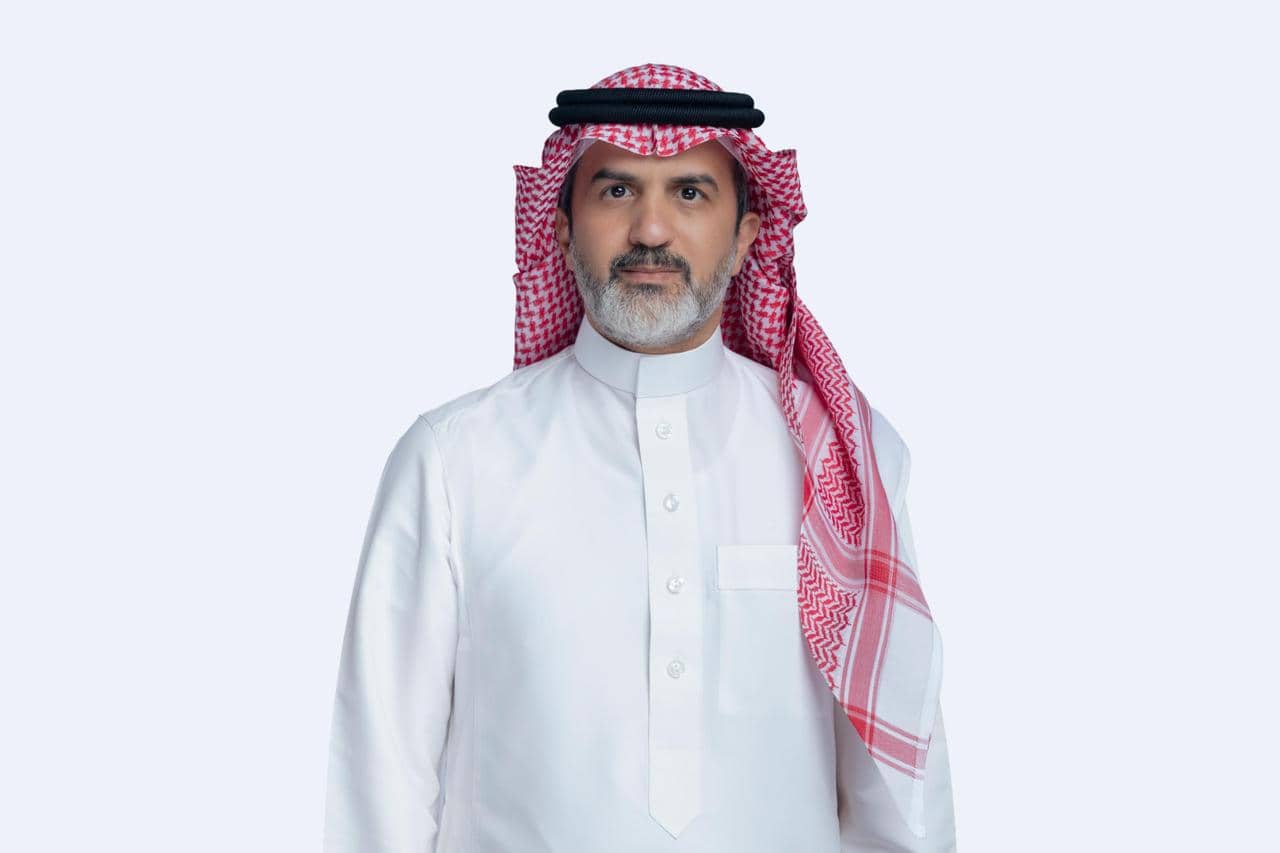
This exclusive interview with Ahmed Fahad Al-Hababi, Deputy CEO of the National Center for Falcons, offers an inside perspective on how falconry is helping international travellers discover a deeper side of Saudi Arabia. As the International Saudi Falcons and Hunting Exhibition 2026 brings together heritage, culture, nature and adventure, the exhibition is emerging as more than a showcase of one of the Kingdom’s most enduring traditions. It provides visitors with an opportunity to meet falconers, understand the knowledge passed through generations and experience a living part of Saudi identity.
For American travellers, the exhibition offers a distinctive cultural experience in Riyadh, particularly for those seeking experiences that go beyond conventional sightseeing. Falconry provides the starting point, but the wider programme introduces visitors to traditional crafts, cultural performances, outdoor activities and opportunities for families and first-time visitors to participate.
In this exclusive conversation with Travel And Tour World, Ahmed Fahad Al-Hababi explains why falconry remains deeply connected to Saudi culture and how the exhibition is designed to make that heritage accessible to international audiences. He also discusses the role of international participation, the exhibition’s relevance to American travel advisors and tour operators, and the opportunities it creates for wider commercial and cultural exchange.
Importantly, Al-Hababi presents falconry not simply as a traditional pursuit, but as a relationship between people and nature shaped by patience, knowledge and generations of experience. His insights reveal how a visit to the exhibition can become an entry point for travellers to understand Saudi Arabia’s people, landscapes and cultural identity through direct participation and personal encounters.
Advertisement
Advertisement
1. How would you introduce the International Saudi Falcons and Hunting Exhibition to an American traveller experiencing it for the first time?
We see it as an opportunity to discover Saudi culture firsthand. The falcon is the starting point: visitors learn about its place in our lives and the knowledge and experience of the falconer, before exploring activities connected to heritage, nature and adventure.
Advertisement
Advertisement
You do not need any previous knowledge of falconry to enjoy the exhibition. We want visitors to feel welcome, find experiences that reflect their interests and leave with a deeper understanding of Saudi Arabia and its people.
2. Why is falconry such a meaningful way to understand Saudi culture?
Advertisement
Advertisement
For us, falconry reflects a relationship between people and nature. It embodies knowledge passed down through generations and forms part of Saudi identity.
We want visitors to appreciate what lies behind the bird’s beauty and ability: the patience, experience and care that sustain that relationship. Meeting falconers helps bring this to life. Visitors can hear directly from the people who carry the tradition forward and understand what it means to them today. That makes the visit an encounter with a living culture.
3. How can visitors combine cultural discovery and adventure during a single visit?
The programme allows visitors to follow their own interests. They might begin by learning about falcons and their cultural significance, then explore craft workshops and cultural performances, or move on to outdoor experiences such as four-wheel-drive activities and adventure.
Advertisement
Advertisement
That variety gives the visit several dimensions, with falconry remaining at its heart. We want visitors to take part, learn something new and perhaps discover an interest they had not expected to find.
4. What does the exhibition offer families and visitors with no background in falconry or hunting?
We welcome specialists, families and first-time visitors alike. The cultural experiences and range of activities give different members of a family something to explore, while initiatives such as Future Falconer introduce younger visitors to the tradition.
We want that first encounter to be engaging and accessible, giving families an opportunity to discover something together. Visitors do not need to arrive as experts. Curiosity is enough, along with people who can help them understand and enjoy what they are experiencing.
5. Why should international travellers include the exhibition in a visit to Riyadh?
It brings together experiences that can give travellers a fuller understanding of Saudi Arabia: falconry and the people who practise it, traditional crafts, cultural performances and adventure activities.
Advertisement
Advertisement
The exhibition can add a personal and cultural dimension to a trip through participation and conversation as well as observation. Our ambition is for the visit to encourage people to discover more of Saudi Arabia’s culture, natural landscapes and destinations—and to become a memorable part of their journey because of what they learned and whom they met.
6. What makes the exhibition relevant to American tour operators and travel advisors?
I think its strongest appeal is the variety of experiences built around a clear cultural identity. There is content for travellers interested in culture and history, activities for outdoor enthusiasts and opportunities for families to explore together.
That gives travel professionals a sense of how a visit could fit into a wider Riyadh itinerary, depending on their clients’ interests. Our role is to introduce these experiences and help interested organisations understand what they offer. Itinerary planning and travel arrangements remain the responsibility of the relevant service providers.
7. How does international participation help develop the exhibition and create opportunities beyond the event itself?
International participation encourages the exchange of knowledge and experience, bringing Saudi businesses together with companies and specialists from other countries.
Advertisement
Advertisement
Those meetings can lead to sales, collaboration and commercial relationships across falconry, hunting, travel and outdoor activities. At the National Center for Falcons, we work with our partners towards ensuring that the value of participation extends beyond the exhibition’s dates.
We therefore look at growth in terms of the quality of the experience and the benefits it brings to visitors, exhibitors and partners, as well as the breadth of participation.
8. What would you like American readers to take away from this interview?
I would like them to see Saudi heritage as something we live and share with others. The falcon gives us a way to talk about our relationship with nature, the knowledge passed between generations and our pride in our identity.
We welcome visitors who want to ask questions, discover and take part. Our hope is that they leave feeling closer to our culture and with a better understanding of it.
Different backgrounds need not be a barrier to connection. A visit may begin with an interest in falcons or adventure and develop into a deeper understanding of the place and its people.
Advertisement
