

Latvia Transforms Airports And Luxurious Hotels With Record Multi-Million Funding To Fuel The Ultimate Northern European Travel Boom

Published
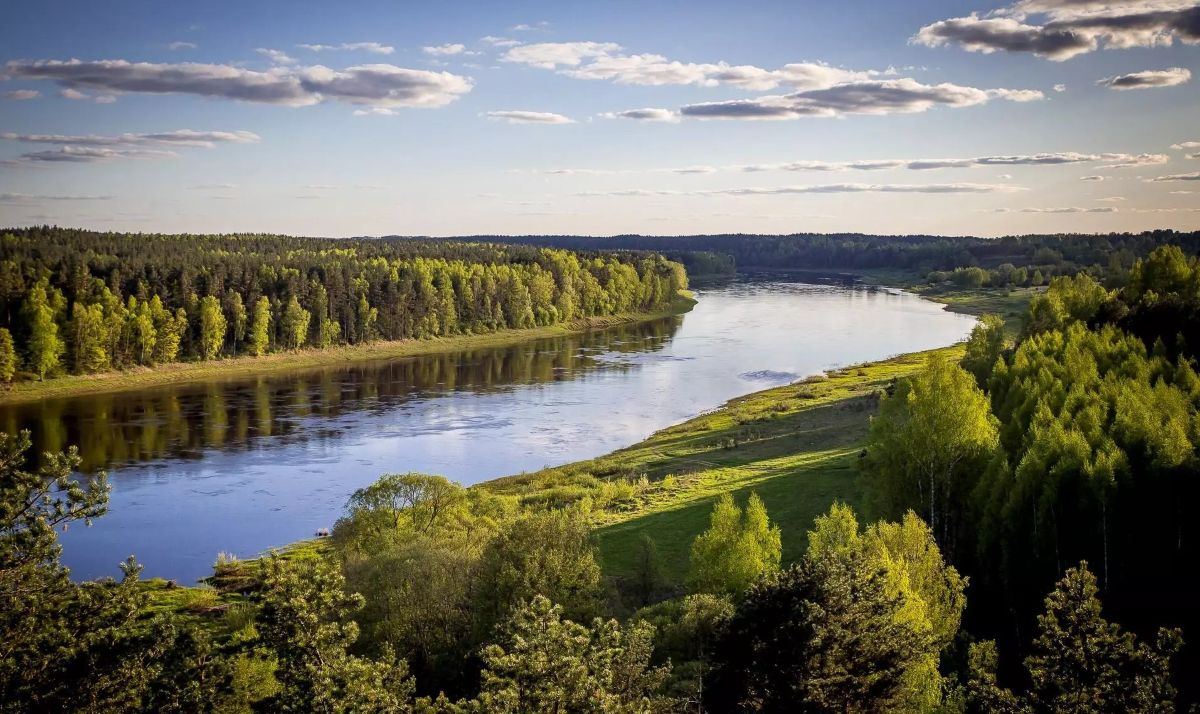
Picture stepping off a plane into a breath of Baltic air, where every corner hums with electric anticipation. Latvia is quietly orchestrating a tourism revolution pouring old money into modern airport terminals and beautiful coastal resorts. From the streets of Riga to the pine scented shore of Jūrmala, a new bold era is unfolding right before our eyes. With investments paving the way toward 2030 this beautiful hidden gem is finally stepping into the global spotlight. Get ready to fall in love, with Northern Europes exciting travel comeback story so far.
Latvia’s Monumental Economic Surge Speeds Up Northern Europe’s Travel Boom in Riga and Jūrmala
Latvia stands at a monumental economic crossroad as it funnels record-breaking capital into essential aviation and hospitality upgrades to spearhead Northern Europe’s upcoming tourism boom. Backed directly by official frameworks like the Sustainable Development Strategy of Latvia until 2030, the nation is decisively shifting away from outdated low-cost labor models toward high-value export sectors. Bold financial injections are reshaping the Baltic region, ensuring that vibrant destinations like Riga and Jūrmala capture high-yield global travelers ahead of major European mega-events. Through strategic funding and visionary master plans, this dynamic Baltic powerhouse is securing its long-term competitive edge on the international stage.
How Is RIX Riga Airport Spearheading Northern Europe’s Aviation Revolution in Riga?
Advertisement
Advertisement
As the premier aviation nexus across the Baltic states, RIX Riga Airport handles millions of international arrivals annually, cementing its status as the absolute gateway for regional connectivity. Bolstered by structured financial backing from the European Bank for Reconstruction and Development, the airport authority is actively constructing a cutting-edge, ultra-energy-efficient multimodal passenger terminal. This vital infrastructure overhaul completely reimagines crowded check-in halls, security screening zones, and baggage reclaim areas to eliminate historical passenger bottlenecks.
Crucially, the comprehensive Master Plan scales up both airside and landside operational capacities to process high-density inbound visitor surges seamlessly across the Latvian capital. Furthermore, the newly launched commercial project introduces a dynamic mixed-use business and logistics hub right next to the active runways. This forward-thinking urban integration combines premium corporate offices, hospitality ventures, and transit-oriented developments, successfully turning the airport zone into a thriving economic anchor for the entire country.
Advertisement
Advertisement
What Drives the Remarkable Upscaling of Hotels and Regional Accommodation Across Jūrmala and Riga?
Official hospitality metrics compiled by the Central Statistical Bureau of Latvia highlight an extraordinary upward trajectory in tourist accommodation statistics, with non-resident overnight stays expanding rapidly. While the historic capital of Riga continues to capture the vast majority of international visitors, coastal resort gems like Jurmala and thriving municipalities like Mārupe and Liepāja are experiencing unprecedented capital injections. Key hospitality flagships, including the renowned local wellness resorts, have executed major multi-million-pound modernisations to secure elite 4-Star Superior ratings, effortlessly luring affluent corporate delegates and wellness seekers.
These targeted property enhancements align seamlessly with the Ministry of Economics’ ambitious export targets, which seek to drive national tourism revenue past the monumental EUR 1.5 billion threshold. By prioritizing sustainable, high-value-added services and extended seasonal operations rather than unmanaged volume, the country is redefining modern hospitality standards. Strategic modernization efforts across regional accommodations ensure that every visitor experiences world-class luxury paired with authentic Baltic charm.
How Are Strategic Mega-Events Shaping Latvia’s Vision for 2030 in Riga and Beyond?
Latvia’s aggressive infrastructure push is intricately synchronized with long-term macroeconomic planning designed to elevate its international profile across the entire region. The overarching national development perspective focuses on transforming the country into an exceptionally accessible, green, and creative destination for global nomads and corporate leaders alike. By simultaneously upgrading national transport bottlenecks and expanding high-end hospitality beds, the government is intentionally positioning itself to bid for elite European cultural, political, and sports mega-events.
These high-profile gatherings function as the ultimate catalyst to drive repeat international visitors, boost non-resident per capita spending, and firmly cement the nation as an undisputed tourism powerhouse in Northern Europe. Ultimately, these synchronized structural reforms ensure that the upcoming decade unlocks unprecedented economic prosperity and cultural visibility for the entire Baltic territory.
Advertisement
Advertisement
How Does the Rail Baltica Integration Transform Riga International Airport Into Northern Europe’s Ultimate Multi-Modal Transit Hub in Latvia?
The integration project connects RIX Riga Airport directly into the pan-European high-speed rail network via a budget running into hundreds of millions of euros, targeting a seamless transit time of under 10 minutes to central Riga. This massive connectivity overhaul bridges international aviation and railway networks to completely remove traditional ground transport frictions across the Baltic region.
Furthermore, this visionary project allows international visitors arriving via the airport’s anticipated capacity tier of 12 million annual passengers to disperse effortlessly across the Baltic region without relying on highway transport. This modern infrastructure marvel sets a new benchmark for regional transit efficiency and passenger convenience throughout Northern Europe.
What Role Do Record Tourism Investments Play in Elevating Latvia’s National Gross Domestic Product and Export Revenues Toward the EUR 1.5 Billion Milestone?
Tourism export revenue targets are mapped aggressively toward the EUR 1.5 billion threshold, while accommodation sectors look to build upon official baseline metrics where total visitor nights spent across Latvia surpassed 5.0 million, reflecting a robust 6.1% annual increase. These heavy financial allocations reinforce national economic stability and expand secondary market sectors significantly.
Additionally, capital injections into hotels and aviation cascade directly into local supply chains, boosting employment, restaurant receipts, and small-business revenues across historic districts in Riga and beyond. This thriving economic cycle guarantees long-term financial resilience for the entire nation.
Advertisement
Advertisement
In What Ways Are Latvian Eco-Hotels and Modernized Resorts Redefining Sustainable Luxury Standards for Northern European Travelers in Riga and Jūrmala?
Over 1,345 registered tourist accommodation sites are shifting toward green building codes, with flagship properties targeting near-zero carbon footprints and securing international eco-labels like the Green Key. These pioneering environmental benchmarks elevate the country’s hospitality standing across the global tourism market.
Consequently, capital allocation from investors prioritizes energy-efficient retrofitting, smart heating, and waste reduction to meet the strict environmental mandates outlined in the Sustainable Development Strategy of Latvia until 2030. Such progressive initiatives attract conscious travelers seeking high-end luxury combined with genuine ecological responsibility.
Why Are Coastal Gems Like Jūrmala and Regional Municipalities Capturing Unprecedented Capital Surges Outside the Capital City of Riga?
While Riga captures 71.8% of non-resident overnight stays, secondary tourism nodes like Jūrmala at 7.7%, Mārupe at 3.8%, Liepāja at 2.8%, and Sigulda at 1.7% are absorbing record regional investments. This balanced geographical distribution ensures that economic benefits reach far beyond the primary metropolitan borders.
Moreover, the strategic decentralisation of tourism ensures that rural heritage sites, pristine Baltic beaches, and adventure tourism zones share the economic windfall of the upcoming 2030 boom. Visitors can now experience diverse regional landscapes backed by top-tier modern infrastructure.
Advertisement
Advertisement
How Is Latvia Leveraging Digital Transformation and Smart Tourism Technologies to Enhance Visitor Experiences and Streamline Destination Management in Riga?
Implementation of digital concierge ecosystems, automated border controls at RIX Riga Airport handling over 7.1 million annual passengers, and data-driven footfall tracking across municipal museums are transforming modern travel. These advanced technological systems optimize visitor flows while reducing administrative friction at major points of entry.
Furthermore, real-time data analytics help tourism boards in Riga and Liepāja manage crowd density during peak summer and winter festival seasons, ensuring optimal service quality and visitor satisfaction. Such forward-thinking digital integration establishes the country as a leader in smart destination management.
How Are Business Events, Conferences, and Extended Seasonal Strategies Successfully Eliminating Tourism Slumps During Off-Peak Winter Months in Latvia?
Targeted programs aimed at increasing shoulder-season occupancies by 15% to 20% shift hotels away from summer-only dependency toward year-round corporate and wellness profitability. This calculated operational shift maximizes asset utility and ensures stable employment across the hospitality sector.
Additionally, the growth of the Meetings, Incentives, Conferences, and Exhibitions sector in Riga, supported by upgraded 4-Star Superior properties like the Jūrmala SPA Hotel, attracts high-yield delegates year-round. These specialized business gatherings cement the nation’s reputation as a versatile year-round destination.
Advertisement
Advertisement
What Human Capital Strategies Are Driving Latvia’s Transition Away From Low-Cost Labor Toward High-Productivity Tourism Sectors in Riga?
National vocational training initiatives funded through public-private partnerships aim to up-skill over 5,000 hospitality and aviation professionals annually by 2030. These targeted educational frameworks empower local workers to deliver world-class service standards across all tourism verticals.
At the same time, this structural shift moves away from low-wage models, focusing instead on specialized multilingual hospitality training, luxury service management, and advanced aviation logistics expertise. Consequently, Latvia’s workforce is fully equipped to support a high-value, sustainable tourism economy.
How Has RIX Riga Airport Diversified Its Global Route Network and Maintained Operational Resilience Amid Shifting European Travel Patterns?
A robust network connecting through major carrier bases led by airBaltic holding over 57% of traffic share alongside key European hubs like Frankfurt, Helsinki, and London accounts for dominant shares of incoming traffic. This comprehensive connectivity shields the national aviation sector from sudden geopolitical or economic shifts.
Ultimately, proactive route development and airline partnerships insulate Latvia’s tourism market against external economic shocks, ensuring steady, high-value passenger flows right up to the 2030 mega-events. This strategic foresight guarantees long-term viability for the nation’s aviation industry.
Advertisement
Advertisement
The Final Verdict
There is something special about seeing a place start to shine. Latvia is no longer a hidden gem that only experienced travelers know about; it is now becoming a big success story in Northern Europe. By putting a lot of effort and money into its airports and beach areas the country is making an impression, on visitors. As we think about the future this beautiful Baltic country is set to capture your heart. Get ready to travel you will definitely want to be to see this amazing adventure.
Frequently Asked Questions
- What is the primary financial driver behind Latvia’s airport expansion?
The massive modernization of RIX Riga Airport is heavily supported by structured financial backing from the European Bank for Reconstruction and Development alongside substantial national strategic funds.
- Which regions in Latvia capture the highest volume of overnight tourists?
According to official figures from the Central Statistical Bureau of Latvia, Riga captures the lion’s share of non-resident stays, followed closely by the coastal resort city of Jūrmala.
- What is the main objective of the Ministry of Economics’ tourism strategy?
The primary goal is to aggressively elevate tourism export revenue toward the EUR 1.5 billion milestone by focusing heavily on high-value-added services, sustainability, and extended seasonal offerings.
Advertisement
