
Japan and South Korea Welcome Cruise Travel on Princess Cruises via Sapphire Princess – All You Need To Know

Published
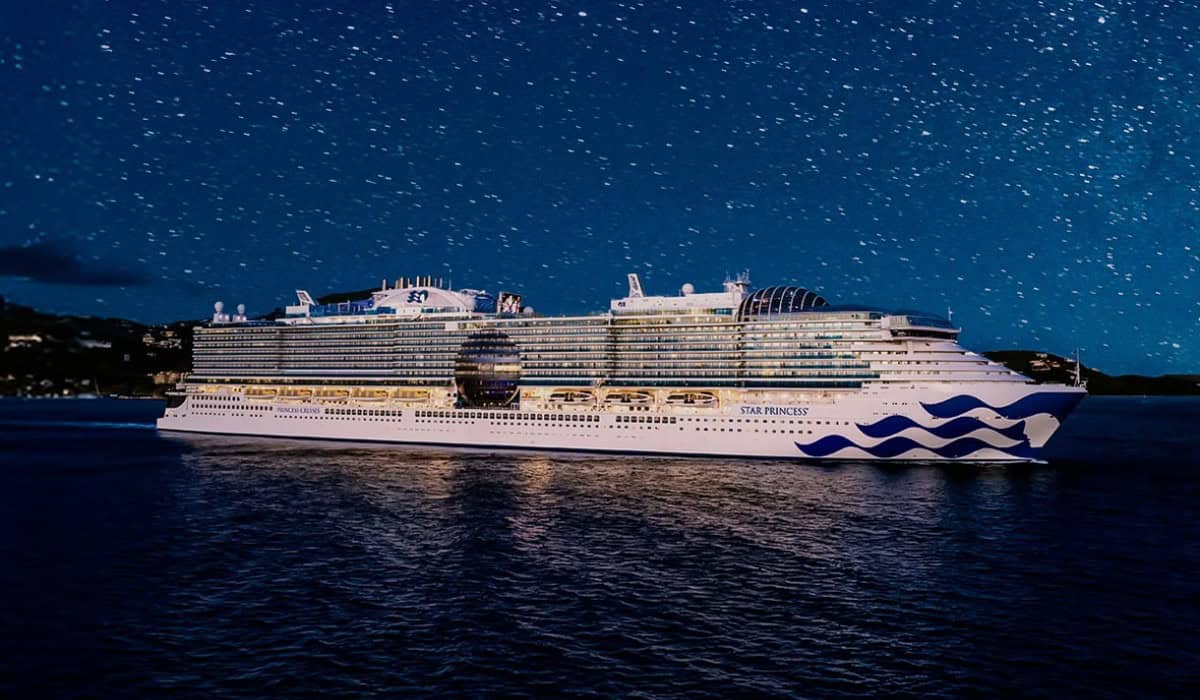
Japan and South Korea plan to open their vast ocean corridors to ambitious tourists. In both countries, coastal resort areas are celebrating an increase in the number of cruise ship voyages, and local tourist offices are seeing a surge of interest in the popular coastal route. Exploring the famous port cities has become a convenient and comfortable experience.
According to the Japan National Tourism Organization reports, ocean travel has seen a significant rise in both domestic and international tourists. Tourism executives noted that their regional ports are particularly well-equipped to benefit from the cruise industry`s growth. Authorities noted that the economy receives a significant boost from high-profile visitors. Local shops and attractions are primed to welcome a rising number of cruise passengers.
Advertisement
Advertisement
The rise in regional maritime commercialization fosters closer ties between port cities. The growth of the local markets is seen across the region, with many destinations enhancing their infrastructure to accommodate international visitors. Markets are stocking their goods to meet the tastes of the arriving cruisers, while local tourist attractions are offering guided historical walking tours of the old port quarter. Cruise calls represent an economic opportunity for small-time merchants and shippers.
Economic Benefits Across Regional Ports
According to the Ministry of Culture, Sports and Tourism of South Korea, international maritime visits strengthen regional economies. Port authorities in Busan report expanded docking facilities to welcome large passenger ships. Government representatives emphasize that port stops bring essential revenue to small coastal communities.
Advertisement
Advertisement
Local crafts, regional dining, and guided cultural tours see substantial demand when ships dock. Municipal leaders across northern Japan share similar optimism. They view scheduled ship visits as key drivers for local business development.
The Ministry of Oceans and Fisheries of South Korea highlights the critical role of modern cruise infrastructure. State infrastructure investments create jobs in port management and local transit. Enhanced terminals allow smooth customs processing and comfortable guest transfers. City planners integrate port activities with existing public transit systems. These upgrades support long-term urban growth beyond seasonal cruise visits.
Advertisement
Advertisement
Regional authorities also note that shore excursions spread economic benefits far beyond harbor zones. Day trips bring tourists into rural farmlands, mountain hot springs, and historic shrines. Local bus operators and regional guide associations report increased demand during cruise dockings. Small family restaurants benefit from influxes of daytime dining guests. These economic injections support local heritage preservation projects across coastal provinces.
Comprehensive 11-Night Sailing Itinerary
| Day | Date | Port of Call | Arrival Time | Departure Time |
| Day 1 | Wed, Apr 21 | Tokyo (Yokohama), Japan | — | 4:00 PM |
| Day 2 | Thu, Apr 22 | At Sea | — | — |
| Day 3 | Fri, Apr 23 | Aomori, Japan | 8:00 AM | 6:00 PM |
| Day 4 | Sat, Apr 24 | Muroran, Japan | 7:00 AM | 6:00 PM |
| Day 5 | Sun, Apr 25 | Hakodate, Japan | 7:30 AM | 5:00 PM |
| Day 6 | Mon, Apr 26 | At Sea | — | — |
| Day 7 | Tue, Apr 27 | Sakaiminato, Japan | 7:00 AM | 5:00 PM |
| Day 8 | Wed, Apr 28 | Busan, South Korea | 7:00 AM | 4:00 PM |
| Day 9 | Thu, Apr 29 | Nagasaki, Japan | 7:00 AM | 4:00 PM |
| Day 10 | Fri, Apr 30 | Kagoshima, Japan | 7:00 AM | 4:00 PM |
| Day 11 | Sat, May 1 | At Sea | — | — |
| Day 12 | Sun, May 2 | Tokyo (Yokohama), Japan | 6:00 AM | Disembark |
Strategic Cultural Exchanges in East Asia
Ministry spokespersons explain that cross-border sea travel builds strong international goodwill. Visitors experience diverse traditions, local cuisines, and historical landmarks within a single voyage. Japan’s Ministry of Land, Infrastructure, Transport and Tourism highlights the value of sustainable cruise management.
Advertisement
Advertisement
Port coordinators report strict standards to ensure environmentally safe marine operations. Maritime officials continue working closely with international cruise lines. They aim to deliver safe, seamless, and memorable experiences for every guest.
Cultural preservation bureaus emphasize the educational value of international sea travel. Coastal historical sites receive funding support from tourist visitors. Local museums organize special cultural exhibits timed with ship arrivals. Folk performance groups showcase regional dances and musical traditions on waterfront stages. Guests gain firsthand appreciation for centuries-old maritime traditions.
Cross-cultural dialogue flourishes naturally during short harbor stays. Local students often volunteer at tourist information centers to practice foreign languages. International visitors leave positive reviews that inspire future independent travel. Destination marketing organizations leverage ocean voyages to showcase lesser-known regional attractions. This broadens tourism awareness far beyond capital cities and major metropolitan hubs.
Bright Future for Northern Coastal Destinations
Japan and South Korea is inspiring new ways of seeing the world. Travelers who depart these coastal cities find themselves making long-lasting memories and finding a profound sense of well-being. Each stop along the way provides an opportunity to make new human connections on distant shores. The connections created by ocean travel bring us closer together each and every day with Princess Cruises.
Advertisement
