
Costa Rica and Panama Transform Off Season Wildlife Tourism With New Green Season Travel Trend

Published
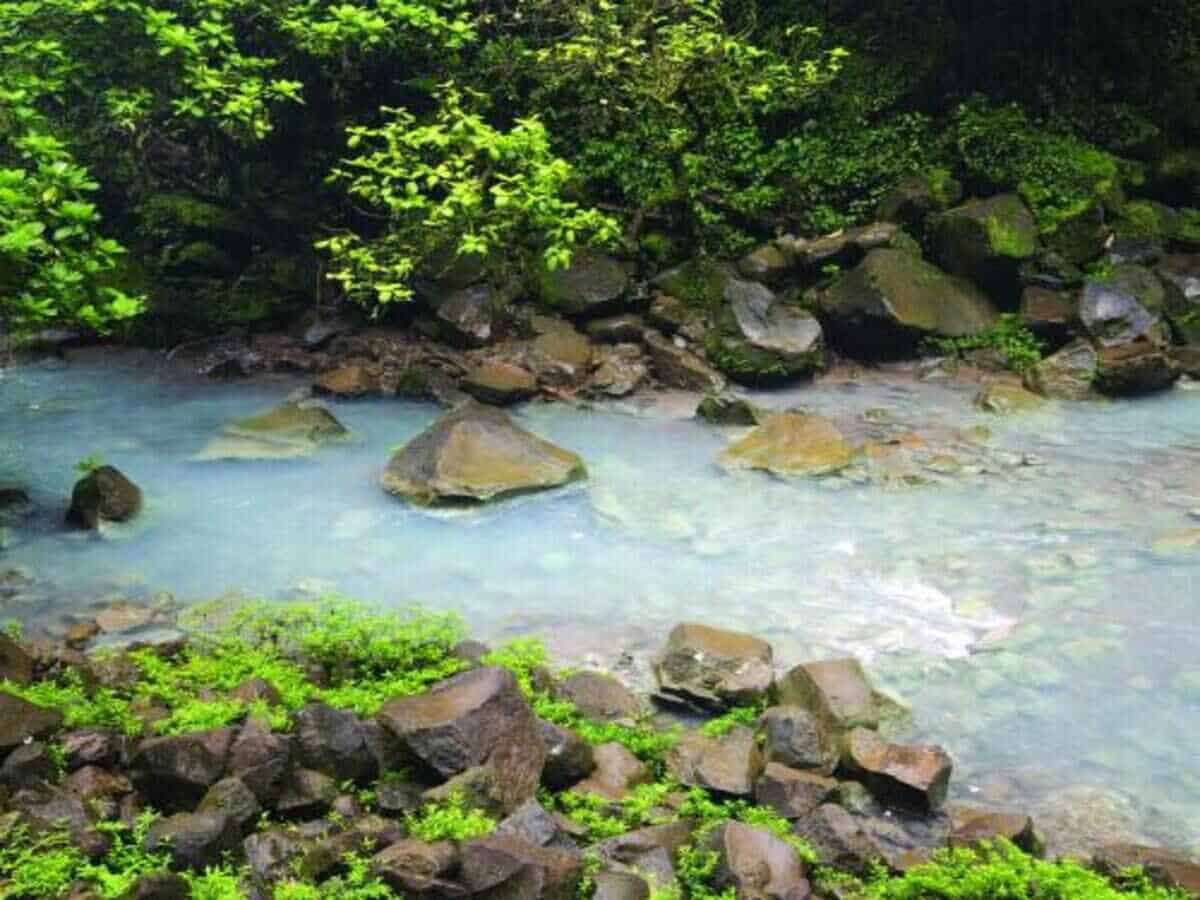
Costa Rica and Panama are transforming off season wildlife tourism by turning the traditional low travel months into a nature-focused green season experience. Across Central America, destinations including Nicaragua and Guatemala are attracting eco-conscious travellers during the May to November period by highlighting vibrant rainforests, active wildlife cycles, nesting sea turtles, rare amphibians and seasonal bird movements. Eco-lodges and tourism operators are increasingly presenting these months as an opportunity to discover nature at its most dynamic rather than as a period of reduced travel activity.
Central America Repositions Low Season As A Prime Wildlife Travel Period
For decades, the months between May and November were considered the quieter tourism period across much of Central America. However, changing traveller preferences and growing demand for sustainable experiences are reshaping how destinations promote this season.
Advertisement
Advertisement
Countries such as Costa Rica, Panama, Nicaragua and Guatemala are now highlighting the ecological advantages of travelling during the wetter months. Rainfall transforms forests into rich green landscapes, rivers become more active and wildlife often becomes easier to observe due to increased biological activity.
The shift reflects a broader movement in global tourism where travellers are seeking authentic experiences connected to nature rather than only visiting during traditional peak periods.
Advertisement
Advertisement
| Destination | Wildlife Experiences During Green Season |
|---|---|
| Costa Rica | Rainforest exploration, sea turtle nesting, amphibian activity and birdwatching |
| Panama | Tropical ecosystems, rainforest wildlife and migratory bird experiences |
| Nicaragua | Volcano landscapes, forests and biodiversity-focused adventures |
| Guatemala | Cloud forests, protected areas and cultural nature experiences |
Rainforests And Wildlife Cycles Drive New Travel Demand
The growing popularity of green-season travel is closely linked to the natural events that occur during these months. The arrival of seasonal rains creates ideal conditions for many species, making the period attractive for wildlife enthusiasts and photographers.
Advertisement
Advertisement
Sea turtles are among the major attractions during this period, with nesting activities drawing visitors to protected coastal areas. Rainforests also become highly active, with increased sightings of tree frogs, insects, birds and other species that thrive in humid environments.
Migratory birds add another important element to the experience. Birdwatchers increasingly choose these months because forests and wetlands provide opportunities to observe diverse species in their natural habitats.
Eco-lodges across the region are adapting their marketing strategies to showcase these seasonal advantages. Instead of promoting the months as a quieter alternative, operators are presenting them as a unique opportunity to experience ecosystems during their most productive phase.
Eco Lodges Lead The Shift Towards Nature Based Tourism
Sustainable accommodation providers are playing a major role in changing perceptions about off-season travel. Eco-lodges are creating packages that focus on conservation, wildlife observation and immersive experiences.
Properties operating in rainforest and coastal environments are using the green season to attract travellers who value environmental awareness and meaningful connections with destinations.
Advertisement
Advertisement
These experiences often include:
- Guided rainforest walks
- Wildlife observation tours
- Birdwatching activities
- Conservation-focused programmes
- Local community experiences
- Nature photography opportunities
The approach benefits both visitors and local economies. Increased travel outside traditional peak periods helps tourism businesses maintain employment, support local suppliers and distribute visitor spending more evenly throughout the year.
Climate And Sustainability Influence New Traveller Choices
The rise of wildlife tourism during the green season also reflects changing attitudes among international travellers. Many visitors now prioritise unique experiences, biodiversity and responsible tourism practices when selecting destinations.
Central America’s natural landscapes provide strong opportunities for this growing market. The region contains some of the world’s most diverse ecosystems, including tropical forests, marine environments and protected wildlife areas.
Travelling during the wetter months also offers additional benefits for some visitors. Lower visitor numbers can create quieter experiences at natural attractions, while landscapes appear more vibrant due to increased vegetation growth.
Advertisement
Advertisement
However, travellers planning green-season trips need to consider weather conditions. Rainfall patterns vary across destinations, and visitors should prepare with suitable clothing, flexible schedules and guidance from local operators.
Wildlife Season Creates New Opportunities For Central American Tourism
The promotion of wildlife tourism during the traditional low season represents a significant change in Central America’s tourism strategy. By focusing on nature cycles rather than seasonal limitations, destinations are creating new reasons for travellers to visit throughout the year.
Costa Rica, Panama, Nicaragua and Guatemala are demonstrating how biodiversity can become a powerful tourism asset. The movement supports conservation goals while creating fresh opportunities for eco-lodges, guides and communities connected to tourism.
As travellers continue searching for more meaningful and sustainable journeys, the green season is becoming an important part of the region’s tourism identity.
Conclusion
Costa Rica and Panama are transforming off season wildlife tourism by promoting the green season as a valuable period for nature exploration, supported by growing interest in Nicaragua and Guatemala. The May to November months are gaining recognition for rainforest landscapes, nesting sea turtles, active amphibians and seasonal bird movements. Through eco-lodges, conservation experiences and wildlife-focused travel programmes, Central America is redefining traditional low-season travel and creating new opportunities for visitors seeking authentic encounters with nature.
Advertisement
