
UK Railway Evolution Links London and Derby Through Great British Railways Passenger Travel Reform

Updated
Published
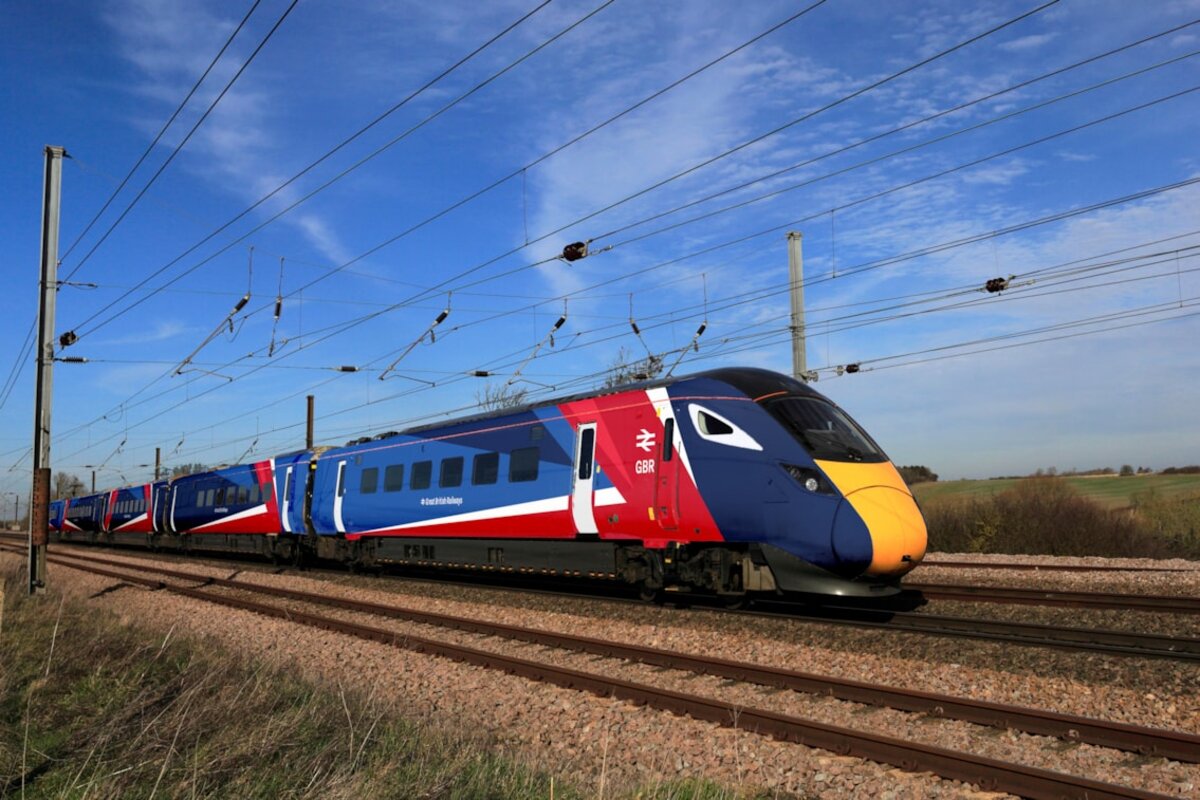
The United Kingdom is moving towards a major railway restructuring programme that could change how domestic and international travellers experience rail journeys across the country. The creation of Great British Railways (GBR) is designed to bring together railway infrastructure, passenger services, stations and network planning under one integrated system. London remains the centre of rail policy and passenger connectivity, while Derby will become the operational identity hub as the future headquarters location of GBR. The reform aims to simplify ticketing, improve accountability and create a more coordinated passenger railway.
UK Railway Transformation Moves Beyond Operators Towards One Passenger-Focused System
The biggest shift in the UK railway sector is not simply a change in ownership structure. The deeper transformation is the move from a fragmented railway model towards an integrated passenger ecosystem.
Advertisement
Advertisement
Under the planned Great British Railways structure, responsibilities currently divided among different organisations will gradually be brought together. This includes railway infrastructure management, passenger service coordination, timetable planning, station management and elements of ticketing reform.
For travellers, the significance is that future journeys could become easier to understand. Instead of navigating multiple railway brands with different systems, passengers are expected to experience a more coordinated network with clearer responsibilities.
Advertisement
Advertisement
| Current challenge | Future GBR approach |
|---|---|
| Multiple organisations managing different parts of rail operations | Single directing body coordinating the railway |
| Different passenger service responsibilities | Integrated planning between infrastructure and services |
| Complex fares and ticketing structures | Simplified passenger-focused ticketing approach |
| Difficult accountability during disruption | Clearer responsibility for passenger outcomes |
The reform is particularly important for international visitors because UK rail is a major component of tourism movement. Visitors arriving through London airports or international rail terminals often depend on connecting services to reach destinations across England, Scotland and Wales.
Advertisement
Advertisement
London Becomes Passenger Gateway While Derby Anchors Railway Reform Strategy
London and Derby represent two different but connected dimensions of the UK rail transformation.
London remains the country’s primary transport gateway. Its major railway stations connect international arrivals with regional destinations, while government transport policy and national railway planning are developed through institutions based in the capital.
Derby has a different role. The city has been selected as the headquarters location for Great British Railways, placing it at the centre of Britain’s future railway management structure.
Advertisement
Advertisement
| City | Role in UK rail transformation | Travel relevance |
|---|---|---|
| London | National transport policy centre and international passenger gateway | Main arrival point for overseas visitors and major rail connections |
| Derby | Future headquarters location of Great British Railways | Symbolic and operational centre of railway integration |
The connection between London and Derby creates a new narrative for UK rail travel: one city represents passenger access and global connectivity, while the other represents the future organisational structure behind the network.
Great British Railways Could Change How International Travellers Plan UK Trips
A major travel industry impact of rail reform could emerge through simpler journey planning.
Advertisement
Advertisement
Many international visitors purchase combined transport experiences that involve airports, hotels, attractions and rail journeys. A more integrated railway system could help tour operators design smoother itineraries.
The Department for Transport states that GBR will bring track and train operations together while improving passenger experience through greater coordination.
Potential traveller benefits include:
| Travel area | Expected impact |
|---|---|
| Ticket purchasing | Easier understanding of available fares and travel options |
| Multi-city itineraries | More coordinated journey planning |
| Disruption management | Clearer responsibility during service problems |
| Accessibility | Stronger focus on passenger needs |
For inbound tourism operators, railway simplicity matters because international travellers often compare destinations based not only on attractions but also on transport convenience.
A visitor travelling from London to destinations such as York, Bath, Manchester, Edinburgh or Cardiff depends on a reliable rail experience. A fragmented railway can create uncertainty, while an integrated model could support confidence among overseas travellers.
Advertisement
Advertisement
Ticketing Reform Emerges As One Of The Biggest Passenger Changes
One of the most important elements of the railway reform programme is the modernisation of fares and ticketing.
The current railway system has multiple ticket-selling channels operated by different companies. The Department for Transport has highlighted plans to simplify the ticketing environment through GBR responsibilities.
The future system is expected to address several passenger frustrations:
| Passenger issue | Planned reform direction |
|---|---|
| Confusing fare choices | More transparent ticket structures |
| Multiple operator platforms | More coordinated retail experience |
| Difficulty identifying best-value options | Simpler passenger purchasing process |
| Different service responsibilities | Improved accountability |
For international travellers, ticket complexity is often a major barrier. Unlike frequent domestic passengers, overseas visitors may not understand peak and off-peak rules, operator differences or route restrictions.
A simpler system could therefore become a tourism competitiveness factor.
Advertisement
Advertisement
Railway Integration Could Support UK Tourism Growth Beyond London
The UK tourism economy relies heavily on regional connectivity. While London attracts millions of international visitors, many travellers extend trips to regional destinations.
Railways connect cultural tourism, heritage locations, business events, coastal destinations and rural attractions.
The reform’s wider significance is that better coordination could strengthen the relationship between gateway cities and regional economies.
Examples include:
- London connecting international visitors with national tourism circuits.
- Derby representing a future railway innovation and management centre.
- Regional cities benefiting from improved passenger confidence.
- Tour operators gaining easier transport planning options.
The Department for Transport has stated that GBR will oversee a railway model designed to improve coordination across the network.
Advertisement
Advertisement
Economic And Operational Impact Of The New Railway Model
The reform is also designed around efficiency and long-term railway management.
According to government documents, the future structure aims to reduce fragmentation and create a clearer operating model.
| Area | Strategic importance |
|---|---|
| Infrastructure planning | Better coordination between tracks and services |
| Passenger operations | More consistent service standards |
| Financial management | Improved efficiency across railway spending |
| Long-term strategy | Greater focus on future network needs |
For travel businesses, the operational advantage is predictability. Airlines, hotels, tour operators and destination managers depend on reliable ground transport connections when creating travel packages.
Rail reform therefore has implications beyond trains. It affects the wider visitor economy.
Passenger Accountability Becomes Central To Future Rail Experience
Another important change is the planned strengthening of passenger representation.
Advertisement
Advertisement
The Railways Bill includes measures for a stronger passenger watchdog responsible for monitoring standards, investigating repeated problems and supporting dispute resolution.
This could change the relationship between travellers and railway providers.
| Passenger priority | Future mechanism |
|---|---|
| Service quality | Monitoring and improvement standards |
| Complaint resolution | Independent passenger support structure |
| Accessibility | Greater focus on passenger requirements |
| Transparency | Public reporting and accountability |
For international travellers unfamiliar with UK rail procedures, stronger passenger support could improve confidence.
Critical Takeaways For Travel Agents And Tour Operators
- Monitor the Great British Railways implementation timeline before updating UK rail packages.
- Review future ticketing changes because booking processes may evolve.
- Prepare customers for gradual transition rather than immediate network replacement.
- Highlight improved connectivity opportunities between London and regional destinations.
- Track changes affecting rail-inclusive holiday packages and multi-city itineraries.
- Update travel advisors on new passenger support systems.
- Maintain flexibility during the transition period as responsibilities move between organisations.
Long-Term Outlook For UK Rail And Global Travel
The UK railway transformation represents a structural change in how passenger rail could operate. The focus is shifting from separate operational responsibilities towards a more integrated network model.
For international tourism, the importance of the reform lies in the passenger journey. Visitors do not experience rail policy structures; they experience booking, boarding, connections, reliability and confidence.
Advertisement
Advertisement
London’s role as the global entry point and Derby’s future position as the home of Great British Railways create two important geographical anchors for this transformation.
If successfully delivered, the reform could strengthen the UK’s position as a rail-connected tourism destination by making journeys easier to plan, easier to understand and more consistent for millions of domestic and international travellers.
Advertisement
