
Hotel Indigo Expands Worldwide as IHG Strengthens Luxury and Lifestyle Hotel Portfolio

Published
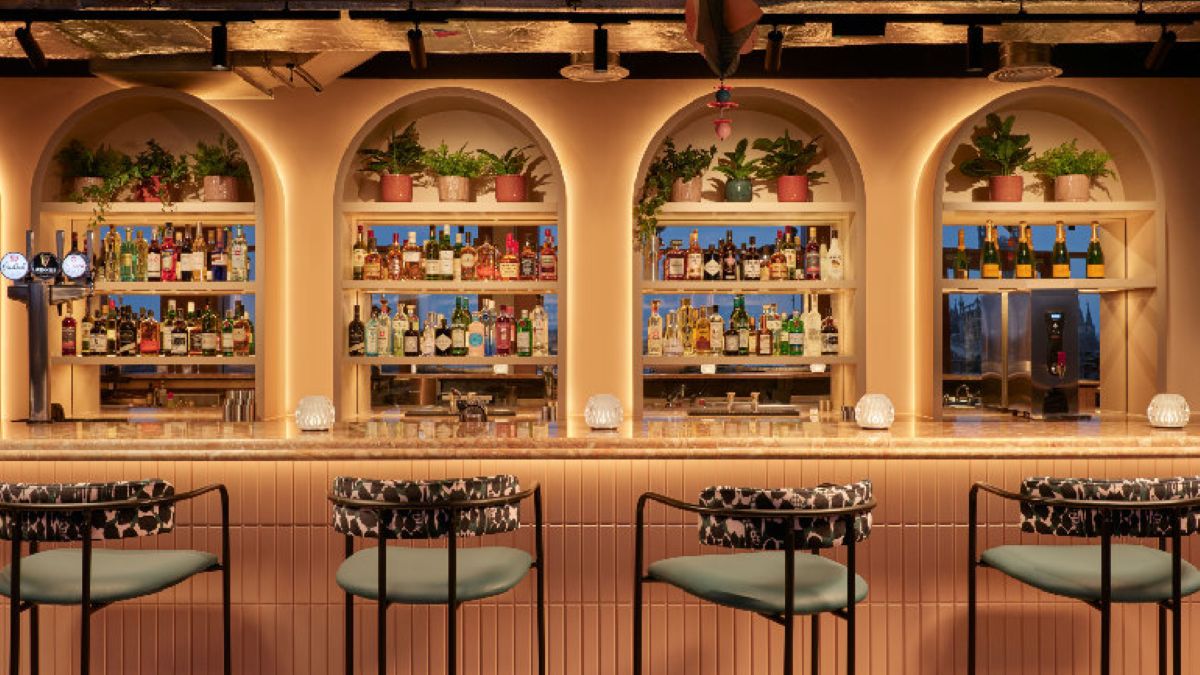
The hotel chain has surpassed 200 open hotels worldwide, offering more neighbourhood-centric lodging options to guests in the Americas, Europe, Asia, Middle East and Greater China. This is a significant milestone for the brand, which has doubled its total global portfolio since 2019, when it had 100 properties open, with an additional 134 in its development pipeline.
The expansion further increases the footprint of Hotel Indigo, IHG Hotels & Resorts’ flagship lifestyle brand, into urban, resort and culturally vibrant locations. The hotel brand is now available in more than 30 countries.
Advertisement
Advertisement
Hotel Indigo Doubles Global Footprint Since 2019
Hotel Indigo launched in 2004 and has built its identity around hotels influenced by their immediate neighbourhoods. Properties use local history, culture, design and dining as key parts of the guest experience rather than following one identical concept worldwide.
Its growth has accelerated sharply. Hotel Indigo moved from 100 operating properties in 2019 to 200 in 2026, while IHG reports another 134 hotels under development. That pipeline points towards a substantially larger international network if scheduled projects move through development and opening stages.
Advertisement
Advertisement
For travellers, the expansion means Hotel Indigo increasingly offers the familiarity of a major international hotel group while maintaining location-specific design and experiences.
Caribbean, Mexico and United States Drive Americas Growth
The Americas have become an important part of Hotel Indigo’s latest expansion.
Advertisement
Advertisement
During the past two years, the brand entered the Caribbean through Grand Cayman and expanded into Peru through Lima Miraflores. More recently, Hotel Indigo Turks & Caicos Grace Bay introduced the brand to Turks and Caicos.
Mexico has also gained Hotel Indigo La Paz Puerta Cortes and Hotel Indigo Tijuana Downtown. In the United States, Hotel Indigo Raleigh has joined the expanding network in North Carolina. IHG has also signed a future Hotel Indigo property in Guanacaste, Costa Rica.
These additions broaden the choice between urban and leisure destinations, particularly for travellers looking for internationally branded accommodation with stronger local design influences.
UK, Thailand and Portugal Strengthen International Network
Europe and Asia are also among the expansion. New openings at the end of October were Hotel Indigo Gloucester – The Forum and Hotel Indigo London K West Shepherd’s Bush in the UK, as well as Hotel Indigo Bangkok Thonglor in Thailand. Portugal brought a new City Centre property Hotel Indigo Albufeira.
Thailand will pick up another asset after the signing of Hotel Indigo Phuket Nai Yang Beach. In a different statement, IHG revealed the Phuket hotel will have 170 rooms and aims for a 2030 opening.
That may be of interest to purely leisure travellers who want a property close to the beach destinations in Phuket, while still being part of an international ecosystem of loyalty.
Advertisement
Advertisement
Egypt and Saudi Arabia Open New Growth Frontiers
Hotel Indigo is also extending its reach across the Middle East and North Africa.
IHG has announced an Egyptian development that will combine a Hotel Indigo property with the brand’s first branded residences worldwide. The residential component at Mountain View Ras El Hekma will comprise 280 units alongside the previously signed 100-room hotel.
Saudi Arabia represents another new market. Hotel Indigo Riyadh Al Olaya is scheduled to open in 2027, giving the brand its first presence in the Kingdom.
The moves add new options for travellers as IHG builds its Luxury & Lifestyle presence across rapidly developing tourism markets.
Greater China Adds Ningbo, Chongqing and Jingdezhen
Hotel Indigo’s expansion continues across Greater China as well.
The brand recently opened Hotel Indigo Ningbo, while future openings include Hotel Indigo Chongqing Chaotianmen and Hotel Indigo Jingdezhen Taoxichuan.
Advertisement
Advertisement
These hotels fit the brand’s location-led positioning because Hotel Indigo aims to connect each property with the surrounding neighbourhood rather than reproduce exactly the same experience across destinations.
The expansion also forms part of IHG’s much larger international network. The hotel group currently has more than one million rooms across roughly 7,100 hotels in over 100 countries, alongside around 2,400 properties in development.
What the Hotel Indigo Expansion Means for Travellers
Travellers considering a Hotel Indigo stay should look beyond the brand name and compare individual properties. The concept intentionally varies between destinations, so room design, dining, neighbourhood access and facilities can differ substantially.
Before booking, travellers should:
- Check the exact location, particularly in large metropolitan destinations where neighbourhood choice can affect transport time.
- Compare individual hotel facilities, including pools, restaurants, wellness areas and business amenities.
- Confirm opening dates for pipeline properties before building flights or wider itineraries around a new hotel.
- Review IHG One Rewards options when comparing rates, especially for travellers already using the programme.
- Look at the neighbourhood itself, because local culture and destination storytelling form a major part of Hotel Indigo’s positioning.
Travellers can check individual properties, rates and reservations through the official Hotel Indigo website.
134-Hotel Pipeline Signals Further Global Expansion
Going through 200 properties is a big milestone in terms of the numerical count, but the 134-hotel development pipeline will have a potentially larger impact for travellers. The new markets in the Americas, EMEA and Asia will continue to see the brand expand in the region. Inter Continental Hotels Group PLC
The Hotels Indigo model is still focused on local feel hotels within an international network of hotels. With pipeline properties coming into the group, it is possible that there will be significantly more hotels to book within existing city centres, growing neighbourhoods and holiday locations.
Advertisement
