
Global Travel Enters Adjustment Phase as Middle East and North America Face Aviation Decline

Published
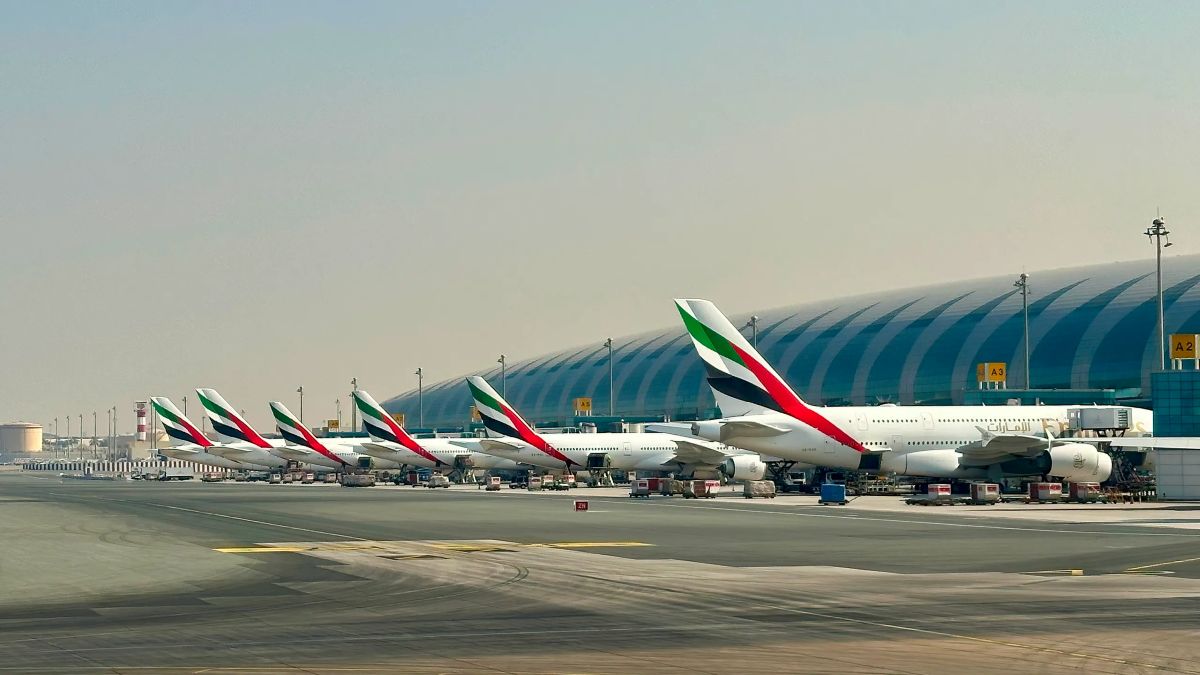
Global Travel is entering a more cautious phase as international airline passenger demand declined by 0.8% year-on-year in August 2026, according to the International Air Transport Association (IATA). The slowdown reflects weaker performance in key aviation markets, particularly the Middle East and North America, while several regions continued recording growth. The aviation industry remains resilient, but airlines are adjusting capacity, schedules and operations as geopolitical uncertainty, energy costs and changing traveller spending patterns influence demand. For passengers, the latest figures suggest a shifting travel environment rather than a collapse in flying, with airlines continuing to maintain global connectivity and prepare for future recovery.
Global Travel Demand Faces Short-Term Pressure as Airlines Adjust Networks
Global Travel demand experienced a modest decline in August 2026 as airlines reported weaker passenger traffic compared with the same period a year earlier.
IATA data showed that worldwide passenger demand, measured through revenue passenger kilometres (RPKs), decreased by 0.8% year-on-year. At the same time, airline capacity, measured through available seat kilometres (ASK), increased by 0.3%.
The global passenger load factor declined by 0.9 percentage points to 85.1%, showing that airlines operated slightly more capacity while passenger demand softened.
Advertisement
Advertisement
The figures indicate that aviation is experiencing a period of adjustment.
Rather than reflecting a complete slowdown in travel, the data highlights regional differences, with some markets expanding while others face pressure from economic and geopolitical conditions.
Advertisement
Advertisement
Airlines continue monitoring passenger behaviour closely as they balance aircraft capacity, operating costs and demand expectations.
International and Domestic Travel Both Record Declines
The August results showed pressure across both international and domestic aviation markets.
Advertisement
Advertisement
International passenger demand decreased by 0.9% compared with August 2025, while domestic passenger demand declined by 0.5% year-on-year. (iata.org)
The domestic decline contributed significantly to the global slowdown.
However, IATA noted that when excluding Middle Eastern carriers, global passenger demand actually increased by 0.6%, suggesting that regional factors played an important role in the overall decline.
For travellers, the figures highlight that aviation performance is becoming increasingly uneven across regions.
Advertisement
Advertisement
Some destinations continue attracting strong demand, while others face reduced passenger movement due to external challenges.
Middle East Aviation Experiences Sharpest Global Travel Decline
The Middle East recorded the largest regional decline in August.
Passenger demand among Middle Eastern airlines dropped 14.6% year-on-year, reversing earlier signs of recovery. Capacity also declined by 9.3%, while the regional load factor fell to 78.9%.
The decline reflects the sensitivity of aviation markets to geopolitical conditions and regional uncertainty.
The Middle East plays a critical role in global connectivity because major aviation hubs in the region connect Europe, Asia, Africa and the Americas.
When demand weakens in this region, the effects can influence international travel patterns and airline network planning.
Advertisement
Advertisement
For tourism destinations dependent on international visitors, changes in Middle Eastern aviation demand can affect hotel occupancy, visitor arrivals and travel spending.
North America Faces Weaker Passenger Demand
North American airlines also recorded weaker performance during August.
Passenger demand declined by 2.2% year-on-year, according to IATA figures.
The decline comes despite North America remaining one of the world’s largest aviation markets.
The region includes some of the busiest airports globally, including:
- Atlanta
- Dallas/Fort Worth
- Los Angeles
- Chicago O’Hare
- New York metropolitan airports
Changes in passenger behaviour, economic uncertainty and operational pressures can significantly influence aviation performance in such a large market.
Advertisement
Advertisement
For travellers, weaker demand could create opportunities through competitive fares on some routes, although schedules may continue adjusting according to airline strategies.
Europe Maintains Positive Travel Momentum
Europe recorded a more positive performance compared with several other regions.
European airlines experienced a 0.7% increase in passenger demand in August 2026.
The growth reflects continued demand for European tourism, business travel and international connections.
Major European destinations continue attracting visitors through cultural tourism, heritage attractions, food experiences and seasonal travel.
Countries including France, Spain, Italy, Greece and Portugal remain important international tourism markets.
Advertisement
Advertisement
The stronger European performance demonstrates how regional tourism conditions can differ significantly within the global aviation system.
Latin America and Caribbean Travel Show Strongest Growth
Latin America and the Caribbean recorded the strongest growth among major aviation regions.
Passenger demand increased by 5.3% year-on-year in August.
The growth highlights continued interest in destinations offering beaches, cultural experiences, nature tourism and adventure travel.
Caribbean destinations remain highly dependent on international connectivity, making stronger airline demand particularly important for tourism economies.
Countries across Latin America are also benefiting from increased interest in cultural tourism, eco-tourism and long-haul travel experiences.
Advertisement
Advertisement
The positive aviation trend could support tourism businesses including hotels, restaurants, attractions and local operators.
Africa Aviation Market Continues Expanding
Africa also recorded positive aviation momentum.
Passenger demand increased by 4.4% year-on-year in August.
The growth reflects increasing interest in African destinations offering wildlife tourism, cultural experiences, adventure travel and business opportunities.
Improving air connectivity remains an important factor for tourism development across the continent.
Destinations focused on safari tourism, coastal holidays and heritage experiences rely heavily on international aviation links.
Advertisement
Advertisement
Strong passenger demand can support tourism expansion while improving access for global travellers.
Asia Pacific Travel Demand Remains Stable
Asia Pacific aviation performance remained relatively stable.
IATA reported a slight 0.1% decline in passenger demand compared with August 2025.
The region remains one of the world’s most important aviation markets, connecting major economies including China, Japan, India, Southeast Asia and Australia.
Different markets within Asia Pacific experienced varying levels of demand depending on domestic conditions, international connectivity and consumer confidence.
The region continues playing a central role in global tourism and aviation growth.
Advertisement
Advertisement
India Domestic Travel Records Significant Decline
India experienced one of the sharpest domestic aviation declines among major markets.
According to IATA data, Indian domestic passenger demand declined 7.5% year-on-year in August 2026, despite capacity falling only 1.2%. The domestic passenger load factor dropped to 78.7%.
India’s decline contributed significantly to the global domestic aviation slowdown.
The Indian aviation market has expanded rapidly in recent years, supported by growing domestic connectivity, new airport infrastructure and increasing passenger numbers.
However, short-term changes in demand can influence airline schedules and capacity decisions.
For travellers, this could mean changing fares, revised flight frequencies and adjustments by carriers responding to market conditions.
Advertisement
Advertisement
Geopolitical and Economic Factors Influence Global Travel
IATA identified geopolitical uncertainty, energy costs and changing consumer spending patterns as important factors affecting aviation demand.
Fuel prices remain one of the largest expenses for airlines.
Higher operating costs can influence ticket prices, route decisions and capacity planning.
Economic uncertainty can also affect leisure travel decisions, particularly for discretionary international holidays.
However, airlines continue adapting through network adjustments, operational improvements and strategic capacity management.
Airlines Prepare for Future Travel Recovery
Despite August’s decline, IATA indicated cautious optimism.
Advertisement
Advertisement
Forward airline schedules suggest available seats are expected to grow by approximately 2% in October, showing continued confidence in future demand.
The aviation sector continues investing in connectivity and operational improvements.
Airlines are balancing current market challenges with long-term expectations for continued global mobility.
The industry remains focused on maintaining reliable networks while responding to changing passenger behaviour.
What Travellers Should Consider Before Booking Flights
Travellers planning international journeys should consider several factors in the current aviation environment.
Flexible booking options can provide greater protection if schedules change.
Advertisement
Advertisement
Passengers should monitor airline updates regularly because route frequencies and timings may adjust.
Longer connection times can reduce risks when travelling through major hubs.
Travel insurance may also provide protection for certain disruptions depending on policy conditions.
Understanding booking terms and airline policies remains increasingly important as global aviation becomes more dynamic.
Global Travel Outlook Remains Resilient Despite August Decline
The August aviation figures show a mixed global picture rather than a universal decline.
While total passenger demand fell slightly, several regions continued growing.
Advertisement
Advertisement
Latin America, Africa and Europe demonstrated positive momentum, while Middle Eastern and North American markets experienced stronger pressure.
Global aviation remains one of the most connected industries, supporting tourism, trade and international mobility.
The next phase of growth will depend on economic conditions, fuel prices, geopolitical stability and traveller confidence.
Conclusion
Global Travel is experiencing a period of adjustment after IATA reported a 0.8% decline in passenger demand during August 2026. The slowdown was driven mainly by weaker performance in the Middle East and North America, while Europe, Latin America, the Caribbean and Africa continued showing growth. (iata.org) The figures highlight the increasingly regional nature of aviation recovery, where some markets expand while others face temporary challenges. For travellers, the message is one of preparation rather than concern. Airlines continue maintaining global connectivity, adjusting capacity and investing in future growth. As economic and geopolitical conditions evolve, the aviation industry remains focused on supporting the next generation of international travel.
IMAGE SOURCE : CONDE NAST TRAVELER
Advertisement
