
US Travel Disruptions Rise as Flight Cancellations Surge and Airports Battle New Pressure

Updated
Published
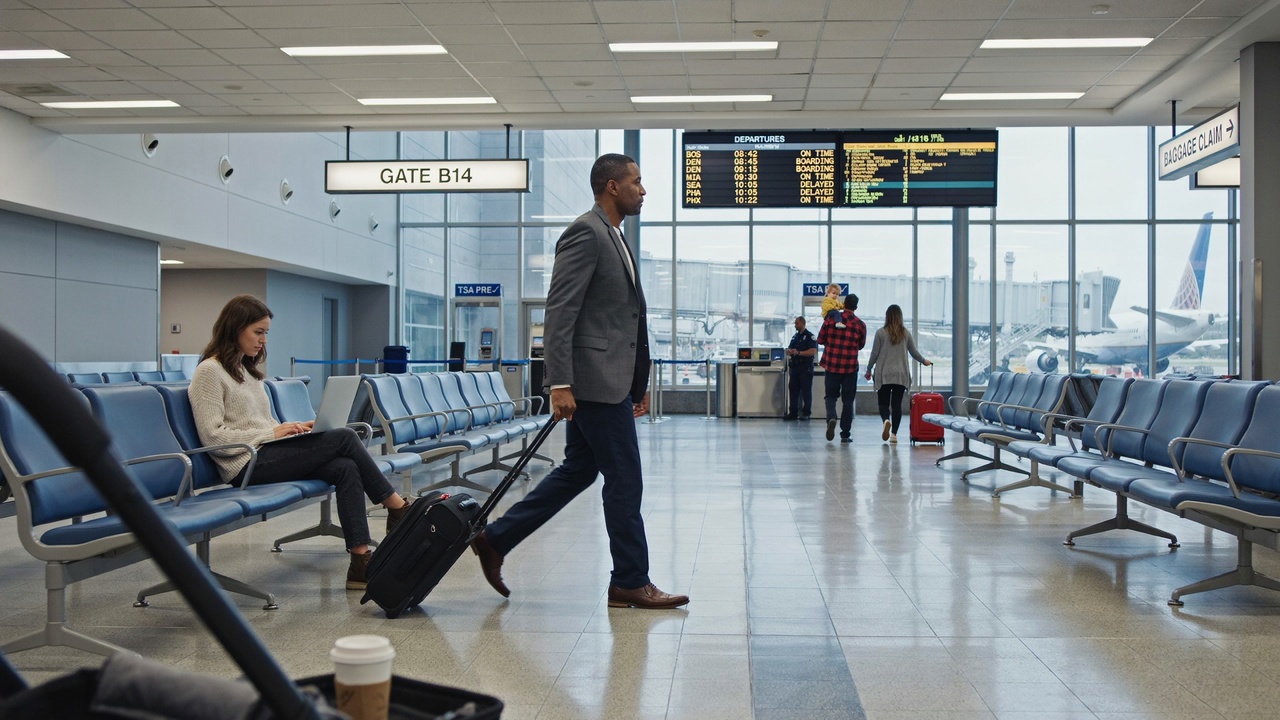
Image generated with Ai
USA Travel is facing growing disruption as flight cancellations reach a four-year high, creating challenges for passengers across major airports and airline networks. Travellers are experiencing delayed departures, missed connections and unexpected schedule changes due to a combination of severe weather, airport congestion, airline operational pressures and capacity issues. Major aviation hubs including Dallas/Fort Worth, New York-area airports, Chicago O’Hare and Miami are among locations facing increased pressure because of their scale and complex operations. As millions of passengers prepare for domestic and international journeys, aviation experts are advising travellers to plan carefully, allow extra connection time and understand their options before flying. Pasted markdown
Flight Cancellations Create New Challenges for USA Travel
Flight cancellations have become one of the biggest concerns affecting modern air travel.
Advertisement
Advertisement
The latest aviation analysis highlighted by Stacker Travel shows that cancellations have reached their highest level in four years, creating disruption for passengers throughout the United States. Pasted markdown
The US aviation system depends on thousands of interconnected operations working together every day.
Advertisement
Advertisement
Aircraft availability, airport capacity, weather conditions, air traffic control, staffing and airline scheduling all influence whether flights operate on time. Pasted markdown
When one part of the network experiences pressure, disruption can quickly spread.
Advertisement
Advertisement
A cancelled flight affects more than one passenger journey.
It can impact:
Advertisement
Advertisement
- Connecting flights
- Aircraft movements
- Crew schedules
- Airport operations
- Passenger accommodation plans
Pasted markdown
For travellers, this means a problem at one airport can affect flights hundreds or thousands of miles away. Pasted markdown
Why Flight Cancellations Are Increasing Across America
Several factors are contributing to rising pressure across US aviation networks.
Severe Weather Creates Major Disruptions
Weather remains one of the biggest causes of flight cancellations.
Advertisement
Advertisement
Thunderstorms, hurricanes, winter storms, strong winds and other extreme conditions can force airlines to cancel flights for safety reasons. Pasted markdown
Large airports are especially vulnerable because many operate as major connecting hubs.
When weather affects one major airport, thousands of passengers and hundreds of flights can experience delays.
Weather-related disruption can also continue after conditions improve because aircraft and crews may not be positioned correctly for later flights.
Airport Congestion Adds Pressure to US Travel Networks
America’s largest airports handle enormous passenger volumes every year.
Major hubs including:
Advertisement
Advertisement
- Dallas/Fort Worth International Airport
- Hartsfield-Jackson Atlanta International Airport
- Chicago O’Hare International Airport
- Denver International Airport
- Miami International Airport
operate highly complex networks. Pasted markdown
These airports are essential connections for millions of travellers.
However, their size also means disruption can quickly multiply.
A delayed aircraft may not only affect one route. The same aircraft may be scheduled for several later flights, creating a chain reaction across the airline network.
Dallas/Fort Worth Faces Heavy Travel Pressure
Dallas/Fort Worth International Airport is among the world’s busiest aviation hubs.
Its extensive domestic and international network makes it a critical connection point for US Travel.
Advertisement
Advertisement
However, the airport’s scale also means delays can quickly affect large numbers of passengers.
Recent airport stress rankings identified DFW among challenging US airports because of its size, connection complexity and potential delay exposure. Pasted markdown
Passengers connecting through Dallas should consider allowing additional time between flights, particularly during busy travel periods.
New York Airports Experience Complex Aviation Challenges
The New York metropolitan region represents one of the most complicated aviation environments in the world.
The area’s major airports include:
- John F. Kennedy International Airport
- Newark Liberty International Airport
- LaGuardia Airport
Pasted markdown
Advertisement
Advertisement
These airports manage millions of passengers while operating within one of the busiest airspaces globally.
Congestion, weather and connection challenges can create significant disruption for travellers. Pasted markdown
International travellers using New York as an entry point into the United States may be particularly affected because delays can impact onward domestic connections.
Chicago and Miami Remain Important Travel Pressure Points
Chicago O’Hare International Airport remains one of America’s largest connecting airports.
Its central location makes it important for domestic and international travel, but weather conditions can quickly influence operations. Pasted markdown
Miami International Airport plays a different role as a major gateway for Latin America and the Caribbean.
Advertisement
Advertisement
High passenger demand and international connections mean delays can spread across regional travel networks. Pasted markdown
For travellers heading towards Caribbean destinations, South America or international connections, disruption at Miami can create wider impacts.
Why Connecting Flights Are Becoming More Difficult
Connecting passengers are among the most vulnerable during disruption periods.
A delayed arrival at a major hub can result in missed onward flights.
Large airports also create additional challenges because passengers may need to:
- Change terminals
- Pass security checks
- Walk long distances between gates
- Navigate crowded facilities
Pasted markdown
Advertisement
Advertisement
Travel experts recommend allowing longer connection times, especially when flying through major international hubs. Pasted markdown
Short connections that appear convenient can become risky when flights experience even minor delays.
How Travellers Can Reduce Flight Disruption Risks
Passengers cannot control weather or airline operations, but careful planning can reduce the impact of disruptions.
Choose Earlier Flights
Morning flights often experience fewer accumulated delays because aircraft and crews are less likely to have been affected by earlier problems. Pasted markdown
Avoid Tight Connections
Short layovers can create additional stress during periods of disruption.
Travellers should consider longer connection times at large airports. Pasted markdown
Advertisement
Advertisement
Monitor Flight Information
Passengers should regularly check:
- Airline applications
- Airport websites
- Email notifications
- Flight alerts
Pasted markdown
Airlines often update passengers through digital channels before information reaches airport displays.
What Passengers Should Do After a Flight Cancellation
When a flight is cancelled, travellers should immediately review their options.
Passengers should:
- Contact the airline
- Check rebooking choices
- Confirm refund eligibility
- Keep receipts
- Save communication records
Pasted markdown
Advertisement
Advertisement
In the United States, airlines are required to provide refunds when a flight is cancelled or significantly changed and passengers choose not to accept an alternative option. Pasted markdown
However, compensation rules differ depending on the country, airline and circumstances.
Travellers should understand their rights before purchasing additional services or making alternative arrangements.
Technology Investment Becomes Critical for Aviation Reliability
Rising disruption has highlighted the importance of aviation infrastructure.
Airports and airlines are investing in:
- Digital passenger systems
- Improved baggage technology
- Better communication platforms
- Airport expansion projects
Pasted markdown
Advertisement
Advertisement
Modern aviation depends heavily on technology because millions of passengers travel through interconnected networks every day. Pasted markdown
Improving reliability will require cooperation between airlines, airports, regulators and technology providers. Pasted markdown
USA Travel Remains Strong Despite Disruptions
Despite rising cancellations, air travel remains a vital part of the US economy.
Millions of passengers continue flying daily for:
- Holidays
- Business trips
- Family visits
- International journeys
Pasted markdown
The United States remains one of the world’s largest aviation markets with extensive domestic and international connections.
Advertisement
Advertisement
The current disruption highlights the importance of preparation rather than avoiding travel.
Passengers who understand potential risks and plan carefully can reduce the impact of delays and cancellations. Pasted markdown
The Future of Air Travel Reliability
The aviation industry continues working to improve reliability through better planning, infrastructure investment and operational improvements.
However, modern airline networks are highly interconnected.
A disruption at one airport can affect passengers across multiple regions.
Future improvements will likely depend on:
Advertisement
Advertisement
- Stronger airport systems
- Better air traffic management
- Improved airline planning
- Clearer passenger communication
Pasted markdown
As demand for air travel continues increasing, reliability will remain one of the biggest priorities for aviation leaders. Pasted markdown
Conclusion
USA Travel is facing increased pressure as flight cancellations reach a four-year high and major airports manage growing operational challenges. Weather disruptions, congestion, airline capacity issues and complex aviation networks are contributing to passenger uncertainty. Pasted markdown However, travellers can reduce disruption risks through careful planning, flexible bookings, longer connection times and regular flight monitoring. The United States remains one of the world’s most connected aviation markets, and millions continue travelling successfully every day. The next stage of aviation reliability will depend on smarter technology, stronger infrastructure and closer cooperation between airlines, airports and regulators to create smoother journeys for passengers.
Advertisement
