
Senegal’s Casamance Opens a New Chapter for Mangrove and Community Tourism

Published
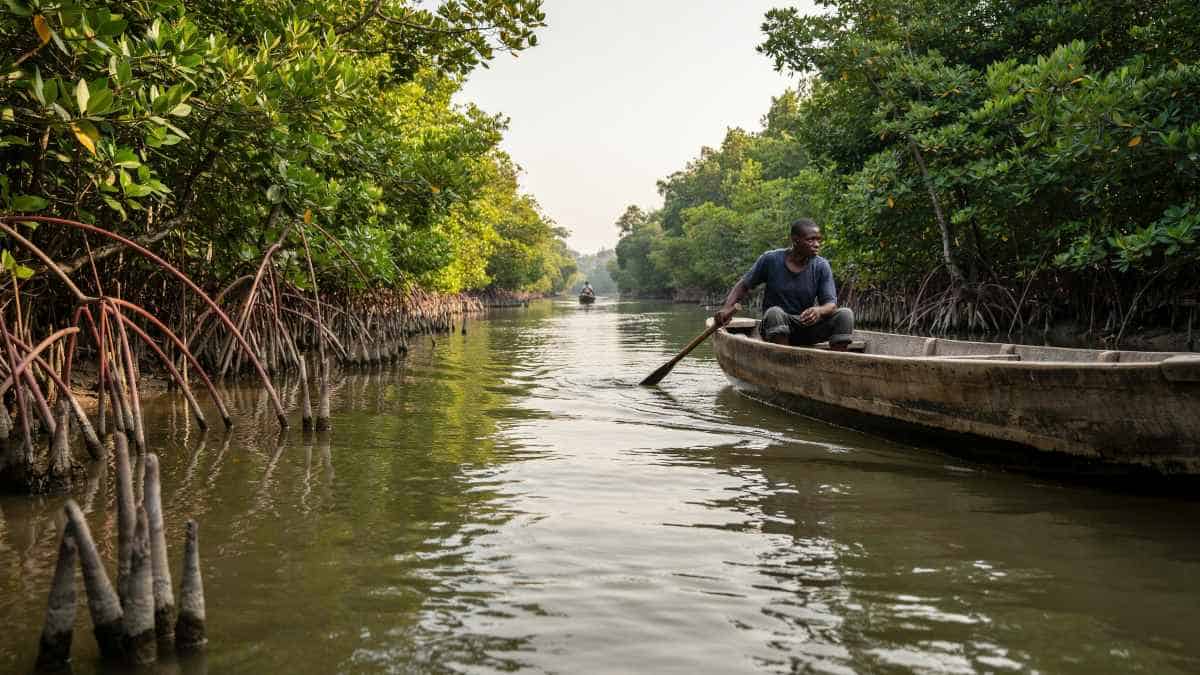
There is new focus being placed on Casamance in Senegal as the area works to promote ecotourism through its mangrove waterways and experiences, giving visitors the chance to explore a different aspect of Senegal than its well-known coastline or cities. According to a September 28 briefing, there is a new eco-concession approach for the Lower Casamance delta that includes solar pirogue tours conducted by the communities and plans for a system whereby a percentage of the income earned from the tours would help in restoring the mangrove and oyster beds. Although it was not possible to verify the eco-concession approach and the 30% income percentage from the most recent official material available, it is evident that there is still interest in ecotourism.
Ziguinchor Remains the Gateway to Casamance
Advertisement
Advertisement
Ziguinchor is the main urban centre of Casamance and an important starting point for journeys through the region. Located along the Casamance River, the city provides access to communities, waterways, forests and cultural attractions across southern Senegal.
Its position makes it particularly important for expanding tourism beyond conventional beach holidays. Travellers can use Ziguinchor as a base before heading towards Oussouye, Elinkine and the Atlantic coast around Cap Skirring.
Advertisement
Advertisement
The region’s geography also gives tourism a distinctive character. Rivers, bolongs, mangroves and villages create a landscape where boat journeys can be as important to the experience as conventional road travel.
Mangroves Are Becoming Part of the Tourism Story
Advertisement
Advertisement
Mangrove ecosystems are among Casamance’s most important natural assets. They support fish, shellfish and birdlife while helping protect coastlines and storing carbon.
That ecological importance makes them particularly suited to carefully managed nature tourism. Small-group boat excursions can allow visitors to experience the waterways without requiring large infrastructure within sensitive coastal environments.
Advertisement
Advertisement
The supplied briefing’s claim about solar pirogue circuits could not be independently verified. However, the broader concept fits the region’s existing potential for low-impact river and mangrove tourism.
For visitors, the experience can combine wildlife observation with encounters involving fishing communities, local food and traditional knowledge.
Oussouye Brings Culture Into the Experience
Oussouye offers a different dimension of Casamance tourism. The town and surrounding communities are known for their distinctive cultural traditions, sacred forests, festivals and architecture.
Advertisement
Advertisement
Cultural tourism here works best when visitors are welcomed through locally controlled experiences rather than simply passing through on a standard sightseeing route.
That creates an opportunity for tourism spending to reach guides, artisans, accommodation providers, food producers and community organisations. It also allows travellers to understand Casamance through the people who live there.
The combination of cultural heritage and nearby natural landscapes gives Oussouye the potential to become an important stop within a broader southern Senegal itinerary.
Elinkine Connects the Coast With the Delta
Elinkine sits close to the waterways and islands of Lower Casamance and is associated with boat journeys into the surrounding delta environment.
Its location makes it particularly relevant to the type of decentralised tourism model described in the September briefing. Rather than concentrating activity in one major resort, smaller communities can become departure points for nature and cultural excursions.
Advertisement
Advertisement
The approach could also encourage travellers to stay longer in the region. A visitor who arrives in Casamance for Cap Skirring’s beaches could add a mangrove excursion, village visit or river journey before continuing through the interior.
That creates a more varied tourism economy while giving smaller communities a place within the international visitor circuit.
Cap Skirring Can Broaden Beyond Beach Tourism
Cap Skirring is one of Senegal’s most established leisure destinations and remains a major draw for visitors seeking beaches and coastal accommodation.
Its proximity to Oussouye, Elinkine and the wider Casamance landscape provides an opportunity to connect established resort tourism with community and nature-based experiences.
This is particularly relevant as travellers increasingly seek experiences that combine relaxation with culture, food, wildlife and outdoor activities.
Advertisement
Advertisement
A stronger network between Cap Skirring and inland Casamance could therefore make the region more than a beach destination. It could become a multi-day journey combining coast, forest, river and community experiences.
Community Revenue Could Shape the Model
The most important element of the proposed framework is not necessarily the boats or technology. It is the question of who benefits when tourism grows.
Mangrove restoration and oyster production are closely linked to local livelihoods in Casamance. If tourism revenue reaches cooperatives involved in restoring these ecosystems, visitors can become part of a wider conservation economy.
The reported 30% allocation in the briefing remains unverified, so it should not be presented as an established policy. But the principle of connecting tourism revenue with environmental restoration has clear relevance for a region where healthy wetlands support both biodiversity and livelihoods.
Casamance Has Room for a Different Tourism Future
For years now, Senegal has been a draw to tourists via Dakar and other seaside and cultural destinations. Casamance presents yet another offer to visitors: slower tours that are water- and mangrove-centred, with village living, forest experiences, food and culture. The actual eco-concession proposal of September 28 described in the briefing cannot be independently verified. However, what is evident is that Casamance has all the nature and culture elements necessary to make a more effective community-based tourism business. For the visitor coming into Casamance through Ziguinchor and heading to Oussouye, Elinkine or Cap Skirring, the new offering is to discover the south of Senegal using a number of locations rather than just a one-off resort.
Advertisement
