

Urgent Travel Disruption Forces Panama Airport Flight Diversions to Colombia, Navigating Tourists from Tocumen to Barranquilla

Published
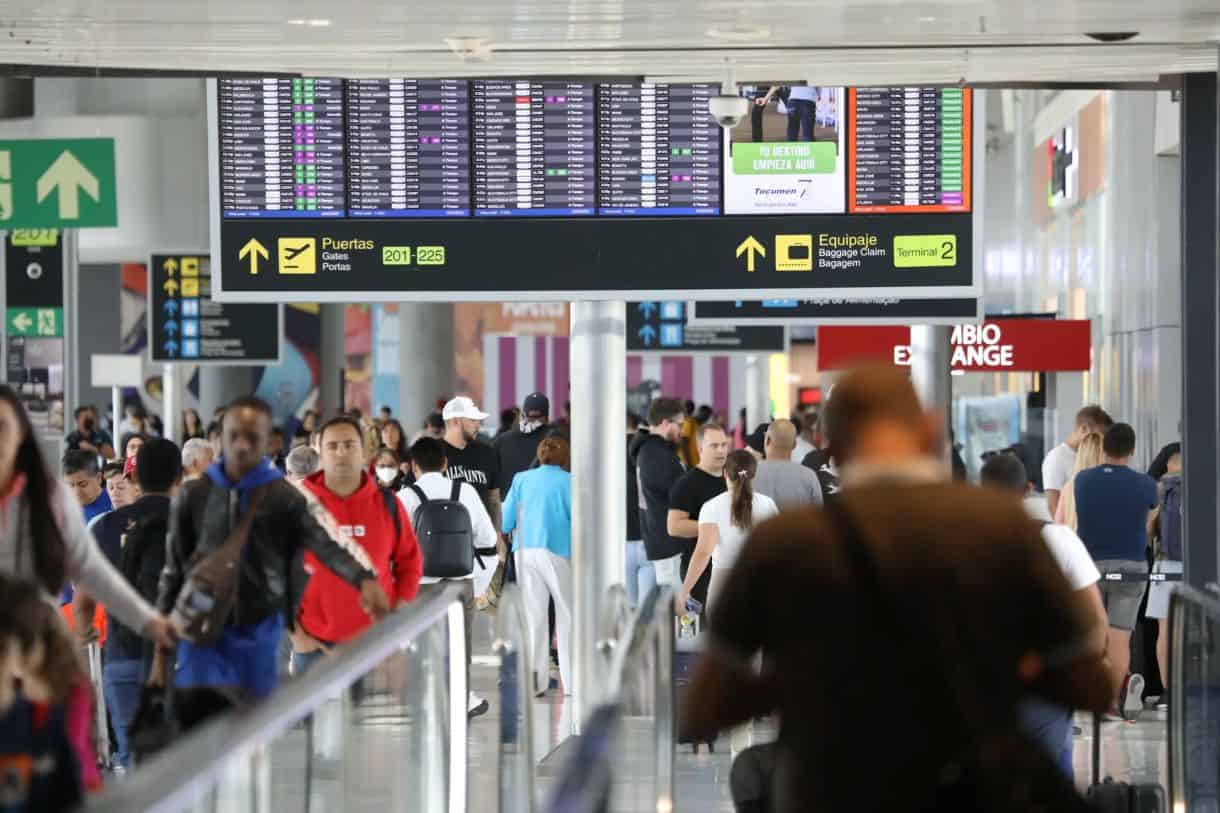
Official data confirms Panama airport flight diversions to Colombia rerouted Tocumen flights to Cartagena, Medellín, and Barranquilla. A magnitude 7.7 seismic event struck southern Panama at 12:56 local time on Friday. The intense shaking forced an immediate operational shutdown at Tocumen International Airport in Panama City. Tocumen serves as the central international aviation hub connecting the Americas. Civil aviation authorities ordered instant terminal evacuations to ensure passenger safety. Air traffic controllers immediately halted all outbound departures on runway surfaces. Inbound commercial flights were rapidly turned away from Panamanian airspace. The sudden closure created an extraordinary regional air traffic crisis. Thousands of travellers faced sudden displacement across Central and South America. Aviation officials in Colombia activated emergency backup protocols instantly. Data from official tracking sources showed immediate holding patterns over sea routes. Panama’s Civil Aviation Authority coordinated directly with regional control centres. The priority focused on securing immediate landing slots for airborne jetliners.
Massive Tectonic Rupture Triggers Skyway Emergency
Official data from the United States Geological Survey confirmed the severe seismic magnitude. The shallow rupture occurred at a depth of roughly twelve kilometres. The epicentre lay near Pitaloza Arriba on Panama’s Azuero Peninsula. Violent tremors rattled physical structures across Panama, Costa Rica, and northern Colombia. The earthquake registered as a major tectonic event across the Central American region. Panama’s Civil Aviation Authority reacted within seconds of the initial shockwaves. Automated seismic alert networks warned controllers about potential runway surface distortion. A total ground stop was declared across Tocumen International Airport. Inbound international flights were forbidden from entering terminal descent corridors. Pilots received urgent radio instructions to enter circular airborne holding patterns. Air traffic management teams evaluated fuel endurance levels across all airborne aircraft. Safety regulations demanded absolute caution regarding runway pavement structural integrity. Dozens of commercial airliners were left circling above Caribbean and Pacific waters.
Tocumen Hub Freeze and Infrastructure Integrity Checks
Tocumen International Airport management ordered an immediate evacuation of all passenger terminals. Thousands of international travellers were escorted swiftly onto outdoor airfield aprons. Airport staff cleared departure lounges, duty-free zones, and immigration halls quickly. Engineering teams were deployed to inspect every square metre of pavement surface. The emergency inspection protocol followed a structured sequence across facilities:
- Thorough visual inspection of primary runway 03L and runway 21R surfaces
- Electronic subterranean radar scanning for pavement buckling and structural cracking
- Realignment verification of delicate instrument landing system radio transmitters
- Structural safety checks across the primary air traffic control tower facility
- Complete visual assessment of passenger terminal buildings and boarding bridges
Official statements from airport management confirmed the thorough scope of these inspections. Ground crews scoured the tarmac to verify operational safety before re-authorising landings. Engineers eventually confirmed that no prohibitive structural damage had occurred to facilities. Tocumen management issued an official statement clearing the airfield for flight operations. The hub officially re-authorised flight arrivals and departures late Friday afternoon.
Advertisement
Advertisement
Colombia Aerocivil Enacts Regional Contingency Masterplan
Colombia’s Special Administrative Unit of Civil Aeronautics acted without delay. Aerocivil formally activated its national aviation contingency plan on Friday afternoon. The Colombian agency coordinated operations across seven designated alternate international airports. This emergency plan managed inbound regional and transcontinental air traffic seamlessly. Aerocivil designated seven key regional airports to absorb the diverted international flights:
| Airport Name | IATA Code | Served Location | Strategic Regional Role |
| Gustavo Rojas Pinilla | ADZ | San Andrés Island | Offshore Caribbean Oceanic Alternate |
| Rafael Núñez | CTG | Cartagena | Primary Northern Coastal Arrival Hub |
| Ernesto Cortissoz | BAQ | Barranquilla | Heavy Aircraft Remote Ramp Facility |
| Simón Bolívar | SMR | Santa Marta | Coastal Regional Emergency Backup |
| José María Córdova | MDE | Rionegro / Medellín | High-Altitude Inland Transcontinental Hub |
| Alfonso Bonilla Aragón | CLO | Palmira / Cali | Southwestern Continental Alternate |
| Los Garzones | MTR | Montería | Regional Domestic Backup Landing Base |
Aerocivil controllers re-routed aircraft approaching Panamanian airspace to prevent airborne fuel depletion. Each designated facility operated under heightened supervision to ensure safe aircraft handling.
Advertisement
Advertisement
High Altitude Panic and Emergency Squawk 7700
The Tocumen International Airport earthquake closure created acute fuel endurance pressures for airborne flight crews. Flight tracking networks monitored multiple commercial jets entering circular holding patterns. Extended holding times quickly transformed routine flights into urgent emergency situations. The Copa Airlines flight CM416 emergency provided a dramatic example of this airborne crisis. Flight CM416 was operating a scheduled passenger service from Bogotá to Panama City. As Tocumen remained closed, the aircraft exhausted its planned holding fuel reserves. The flight crew officially squawked transponder code 7700 to declare a general emergency. A 7700 transponder code broadcasts an immediate distress signal to all ground radar screens. Ground controllers immediately prioritised Flight CM416 for an urgent diversionary landing. Air traffic management directed the aircraft to Rafael Núñez International Airport in Cartagena. The jet landed safely in Cartagena without further incident or injury to passengers. Official tracking logs confirmed that low fuel reserves prompted the emergency declaration.
Aviation Technical Analysis of Fuel Management and Emergency Rules
International Civil Aviation Organisation regulations require strict minimum fuel reserves for commercial flights. Airplanes must carry enough fuel to reach their destination and alternate airfields safely. Flights must also maintain a mandatory thirty-minute final reserve fuel margin at all times. When holding delays exhaust contingency fuel, pilots must declare an emergency immediately. The emergency protocol executes through specific sequential technical steps:
- The flight crew selects transponder code 7700 on the flight deck control panel
- Ground radar systems display highlighted emergency indicators across air traffic control screens
- Air traffic controllers clear all descent sectors and establish direct routing to alternate runways
- Fire and rescue services deploy along airport taxiways in full operational readiness
- The emergency aircraft receives absolute priority landing clearance over all other traffic
In the case of Flight CM416, controllers cleared all descent sectors immediately. The crew executed a direct instrument approach to Cartagena’s runway without delay. Technical flight telemetry confirmed the aircraft landed well above minimum safety fuel thresholds. Aviation safety analysts noted the flight crew followed standard emergency protocols perfectly.
Tactical Breakdown of Diverted Flights Across Regional Airfields
Official aviation flight tracking data revealed the exact distribution of diverted commercial flights. Panama airspace emergency diversions forced controllers to distribute aircraft across multiple coastal and inland airfields. Tracking data confirmed specific Copa Airlines flight re-routings to designated Colombian terminals:
| Flight Number | Scheduled Route | Alternate Airport | Landing Status & Reroute Cause |
| Copa CM416 | Bogotá to Panama City | Cartagena (CTG) | Diverted after declaring low fuel squawk 7700 |
| Copa CM153 | North America to Panama | Cartagena (CTG) | Rerouted from Caribbean descent path |
| Copa CM804 | Regional to Panama City | Cartagena (CTG) | Accommodated on passenger terminal ramp |
| Copa CM221 | South America to Panama | Barranquilla (BAQ) | Diverted from initial Panama descent profile |
| Copa CM358 | Regional to Panama City | Barranquilla (BAQ) | Parked on remote apron facilities |
| Copa CM492 | Caribbean to Panama City | Barranquilla (BAQ) | Rerouted while transiting maritime airspace |
| Copa CM683 | Transcontinental to Panama | Medellín (MDE) | Landed for fuel replenishment and servicing |
| Copa CM182 | Regional to Panama City | Medellín (MDE) | Diverted from airborne holding pattern |
Juan Santamaría International Airport in San José Costa Rica also received diverted regional flights. All diverted flights landed safely without structural damage or crew injuries.
Plight of Stranded Travellers and Airport Ground Ops Chaos
The sudden air traffic diversions imposed severe emotional and physical hardships on thousands of travellers. Passengers on diverted flights landed in foreign cities far from their intended destinations. Many international travellers lacked appropriate entry visas for unexpected Colombian transit stops. Migración Colombia officials coordinated emergency transit procedures inside terminal buildings. Airport operators worked alongside customs authorities to manage stranded passenger crowds efficiently. Local ground handling crews worked tirelessly to service unexpectedly arrived commercial aircraft. Ramp managers at Barranquilla and Medellín reorganised tarmac layouts to maximise parking capacity. Fuel tankers were dispatched continuously to refuel stranded airliners for eventual departure. Terminal departure lounges in Cartagena and Medellín experienced severe overcrowding throughout the night. Families faced prolonged delays without immediate information regarding onward flight connection schedules. Aviation staff distributed basic food and water, while passengers waited inside crowded gate areas. Distressed travellers expressed growing anxiety over missed international connection flights in Panama City. The human toll highlighted the extreme vulnerability of tightly scheduled international air transit networks.
Advertisement
Advertisement
Copa Airlines Fleet Realignment and Repositioning Logistics
Following Tocumen’s official reopening, Copa Airlines initiated massive fleet repositioning operations. The carrier faced a complex logistical puzzle across multiple foreign airports in Colombia and Costa Rica. Commercial aircraft and flight crews were stranded across seven Colombian terminals and San José. Copa Airlines published official advisories detailing the comprehensive scope of network realignment. The airline cautioned that returning planes and crews to Panama City would take considerable time. Knock-on flight delays impacted scheduled departure flights across North, Central, and South America. Operations control teams worked around the clock to re-assign flight crews to satisfy mandatory rest regulations. Positioning flights were dispatched from Colombia to clear ground congestion at alternate airports. Copa management prioritised aircraft containing high numbers of connecting international passengers. By Saturday morning, multiple diverted commercial jets had successfully returned to Tocumen International. However, full network schedule recovery required extended operational coordination throughout the weekend.
Full Analysis of Copa Airlines Travel Waiver Guidelines
Copa Airlines published comprehensive travel waiver terms on its official website. The Copa Airlines travel waiver policy aimed to alleviate severe financial disruption for affected international passengers. The official policy establishes clear guidelines across two primary passenger choices:
- Option 1 Free Date Change Terms:
- Zero administrative change fees for rescheduled itineraries
- Full waiver of fare differences for identical origin and destination routes
- Mandatory rebooking completion on or before October 31, 2026
- Travel commencement required on or before October 31, 2026
- Option 2 Future Travel Credit Terms:
- Full ticket value retained as a travel credit certificate
- Zero administrative change fees for travel scheduled after October 31, 2026
- Collection of applicable fare differences for new flight bookings
- Easy self-service management through the official website My Trips tool
Policy eligibility covered all commercial tickets issued on or before Friday, October 9, 2026. Qualifying original travel dates spanned Friday, October 9, and Saturday, October 10.
Cross Border Air Traffic Control Handover Protocols
The airspace emergency required immediate operational integration between Panamanian and Colombian air traffic control centres. Panama Area Control Centre faced immediate radar saturation as dozens of flights entered holding patterns. Air traffic controllers in Panama initiated emergency coordination protocols with Bogotá Area Control Centre. Sector controllers in Barranquilla ACC immediately assumed radar control of diverted Caribbean flight corridors. Handoff protocols executed smoothly under established International Civil Aviation Organisation regional navigation agreements. Controllers transferred radar identification data electronically across international airspace boundary control points. Radio frequencies were updated systematically to prevent radio congestion among circling commercial airliners. Colombian controllers established structured flight levels to manage descending aircraft safely toward alternate airfields. This real-time radar integration prevented mid-air conflicts across heavily congested maritime air corridors. Aviation safety regulators cited this seamless cross-border coordination as a model for airspace management.
Financial and Logistical Toll on Regional Aviation Commerce
Beyond immediate operational disruption, the earthquake imposed significant financial costs on regional air carriers. Unplanned flight diversions consume substantial extra jet fuel during extended holding and transit phases. Airlines incurred significant emergency ground handling charges across seven Colombian alternate airfields. Ferry flights required to reposition empty jetliners back to Panama City added substantial operational overhead. Copa Airlines absorbed additional passenger welfare expenses for hotel accommodations, meals, and ground transport. Commercial air cargo flows were temporarily disrupted as belly-hold freight remained stranded on foreign aprons. Supply chains relying on rapid air freight through Panama experienced temporary delays across Central America. Aviation insurance underwriters began assessing minor financial claims associated with emergency flight rerouting costs. Despite these financial losses, industry executives emphasised that safety priorities completely justified all operational decisions. The long-term economic resilience of the Panamanian aviation hub remains uncompromised following the swift recovery.
Value for Travellers and Global Aviation Operational Analysis
This comprehensive aviation report provides essential operational insights for global air travellers. Understanding civil aviation contingency protocols helps travellers navigate unexpected regional air traffic crises effectively. The event demonstrated the critical importance of flexible airline waiver policies during natural disasters. For aviation industry analysts, the regional response highlighted highly effective cross-border air management coordination. Aerocivil Colombia demonstrated exceptional operational agility by opening seven alternate airfields instantly. The rapid controller coordination prevented catastrophic fuel starvation incidents among circling international jets. Aviation safety experts praised the immediate 7700 emergency squawk procedure executed by Flight CM416. Proper emergency declarations ensured immediate priority landing slots at coastal Colombian airports. The crisis underscored the immense value of maintaining robust alternate airport infrastructure across Latin America. Modern ADS-B flight tracking telemetry provided crucial real-time visibility for airline dispatch teams.
Advertisement
Advertisement
Conclusion and Long Term Skyway Resilience
The tectonic emergency in Panama highlighted the inherent vulnerability of major global aviation hubs. Prompt, decisive actions by civil aviation authorities prevented a potential airborne tragedy. Collaborative airspace management between Panama and Colombia ensured total passenger safety throughout the crisis. Official flight tracking data confirms Panama airport flight diversions to Colombia successfully absorbed all displaced aircraft. All seven designated Colombian alternate airports performed vital operational functions during the Tocumen shutdown. Tocumen International Airport has resumed full commercial operations following thorough structural engineering inspections. Copa Airlines continues to execute its fleet repositioning and passenger travel waiver programmes. Travellers affected by the disruption can adjust bookings online through official carrier channels. This successful regional aviation response sets a high benchmark for future emergency contingency planning.
Advertisement
