

Canada and Australia Face Fierce Fair Tourism Competition as USA’s Maui County Fair 2026 Boosts Hawaii Economy

Published
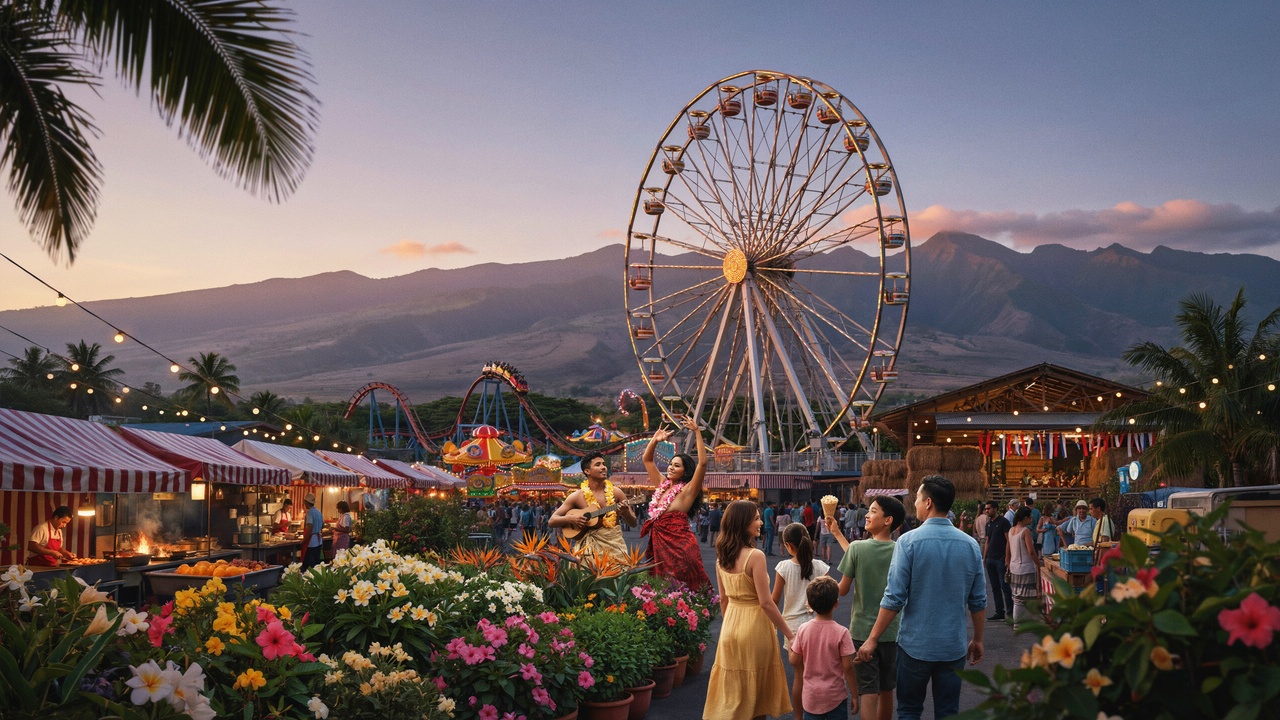
Canada and Australia Face Fierce Fair Tourism Competition as USA’s Maui County Fair 2026 Boosts Hawaii Economy.Canada and Australia face growing comparisons with the USA as Hawaii’s Maui County Fair 2026 highlights the economic potential of agricultural tourism. Held from October 1 to 4 in Wailuku, the historic celebration brought together carnival attractions, livestock exhibitions, Hawaiian cultural performances and community fundraising activities. While Canada and Australia host internationally recognised agricultural fairs, Maui’s event demonstrated how local traditions can support tourism, strengthen small businesses and create valuable opportunities for farmers, nonprofit organisations and Hawaii’s regional economy during the autumn season.
The 99th Annual Maui County Fair took center stage from October 1 to October 4, 2026, bringing agricultural exhibits, carnival attractions, and family entertainment to the Valley Isle. Organized under the oversight of the County of Maui
, the four-day event marked another step toward the centennial milestone, reaffirming the fair’s role as one of Hawaii’s historic civic gatherings.
Where Did This Event Happen and What Venues Were Utilized?
The fair unfolded across the War Memorial Special Events Complex on Halia Nakoa Street in Wailuku, Maui. The venue featured multi-zoned pavilions encompassing the livestock arena, horticulture exhibits, commercial vendor tents, local food courts, and the primary midway carnival managed by E.K. Fernandez Shows. Satellite community exhibits and pre-fair cultural displays also engaged patrons across Central Maui, serving as regional gathering points leading up to the grand parade launch.
Who Participated in the Fair?
Participation crossed public, private, and community sectors:
Advertisement
Advertisement
- Local Agriculturalists & Livestock Breeders: Maui County farmers, 4-H youth chapters, and orchid growers presented homegrown livestock, tropical horticulture, and produce displays.
- Nonprofit & Civic Vendors: Over 40 local non-profit organizations and school clubs operated food concessions—ranging from traditional malasadas to chow fun—as their primary annual fundraising mechanism.
- Cultural Performers & Musicians: The Maui County Fair main stage hosted continuous live Hawaiian music, hula hālau performances, and youth talent competitions.
- Commercial Artisans & Public Agencies: State and county agencies distributed community resources, while local artisans showcased native crafts and merchandise.
How Many Attendees Joined Over the Last 5 Years?
The fair experienced a six-year hiatus between 2020 and 2024 due to global pandemic disruptions, operational hurdles, and the catastrophic August 2023 Lahaina wildfires before its triumphant return in 2025.
Which Other Countries Have This Same Type of Event?
Agricultural fairs blending county livestock shows with family entertainment originated in North America and Western Europe during the 18th and 19th centuries and are celebrated internationally:
Advertisement
Advertisement
- Canada: The Royal Agricultural Winter Fair in Toronto and the Calgary Stampede merge livestock competitions, horticultural prizes, and carnival entertainment.
- Australia: Known regionally as “Royal Shows,” events like the Royal Easter Show in Sydney celebrate pastoral agriculture, livestock auctions, woodchopping, and modern midway rides.
- United Kingdom: County shows across England and Scotland, such as the Royal Highland Show, celebrate regional food producers, equestrian events, and heritage livestock.
- New Zealand: The national network of A&P (Agricultural and Pastoral) Shows, including the New Zealand Agricultural Show in Christchurch, highlights farming heritage with family rides and commercial pavilions.
Which Region of Travelers Most Come to This Event?
Visitor data recorded by the State of Hawaii Department of Business, Economic Development & Tourism (DBEDT) indicates the demographic distribution of attendees:
- Inter-Island Kamaʻāina (65%–70%): The vast majority of non-Maui attendees travel from neighboring islands—primarily Oahu, Hawaii Island, and Kauai—for family reunions and cultural participation.
- U.S. West Coast (20%–25%): Out-of-state travelers originate predominantly from California, Washington, and Oregon, timed with early autumn travel patterns.
- International Visitors (5%–10%): Primarily long-haul vacationers from Canada and Japan who align island visits with major local heritage festivals.
Which Country Benefits Most from This Event?
The United States—specifically the domestic economy of the State of Hawaii—derives virtually all economic utility from the fair. Because the festival is managed under municipal jurisdiction with strict non-profit vendor requirements, revenue does not leak offshore; funds remain within local schools, charitable organizations, and domestic service providers.
Advertisement
Advertisement
How Are the Economy and Tourism Impacted by the Event?
Economic reporting from the Hawaii Tourism Authority (HTA) underscores three structural benefits:
- Direct Non-Profit Revenue Generation: For dozens of Maui schools, sports teams, and social services, the fair generates upwards of $1.5 million in direct concession sales, constituting their largest annual source of discretionary program funding.
- Inter-Island Air and Hotel Stimulation: Airlines such as Hawaiian Airlines and Southwest experience heightened regional booking volumes over the first weekend of October, lifting hotel and short-term rental occupancy in Kahului and Central Maui.
- Regenerative and Cultural Tourism: The fair reinforces regenerative tourism goals by connecting non-local visitors directly with agricultural producers, native artisans, and community members, steering visitor spending directly into local hands.
Canada and Australia Face Fierce Fair Tourism Competition as USA’s Maui County Fair 2026 Boosts Hawaii Economy.The Maui County Fair 2026 highlighted Hawaii’s distinctive position within the wider agricultural festival landscape shared by Canada, Australia and the United States. Although these countries offer established farming exhibitions and family entertainment, Maui’s celebration placed particular emphasis on community participation, Hawaiian heritage and local fundraising. The event illustrated how agricultural fairs can contribute to regional tourism, encourage visitor spending and preserve cultural traditions. As Maui approaches its centennial fair milestone, strengthening these connections could support sustainable tourism development.
Advertisement
