
Why Antibes This Autumn Is Europe’s Ultimate Sustainable Escape: Five Events Protecting Nature and the Sea

Published
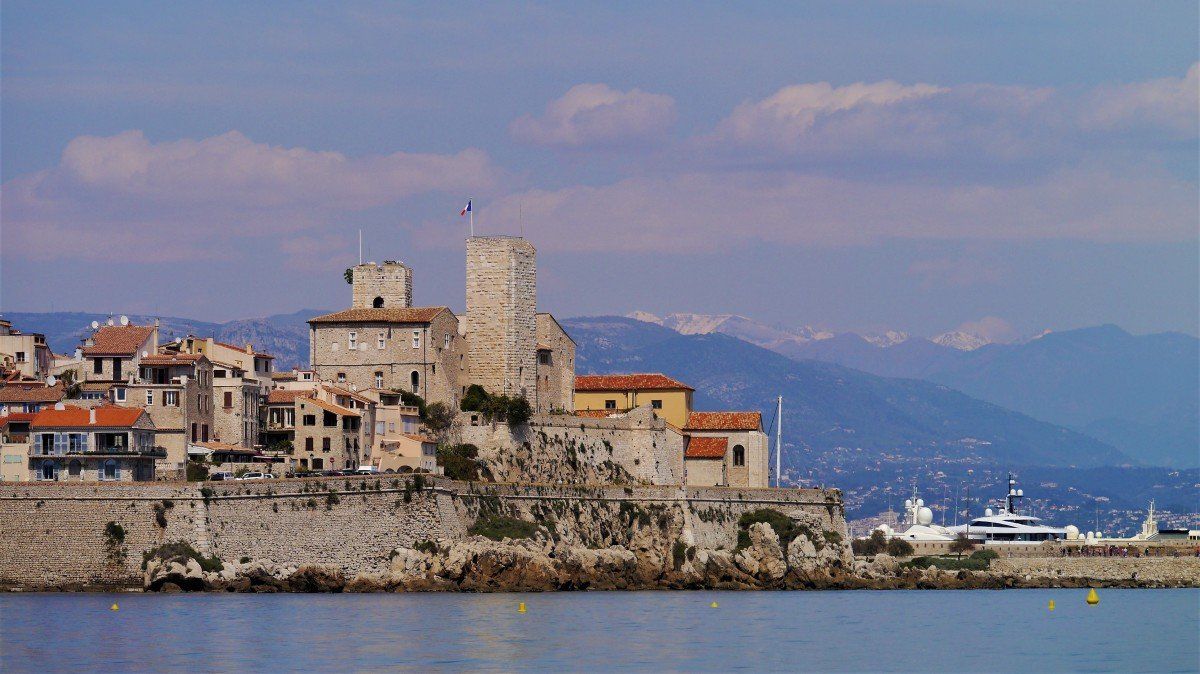
Image generated with Ai
The French Riviera in autumn offers a quieter alternative to the busy summer season, with a stronger focus on ecological preservation and sustainable tourism. For conscious travellers looking for an inspiring seasonal escape, the outstanding autumn programme of Antibes shines a spotlight on marine biodiversity and coastal conservation. This Mediterranean jewel has placed the protection of its natural heritage at the very heart of its seasonal programme, with exhibitions, educational walks and community-led initiatives taking centre stage. Whether you’re exploring protected marine reserves or participating in citizen science, this autumn destination shows that luxury and responsibility for the environment can exist in harmony. Read the full guide here and start planning your eco-friendly French Riviera getaway today.
Unveiling the Seasonal Shift Toward Ecological Consciousness
Travelers often picture the French Riviera through the lens of glamorous summer yachts and crowded golden beaches. However, the shoulder season unveils a quieter, more intentional side of the coastline. Why is autumn considered the best time for sustainable travel in Antibes? During these cooler months, municipal authorities, local marine institutes, and grassroots organizations collaborate to launch intensive environmental programmes. According to the Provence-Alpes-Côte d’Azur regional tourism board, shifting visitor traffic toward autumn helps mitigate over-tourism while allowing delicate coastal ecosystems to recover from the summer peak.
Advertisement
Advertisement
This seasonal pivot is not merely about crowd control; it represents a fundamental shift in how visitors interact with the environment. Educational campaigns spearheaded by local authorities emphasize that protecting the Mediterranean requires active participation from both residents and tourists. By timing your visit for the autumn months, you gain access to specialized eco-tours, conservation workshops, and interactive exhibits that are rarely emphasized during the high-energy summer season.
Discovering Marine Biodiversity Through Immersive Exhibitions
As the summer season winds down, local cultural institutions and environmental organizations in Antibes pivot toward immersive education. Dedicated exhibitions across the city showcase the delicate balance of the Mediterranean ecosystem, focusing heavily on seagrass meadows, native marine species, and regional conservation milestones. According to municipal environmental reports, safeguarding local habitats remains a top priority for regional stakeholders, ensuring that visitors gain a comprehensive understanding of coastal fragility.
Advertisement
Advertisement
These exhibits utilize cutting-edge interactive displays, underwater photography, and scientific research data to educate travelers on how climate change and human activity impact local shorelines. Visitors can explore detailed timelines of local marine recovery projects, learning about the vital role that Posidonia oceanica—often called the lungs of the Mediterranean—plays in absorbing carbon and protecting beaches from erosion. This deep dive into marine biology provides a compelling reason for tourists to adopt sustainable habits during their stay, transforming a standard vacation into an enlightening educational journey.
Exploring the Protected Tire-Poil Coastal Trail
No sustainable journey through Antibes is complete without experiencing the rugged beauty of the famous Tire-Poil coastal trail. Winding along the dramatic limestone cliffs of the Cap d’Antibes, this protected path offers breathtaking panoramic views of the deep blue sea while enforcing strict ecological guidelines to protect native flora and fauna.
Advertisement
Advertisement
Walkers are strongly encouraged to remain on designated paths to prevent soil erosion and safeguard nesting seabirds that inhabit the cliff sides during the autumn migration period. This mindful approach to coastal trekking ensures that the fragile coastal ecosystem remains undisturbed by heavy foot traffic, allowing indigenous plants such as sea lavender and rock samphire to thrive naturally. Interpretive signage along the route educates hikers on the geological history of the cape and the importance of leaving zero trace behind, making every step a lesson in environmental respect.
Community Beach Clean-Up Initiatives and Citizen Science
Autumn also marks an active period for civic engagement, with numerous grassroots organizations and municipal bodies hosting organized beach clean-up initiatives along the Antibes coastline. These hands-on conservation efforts invite both residents and international visitors to actively combat marine pollution, particularly microplastics and abandoned fishing gear washed ashore by seasonal tides.
Participating in these community initiatives provides travelers with a meaningful way to give back to the destination they visit, turning passive tourism into active environmental stewardship. Government data indicates that volunteer-driven clean-ups significantly reduce the volume of waste entering Mediterranean waters, reinforcing the city’s broader dedication to preserving its pristine natural coastline for future generations. Furthermore, these sessions often incorporate citizen science workshops, where participants help marine biologists log microplastic concentrations and catalogue local shell and pebble distributions to track long-term environmental health.
Sustainable Tourism Practices in Action Across the City
Beyond the events, Antibes’ hospitality and tourism sector is hard at work incorporating green operational standards during the shoulder season in autumn. Local eco-certified hotels, sustainable restaurants and green transport networks collaborate to reduce carbon footprints and promote local sourcing.
Throughout the city, hotels are implementing strict energy-saving measures, water conservation systems and zero-waste kitchen practices, often partnering with local organic farmers to supply their dining rooms. Increasingly, travellers are being encouraged to use public transport, rent electric bikes or walk in pedestrian zones to help reduce vehicle emissions. The integrated approach to destination management makes sure that tourism becomes a positive force for environmental protection, rather than a burden to local natural resources and shows that urban development and nature conservation can go hand in hand.
Advertisement
