
Cuba Is Witnessing A Devastating Leisure Meltdown That Has Everyone Wondering If Travel Paradise Is Lost Forever

Published
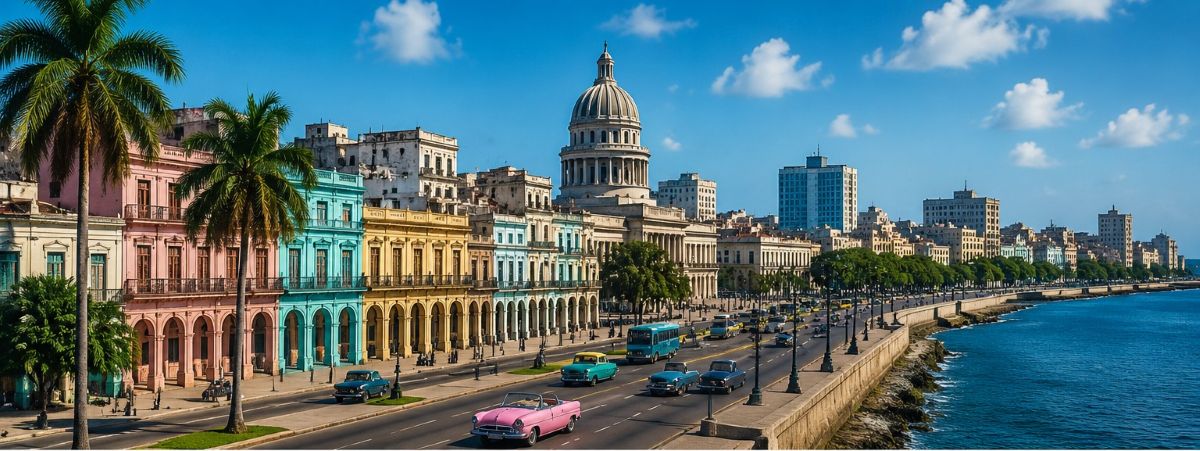
It is so quiet now that there is no longer travel to Cuba. Walking the streets of Havana or sitting at the beaches of Varadero brings that sort of silence. Most of Cuba’s coastal spots have been empty for months now. The bright waters come to wash against empty beach chairs and resorts that are closed. Looking at a place that has so much life and so much music and is filled with such warmth and seeing it void is truly sad. Behind the empty space is a shocking and sad truth of the numbers. There was a 59% drop in international travel in the first five months of the year. There are also gas shortages and no aviation fuel. Blackouts happen and flights stop. The beach vacation dream becomes a nightmare of an infrastructural breakdown. Families who have no other means of survival are dying slowly as they watch their country, built on tourism, slowly burn.
Cuba Tourism Arrivals Crash 58.4% in 2026: Why Havana and Varadero Are Facing an Unprecedented Travel Crisis
Cuba tourism arrivals have suffered a catastrophic downturn, plunging by 58.4% across the first five months of 2026 according to official data released by the National Office of Statistics and Information (ONEI). Consequently, this dramatic shift has sent shockwaves through the Caribbean travel landscape, exposing deep-seated infrastructural vulnerabilities across iconic destinations like Havana, Varadero, and Cayo Santa María. Furthermore, severe aviation fuel shortages and rolling blackouts have transformed what was once a bustling tropical sanctuary into an eerily quiet retreat. As international carriers grounded flights and foreign governments issued strict travel warnings, the island’s once-thriving hospitality sector ground to an agonizing, unprecedented halt.
Why Did International Visitor Arrivals in Cuba Plummet So Dramatically Between January and May 2026?
Advertisement
Advertisement
Between January and May 2026, Cuba welcomed a meagre 359,491 international visitors, representing a devastating 58.4% decrease compared to the exact same timeframe in 2025. This historic collapse was driven primarily by crippling aviation fuel shortages, persistent rolling blackouts, and tightening external economic pressures that paralyzed normal operational capabilities across the island.
Furthermore, the cascading crisis forced major international airlines to rapidly suspend their regular routes or restrict operations strictly to rescue and repatriation flights. Consequently, the island’s primary tourism pipeline fractured completely, leaving premier resort zones entirely starved of the steady stream of holidaymakers they desperately require to sustain standard economic vitality.
Advertisement
Advertisement
How Did Month-by-Month Visitor Metrics Reveal the Escalating Depth of the 2026 Crisis in Havana?
The disastrous downturn escalated rapidly following February 2026, when official notices regarding severe jet-fuel scarcity triggered massive international carrier groundings across global hubs. While January remained relatively stable with roughly 184,833 to 196,004 arrivals, February witnessed an abrupt drop down to 77,663 visitors as flight disruptions began compounding dangerously.
By March, a sharp contraction halved year-on-year quarterly metrics, pushing April volumes down into a stagnant bracket around 30,500 arrivals due to widespread airline suspensions. Ultimately, May recorded a near-complete freeze with only 30,883 international visitors, registering a marginal increase of just 332 visitors over April and confirming a prolonged state of paralysis.
Which Key Source Markets and Regional Feeders Experienced the Most Severe Contractions Across Varadero?
Traditional core feeder markets plummeted heavily as international governments issued urgent warnings regarding fuel, energy, and supply shortages throughout Cuba. Canada, traditionally the island’s absolute primary market, recorded a mere 126,239 Canadian visitors between January and May 2026, marking a staggering 67.4% decline from the 387,396 visitors registered during that period in 2025.
Major Canadian carriers such as Air Canada, WestJet, Air Transat, and Sunwing heavily curtailed or entirely suspended operations due to insurmountable jet-fuel constraints. Similarly, the United States experienced steep proportional drops, while traditional European feeders including Russia, Spain, Italy, and Germany registered contractions ranging from 25% to over 50%.
Advertisement
Advertisement
What Was the Devastating Impact on Hospitality Infrastructure and Hotel Occupancy Rates in Cayo Santa María?
The sudden collapse in inbound arrivals immediately triggered widespread, devastating contractions across Cuban hospitality infrastructure, leaving massive resorts completely deserted. Average hotel occupancy plummeted to an abysmal 12.9% during the first quarter of 2026, dropping sharply from 23.7% during the corresponding period in 2025 and hovering near those historic lows through May.
Consequently, due to collapsing demand and severe resource distribution strains, the Cuban government reported that approximately 73% of hotels across the country were temporarily closed. This mass shuttering resulted in widespread localized furloughs, severely impacting thousands of hospitality workers stationed within critical tourism hubs like Cayo Santa María and Varadero.
How Did the Shift in Traveler Demographics Strain Local Tourism Revenue Throughout Cuba?
As traditional leisure tourism evaporated into thin air, ONEI metrics highlighted a massive structural shift in the composition of incoming arrivals across the nation. A significantly higher proportion of incoming visitors now consisted strictly of non-leisure travellers, including corporate delegations and essential diaspora visits rather than high-spending holidaymakers.
This unexpected demographic pivot further strained standard tourism-dependent gross revenues, leaving local small businesses, tour operators, and independent guesthouses completely unviable. Without the influx of traditional vacation spending, the broader economic ecosystem supporting the hospitality sector faced an insurmountable liquidity crisis throughout the first half of 2026.
Advertisement
Advertisement
The Jet-Fuel Squeeze: How Aviation Scarcity Grounded Flights Across Havana and International Hubs
The unprecedented logistics crisis gripping the Caribbean nation during the first five months of 2026 stems directly from critical jet-fuel shortages that paralyzed air corridors. Major global carriers operating regular routes into José Martí International Airport in Havana faced severe refueling restrictions, leaving them unable to guarantee safe return legs for commercial flights. Consequently, international airlines were forced to completely suspend schedules, downscale aircraft sizes, or restrict operations strictly to rescue and repatriation runs. This sudden evaporation of aviation capacity effectively severed the island’s main umbilical cord to international source markets, stranding tourism pipelines and accelerating the historic visitor downturn.
Furthermore, technical constraints at refueling depots across the capital and regional terminals compounded the reluctance of foreign operators to risk scheduling flights into Cuban airspace. Without a reliable, steady supply of aviation fuel, airlines could not risk being grounded indefinitely upon landing, which triggered a domino effect of route cancellations worldwide. The collapse of these critical transport links crippled the hospitality sector before guests could even reach their destinations, transforming major arrival hubs into quiet zones devoid of passenger traffic. Ultimately, the aviation squeeze created an insurmountable barrier to entry, ensuring that even residual consumer interest could not translate into actual arrivals.
Grid Failures and Blackout Pressures: What Rolling Power Cuts Mean for Resorts in Varadero
Beyond aviation hurdles, the hospitality sector faced debilitating operational challenges on the ground due to nationwide energy grid failures and rolling blackouts. Premier beach destinations like Varadero, which typically boast uninterrupted luxury service, found themselves heavily reliant on limited emergency generator power to keep basic resort facilities functioning. However, chronic shortages of diesel and maintenance supplies meant that backup generators frequently sputtered or failed, plunging guest rooms, kitchens, and public areas into sudden darkness. This unstable electricity supply severely degraded the vacation experience, making it impossible for properties to maintain standard air conditioning, refrigeration, and water pumping capabilities.
Consequently, these persistent infrastructure breakdowns drove a massive wave of negative reviews and immediate cancellations from the few travelers who did manage to reach the island. Resort management teams struggled frantically to manage guest expectations while rationing power to critical zones, leading to widespread closures of resort wings and dining halls. The inability to deliver a stable, comfortable environment shattered the reputation of Cuba’s premier sun-and-sand destinations, turning luxury retreats into tests of endurance for stranded holidaymakers. As power failures became a daily norm rather than an exception, the structural viability of running large-scale hospitality operations collapsed entirely.
Advertisement
Advertisement
Corporate Retreats and Foreign Operator Withdrawals: The Exodus of International Hotel Chains
The compounding operational and infrastructural crises triggered a profound strategic retreat among the international hospitality management groups that previously propped up Cuba’s tourism framework. European and Canadian hotel chains, which managed numerous properties through joint ventures with state-linked conglomerates, began scaling back their involvement or exercising contractual exit clauses. Facing impossible conditions regarding supply chain procurement, staff retention, and basic utility management, these foreign operators concluded that maintaining a physical presence on the island was no longer viable. This corporate exodus stripped local properties of international management expertise, standard operating procedures, and global marketing channels.
Moreover, the withdrawal of these major hospitality brands sent a chilling signal to global investors regarding the short-term future of Cuba’s tourism economy. Properties that were once symbols of international tourism cooperation were unceremoniously handed back to state management, often without the capital or resources required to keep them operational. This transition accelerated the closure of dozens of major hotels across key tourist cays and urban centres, leading to widespread layoffs and administrative paralysis. The departure of international hotel chains effectively dismantled the sophisticated management networks needed to attract and service high-spending global travelers.
Ripple Effects on Local Enterprise: How the Collapse of Leisure Travel Starved Private Guesthouses and Paladares
The drastic evaporation of international leisure travel sent immediate, devastating shockwaves through Cuba’s burgeoning private entrepreneurial ecosystem, hitting small business owners hardest. Private home rentals known as casas particulares, family-run restaurants called paladares, and independent taxi drivers saw their primary source of income disappear overnight. Without a steady stream of foreign vacationers exploring cities and beach towns, these micro-enterprises faced catastrophic revenue losses that threatened their very survival. Many owners who had invested heavily in renovating their properties or stocking supplies were left with mounting debts and zero paying customers.
Furthermore, the lack of tourist foot traffic starved the broader secondary economy, impacting independent artisans, tour guides, and local agricultural producers who supplied private eateries. Families that relied on the private rental market to supplement their incomes were forced to pivot toward basic survival strategies, cutting back on daily essentials as liquidity dried up completely. This micro-economic collapse proved that the downturn was not merely a corporate problem for large hotels, but a widespread catastrophe for independent local livelihoods. With private enterprise severely crippled, the social fabric of popular tourist enclaves frayed rapidly under the weight of prolonged economic isolation.
Advertisement
Advertisement
Foreign Currency Depletion: Why the Tourism Freefall Threatens Cuba’s Broader Macroeconomic Stability
Because international tourism serves as one of the nation’s primary generators of hard foreign currency, the visitor freefall inflicted severe damage on broader macroeconomic stability. Hard currency earned through hotel stays, excursions, and tourist spending is essential for the government to finance vital imports, including basic foods, fuel, and medical supplies. With arrivals plummeting by over 58% during the first five months of the year, incoming foreign exchange reserves dwindled to alarming lows. This currency drought severely restricted the state’s capacity to purchase necessary goods on international markets, exacerbating shortages of food and pharmaceuticals nationwide.
Additionally, the collapse in tourism revenues severely undermined monetary stability, putting immense pressure on domestic exchange rates and worsening inflationary spirals across the local economy. Without the financial cushion traditionally provided by the high season, public sector funding for infrastructure maintenance, healthcare, and education faced acute budgetary constraints. The inability to generate external liquidity created a vicious cycle where failing infrastructure deterred visitors, which in turn eliminated the funds needed to fix that very infrastructure. Consequently, the tourism crisis evolved into a comprehensive macroeconomic emergency that threatened the fundamental functioning of the state.
Shifting Traveler Profiles: The Rise of Diaspora and Non-Leisure Visits Amid the Leisure Desert
A detailed examination of official National Office of Statistics and Information (ONEI) data reveals a radical transformation in the demographic composition of those entering the country. As traditional leisure tourists vanished in response to travel warnings and flight cancellations, their place was largely taken by non-leisure travelers, including essential diaspora visits and corporate delegations. Members of the Cuban diaspora living abroad accounted for a disproportionately high share of total arrivals, traveling primarily to visit family members or deliver humanitarian aid amidst domestic shortages. This shift meant that incoming passengers were driven by personal obligation and necessity rather than vacation leisure.
Consequently, this demographic pivot drastically altered the operational metrics and revenue generation models of the remaining open hospitality infrastructure. Non-leisure travelers rarely utilized all-inclusive resort amenities, high-end excursions, or traditional tourist services, resulting in very low secondary spending inside the formal tourism economy. While these visits provided vital emotional connections for families, they failed to generate the gross revenues required to sustain the country’s extensive hotel network. The rise of the diaspora-dominated arrivals profile highlighted the complete disappearance of the traditional international holidaymaker, underscoring the deep structural shift in Cuba’s visitor landscape.
Advertisement
Advertisement
The death of Cuban tourism
An empty Havana and Varadero used to be full of people from everywhere, but now that picture is just a reminder of how this is more than a dip in numbers, this is a loss of humanity. There are now families on once filled doorsteps who have invested heavily in opening up Cuba to the world and now wait for the return of people to Havana and to hear the music on Varadero’s street. The Cuban Spirit remains fierce in the meantime, waiting for the world to return to its coastlines. The Cuban Spirit will not die in anticipation of tourism returning.
Frequently Asked Questions
- What was the total number of international arrivals in Cuba between January and May 2026?
Cuba welcomed a total of 359,491 international visitors during the first five months of 2026, according to official ONEI data.
- How much did international arrivals drop compared to 2025?
Arrivals experienced a sharp 58.4% decrease year-on-year, driven primarily by aviation fuel shortages and rolling blackouts.
- What happened to Canadian tourism to Cuba in 2026?
Canadian visitors plummeted by 67.4% down to 126,239 arrivals as major carriers like Air Canada and WestJet curtailed operations.
- What was the average hotel occupancy rate in Cuba during early 2026?
Average hotel occupancy dropped to a dismal 12.9% during the first quarter of 2026, leading to the temporary closure of 73% of hotels nationwide.
Advertisement
