
Togo Stands With Congo and More African Destinations in Looking for a Tourism Bounce Back Through Visa-Free Cross-Border Travel in 2026

Published
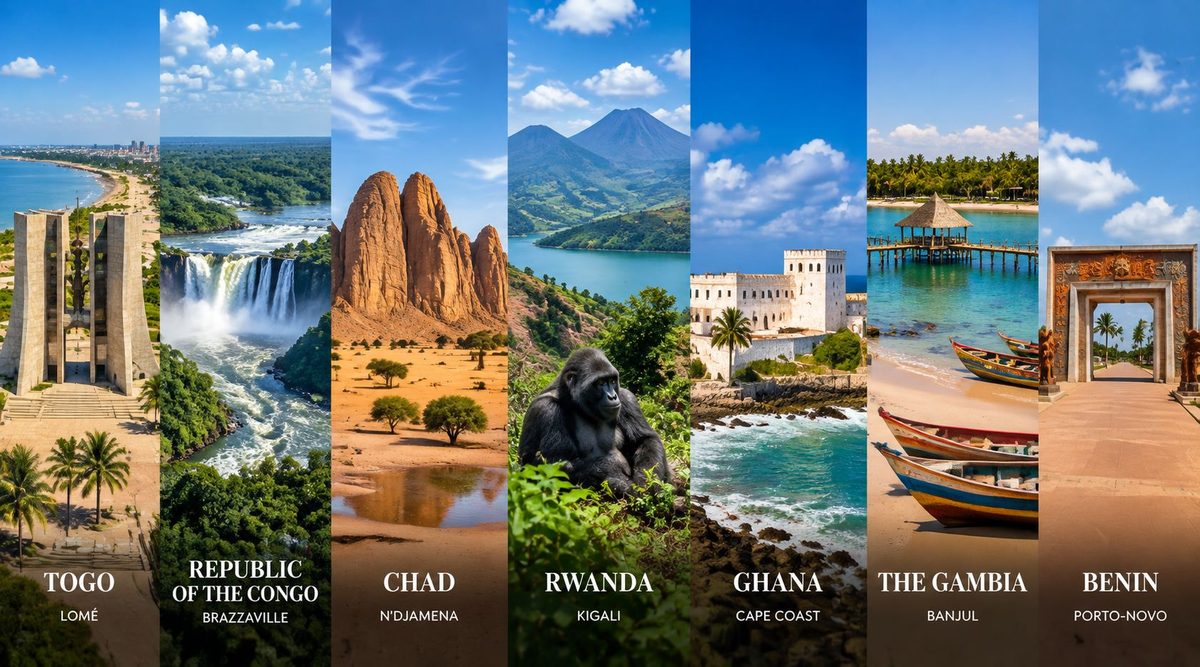
Image generated with Ai
Togo stands with Congo and more African destinations in looking for a tourism bounce back through visa-free cross-border travel in 2026, as countries remove entry barriers to attract more regional visitors, strengthen connectivity, boost tourism spending and create a more connected African travel market.
Africa is witnessing a historic transformation in the way people travel across the continent. For decades, complicated visa procedures, long approval processes and expensive entry requirements have limited regional tourism and business mobility. Now, a growing number of African nations are removing these barriers and moving closer to the vision of a connected, border-friendly continent.
Driven by the African Union’s Agenda 2063 and the African Continental Free Trade Area (AfCFTA), countries are introducing visa-free policies to unlock new opportunities in tourism, trade and cultural exchange. From West Africa’s coastal destinations to Central Africa’s emerging travel corridors, governments are recognising that easier movement can bring more visitors, increase tourism spending and strengthen regional connections.
The shift is creating a new tourism landscape where African travellers can explore neighbouring countries more easily, while destinations gain the opportunity to compete for a larger regional visitor market.
Advertisement
Advertisement
Togo: A Visa-Free Gateway Opens West Africa’s Doors Wider
Togo has taken a major step toward becoming one of West Africa’s most accessible destinations by removing visa requirements for all African nationals. The policy, which became effective on 18 May 2026, allows African citizens to enter the country without a visa and stay for up to 30 days.
Advertisement
Advertisement
The decision reflects Togo’s ambition to transform mobility into an economic advantage. By removing entry barriers, the country is aiming to attract more regional tourists, business travellers and investors who previously faced administrative challenges when planning trips.
The coastal nation, known for Lomé’s vibrant culture, traditional markets, beaches and heritage experiences, sees easier movement as a way to increase tourism activity and strengthen its role as a regional connector.
Key Measures:
- Visa-free entry for all African nationals
- Stay duration of up to 30 days
- Supports regional tourism and business travel
- Encourages easier movement between African markets
- Aligns with continental integration goals
Togo’s move sends a strong message that tourism growth in Africa will increasingly depend on removing barriers and making travel within the continent as simple as possible.
Republic of Congo: Preparing for a Borderless Future With Biometric Travel Systems
The Republic of Congo is preparing for a major tourism and mobility transformation by introducing visa-free access for all African citizens from 1 January 2027.
Advertisement
Advertisement
The policy was announced on Africa Day on 25 May 2026, marking a symbolic moment as the country joined the wider continental movement toward easier movement. However, Congo has chosen a structured transition period to prepare border systems, including biometric technology, before the policy becomes operational.
The decision reflects a long-term vision of creating a more connected Africa, where travellers can move more freely between countries while governments maintain secure border management.
Key Measures:
- Complete visa exemption for African nationals
- Implementation begins 1 January 2027
- Preparation of biometric border systems
- Supports the future vision of a unified African passport
- Encourages tourism and regional business links
For Congo-Brazzaville, easier access could help showcase its natural landscapes, cultural heritage and river-based tourism while strengthening its position as a Central African gateway.
Chad: Turning Travel Access Into a Strategy for Tourism and Regional Connectivity
Chad is repositioning itself from a historically difficult-to-access destination into a potential Central African travel hub. By introducing visa-free entry for African nationals, the country is attempting to remove one of the biggest obstacles limiting regional tourism growth.
Advertisement
Advertisement
The policy supports Chad’s wider ambition to become a bridge between Central and North Africa, improving movement for business travellers, entrepreneurs and tourists.
With vast desert landscapes, cultural traditions and unique natural attractions, Chad has significant tourism potential. However, accessibility has remained a major challenge. Easier entry rules could help the country attract more visitors interested in adventure, eco-tourism and cultural exploration.
Key Measures:
- Visa-free access for African travellers
- Supports Chad’s role as a regional transport hub
- Encourages eco-tourism development
- Improves business and tourism mobility
- Strengthens continental connectivity
Chad’s decision reflects a growing understanding among African governments that tourism growth begins with making destinations easier to reach.
Rwanda: Digital Innovation Creates One of Africa’s Most Traveller-Friendly Borders
Rwanda has become one of Africa’s strongest examples of open-border tourism. The country removed visa restrictions for all African travellers and introduced a simple digital approach where visitors can enter by presenting a valid passport.
Advertisement
Advertisement
This policy fits Rwanda’s broader strategy of using technology to improve visitor experiences. The country has built a reputation as a modern African destination, combining efficient systems with high-value tourism products.
From mountain gorilla experiences to national parks, cultural attractions and conference tourism, Rwanda is using easier access to attract more visitors from across Africa.
Key Measures:
- Visa-free access for all African nationals
- Passport-based arrival process
- Digital travel systems
- Supports regional tourism growth
- Strengthens Rwanda’s image as an accessible destination
Rwanda’s model demonstrates how technology and open travel policies can work together to increase tourism competitiveness.
Ghana: Open Borders Strengthen Cultural Tourism and Regional Travel
Ghana has positioned itself as one of West Africa’s leading destinations for regional mobility by allowing easier entry for African travellers. The country’s visa-free approach supports its goal of increasing tourism exchanges and strengthening connections across the continent.
Advertisement
Advertisement
The policy is especially important for Ghana’s cultural tourism sector. The country has invested heavily in promoting heritage experiences, festivals, coastal attractions and diaspora tourism.
By reducing administrative barriers, Ghana is making it easier for African travellers to experience destinations such as Accra, Cape Coast and other cultural centres.
Key Measures:
- Visa-free access for African nationals
- Easier regional travel procedures
- Supports heritage and cultural tourism
- Encourages African tourism exchanges
- Strengthens West African connectivity
Ghana’s approach highlights how open borders can become a powerful tourism marketing tool.
The Gambia: Coastal Tourism Gains From Easier Regional Movement
The Gambia has strengthened its reputation as an accessible West African destination by maintaining visa-free entry for African passport holders. The policy supports the country’s ambition to increase regional tourism flows and attract more visitors beyond traditional international markets.
Advertisement
Advertisement
Known for its beaches, river experiences, wildlife and cultural attractions, The Gambia has the potential to benefit from easier movement between neighbouring countries.
The country’s open-access approach also supports multi-destination travel, allowing visitors to combine The Gambia with other West African destinations.
Key Measures:
- Visa-free entry for African travellers
- Supports coastal tourism growth
- Encourages regional holiday packages
- Reduces travel barriers
- Strengthens West African tourism networks
The Gambia’s strategy shows how smaller tourism markets can grow by making accessibility a central part of their destination appeal.
Benin: Removing Borders to Unlock Heritage and Cultural Tourism Growth
Benin is using easier travel access to strengthen its position as a cultural tourism destination in West Africa. By allowing visa-free entry for African travellers, the country is creating new opportunities for regional visitors to explore its history, traditions and coastal attractions.
Advertisement
Advertisement
Benin’s tourism identity is closely connected to heritage, including historic cities, cultural festivals and connections to African history. Easier movement can help more travellers include Benin in wider West African journeys.
Key Measures:
- Visa-free entry for African passport holders
- Supports heritage tourism development
- Encourages regional travel circuits
- Improves visitor accessibility
- Strengthens cultural exchange
Benin’s policy demonstrates how mobility reforms can support tourism growth while preserving and promoting cultural identity.
Africa’s Visa-Free Movement Could Become the Next Tourism Growth Engine
The expansion of visa-free travel policies represents a major turning point for African tourism. As more countries remove entry barriers, the continent is moving closer to creating a connected tourism market where travellers can explore multiple destinations with fewer restrictions.
The impact could be significant:
Advertisement
Advertisement
- More regional tourism spending
- Stronger airline connections
- Growth in multi-country travel packages
- Increased cultural exchange
- Greater business mobility
Africa’s tourism future may no longer depend only on attracting visitors from outside the continent. By making travel easier for Africans themselves, countries are unlocking a massive internal tourism market that could reshape the continent’s travel economy for decades to come.
Togo stands with Congo and more African destinations in looking for a tourism bounce back through visa-free cross-border travel in 2026, as easier movement across Africa aims to increase regional tourism, improve connectivity and unlock new opportunities for travellers and businesses.
In conclusion, Togo stands with Congo and more African destinations in looking for a tourism bounce back through visa-free cross-border travel in 2026, as governments across the continent remove travel barriers to encourage regional mobility, increase tourism spending and strengthen connections between African markets. The expansion of easier entry policies highlights Africa’s growing focus on creating a border-friendly tourism ecosystem where travellers can explore more destinations with greater convenience. With improved connectivity, digital travel systems and stronger regional cooperation, visa-free movement could become a powerful driver of tourism recovery and long-term growth across Africa.
Advertisement
