
Greece Joins Italy And More As Athens Unveils Heritage Events To Connect Travellers With Living Culture

Published
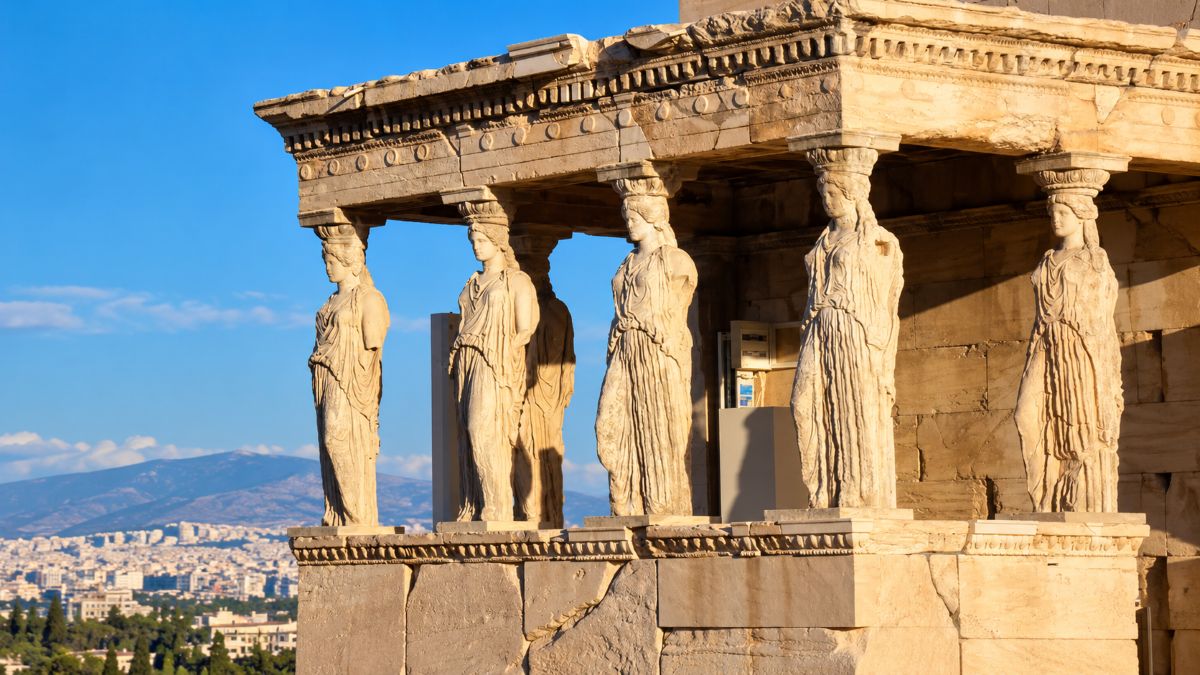
Athens is turning its archaeological landmarks, museums, historic neighbourhoods and living traditions into a broad cultural journey as Greece joins European Heritage Days alongside countries across Europe, with events running from September 24 to 30. The programme offers travellers and residents opportunities to experience Greece beyond conventional sightseeing, combining ancient monuments with oral histories, traditional crafts, conservation demonstrations, educational workshops, performances and guided walks. From the Acropolis and the Lyceum archaeological site to Piraeus, Psyrri, Sounion and the historic landscapes of Attica, the programme demonstrates how heritage can become an active part of contemporary urban and cultural life.
For visitors, the significance of the week lies in its breadth. Athens is presenting heritage not simply as preserved monuments but as an evolving connection between communities, memories, artistic practices, architecture and the environment. Events address the preservation of books, sculptures, archaeological objects and historic buildings while also examining climate change, migration, traditional knowledge and the protection of intangible heritage. This creates a richer travel experience for visitors interested in Greek history and culture, while showing how conservation and community participation can influence the future of destinations. With activities designed for children, families, students, specialists and general visitors, European Heritage Days offer multiple ways to explore Athens through both its celebrated landmarks and less familiar cultural stories.
Advertisement
Advertisement
Athens Turns European Heritage Days Into A Cultural Travel Journey
The Athens and Attica programme presents cultural heritage through a combination of established attractions and community-based experiences. Rather than concentrating exclusively on famous archaeological monuments, the schedule reaches into museums, neighbourhoods, schools, public spaces and local communities.
The programme began on September 24 with “Let the Language Begin…” at the Piraeus Group Cultural Foundation in Tavros. The event explores intangible cultural heritage through language, memory and creative expression, using traditional songs and Greek dialects as starting points for understanding oral traditions and intergenerational knowledge.
Advertisement
Advertisement
This approach gives cultural travellers a different perspective on Greece. The country’s heritage is not limited to stone temples, statues and archaeological remains. Language, music, food, craft, family memories and local customs also contribute to the cultural identity experienced by visitors.
Advertisement
Advertisement
Ancient Athens Meets Conservation And Education
September 25 places strong emphasis on younger audiences and the protection of cultural heritage. At the Lyceum archaeological site, children can learn about conservation while exploring the location associated with Aristotle. The National Archaeological Museum introduces students to the history of play through objects in its collections, connecting ancient Greek games with activities familiar today.
The Hellenic Children’s Museum expands the educational approach through writing and communication, introducing children to practices associated with the Minoans, Mycenaeans, ancient Egyptians and Chinese.
At the Acropolis, secondary-school students examine the protection of monuments and the risks that can affect archaeological heritage. The activity provides an opportunity to understand why conservation remains essential even for internationally recognised landmarks.
Advertisement
Advertisement
Other programmes take visitors behind the scenes. A conservation workshop centred on the marble sculpture “Eve” introduces children to restoration methods, while the Municipal Gallery of Athens presents the tools and terminology associated with conserving artworks.
These experiences add depth to an Athens itinerary because visitors can explore not only what survives from the past but also the professional work required to protect it.
Advertisement
Advertisement
A Programme Connecting Memory With Modern Greek Culture
Several events demonstrate that heritage also lives through personal memories and community narratives. The Basil and Elise Goulandris Foundation will host “Recording Memories”, inviting participants to share experiences connected with agriculture, everyday customs, relationships and places.
The Museum of Modern Greek Culture will provide tours of its permanent exhibition in Monastiraki, exploring the historical, social, economic, urban and architectural development of one of Athens’ oldest continuously inhabited areas.
Meanwhile, the Museum of Greek Folk Musical Instruments will pay tribute to clarinettist Petro-Loukas Halkias, whose musical career became associated with the traditions of Epirus and its wider diaspora.
Together, these activities create a broader interpretation of Greek cultural tourism. They allow travellers to understand how national and regional identity has been shaped not only by monumental history but also by music, migration, family traditions and everyday life.
| Heritage Experience | Location | Travel Significance |
|---|---|---|
| Archaeological education | Lyceum | Connects visitors with classical Athens |
| Monument conservation | Acropolis | Explains preservation challenges |
| Oral history | Goulandris Foundation | Explores personal and community memory |
| Traditional music | Museum of Greek Folk Musical Instruments | Highlights living Greek traditions |
| Modern Greek culture | Monastiraki | Connects history with contemporary Athens |
| Historic architecture | Psychiko | Reveals Athens’ 20th-century urban development |
| Traditional craft | National Historical Museum | Provides hands-on cultural participation |
| Archaeological landscapes | Sounion and Lavreotiki | Links monuments with environment and industry |
Climate Change Becomes Part Of The Heritage Conversation
A significant theme across the programme is the vulnerability of cultural heritage to environmental change. A two-day scientific conference on historic buildings examines climate-risk assessment, traditional materials, bioclimatic design and emerging technologies.
Advertisement
Advertisement
The discussions include technologies such as Internet of Things sensors and digital twins, demonstrating how modern tools can support the monitoring and protection of historic structures.
The theme continues through activities addressing the deterioration of monuments, conservation of museum collections and traditional irrigation. In Kaisariani, students explore gravity-fed irrigation channels as an example of intangible heritage while connecting traditional environmental knowledge with contemporary sustainability questions.
For travellers, this offers an important dimension to heritage tourism. Ancient sites are not isolated from present-day environmental pressures. Their continued survival depends on conservation strategies, responsible management and greater awareness of changing climatic conditions.
September 26 Brings Art, Migration And Historic Landscapes
On September 26, the programme expands towards architecture, artistic preservation and migration. Daphni Monastery becomes the setting for an exploration of its long history and the challenges that have affected its survival.
The National Gallery – Alexandros Soutsos Museum focuses on collector George Costakis and the preservation of Russian avant-garde art. The programme combines talks, tours, film and educational activities around the exhibition “The World of the Avant-Garde: City, Nature, Universe, Man”.
Advertisement
Advertisement
At the Goulandris Foundation, guided tours explore artists whose lives were shaped by migration, displacement, exile or refugeehood. Their works demonstrate how cultural memories and traditions can travel with people and become part of new environments.
A participatory embroidery project titled “Thread That Connects Us” similarly transforms individual contributions into a collective artwork, reinforcing the relationship between cultural expression and community participation.
Attica Extends The Heritage Experience Beyond Central Athens
European Heritage Days also encourage visitors to explore destinations beyond the centre of Athens. On September 27, programmes at Lavreotiki examine archaeological and industrial landscapes around Souriza and Sounion.
The Sanctuary of Poseidon at Sounion provides one of the region’s most recognisable cultural landscapes, while the ancient mining and metallurgical installations at Souriza offer insight into the relationship between natural resources, technology and settlement.
The Sanctuary of Brauronian Artemis combines an archaeological site with the Archaeological Museum of Brauron. Aigosthena, meanwhile, presents an imposing ancient fortress and a history marked by periods of damage, restoration and conservation.
Advertisement
Advertisement
These locations show how heritage travel across Attica can move beyond individual monuments towards complete cultural landscapes, where archaeology, nature, settlement patterns and environmental pressures intersect.
Historic Neighbourhoods Reveal Another Side Of Athens
The programme also places strong emphasis on urban heritage. A historic walk around the National Archaeological Museum traces two centuries of development in central Athens, while a separate walk in Psychiko explores buildings from different periods and architectural styles.
The Herakleidon Museum will host a discussion on the history and identity of its neighbourhood using oral testimonies, photographs and personal stories. In Psyrri, the September 30 programme focuses on abandoned historic buildings dating largely from the 19th and early 20th centuries.
Such experiences can appeal particularly to repeat visitors who have already explored the Acropolis and central archaeological attractions. They provide opportunities to discover Athens through architecture, memory and neighbourhood transformation.
Traditional Food, Craft And Performance Add Living Heritage
The programme also demonstrates the importance of traditional practices. In Saronikos, visitors can discover the folklore surrounding embroidered bread from Mesogeia, while the National Historical Museum offers an adult workshop devoted to the Cypriot fióra, a traditional beaded head ornament.
Advertisement
Advertisement
The Piraeus Group Cultural Foundation stages “Yerma”, transforming exhibition materials into a theatrical experience inspired by Federico García Lorca. Ceramic activities in Kallithea use clay to explore memory, resilience and cultural preservation.
These experiences make cultural heritage participatory rather than purely observational. Visitors can listen, create, perform, taste, walk and engage with traditions rather than simply viewing them behind museum glass.
Why European Heritage Days Matter For Athens Travel
The September programme illustrates how Athens is broadening the cultural tourism experience through archaeology, conservation, community memory, education, architecture and living traditions.
For travellers, the events create opportunities to see familiar landmarks through new perspectives while discovering lesser-known neighbourhoods and sites across Attica. The programme also places preservation at the heart of the visitor experience, showing that cultural tourism carries responsibilities as well as opportunities.
From ancient sanctuaries and archaeological museums to oral histories, traditional crafts and climate-resilience discussions, European Heritage Days present Athens as a destination where the past continues to interact with contemporary life.
Advertisement
Advertisement
FAQs
1. What are European Heritage Days in Athens?
European Heritage Days in Athens are a programme of cultural activities featuring archaeological sites, museums, historic neighbourhoods, workshops, performances, educational programmes and heritage discussions.
2. When are European Heritage Days taking place in Athens in 2026?
The supplied programme runs from September 24 through September 30, 2026.
3. What can travellers experience during the programme?
Advertisement
Advertisement
Travellers can experience archaeological tours, museum activities, conservation workshops, historic walks, traditional crafts, performances, oral-history projects and educational events.
4. Are the events suitable for families with children?
Yes. Several activities are specifically designed for children, including archaeological education, museum workshops, sensory activities, conservation demonstrations and creative programmes.
5. Does the programme include the Acropolis?
Yes. The programme includes an educational activity focused on protecting the Acropolis monuments and their cultural significance.
Advertisement
Advertisement
6. Can visitors explore heritage outside central Athens?
Yes. Activities extend into wider Attica, including Sounion, Brauron, Aigosthena, Lavreotiki, Daphni, Kaisariani and other areas.
7. Does the programme focus only on ancient Greek heritage?
No. It also covers modern Greek culture, traditional music, neighbourhood history, migration, architecture, oral history, crafts and contemporary conservation.
8. How does climate change feature in the programme?
Advertisement
Advertisement
Several activities examine how climate change and environmental pressures affect historic buildings, monuments, collections and traditional practices.
9. What makes the programme relevant to cultural tourism?
It connects major archaeological attractions with living traditions, community stories, conservation practices and less familiar cultural sites, creating a broader interpretation of Athens.
10. Which Athens neighbourhoods feature in the heritage programme?
The programme includes areas and neighbourhoods such as Tavros, Monastiraki, Piraeus, Psyrri, Psychiko, Kaisariani and Kypriadou, alongside major archaeological and museum locations.
Advertisement
