
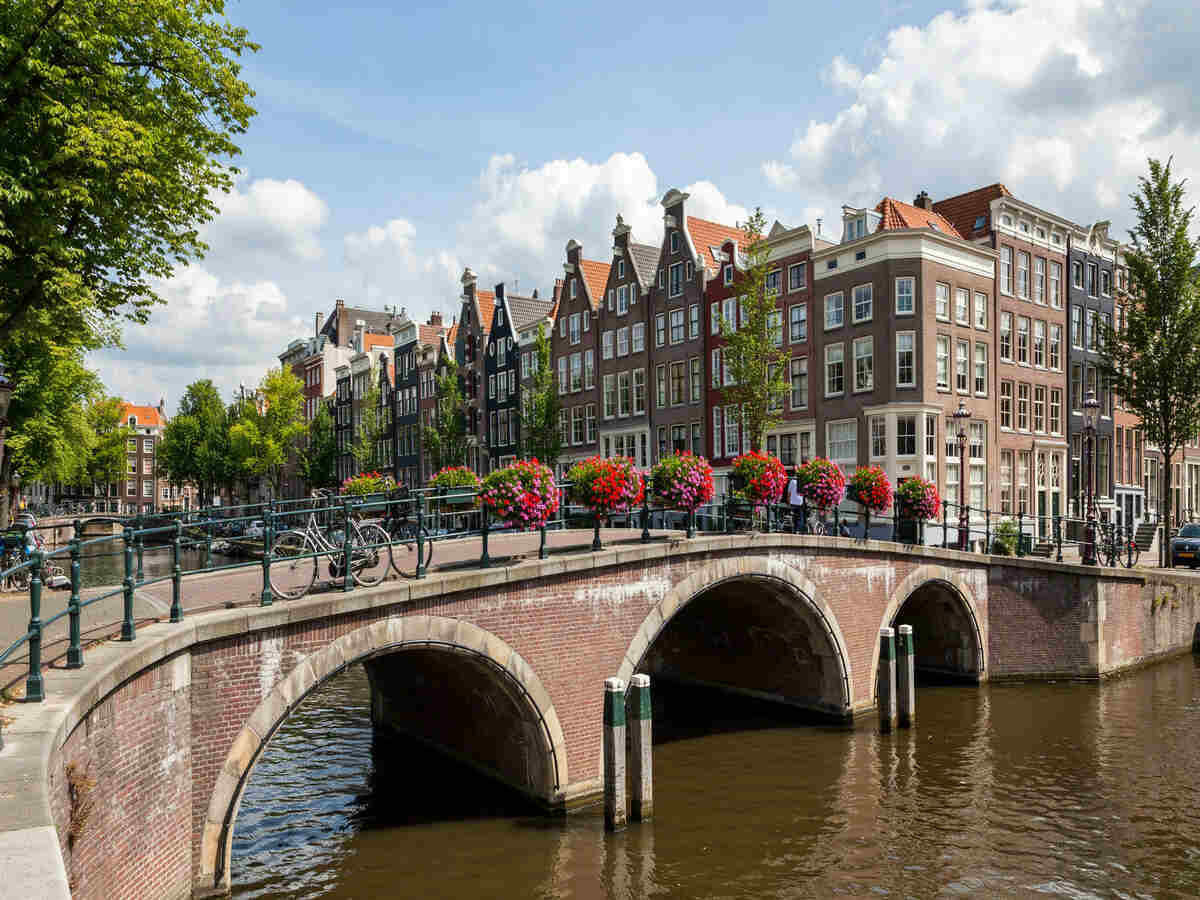
Image generated with Ai
The new route of European Sleeper connects the countries of Netherlands, Belgium, Denmark, and Sweden, thus facilitating sustainable tourism development. Europe is getting ready for a new era of tourism connectivity, which is marked by the revival of the role of overnight trains in international transportation. The countries of Netherlands, Belgium, Denmark, and Sweden are expected to be among the beneficiaries of a huge expansion of European Sleepers that is going to open a night train route between Western Europe and Scandinavia. This route is supposed to be launched in April 2028 and connect the cities of Brussels, Amsterdam, Copenhagen, and Malmö.
The expansion represents more than a railway development. It highlights how European countries are using modern rail networks to strengthen tourism, increase destination accessibility and promote environmentally responsible holidays. By allowing travellers to sleep while crossing borders, the new route will transform the way visitors experience Europe.
The Netherlands stands at the centre of this tourism transformation because Amsterdam will become one of the major gateways for the new European Sleeper route. The connection will allow travellers from the Netherlands to access Denmark and Sweden overnight while also attracting international visitors who want to combine Dutch tourism experiences with Scandinavian destinations.
Amsterdam has traditionally been one of Europe’s busiest aviation and tourism hubs. However, the growth of sleeper trains is creating a new opportunity for the Netherlands to strengthen its position as a sustainable travel centre.
Advertisement
Advertisement
The new route will support:
Dutch cities including Amsterdam, Rotterdam and The Hague are expected to benefit from improved international rail visibility. Travellers can explore Dutch cultural attractions before continuing their journey towards Copenhagen and Malmö without returning to airports or taking additional flights.
The Netherlands is also strengthening Europe’s wider slow-travel movement, where the journey itself becomes part of the tourism experience rather than simply a method of reaching a destination.
Belgium will play an equally important role as the western starting point of the new night train network. Brussels will become the launch point for travellers heading towards Denmark and Sweden, strengthening Belgium’s position as a major European transport hub.
The Brussels connection will create new opportunities for Belgium’s tourism economy by attracting visitors who prefer sustainable European journeys.
Tourism benefits for Belgium include:
Brussels already attracts visitors through its historic architecture, European institutions, museums and cultural attractions. The new sleeper connection will allow tourists to combine Belgium with Scandinavian destinations in one seamless itinerary.
Instead of separate holidays, travellers could experience:
This supports a growing trend where tourists seek deeper regional experiences rather than visiting only one destination.
Sweden is expected to become one of the biggest beneficiaries of the European Sleeper expansion because Malmö will become the first Swedish destination connected to the company’s Scandinavian network.
The route will significantly improve Sweden’s accessibility for travellers from Western Europe. Malmö’s strategic location makes it an ideal gateway because it is connected with Copenhagen through the Øresund Bridge, allowing visitors to easily experience both Sweden and Denmark during one journey.
The tourism impact could include:
Malmö can use this connection to promote its:
The rail link could also encourage visitors to continue towards Stockholm and other Scandinavian destinations through onward connections. Cities such as Stockholm and Oslo will become accessible with one additional connection from the new route.
Denmark will benefit significantly because Copenhagen becomes a key destination between Western Europe and Sweden. The city is already recognised globally for sustainability, cycling culture, design, food experiences and green urban planning.
The European Sleeper connection will provide another opportunity for Copenhagen to attract environmentally conscious travellers.
The tourism advantages include:
Copenhagen can also benefit from combined destination journeys. Travellers arriving from Amsterdam or Brussels may choose itineraries that include both Copenhagen and Malmö, creating additional tourism spending across two countries.
The connection strengthens the wider Scandinavian tourism economy by making the region easier to explore through rail.
The new route reflects Europe’s wider revival of sleeper trains. European Sleeper has been expanding its international network, with existing and planned services connecting major European cities. The company currently operates night train services and is also developing additional routes, including connections towards Milan and Barcelona.
The partnership with German railway operator RDC will support the new Scandinavian service. RDC brings experience from operating night trains between Germany and Scandinavia, helping create a stronger operational foundation for the new connection.
The planned service is expected to offer different travel options, including:
The initial plan includes departures from Brussels and Malmö at around 7pm, with arrivals around 10am the following morning.
The European Sleeper expansion supports Europe’s ambition to make tourism more sustainable by reducing reliance on short-distance aviation.
Rail travel provides several environmental and tourism advantages:
Many European travellers are increasingly searching for greener holiday options. Overnight trains provide an alternative to flights while maintaining convenience.
Sleeper trains connect city centres directly. Travellers avoid:
This makes rail travel attractive for international tourists.
The new corridor encourages visitors to explore several countries in one trip.
A traveller could create an itinerary including:
This benefits multiple tourism economies instead of concentrating spending in one location.
Rail connections often support destinations beyond major capitals. Smaller cities and regions can gain visibility when international travellers have easier access.
Although Germany is not the primary tourism destination on the new route, it plays an important supporting role through railway expertise and operational cooperation.
RDC’s involvement highlights Germany’s contribution to Europe’s sleeper train revival. The country has long been a central location for international rail connections between northern and western Europe.
Germany’s involvement strengthens:
The expansion demonstrates that successful tourism growth depends not only on destinations but also on strong transportation partnerships.
The European Sleeper expansion shows how rail infrastructure is becoming a powerful tourism tool. The Netherlands, Belgium, Denmark and Sweden are not simply gaining a new transport service; they are creating a shared tourism corridor.
The new route will encourage travellers to discover Europe differently by combining sustainability, comfort and cultural exploration.
The biggest winners will be:Country Key Destination Tourism Benefit Netherlands Amsterdam, Rotterdam, The Hague Sustainable travel gateway and international rail tourism growth Belgium Brussels Western European connection hub Denmark Copenhagen Scandinavian city-break expansion Sweden Malmö, Skåne New international tourism gateway Germany Rail network support Stronger European night-train cooperation
The upcoming Brussels-Amsterdam-Copenhagen-Malmö sleeper service represents a major shift in European travel behaviour. Instead of choosing flights for short international journeys, more travellers are expected to embrace overnight rail as a comfortable and responsible alternative.
For the Netherlands, Belgium, Denmark and Sweden, the project creates a new tourism opportunity built around connectivity, sustainability and cross-border experiences.
European Sleeper grows in Europe with Netherlands, Belgium, Denmark, and Sweden opening new sustainable tourism pathways.
With Europe increasingly developing its night trains, locations linked by train lines are gearing up for future tourist expansion through a journey that will be more sustainable, slower and memorable.
Advertisement
Advertisement
Advertisement













Saturday, September 5, 2026

Friday, September 4, 2026
Saturday, September 5, 2026

Saturday, September 5, 2026

Thursday, September 3, 2026

Wednesday, September 2, 2026

Saturday, September 5, 2026

Saturday, September 5, 2026


