
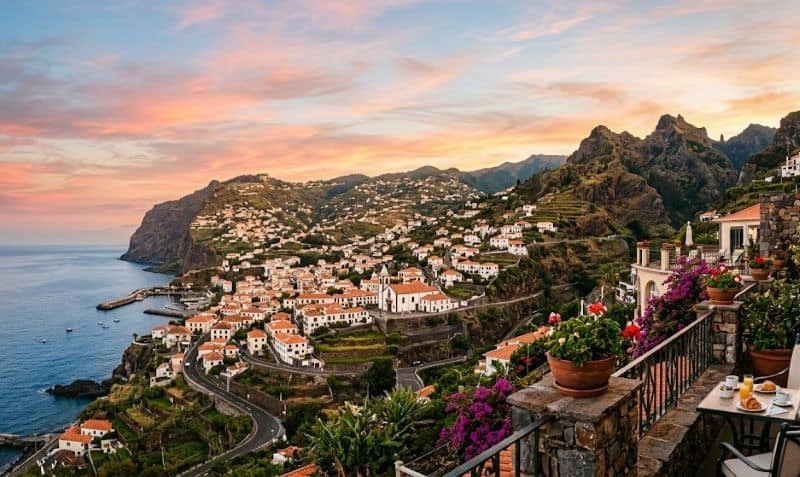
Image generated with Ai
It was widely observed that the Portugal Honeymoon Guide Romantic Places Boutique Hotels Tailor Made Itineraries concept had been steadily reshaping global expectations of romantic travel, as couples were increasingly reported to be moving away from standardised resort-based holidays. Portugal was being presented as a destination where romance, authenticity, coastline diversity, cultural richness, and boutique hospitality were being seamlessly blended into a single, highly immersive travel experience. It was further indicated that newlyweds were showing growing preference for journeys that felt personal, emotionally meaningful, and individually crafted, rather than conventional packaged tourism offerings.
The study of evolving honeymoon patterns suggested that the Portugal Honeymoon Guide Romantic Places Boutique Hotels Tailor Made Itineraries model was not merely about selecting destinations but about redefining travel philosophy itself. It was being emphasised that privacy, intimacy, emotional connection, and experiential depth were becoming the core expectations of modern honeymooners. The destinations of Lisbon, Sintra, Douro Valley, Algarve, Alentejo, and the Azores were consistently being highlighted as integral elements of this romantic travel ecosystem. Their geographical proximity and contrasting landscapes were also being seen as a strategic advantage, allowing couples to experience multiple environments within a relatively short journey.
It was also being noted that boutique hospitality had been gaining prominence as a defining feature of this transformation. Instead of large-scale resorts, travellers were increasingly reported to prefer restored manor houses, vineyard estates, historic residences, and countryside retreats. These accommodation choices were being interpreted as part of a broader global movement in which emotional authenticity, cultural immersion, and personalised comfort were being valued more than luxury scale alone. This shift was being regarded as a structural change in global honeymoon tourism demand.
Why the Universal Principles of Bespoke Romantic Voyages, Heritage Stays, and Tailored Portuguese Itineraries Fascinate Modern Vacationers
Advertisement
Advertisement
It was widely observed by international hospitality analysts that the global travel industry was undergoing a profound structural pivot toward highly active, experiential storytelling. Reports consistently indicated that modern newlyweds were seeking out deeply meaningful journeys that mirrored their personal ethics, artistic tastes, and shared life goals. The underlying analysis suggested that this specific travel design operated not merely as a simple directory of scenic viewpoints, but rather as an advanced operational philosophy where privacy, custom pacing, and deep cultural immersion were prioritized above all else. Instead of forcing couples to hurriedly check off crowded monuments from a rigid list, this strategy actively guided them to slow down, allowing them to absorb the distinct cultural textures of a single region while fostering a lasting emotional connection with the local environment.
Furthermore, documentation revealed that the unique geographical architecture of Portugal played a monumental role in making this fluid travel philosophy highly executable and successful on a global stage. The country offered a rare, mathematically advantageous combination of incredibly short transit distances alongside extreme ecological, climatic, and cultural diversity. Industry experts noted that this enabled international travelers to transition seamlessly from a bustling historic city center to a misty mountain sanctuary, and onward to a sun-baked terraced vineyard or a dramatic coastal cliff within just a few hours of relaxed driving. It was argued that this geographic compact nature effectively eliminated the traditional friction points of multi-destination international travel, such as exhausting airport queues, intense jet lag, and logistical burnout.
Ultimately, the consensus among global luxury travel operators was that by minimizing physical transit fatigue, this framework significantly optimized the emotional quality and psychological comfort of the entire honeymoon experience. Couples were reported to arrive at each consecutive destination feeling completely refreshed, highly energetic, and emotionally prepared to engage with the local community. As a direct result of these findings, international itinerary designers worldwide were increasingly adopting this compact, multi-layered geographic model to restructure romantic journeys across Europe, proving that the future of high-end romance tourism relied heavily on reducing transit stress while simultaneously maximizing experiential variety.
Architectural Grandeur and Timeless Coastal Sophistication Flourishing Throughout Lisbon and Sintra
Advertisement
Advertisement
When examining the urban-romantic landscape of the capital, researchers documented that Lisbon provided an completely unmatched sensory and architectural foundation for contemporary couples. It was reported that the city’s romantic appeal was deeply rooted in its dramatic topography, where historic yellow public trams rattled up steep hillsides to reveal stunning views of the shimmering Tagus River from strategic lookout points known across the globe as miradouros. The data showed that newlyweds were consciously moving away from mainstream commercial zones to explore the labyrinthine, cobblestone alleys of Alfama and Mouraria. In these historic quarters, the haunting melodies of traditional Fado music drifted naturally out of low-lit taverns, providing an authentic, historic soundtrack to late-night romantic strolls.
In addition to the musical heritage, the culinary arts within the capital city were highlighted as a major factor elevating the region’s urban appeal. Analysts observed that candlelit rooftop dining venues throughout Bairro Alto and Principe Real were masterfully blending cutting-edge contemporary gastronomy with historic panoramic vistas. This sophisticated dining environment allowed couples to celebrate their new marriages amid centuries-old architecture while enjoying locally sourced ingredients. Tourism boards noted that this specific combination of sensory inputs created a highly memorable atmosphere that successfully competed with traditional romantic capitals across the globe, thereby drawing affluent young travelers away from older, more conventional European destinations.
Just a short distance from the bustling capital, the mystical and mist-shrouded town of Sintra was identified as a vital component of the region’s cultural richness. Historically celebrated for its extraordinary Romanticist architecture, this mountain sanctuary featured the vibrant, iconic towers of the Pena Palace and the enigmatic, gothic initiation wells of Quinta da Regaleira. Travel designers emphasized that the cool mountain air, dense microclimatic forests, and dramatic stone fortresses create an atmosphere of intense isolation and ancient mystery. It was concluded that by incorporating these fairytale mountain landscapes into custom travel plans, operators provided a stark, poetic contrast to the sunny coastal narratives found elsewhere, significantly enhancing the overall diversity of the vacation.
Terraced Luxury and Vinicultural Heritage Immersing Couples Within the Historic Douro Valley
The international wine tourism sector was reported to be experiencing a massive transformation, driven largely by the growing global demand for tranquil, rural luxury, with the stunning Douro Valley serving as the epicenter of this movement. As the oldest officially demarcated wine region on earth, this spectacular valley was defined by its dramatic, hand-carved stone terraces that plunged steeply into the winding waters of the Douro River. For honeymooners, this territory was presented as an exclusive, slow-paced sanctuary where the frantic speed of modern urban life could be completely abandoned in favor of the gentle, seasonal rhythms of traditional agricultural life.
Market research indicated that contemporary couples were actively stepping away from crowded, standardized group excursions in the valley. Instead, they were choosing highly private, immersive experiences, including chartered vintage riverboat cruises on traditional wooden vessels, private estate dinners hosted directly by local winemakers, and hands-on participation in the historic autumn grape harvests. It was noted that these highly interactive activities fostered a deep, authentic connection to the local earth, historical traditions, and regional gastronomy. This behavioral shift was interpreted by travel analysts as clear evidence that modern consumers valued educational and experiential depth far more than passive sightseeing.
Central to the enduring romantic appeal of this river valley was the exceptional quality and architectural integration of its boutique accommodations. Industry reports confirmed that historic wine estates, recognized locally as quintas, had meticulously converted their ancient stone storage structures and grand manor houses into ultra-exclusive boutique hotels. These design-forward properties successfully prioritized historic preservation alongside top-tier modern luxury, featuring private infinity pools overlooking the river, outdoor soaking tubs nestled directly among the grapevines, and dedicated wellness spaces focusing on advanced vinotherapy treatments. By emphasizing environmental isolation and deep agricultural heritage, this region provided a perfect masterclass in how rural destinations could successfully attract affluent global travelers.
Sun-Drenched Coastal Escapes and Dramatic Maritime Splendor Along the Shores of the Algarve
Representing a brilliant geographical shift from peaceful inland river valleys to dramatic maritime environments, the southern coastline of the Algarve was shown to provide honeymooners with a classic Mediterranean atmosphere blended with the raw power of the Atlantic Ocean. The region was globally renowned for its striking golden limestone cliffs, hidden sea caves, and pristine sandy beaches framed by brilliant turquoise waters. Tourism data revealed that couples seeking romance away from heavy mass-tourism developments were intentionally focusing their custom itineraries on the eastern and western edges of the coast, actively exploring the quiet, whitewashed fishing villages of Tavira and the wild, windswept cliffs of Sagres.
The coastal narrative in this southern province centered heavily on sophisticated relaxation mixed with soft outdoor adventures. Experts noted that popular memorable experiences included sailing along the dramatic coastline at sunset, exploring the hidden interior chambers of the famous Benagil Cave, and enjoying fresh, locally caught seafood at secluded beachfront tables accessible only by private boat. This carefully balanced environment allowed newlyweds to experience both thrilling physical exploration and deep relaxation within the exact same day. The global impact of this model was significant, as it challenged other coastal destinations worldwide to diversify their offerings beyond simple beach access.
Furthermore, the evolution of hospitality along this southern strip heavily mirrored the rising global demand for sustainable, small-scale luxury. Rather than booking massive, high-density coastal resorts, couples were overwhelmingly opting for intimate boutique hideaways tucked away on rural hillsides just inland from the sea, or sophisticated clifftop eco-resorts offering direct, private paths down to the sand. These boutique properties focused intensely on indoor-outdoor living, featuring private sun terraces, whitewashed Moorish architecture, and organic citrus groves that filled the morning air with fragrance. This specific balance of natural coastal beauty and low-impact hospitality positioned the region as a highly influential model for global beach destinations.
Slow Travel Movements and Deep Pastoral Simplicity Amid the Golden Plains of Alentejo
For couples who find true romance in absolute silence, vast open spaces, and a completely unhurried way of life, the rolling agricultural region of Alentejo was identified as an extraordinary alternative to traditional tourist tracks. Characterized by its endless golden wheat fields, ancient cork oak forests, and historic olive groves that stretched toward the horizon, this expansive territory was celebrated as the ultimate expression of the global slow travel movement. Honeymooners were reported to be spending their time wandering through historic, sleepy, whitewashed hilltop villages like Monsaraz and Marvão, where medieval castle walls looked out over the vast, peaceful plains below.
A particularly unique aspect of this rural region was its complete lack of light pollution, which had rapidly transformed the territory into a premier global destination for international astrotourism. Newlyweds were able to enjoy private, guided stargazing sessions under some of the darkest, most pristine night skies in the world, creating a deeply intimate and unforgettable honeymoon memory. Travel agencies reported that this opportunity for quiet contemplation and cosmic wonder was highly attractive to urban professionals who were eager to escape the constant digital connectivity and sensory overload of modern city life.
Hospitality within this pastoral landscape had mastered the delicate art of minimalist luxury, utilizing beautifully restored agricultural estates, historic farmhouses, and design-forward eco-lodges. These properties focused on sleek, simple architecture that blended seamlessly with the natural landscape, utilizing local sustainable materials like natural cork, rammed earth, and raw concrete to create cool, peaceful sanctuaries. Guests were encouraged to participate actively in the daily life of the estates, from picking wild herbs and baking traditional sourdough bread to sampling rich, estate-produced olive oils and full-bodied regional wines. This deep emphasis on rural simplicity successfully answered a growing global demand for grounding, restorative travel experiences.
Untamed Volcanic Landscapes and Complete Geographical Seclusion Throughout the Wild Azores Archipelago
Couples who shared a deep, mutual passion for raw adventure, ecological discovery, and complete geographical isolation were reported to be increasingly steering their custom itineraries toward the remote volcanic islands of the Azores. Situated out in the vast, open waters of the Atlantic Ocean, this lush green archipelago was described as a natural paradise defined by its massive volcanic craters, deep crater lakes like Sete Cidades on São Miguel Island, tumbling waterfalls, and natural geothermal hot springs hidden deep inside dense tropical forests. The romantic experience here was intentionally positioned as wild and physically active, standing in stark contrast to the manicured luxury of traditional island resorts.
Field reports indicated that honeymooners in this region spent their days hiking along rugged volcanic ridges, canyoning down steep stone waterfalls, embarking on private, eco-conscious whale-watching expeditions, and soaking in iron-rich, naturally heated thermal pools beneath a stunning canopy of giant prehistoric ferns at twilight. This active engagement with an untamed landscape fostered a powerful, shared sense of wonder and teamwork among newlyweds. The global travel industry recognized this trend as a clear sign that a fast-growing segment of luxury travelers preferred environmental authenticity and physical adventure over passive pampering.
The boutique accommodations across these volcanic islands had adapted beautifully to the rugged local environment, offering highly unique, nature-integrated stays. Modern travelers could choose from beautifully restored volcanic stone cottages, eco-designed glass pavilions offering uninterrupted views of the ocean pastures, and wellness-focused retreats built directly around active natural thermal springs. These unique properties maintained an exceptionally low environmental footprint while offering world-class comfort and high-end local cuisine sourced directly from the island’s rich volcanic soils. This successful fusion of untamed nature and eco-luxury was actively reshaping global expectations for island honeymoons everywhere.
Custom Travel Durations, Regional Sequencing, and Seasonal Dynamics for the Modern Globetrotter
When analyzing the practical execution of these highly customized romantic journeys, travel industry experts concluded that determining the correct length of stay was absolutely vital to ensuring traveler satisfaction. It was widely suggested that an ideal honeymoon spanning multiple diverse regions should typically last between ten and fourteen days. This specific duration was highly recommended because it allowed sufficient time for couples to fully experience the unique cultural identity of each distinct region without creating unnecessary travel pressure or physical exhaustion. By avoiding the common logistical mistake of changing hotels every single night, this balanced pacing ensured that couples maintained a relaxed travel rhythm.
In addition to duration, seasonal considerations were highlighted as a critical factor shaping the overall quality of the holiday. The shoulder seasons of spring and autumn were universally recognized as the most favorable periods for comprehensive exploration, owing to the beautifully mild weather conditions and significantly lower tourist density. These specific times of year were consistently associated with enhanced physical comfort, clearer photographs, and far more intimate travel experiences in historic towns. Meanwhile, the hot summer months were acknowledged as being perfectly suited for dedicated coastal vacations along the southern cliffs, where beach tourism and maritime activities were naturally at their absolute peak.
Conversely, winter travel was observed to be gaining substantial traction among contemporary couples who were specifically seeking quiet, deeply reflective romantic experiences. The quiet wine regions, misty mountain palaces, and historic towns were identified as being especially appealing during the colder months, offering incredibly cozy, quiet, and atmospheric settings that mass summer tourism completely lacked. Travel operators noted that marketing these off-season periods helped distribute tourist traffic more evenly throughout the year, supporting local economies while providing newlyweds with unparalleled levels of privacy and exclusive access to popular sites.
The Permanent Transformation of the Global Luxury Romance Tourism Sector and Evolving Traveler Expectations
In the final analysis, international tourism researchers concluded that the widespread success of this integrated approach to romantic travel was reflecting a much broader, permanent transformation in global honeymoon behavior. The clear shift away from high-density mass tourism toward highly curated, emotionally driven travel experiences was recognized as an increasingly significant force within the international travel marketplace. Industry experts viewed this multi-experience destination model as a brilliant framework that would undoubtedly influence tourism development strategies in numerous other countries across the globe over the coming decade.
Furthermore, it was strongly implied that global travelers would continue to expect significantly higher levels of customizability, personal agency, and operational flexibility in the future. Tailor-made itineraries, highly responsive digital booking platforms, and small-scale heritage accommodation choices were confidently expected to become the dominant forces across all international romance markets. This evolution was forcing major corporate hotel chains to actively diversify their global portfolios, investing heavily in smaller, culturally integrated boutique properties rather than massive commercial resorts. Ultimately, this structural shift was reshaping romantic travel worldwide, ensuring that the future of global tourism remained grounded in environmental sustainability, cultural preservation, and deep emotional authenticity.
Advertisement
Tags: Honeymoon Destination, Lisbon, Portugal, Travel News
Advertisement
Advertisement













Saturday, September 5, 2026

Friday, September 4, 2026
Saturday, September 5, 2026

Saturday, September 5, 2026

Thursday, September 3, 2026

Wednesday, September 2, 2026

Saturday, September 5, 2026



