
Pogradec Follows Korçë and More as Underrated Gems of Albania Come Forward for Extraordinary Year-Round Escapes

Published
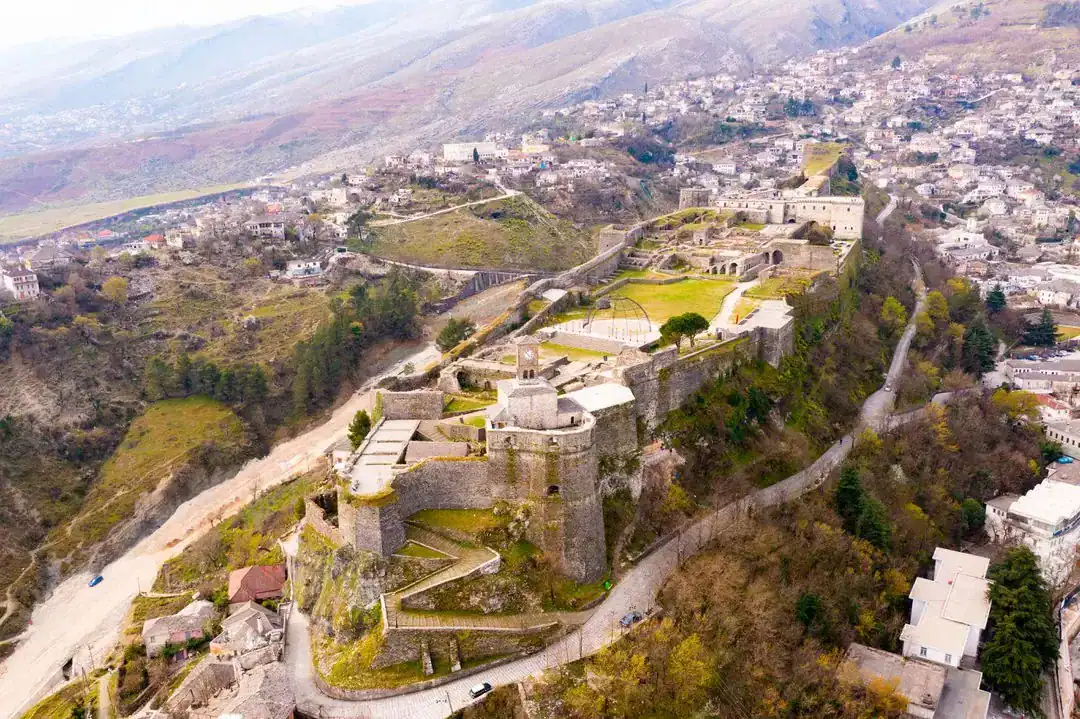
Pogradec follows Korçë and more as Albania’s underrated gems come forward for extraordinary year-round escapes. Together, Pogradec, Korçë and more underrated gems are giving travellers fresh reasons to explore Albania beyond its famous coast. Moreover, these destinations combine lakes, mountains, heritage, local food and authentic experiences throughout the year. Pogradec brings Lake Ohrid, while Korçë adds culture, cuisine and mountain charm. Meanwhile, other underrated gems create exciting routes for curious travellers. As Albania expands its year-round travel appeal, these places deserve closer attention. Travel And Tour World urges readers to read the entire story to discover these extraordinary year-round escapes and plan a memorable Albania journey.
Albania Tourism Income 2030: Six Underrated Cities and the Data Global Travellers Need to Know
Albania’s tourism story is moving beyond the classic beach holiday. The country is increasingly promoting historic towns, mountain landscapes, cultural heritage, protected nature, gastronomy and year-round experiences. The National Tourism Strategy 2030 divides Albania into six tourism regions and places destination management, product development, investment, marketing and skills among its core priorities.
The government’s wider objective is to encourage a tourism model that spreads visitor activity across the country instead of concentrating demand in a small number of coastal destinations. This creates an important opportunity for travellers looking for less familiar places.
Important data note: Albania does not currently publish a consistent five-year series of city-level tourist arrivals for every destination. INSTAT publishes border arrivals nationally and accommodation indicators by regions/prefectures. Therefore, the tables below clearly distinguish national visitor arrivals, accommodation capacity and destination-level indicators rather than presenting non-comparable figures as city visitor totals. INSTAT also notes that accommodation statistics exclude unregistered accommodation.
Advertisement
Advertisement
Albania Tourism in Numbers: Five Years of International Visitor Data
The strongest long-term indicator is the number of foreign citizens entering Albania. INSTAT records these as border arrivals, meaning one person can be counted more than once if they enter Albania multiple times during a year. This is therefore different from unique tourists.
| Year | Foreign citizen arrivals | Annual change | Approximate change from previous year |
|---|---|---|---|
| 2021 | 5,688,649 | — | — |
| 2022 | 7,543,817 | +32.6% | +1,855,168 |
| 2023 | 10,155,640 | +34.6% | +2,611,823 |
| 2024 | 11,696,111 | +15.2% | +1,540,471 |
| 2025 | 12,466,038 | +6.6% | +769,927 |
Sources: INSTAT and General Directorate of State Police.
Advertisement
Advertisement
The five-year comparison shows that foreign border arrivals more than doubled between 2021 and 2025. The 2025 total was about 2.19 times the 2021 figure.
The pace was particularly strong during the recovery years. Arrivals increased 32.6% in 2022 and another 34.6% in 2023. Growth then moderated to 15.2% in 2024 and 6.6% in 2025.
For travellers, the important change is not simply the size of the visitor market. Albania is trying to distribute tourism across more destinations and seasons.
Albania Tourism Income Reaches €5.72 Billion in 2025
Government information published in April 2026 puts tourism income at €5.72 billion for 2025, generated by around 12.4 million foreign visitors. The government source says tourism income increased by 15% compared with the previous year.
The same government source reports €2.3 billion in tourist spending during the third quarter alone. That demonstrates how strongly the summer season continues to influence tourism economics.
| Tourism indicator | Latest reported figure |
|---|---|
| Foreign arrivals, 2025 | 12,466,038 |
| Tourism income, 2025 | €5.72 billion |
| Reported tourism-income change | +15% |
| Q3 2025 tourist spending | €2.3 billion |
| 2030 income target reported in the news | €8.5 billion |
The €8.5 billion target would require Albania to generate substantially more tourism value by the end of the decade. Government strategy documents indicate that the approach involves investment, destination management, tourism-product development, marketing and professional capacity.
Advertisement
Advertisement
Accommodation Capacity Shows Where Tourism Is Expanding
INSTAT’s Regional Statistical Yearbook provides useful evidence of how accommodation capacity developed between 2021 and 2023.
| Prefecture | Accommodation establishments 2021 | 2022 | 2023 | Change 2021–2023 |
|---|---|---|---|---|
| Tirana | 400 | 405 | 485 | +21.3% |
| Vlora | 330 | 390 | 475 | +43.9% |
| Shkodra | 150 | 150 | 175 | +16.7% |
| Durrës | 120 | 135 | 140 | +16.7% |
| Korça | 120 | 135 | 135 | +12.5% |
| Lezhë | 75 | 80 | 90 | +20.0% |
| Berat | 45 | 45 | 50 | +11.1% |
| Gjirokastër | 60 | 65 | 75 | +25.0% |
| Kukës | 30 | 30 | 30 | 0% |
| Dibër | 25 | 30 | 35 | +40.0% |
INSTAT recorded approximately 58,000 rooms and 130,000 bed places nationwide in 2023. The Centre region had approximately 22,000 rooms and 48,000 bed places, while the South had about 20,247 rooms and 46,263 bed places.
This distinction matters for travellers. A destination with fewer accommodation establishments can still attract substantial day visitors, while a larger accommodation base does not automatically mean higher tourist demand.
Six Underrated Albanian Cities for Travellers
The following destinations are particularly useful for travellers who want to move beyond the country’s most internationally promoted beach locations. The selection focuses on cultural depth, nature, food, accessibility and the possibility of combining each destination with nearby attractions.
1. Korça: Albania’s Cultural Mountain Escape
Korça is one of the strongest choices for travellers seeking a cooler inland alternative to Albania’s summer coast. The official tourism authority describes the city as the centre of southeastern Albania, surrounded by mountains, forests and natural landscapes. Its attractions include the Old Bazaar, National Museum of Medieval Art, National Museum of Education, Gjon Mili Museum and other cultural institutions.
The city is also a useful base for exploring Voskopoja, Vithkuqi, Dardha, Boboshtica, Prespa and the Drenova area. These surrounding destinations make Korça particularly suitable for travellers who want culture and outdoor activities within the same itinerary.
Advertisement
Advertisement
Food is another reason to spend more than one night. Travellers can look for lakror, a traditional baked pie, local cheeses, seasonal produce and regional dishes served in traditional taverns. The official tourism authority specifically identifies lakror as one of Korça’s characteristic foods.
For accommodation, the most practical choice is the central historic area around the Old Bazaar for visitors without a car. Travellers with a vehicle can consider guesthouses and rural accommodation around the surrounding villages.
A useful three-day plan begins with the Old Bazaar and museums on Day 1. Day 2 can combine Voskopoja and nearby churches. Day 3 can be dedicated to Dardha or Prespa, depending on the season.
Korça also has a particularly strong domestic tourism profile. INSTAT reported that Korça accounted for 15.0% of Albania’s domestic personal and business trips in 2023, making it the third-largest destination in that measure after Tirana and Vlora.
| Korça tourism indicator | Data |
|---|---|
| Accommodation establishments 2021 | 120 |
| 2022 | 135 |
| 2023 | 135 |
| Increase 2021–2023 | 12.5% |
| Share of domestic trips in 2023 | 15.0% |
| Main tourism profile | Culture, mountains, food, villages |
2. Pogradec: A Lakeside Alternative to Albania’s Riviera
Pogradec offers a completely different travel experience from the Ionian coast. The town sits beside Lake Ohrid, a major natural feature shared by Albania and North Macedonia. The Albanian tourism authority identifies the lake environment as part of the UNESCO World Heritage area.
Travellers can build a relaxed itinerary around the lakeside promenade, swimming areas, boating, fishing and birdwatching. Nearby Tushemisht and Drilon provide additional opportunities for nature-focused excursions.
Advertisement
Advertisement
Pogradec is also useful for travellers who prefer a slower pace. Rather than moving between beaches every day, visitors can spend several nights around the lake and make short excursions into the surrounding countryside.
The local culinary experience is closely connected with Lake Ohrid. The official tourism authority highlights koran, a local fish associated with the lake, alongside traditional dishes and locally known apples.
For accommodation, visitors can choose hotels and guesthouses around the lakeside or stay closer to Tushemisht for a quieter atmosphere. Central Pogradec is more convenient for travellers who want restaurants, shops and waterfront access within walking distance.
A three-day plan could begin with Pogradec’s waterfront and central area. Day 2 can focus on Drilon and Tushemisht. Day 3 can be reserved for longer lakeside activities or an excursion towards the wider Lake Ohrid region.
Pogradec’s tourism importance is also supported by the wider Korça prefecture accommodation network. INSTAT counted 135 accommodation establishments in Korça Prefecture in 2023, compared with 120 in 2021.
| Pogradec planning indicator | Data |
|---|---|
| Administrative prefecture | Korça |
| Korça Prefecture establishments, 2021 | 120 |
| 2022 | 135 |
| 2023 | 135 |
| Key natural asset | Lake Ohrid |
| Nearby stops | Tushemisht, Drilon |
| Best travel themes | Lakeside, nature, food, relaxation |
3. Krujë: A Historic Mountain City Near Tirana
Krujë is particularly useful for travellers with limited time because it can be incorporated into a broader itinerary from Tirana. The official tourism authority places the city north of the capital on the slopes of Mount Krujë.
Advertisement
Advertisement
The main attraction is Krujë Castle, which contains the Skanderbeg Museum and Ethnographic Museum. The Old Bazaar adds another layer to the visit, with traditional crafts, carpets and souvenirs.
Travellers should allow enough time to walk rather than treating Krujë as a quick photo stop. The historic core, castle complex and bazaar are best explored at a relaxed pace.
The mountain location also creates viewpoints towards the surrounding plain and Adriatic area. Visitors interested in history can combine the castle museums with the city’s traditional streets.
For food, travellers should look for northern and central Albanian dishes in traditional restaurants rather than relying exclusively on international menus. Local cheeses, grilled meats, byrek-style pastries and seasonal vegetable dishes are practical choices.
Accommodation is available around the historic centre and wider municipality. Travellers planning only a day visit can stay in Tirana, while those combining Krujë with mountain activities can spend a night locally.
A practical itinerary starts early from Tirana. Spend the morning at Krujë Castle and its museums. Continue through the Old Bazaar before lunch. Use the afternoon for viewpoints and surrounding areas.
Advertisement
Advertisement
Krujë falls within the Durrës prefecture, where INSTAT counted 120 accommodation establishments in 2021, 135 in 2022 and 140 in 2023.
| Krujë planning indicator | Data |
|---|---|
| Administrative prefecture | Durrës |
| Durrës establishments, 2021 | 120 |
| 2022 | 135 |
| 2023 | 140 |
| Main attraction | Krujë Castle |
| Cultural attractions | Skanderbeg Museum, Ethnographic Museum |
| Nearby major hub | Tirana |
4. Shkodër: A Gateway to Lakes, Castles and the Albanian Alps
Shkodër is an important northern Albanian destination that can easily be overlooked by travellers heading directly towards the Alps. The official tourism authority describes it as one of Albania’s oldest cities and highlights its position near Lake Shkodra and the Buna, Drin and Kir rivers.
The city’s defining landmark is Rozafa Castle, located on a strategic hill overlooking the surrounding landscape. Visitors can combine the castle with the Marubi National Museum of Photography, the Historical Museum and several religious heritage sites.
Lake Shkodra creates opportunities for boating, fishing, water activities and wildlife observation. The city also acts as a gateway towards Theth, Vermosh and other alpine destinations.
Travellers should spend at least two nights if Shkodër is part of a northern Albania journey. One day can focus on the city itself. Another can be used for the lake or as the beginning of a mountain journey.
Food options should focus on northern Albanian cuisine. Travellers can seek local cheeses, meat dishes, seasonal vegetables and traditional baked foods. Restaurants around the central area provide the easiest access for visitors without private transport.
Advertisement
Advertisement
Hotels and guesthouses around central Shkodër are convenient for city sightseeing. Mountain accommodation should be arranged separately when travelling onward to alpine villages.
Shkodër’s accommodation supply grew from 150 establishments in 2021 to 175 in 2023.
| Shkodër indicator | Data |
|---|---|
| Accommodation establishments 2021 | 150 |
| 2022 | 150 |
| 2023 | 175 |
| Increase 2021–2023 | 16.7% |
| Key landmark | Rozafa Castle |
| Natural asset | Lake Shkodra |
| Mountain gateways | Theth, Vermosh |
5. Lezhë: History, Adriatic Coast and Northern Gastronomy
Lezhë provides an interesting combination of heritage and coast. The official tourism authority places the city close to the Adriatic and the Drin River and highlights its castle, historical monuments, surrounding villages and natural landscapes.
The Lezhë Castle sits above the city and provides panoramic views. The area is also connected with the history of Skanderbeg, whose tomb is among the city’s important historical attractions.
For travellers, Lezhë works particularly well as a stop between the northern mountains and the Adriatic coast. Visitors can combine heritage sightseeing with nearby beaches and rural landscapes.
The local food culture is an important part of the experience. The official tourism authority specifically highlights cheese, butter, livestock products and traditional northern Albanian dishes.
Advertisement
Advertisement
A two-night itinerary gives visitors enough time to explore the castle and historical centre before moving towards the coast or nearby rural areas.
For accommodation, central Lezhë is practical for travellers making short stops. Coastal accommodation can be considered when the trip is focused more heavily on beach time.
INSTAT recorded 75 accommodation establishments in Lezhë Prefecture in 2021, 80 in 2022 and 90 in 2023. That represents a 20% increase over the three-year period.
| Lezhë indicator | Data |
|---|---|
| Accommodation establishments 2021 | 75 |
| 2022 | 80 |
| 2023 | 90 |
| Increase 2021–2023 | 20% |
| Key heritage site | Lezhë Castle |
| River | Drin |
| Coast | Adriatic |
| Main food themes | Cheese, butter, northern cuisine |
6. Përmet: Thermal Springs, Vjosa Landscapes and Slow Travel
Përmet is one of the most compelling choices for travellers who want nature, wellness and local food rather than a conventional coastal holiday. Albania’s official tourism platform places the city in the Vjosa Valley and highlights its mountains, rivers, thermal waters and traditional culture.
The city’s major natural attractions include the Bënjë thermal springs and the Langarica Canyon. The surrounding Vjosa landscape provides opportunities for outdoor exploration and photography.
Përmet is also known as the City of Roses, with the official tourism authority connecting the destination with rose syrup and longstanding culinary traditions.
Advertisement
Advertisement
Travellers should look for local preserves, fruit products, regional cheeses, traditional dishes and rose-based products. The town is well suited to visitors interested in slow food and rural experiences.
A three-day itinerary can begin with Përmet’s town centre and local food experiences. The second day can focus on Bënjë and Langarica. The third day can be used for the Vjosa Valley and surrounding villages.
Guesthouses and small hotels in and around Përmet work well for this type of trip. Travellers should consider staying two or three nights rather than treating the destination as a short stop.
Përmet is part of Gjirokastër Prefecture, where INSTAT recorded 60 accommodation establishments in 2021, 65 in 2022 and 75 in 2023.
| Përmet indicator | Data |
|---|---|
| Administrative prefecture | Gjirokastër |
| Prefecture establishments 2021 | 60 |
| 2022 | 65 |
| 2023 | 75 |
| Increase 2021–2023 | 25% |
| Main natural attractions | Bënjë, Langarica, Vjosa |
| Main travel themes | Nature, wellness, food, villages |
Five-Year Tourism Comparison: What the Numbers Really Show
The national arrival figures provide the clearest five-year comparison available.
| Metric | 2021 | 2022 | 2023 | 2024 | 2025 |
|---|---|---|---|---|---|
| Foreign citizen arrivals | 5.69m | 7.54m | 10.16m | 11.70m | 12.47m |
| Annual change | — | +32.6% | +34.6% | +15.2% | +6.6% |
| Change from 2021 | — | +32.6% | +78.5% | +105.6% | +119.1% |
| Approx. ratio to 2021 | 1.00x | 1.33x | 1.79x | 2.06x | 2.19x |
The 2021 figure was approximately 5.69 million foreign arrivals. By 2023, the figure had reached more than 10.15 million. By 2025, it stood at 12.47 million.
Advertisement
Advertisement
However, these figures should not be interpreted as unique people. INSTAT defines an arrival as an entry at a border point, and repeat entries are counted separately.
Where Albania’s Accommodation Capacity Stands
The 2023 accommodation picture demonstrates how different regions contribute to the national tourism offer.
| Region | Rooms, 2023 | Bed places, 2023 | Share of national rooms, approx. |
|---|---|---|---|
| North | 15,410 | 35,251 | 26.5% |
| Centre | 22,121 | 48,184 | 38.1% |
| South | 20,247 | 46,263 | 34.9% |
| Albania | ~57,778 | ~129,698 | 100% |
INSTAT’s regional definitions place Dibër, Durrës, Kukës, Lezhë and Shkodër in the North; Elbasan and Tirana in the Centre; and Berat, Fier, Gjirokastër, Korçë and Vlorë in the South.
The distribution demonstrates why travellers should not interpret Albania only through its Riviera. The inland and northern regions already contain substantial accommodation infrastructure.
2025 Visitor Markets Give Travellers Another Clue
August 2025 accommodation statistics showed that Kosovo accounted for 21% of non-resident visitors staying in accommodation establishments. Poland represented 12%, Italy 10%, while France and Germany each represented 7%. Other markets accounted for the remaining 43%.
| Market | Share of non-resident accommodation visitors, August 2025 |
|---|---|
| Kosovo | 21% |
| Poland | 12% |
| Italy | 10% |
| France | 7% |
| Germany | 7% |
| Other countries | 43% |
The same month recorded 650,108 non-resident visitors in accommodation establishments, compared with 462,426 in August 2024. Non-resident visitors in coastal areas reached 516,167, while non-coastal areas recorded 133,941.
Advertisement
Advertisement
This illustrates the continuing importance of coastal tourism while also showing that inland accommodation attracts a significant visitor base.
Year-Round Travel Is Becoming More Important
Albania’s tourism authorities increasingly promote experiences throughout the calendar rather than focusing only on July and August. The official tourism platform presents Albania as a year-round destination, combining beaches with culture, mountains, gastronomy and nature.
Recent data also show stronger activity outside the traditional summer period. In December 2025, total visitors at accommodation establishments increased 27.2% year on year. Non-resident visitors increased 47.6%, while nights spent by non-residents rose 39.2%.
That creates several practical opportunities for travellers.
| Season | Destinations to consider | Main experiences |
|---|---|---|
| Spring | Korça, Përmet, Shkodër | Hiking, heritage, food, nature |
| Early summer | Pogradec, Lezhë, Shkodër | Lakes, coast, culture |
| Peak summer | Riviera, Pogradec, Lezhë | Beaches, water activities |
| Autumn | Korça, Krujë, Përmet | Food, heritage, villages |
| Winter | Korça, Dardha, mountain areas | Snow, festivals, cuisine |
A Seven-Day Underrated Albania Travel Plan
Travellers wanting to avoid a beach-only itinerary can build a seven-day route around the six destinations.
| Day | Destination | Main activities | Suggested overnight |
|---|---|---|---|
| 1 | Krujë | Castle, museums, Old Bazaar | Krujë or Tirana |
| 2 | Shkodër | Rozafa Castle, Marubi Museum, city centre | Shkodër |
| 3 | Lezhë | Castle, heritage sites, local food | Lezhë |
| 4 | Korçë | Old Bazaar, museums, gastronomy | Korçë |
| 5 | Pogradec | Lake Ohrid, Drilon, Tushemisht | Pogradec |
| 6 | Përmet | Bënjë, Langarica, local cuisine | Përmet |
| 7 | Përmet/Gjirokastër area | Vjosa Valley and heritage | Gjirokastër or onward |
This route is better suited to travellers with a private car or organised transport because the six destinations are spread across northern, central and southern Albania.
Advertisement
Advertisement
A shorter itinerary can combine Krujë and Shkodër in the north, or Korçë and Pogradec in the southeast.
How These Cities Fit Albania’s 2030 Tourism Strategy
The government’s National Tourism Strategy 2030 divides Albania into six tourism regions and identifies six principal pillars: investment, tourism fiscal and regulatory policy, destination management, tourism-product development, destination marketing and capacity building.
That framework is important for travellers because it moves the country’s tourism story beyond individual beach resorts.
The official tourism authority already promotes itineraries for Korça, Shkodër, Përmet, Puka, Tropoja and other destinations, showing how multi-day regional travel is being incorporated into destination planning.
Cultural heritage is also becoming a larger part of the tourism proposition. Government reporting for 2025 said more than one million visitors had visited cultural sites by August, representing a 58% increase from 2023. The same government source reported more than 3,500 cultural events during the year.
For international visitors, this creates a simple planning message: Albania can be explored as a collection of regions rather than as a single summer coastline.
Advertisement
Advertisement
What Travellers Should Know Before Planning
Albania’s tourism statistics require careful interpretation. Border arrivals are not equivalent to unique tourists, and accommodation statistics cover registered establishments participating in the official survey.
The distinction is especially important when comparing small cities. A destination can receive day visitors without those people appearing in its accommodation-arrival statistics.
Likewise, a visitor staying in several Albanian cities can appear in accommodation statistics at more than one destination.
For this reason, the five-year national series provides the most reliable comparable visitor trend, while prefecture accommodation data offer a useful indicator of local tourism infrastructure.
Final Traveller Takeaway
Albania’s €8.5 billion tourism-income ambition puts greater attention on the value of each visit and the diversity of the national tourism product. Government strategy is explicitly focused on expanding destinations, improving products and developing tourism throughout the year.
The country’s latest visitor figures show how quickly international arrivals have expanded. Foreign citizen arrivals increased from about 5.69 million in 2021 to 12.47 million in 2025.
Advertisement
Advertisement
Yet the most interesting travel opportunity may be outside Albania’s best-known coastal locations.
Korçë offers culture and mountain landscapes. Pogradec brings Lake Ohrid experiences. Krujë combines history and mountain scenery. Shkodër connects urban heritage with the northern Alps. Lezhë blends history with the Adriatic. Përmet offers thermal waters, canyon landscapes, food and the Vjosa Valley.
For travellers planning Albania in the coming years, these destinations provide a practical way to experience the country’s wider tourism identity while moving beyond the traditional beach itinerary.
Conclusion
Pogradec, Korçë and Albania’s other underrated gems are opening a fresh chapter for year-round travel. From Lake Ohrid and mountain landscapes to historic streets, local cuisine and cultural experiences, these destinations offer travellers more ways to discover Albania beyond its famous coastline. Moreover, each destination brings a distinct character to a longer Albanian journey. Pogradec delivers lakeside tranquillity, while Korçë combines heritage, food and mountain escapes. Meanwhile, Krujë, Shkodër, Lezhë and Përmet add history, nature and authentic regional experiences. As Albania develops its tourism offering through 2030, these extraordinary year-round escapes could become increasingly important for travellers seeking diverse European adventures.
Advertisement
