
Jonesborough in Tennessee Uses Living Stories to Captivate Global Travellers at Its Iconic Festival

Published
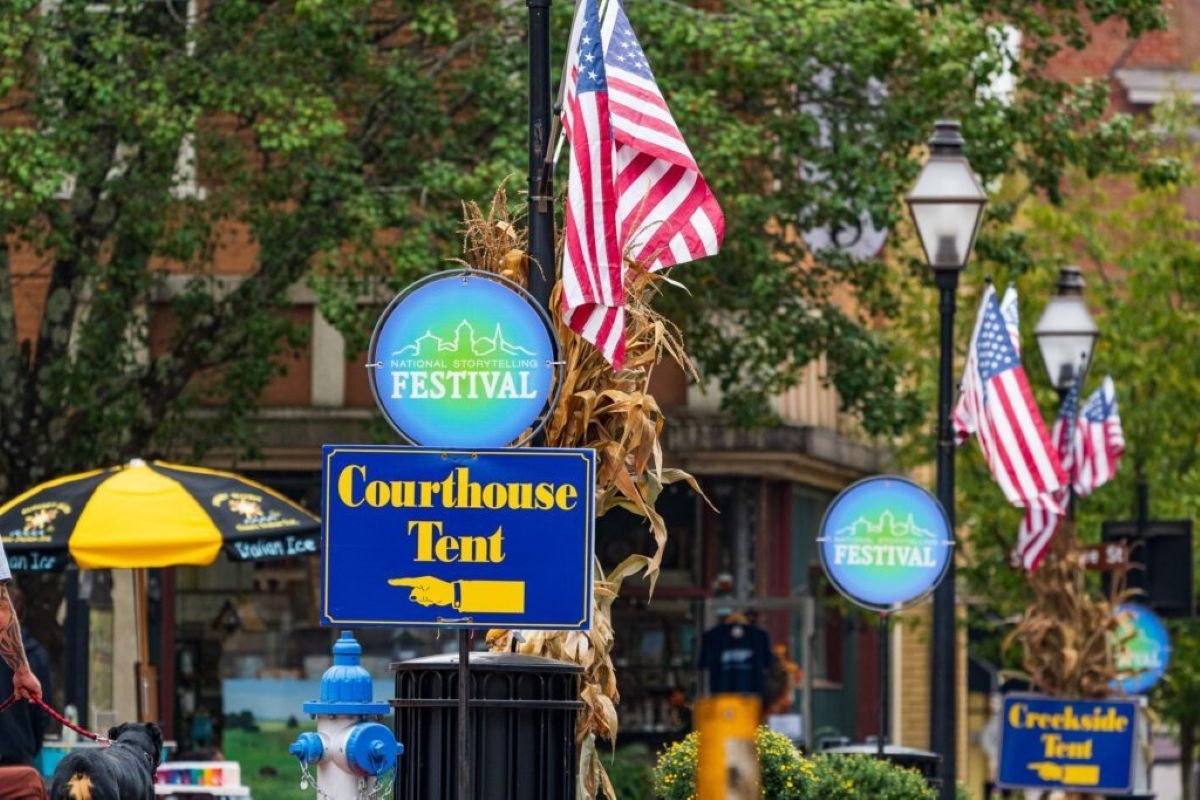
image storytellingcenter
Jonesborough in Tennessee proves that travel does not always need a beach, a huge theme park or a famous tower. Sometimes, a person with a good story is enough. Every October, this small historic town becomes a major cultural travel destination through the National Storytelling Festival. Thousands of people come to listen, laugh, think and share time with strangers under large tents spread across downtown.
The 53rd National Storytelling Festival will take place from 2 to 4 October 2026. The International Storytelling Center, a nonprofit cultural organisation based in the heart of Jonesborough, produces the event. It is one of the country’s most respected celebrations of live storytelling.
Jonesborough is known as the Storytelling Capital of the World. This is more than a tourism slogan. Storytelling has shaped the town’s identity, visitor appeal, cultural calendar and community life for more than fifty years.
Advertisement
Advertisement
How a Farm Wagon Started a Major Festival
The festival began in 1973 with a simple idea. Founder Jimmy Neil Smith invited people to hear Appalachian tales in Jonesborough. A small group gathered around an old farm wagon in Courthouse Square. The first event also featured an energetic performance by Mississippi storyteller Jerry Clower in a packed school gymnasium.
That small gathering changed the future of the town. What began with hay bales, local listeners and a wagon stage later grew into a three-day event that draws around 10,000 visitors in an average year. Today, large circus-style tents replace the wagon. Leading storytellers perform across a historic town that feels like part of the show.
This is why Jonesborough is different. Visitors do not enter one hall, watch a performance and leave. They walk through old streets, choose between tents, meet other listeners, eat local food and visit small businesses. The full town becomes a stage.
Why Spoken Stories Bring Visitors to Tennessee
A live story has a special power. A storyteller can slow down, pause before a surprise, use a voice to create a character and react to the crowd. The audience does not just hear the story. It feels part of it.
This gives Jonesborough a strong travel advantage. People cannot fully copy this experience at home. A video can show a storyteller. It cannot recreate the sound of a tent full of people laughing together. It cannot give visitors the feeling of walking from one tale to another in a town filled with listeners.
The festival also gives people freedom to choose. Five large tents are set up around downtown. Visitors can select the sessions they want to attend. General admission covers the main tent programme. Some special events need separate tickets. These include workshops, theatre programmes, late-night shows and ghost-story concerts.
This makes the visit longer and more exciting. Travellers can arrive before the main weekend for concerts or workshops. They can stay late for a ghost story in the open air. They can return the next day to hear a completely different kind of tale.
Advertisement
Advertisement
Appalachian Heritage Meets Global Voices
Jonesborough’s festival began with Appalachian storytelling. That local foundation still matters. The mountain setting, music, oral traditions and historic streets of Northeast Tennessee give the event a deep sense of place.
Yet the festival is not limited to Appalachian stories. Over the years, it has welcomed performers and traditions connected to African American, Jewish, Aboriginal, Egyptian, Asian, Celtic, Hispanic, Caribbean, Native American and Deaf communities. This wider mix helps the festival attract visitors from across the United States and beyond.
The 2026 programme includes well-known names such as Donald Davis, Elizabeth Ellis, Bill Harley, Andy Offutt Irwin, Antonio Rocha, Donna Washington, Daniel Morden and Eth-Noh-Tec. New voices Amy Bluemel and Kelly Campos will also take part.
Visitors will hear more than old folktales. The programme includes personal stories, poetry, humour, family history, myth, cultural memory and stories of real life. One special programme will feature retired FDNY Battalion Chief Joseph Pfeifer in a commemoration marking 25 years since 9/11. Another event will bring Homer’s Trojan War tale to a modern audience through a new telling of The Iliad.
Visitors Do Not Just Listen They Join In
Jonesborough makes storytelling active. At the Swappin’ Ground, anyone can stop, listen or sign up to share a tale. This changes the festival from a simple performance event into a friendly meeting place.
Workshops give visitors a chance to learn storytelling skills. The 2026 programme will explore writing, identity, place, memory, family stories, humour and storytelling basics. Families can enjoy Schoolhouse Stories, created for children aged six to ten. If the weather is good, children can also play old-fashioned games.
This participation is important. Travellers often remember places where they did something, not only places where they saw something. In Jonesborough, visitors may leave with a story they heard, a story they told or new confidence to share their own experiences.
Advertisement
Advertisement
Storytelling Keeps Jonesborough Busy Beyond October
The October festival is the town’s biggest storytelling moment, but the attraction continues for much of the year. The International Storytelling Center runs its Teller-in-Residence programme from May to October. Professional storytellers give regular performances and concerts in the historic town.
The Jonesborough Storytellers Guild also offers weekly live storytelling. This gives visitors a reason to come outside the festival weekend. It helps Jonesborough welcome travellers during a longer season instead of relying on one major event.
The festival’s growth has also supported the town’s wider revival. Historic restoration, local business activity and community participation have grown alongside its cultural reputation. Jonesborough has used storytelling to protect its historic character while creating new reasons for people to visit.
A Festival That Needs Early Planning
Visitors should plan early for the National Storytelling Festival. Downtown Jonesborough becomes busy during the event, and rooms in town can be booked far in advance. Nearby Johnson City, around eight to ten miles away, gives travellers more hotel options.
Festival programmes generally run from 10am to 9pm on Friday and Saturday. Sunday programming runs from 10am to 4pm. In 2026, visitors can park at the old Jonesborough Elementary School and take a shuttle to the Visitors Center and festival area.
Jonesborough shows that the oldest form of entertainment can still create modern travel demand. In this Tennessee town, spoken stories are not only remembered. They fill historic streets, support local life and give travellers a powerful reason to return.
Advertisement
Advertisement
Advertisement
