
France Surpasses Spain, Italy, Greece, Portugal, Croatia and Malta Enacting Strict Tourism Restrictions as Parisian Authorities Ban Alcohol During Festivals and Coastal Resorts Fine Shirtless Tourists Amid Extreme June Weather: New Updates Reveal Shocking Details

Published
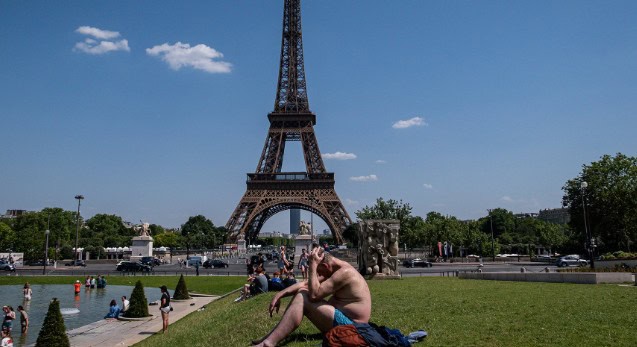
A series of urgent public safety measures has been introduced across Southern and Western Europe as Europe heatwave restrictions 2026, France alcohol ban Paris heatwave, Spain tourist dress code fines, Italy Croatia Portugal decency rules, and Mediterranean overtourism controls have been implemented in response to record-breaking summer temperatures and rising tourism pressure.
Verified reports as of June 29, 2026 confirm that multiple governments and local authorities have activated temporary restrictions on public behaviour, including alcohol consumption in open spaces and strict enforcement of dress codes in coastal and urban tourist zones. These measures have been introduced as extreme heat conditions continue to exceed 40°C across large parts of the continent, creating pressure on healthcare systems, public infrastructure, and emergency response networks.
The combined impact of climate stress, tourism congestion, and public safety concerns has resulted in a coordinated but locally managed response across France, Spain, Italy, Greece, Portugal, Croatia, and Malta.

France imposes emergency alcohol restrictions and coastal dress fines
In France, a significant escalation of heatwave management policies has been introduced as Paris public alcohol ban 2026, Fête de la Musique restrictions France, French coastal tourism fines swimwear rules, and heatwave hospital emergency response Paris measures have been enforced across multiple regions.
Advertisement
Advertisement
A severe heatwave has placed more than 60 departments under red extreme heat alert conditions, with temperatures rising above 40°C. In response, public alcohol consumption and sales restrictions have been implemented in Paris from midday onwards. This decision has been taken after hospitals reported saturation due to a surge in heat-related medical emergencies, including cardiac arrests and dehydration cases.
The restriction has also directly impacted large public events, including the Fête de la Musique festival, where attendees have been required to participate in alcohol-free public celebrations across the city.
Advertisement
Advertisement
Alongside this, coastal municipalities such as Les Sables-d’Olonne, Arcachon, Cannes, and La Grande-Motte have introduced fines ranging from €35 to €150 for tourists walking shirtless or wearing swimwear outside designated beach areas. These enforcement measures have been designed to maintain public order in high-density tourist zones.

Spain enforces strict urban dress codes and event shutdowns
In Spain, tourism hotspots have introduced reinforced behavioural regulations under Spain tourist clothing fines 2026, Barcelona dress code enforcement tourism, Mallorca bikini ban urban areas, and Spanish heatwave event cancellations public safety measures.
Advertisement
Advertisement
Cities including Barcelona, Málaga, Palma de Mallorca, and Salou have enforced strict bans on walking shirtless or wearing bikinis in urban districts, shopping areas, and historic city centres. Violations of these dress regulations have been associated with fines reaching up to €750.
In addition to clothing restrictions, several outdoor public events and football fan zones have been temporarily closed due to extreme heat conditions. These closures have been implemented to reduce the risk of heatstroke, dehydration, and overcrowding in exposed public spaces.
The measures have been designed to balance tourism activity with public health protection during periods of extreme summer temperature spikes.
Italy, Croatia and Portugal intensify municipal enforcement measures
Across Italy, Croatia, and Portugal, localized enforcement policies have been activated under Italy Venice tourist fines swimwear rules, Croatia Dubrovnik dress restrictions tourism, Portugal Algarve tourist fines Albufeira behaviour, and Mediterranean coastal tourism regulation overtourism control frameworks.
Advertisement
Advertisement
Rather than implementing nationwide bans, authorities in these countries have relied on municipal regulations to manage tourist behaviour during the peak summer season.
In Italy, cities such as Venice and Sorrento have issued fines to tourists walking through historic districts without proper attire or wearing swimwear in public streets. These measures have been designed to preserve cultural heritage sites and maintain urban decorum.
In Croatia, strict rules have been enforced in major tourist destinations including Dubrovnik, Split, and Hvar, where going shirtless outside designated beach areas has been formally prohibited.
In Portugal, particularly in Albufeira and other Algarve destinations, authorities have proposed and implemented fines reaching up to €1,500 for inappropriate clothing in family-oriented public areas. These measures have been structured to ensure respect for public spaces and local community standards.
Greece and Malta issue heat safety warnings and crowd control measures
In Greece and Malta, a combination of extreme heat alerts and tourism management strategies has been introduced under Greece heatwave tourism safety alerts, Malta overtourism infrastructure pressure, Mediterranean archaeological site heat warnings, and southern Europe crowd control tourism policy.
High-temperature warnings have been issued across central and eastern Mediterranean regions, with authorities advising both residents and tourists to take precautions against heat exhaustion and dehydration. Increased risk levels have been particularly noted at archaeological sites and outdoor heritage attractions exposed to direct sunlight.
Advertisement
Advertisement
Both countries have also implemented localized zoning and crowd management strategies to reduce pressure on infrastructure systems. These measures have been introduced in response to record-breaking tourist arrivals combined with rising energy and water consumption during peak summer conditions.
Public safety guidance issued for international travellers
Across all affected destinations, updated public safety guidance has been issued under Europe tourist safety heatwave advisory, Mediterranean travel health warnings 2026, and tourism public decency law enforcement Europe.
Travellers have been advised to comply with local municipal regulations, particularly regarding dress codes outside beach zones. Authorities have emphasized that enforcement is primarily local rather than national, meaning rules may vary significantly between cities and regions.
Alcohol restrictions have also been linked directly to heat alert levels, with public consumption bans being activated during extreme temperature warnings to reduce health risks and emergency service pressure.
Tourists have been encouraged to monitor regional weather alerts and adjust travel behaviour accordingly, especially during midday hours when heat conditions reach peak intensity.
Advertisement
