

Image generated with Ai
Florida overtakes California, Ohio, Pennsylvania, Virginia and Tennessee to anchor global amusement park growth. How? Crucially, domestic tourism demand explodes in the US with unprecedented billions pouring straight into this booming market. Consequently, eager vacationers are flocking to see the spectacular Epic Universe. Furthermore, extreme holidaymakers crave riding insane, record-breaking coasters. They also demand high-tech, immersive intellectual properties. As a result, this massive entertainment war is changing everything completely.
Therefore, you must never book another family vacation anywhere else without reading this shocking, comprehensive industry report carefully right now online!
Advertisement
The United States theme park landscape has undergone its most radical transformation in a generation, driven by two monumental shifts: the multi-billion pound corporate merger between regional giants Six Flags and Cedar Fair, and the historic opening of Universal Epic Universe in Florida. Together, these industry milestones have completely reshaped how families plan vacations, creating an interconnected ecosystem of mega-resorts and high-tech regional parks across fifty states.
Are you ready to rethink your next family holiday destination? The American tourism industry has shifted dramatically under your feet, morphing into a hyper-competitive battleground of adrenaline and high-tech immersion. For decades, planning a theme park getaway meant choosing between the isolated magic of Central Florida or a quick drive to a regional roller coaster park. Today, the lines have blurred completely as massive corporate consolidations bring Disney-level storytelling directly to your local suburban backyard. From the sunny coasts of California to the sprawling hills of Pennsylvania, operators are spending record amounts to capture your short attention span.
Advertisement
Advertisement
This financial arms race means standard steel roller coasters are no longer enough to satisfy modern holidaymakers. Families now demand total narrative immersion, interactive applications, and world-class culinary experiences that rival fine dining establishments. Consequently, the industry has responded with an unprecedented wave of capital investment, modernising older boardwalks and constructing entirely new fictional worlds from scratch. As international flight routes expand, British travellers are finding themselves directly in the crosshairs of these aggressive marketing campaigns. Navigating this vast new playground requires a clear understanding of the shifting corporate landscape and the regional hotspots redefining modern entertainment.
The United States earned the top position because it offers an unparalleled scale of attractions, globally recognised entertainment brands and a highly developed tourism infrastructure. Few destinations can combine theme parks, destination resorts, hotels, shopping districts and immersive storytelling at such a massive scale.
The country’s large domestic market also plays a crucial role in sustaining year-round demand. Unlike destinations that depend heavily on international visitors, American amusement parks benefit from a stable flow of domestic travellers while simultaneously attracting tourists from Europe, Latin America, Canada and Asia.
Modern amusement parks have evolved beyond roller coasters and rides into sophisticated entertainment destinations. Visitors now seek personalised experiences that blend technology, storytelling and interactive environments into a single journey.
Advertisement
Advertisement
Movie-inspired worlds, digital experiences and themed environments have become major attractions for travellers of all ages. These developments are encouraging tourists to extend their stays and spend more time exploring entire destination resorts rather than visiting parks for a single day.
Image generated with Ai
Orlando remains one of the biggest reasons behind America’s leadership position because it hosts some of the most influential entertainment destinations in the world. The city has developed into a tourism powerhouse that attracts families, couples and international visitors throughout the year.
Its strong hospitality infrastructure further strengthens its appeal. Hotels, airports, restaurants and transportation networks work together to create a seamless visitor experience that supports long-term tourism growth.
Technology is becoming increasingly important within the amusement park sector as operators invest heavily in artificial intelligence, virtual queues, mobile applications and personalised guest experiences. These innovations help improve efficiency while creating smoother journeys for visitors.
At the same time, multigenerational travel is becoming a defining trend within global tourism. Families are increasingly travelling with grandparents, parents and children together, prompting parks to design attractions that appeal to every age group simultaneously.
The United States’ number one ranking highlights a broader transformation taking place within the travel industry. Travellers are increasingly prioritising experiences that deliver emotional connections, memorable moments and immersive entertainment rather than conventional sightseeing alone.
As destinations around the world continue investing in experiential tourism, the United States remains a benchmark for innovation, storytelling and entertainment-led travel. Its ability to combine hospitality, technology and world-class attractions positions the country at the forefront of global amusement park tourism for years to come.
Florida remains the definitive global capital of themed entertainment, operating on a geographic and financial scale that no other destination can realistically match. The Sunshine State continues to anchor global tourism budgets, drawing tens of millions of international travellers through Orlando’s expanding airport hubs.
Walt Disney World Resort remains the foundational anchor of this ecosystem, sprawling across four massive theme parks that dictate global vacation trends. Families regularly spend years saving for a single pilgrimage to the Magic Kingdom or the cinematic streets of Disney’s Hollywood Studios. Meanwhile, Universal Orlando Resort has aggressively disrupted this monopoly by introducing highly sophisticated, screen-free kinetic engineering and mature storytelling environments. The historic public debut of Universal Epic Universe has established a new benchmark for total sensory immersion. This colossal third gate features five heavily detailed lands, including the highly anticipated Super Nintendo World and the dark gothic atmosphere of Dark Universe.
To fully appreciate the state’s diverse offerings, visitors must venture beyond the immediate tourism corridor of Southwest Orlando. Busch Gardens Tampa Bay offers a distinct alternative by seamlessly blending a world-class African safari conservation facility with terrifying, record-breaking steel infrastructure. Their award-winning wooden hybrid coaster, Iron Gwazi, continues to draw international enthusiasts who crave extreme negative gravitational forces. Furthermore, SeaWorld Orlando has successfully transitioned its corporate identity away from controversial killer whale theatrical performances to focus entirely on high-velocity marine coaster innovations. This strategic pivot has created a fierce regional rivalry that forces every operator to continuously innovate or risk immediate irrelevance.
Image generated with Ai
Travel And Tour World (TTW) has officially announced its Top 50 Amusement Park Travel Destinations in the World for 2026, recognising countries that are redefining global tourism through world-class theme parks, immersive attractions, family-focused experiences and entertainment-driven travel.
The annual ranking, developed by TTW’s editorial experts, reflects a significant shift in traveller behaviour as more people choose destinations that offer unforgettable amusement park experiences alongside traditional sightseeing opportunities. Modern travellers are increasingly planning holidays around iconic theme parks, interactive entertainment zones, movie-inspired worlds, water parks and record-breaking attractions that appeal to visitors of all ages.
According to the 2026 ranking, the United States secured the number one position as the world’s leading amusement park travel destination. Canada ranked second, followed by Mexico, France and Japan. Germany, the United Kingdom, Spain, China and Singapore completed the top ten, highlighting the growing global competition to attract visitors seeking entertainment-based experiences.
The popularity of amusement park travel has surged as families and multi-generational travellers seek destinations that deliver both excitement and convenience within a single holiday experience. Unlike traditional tourism, amusement parks offer immersive storytelling, interactive attractions and carefully designed environments that create memorable experiences for children, parents and grandparents alike.
Travellers are no longer simply visiting destinations for landmarks alone. Instead, they are increasingly prioritising experiences that combine adventure, technology, culture and entertainment. Modern theme parks have evolved into sophisticated tourism ecosystems that encourage visitors to extend their stays and explore surrounding cities and regions.
Across North America, Europe, Asia-Pacific, Latin America, the Middle East and Africa, governments and tourism authorities are investing heavily in entertainment infrastructure to attract both domestic and international visitors. This trend is helping destinations diversify their tourism offerings and remain competitive within an increasingly experience-driven travel marketplace.
Amusement parks today serve a much larger purpose than simply providing rides and attractions. They have become major economic engines that generate employment opportunities and stimulate broader sectors, including hospitality, transportation, retail, dining and local businesses.
The global demand for immersive entertainment is also encouraging innovation. New attractions now incorporate advanced technologies such as augmented reality, virtual reality, artificial intelligence and interactive storytelling to create highly personalised visitor experiences.
Additionally, movie franchises, cultural themes and destination-specific narratives are allowing parks to differentiate themselves and attract repeat visitors. These developments continue to strengthen the role of amusement parks as long-term tourism assets.
As global uncertainties and geopolitical challenges continue to influence travel decisions, travellers are increasingly seeking destinations that offer comfort, security and meaningful experiences. Amusement parks are benefiting from this trend because they provide controlled environments that allow families and groups to spend quality time together.
The appeal of shared experiences has become particularly important among multi-generational travellers. Families are prioritising destinations that can simultaneously entertain young children, teenagers, parents and older adults, making amusement parks an attractive choice for group holidays.
The ability to create lasting memories is emerging as one of the strongest drivers behind entertainment-led tourism. From thrilling roller coasters and spectacular performances to immersive themed environments, these destinations deliver emotional experiences that resonate long after a trip has ended.
Travel And Tour World believes amusement park tourism will remain one of the fastest-growing segments within global travel over the coming years. Destinations that continue investing in innovation, sustainability and immersive experiences are expected to strengthen their positions within the international tourism landscape.
The landscape of regional American amusement parks changed forever when historic rivals Six Flags and Cedar Fair officially completed their monumental corporate merger. This multi-billion pound transaction combined dozens of distinct properties under a unified operational banner, creating an absolute monopoly on regional thrill seeking.
Prior to this consolidation, the two companies operated under radically different corporate philosophies and consumer target demographics. Six Flags focused primarily on high-volume, standard thrill machines decorated with DC Comics intellectual property to attract local thrill-seeking teenagers. Conversely, Cedar Fair built its sterling reputation on pristine park cleanliness, exceptional guest service, and massive, boundary-pushing steel engineering. By unifying these two portfolios, the newly evolved Six Flags Entertainment Corporation now controls the most diverse array of regional attractions in North America. This historic union allows for unprecedented season pass synergy, letting dedicated coaster enthusiasts unlock admission across multiple states with a single digital membership.
The true value of this corporate marriage is already visible within the legendary borders of Cedar Point in Sandusky, Ohio. Long celebrated as the absolute capital of pure roller coaster innovation, the peninsula park sits elegantly along the shores of Lake Erie. Under unified management, lessons learned from Ohio’s guest-first operations are being rapidly deployed to struggling urban locations like Six Flags Great Adventure in New Jersey. This means older, neglected wooden structures are finally receiving much-needed structural restorations and advanced polymer track upgrades. For the average holidaymaker, this historic corporate alignment translates directly into shorter queues, vastly improved food quality, and more reliable ride operations nationwide.
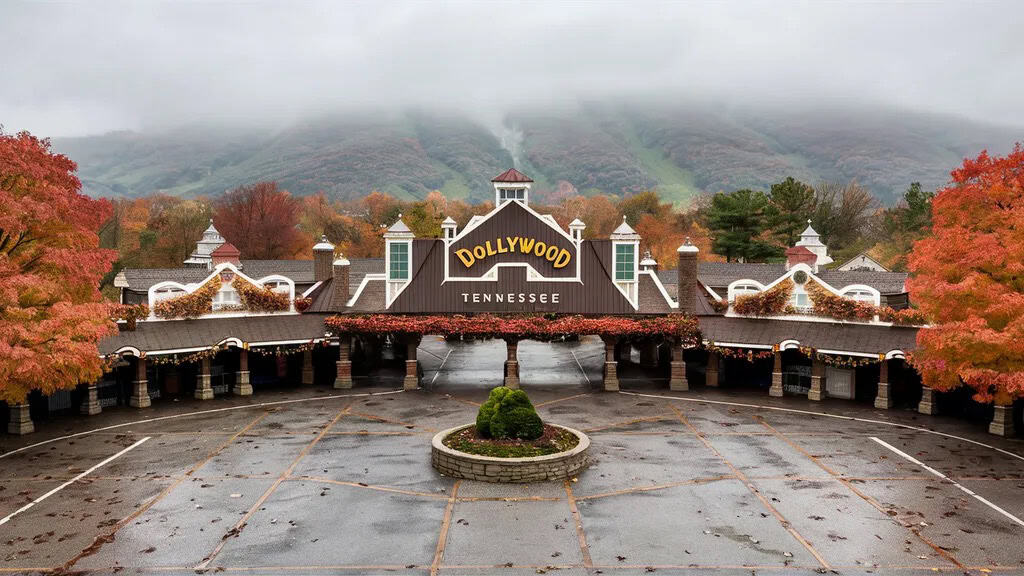
Image generated with Ai
For travellers looking to escape the sweltering humidity of Florida, the Mid-Atlantic region offers the premier roller coaster road trip itinerary in the country. Pennsylvania and Virginia boast a high concentration of award-winning, beautifully landscaped parks that seamlessly balance historic charm with modern, terrifying speed.
Pennsylvania is anchored by the historic Hershey Park, a beautifully maintained destination that effortlessly blends industrial chocolate history with elite modern ride manufacturing. The park features an impressive collection of hyper-coasters that soar gracefully over winding creeks and active chocolate production facilities. Just a few hours away hidden deep within the central Pennsylvania valleys lies Knoebels Amusement Resort, America’s largest free-admission park. This family-owned treasure remains famous for preserving rare, traditional wooden roller coasters that cannot be found anywhere else on earth. Their commitment to affordable, pay-per-ride ticketing options provides a nostalgic contrast to the aggressive corporate pricing strategies observed elsewhere.
Travelling southward into Virginia reveals Busch Gardens Williamsburg, a park consistently voted the most beautiful theme park environment across the United States. The property is masterfully divided into distinct European hamlets, allowing guests to sample traditional English pub fare before boarding massive Swiss-engineered roller coasters. The architectural integration here is genuinely flawless, utilizing deep natural ravines to drop riders hundreds of feet toward rushing rivers below. This clever use of natural topography creates an overwhelming illusion of speed that standard flat parking-lot parks simply cannot replicate. For families seeking a sophisticated blend of cultural immersion and genuine adrenaline, this regional corridor represents the absolute pinnacle of American park design.
The West Coast amusement park market, dominated heavily by the hyper-competitive Southern California corridor, has pivoted fully toward hyper-realistic cinematic world building. Universal Studios Hollywood and the historic Disneyland Resort are locked in a relentless battle to bring multi-billion dollar film franchises to life.
Disneyland Resort in Anaheim serves as the sacred, historical foundation of the entire modern theme park industry. However, the legendary property has aggressively evolved past simple fairy-tale castles to embrace complex, interactive environments like Star Wars: Galaxy’s Edge. Guests no longer just view a plastic display; they actively manipulate the control panels of a full-scale Millennium Falcon spacecraft. This level of theatrical environmental design requires massive computer networks and highly advanced animatronic figures that blur the line between reality and simulation. The goal is to keep guests trapped inside the narrative illusion for their entire stay, maximizing in-park merchandise and dining expenditures.
Directly competing for cinematic dominance, Universal Studios Hollywood utilizes its active, working movie studio backlot to provide unmatched authenticity. The addition of their own Super Nintendo World has introduced gamified reality to the West Coast, allowing visitors to collect digital coins via wearable wristbands. Meanwhile, just a short drive away, Knott’s Berry Farm offers a rustic, authentic counterweight themed around California’s historic 1800s gold rush era. This fascinating contrast proves that while cutting-edge digital projection mapping captures headlines, authentic American history still commands a loyal audience. The West Coast market successfully proves that modern park visitors want to live inside their favorite movies rather than just watch them on a screen.
Image generated with Ai
While the coastal states grab major international headlines, the American Heartland contains several spectacular, independently owned parks that are quietly setting global industry standards. These hidden gems focus heavily on regional folklore, exceptional customer hospitality, and unique cultural preservation.
Dollywood, nestled snugly against the breathtaking backdrop of the Great Smoky Mountains in Tennessee, has become an absolute juggernaut of regional tourism. Co-owned by country music legend Dolly Parton, the park effortlessly pairs world-class wooden coaster engineering with authentic mountain crafters and traditional southern cooking. The staff here are globally renowned for their genuine, warm hospitality, completely subverting the cold, sterile atmosphere of larger corporate operations. Furthermore, the park acts as a vital living museum for Appalachian musical heritage, hosting daily live performances that celebrate regional history. This deep emotional connection to the local community creates an intensely loyal fan base that visits repeatedly throughout the changing seasons.
Further north in America’s midwestern plains, Silver Dollar City in Branson, Missouri, operates on a remarkably similar blueprint of historical immersion. The park is built directly over the entrance of a massive, natural limestone cave system that guests can actively explore between riding world-class coasters. Their commitment to preserving 19th-century blacksmithing, glassblowing, and woodcarving skills provides an educational element that modern corporate entities completely ignore. These independent heartland destinations prove that long-term commercial success does not require multi-billion dollar Hollywood intellectual property licenses. By prioritizing authentic human connection and celebrating local regional identities, these parks provide an unforgettable, uniquely American vacation experience.
Navigating the massive, newly consolidated American theme park network requires careful strategic planning and a thorough understanding of modern digital ticketing systems. The days of simply turning up at the front gate and purchasing a paper ticket are officially gone forever.
Modern operators now utilize highly complex dynamic pricing algorithms that cause ticket and accommodation prices to fluctuate based on real-time demand metrics. To secure the best possible value, international visitors must book their flights and park admissions months in advance through official travel channels. Utilizing specialized mobile smartphone applications has become completely mandatory for navigating the physical parks, controlling everything from virtual queue reservations to mobile food ordering. Additionally, understanding the geographic layout of the United States is crucial before planning a multi-state roller coaster road trip itinerary. Trying to combine a visit to Florida’s mega-resorts with Ohio’s coaster capital within a single week will result in exhausting travel logistics.
Furthermore, savvy travellers should carefully weigh the benefits of purchasing premium skip-the-line passes against their overall holiday budget. While these premium add-ons significantly increase the upfront cost of a vacation, they save countless hours of waiting in the sweltering summer sun. It is also wise to plan visits during the regional shoulder seasons, specifically late September or early May, when local school districts are fully in session. This simple timing adjustment can reduce average attraction wait times by more than fifty percent, allowing you to experience the parks at a relaxed, human pace. By mastering these digital tools and planning your geographic routes intelligently, you can successfully conquer the greatest amusement destinations on earth.
The United States possesses one of the most economically diverse and geographically vast theme park markets in the world. Ranging from multi-billion dollar immersive resorts that draw international crowds to historic, adrenaline-fueled regional roller coaster capitals, the industry caters to tens of millions of tourists each year. Following a seismic landscape shift—most notably the monumental 2024 corporate merger between regional giants Six Flags and Cedar Fair, alongside the historic opening of Universal Epic Universe in Florida—the American amusement sector has officially entered a new golden era of entertainment.
The comprehensive framework below details exactly how the United States theme park market is structured, mapping out the prominent operators, standout locations, and core market appeals defining every major region.
| Region / Hub | Key Operators | Standout Theme Parks | Primary Appeal & Market Focus |
|---|---|---|---|
| Florida(The Global Hub) | Disney, Universal, SeaWorld Parks | Magic Kingdom, EPCOT, Hollywood Studios, Animal Kingdom, Universal Studios Florida, Islands of Adventure, Epic Universe, Busch Gardens Tampa Bay, SeaWorld Orlando | Immersive Destination Resorts: High-budget storytelling, world-famous intellectual properties (Star Wars, Harry Potter, Nintendo), and massive multi-gate resorts drawing international tourism. |
| California(The Historic Core) | Disney, Universal, Six Flags Entertainment Corp. | Disneyland Park, Disney California Adventure, Universal Studios Hollywood, Knott’s Berry Farm, Six Flags Magic Mountain | Cinematic & Pop-Culture Landmarks: The birthplace of the modern theme park. Features a mix of historical charm, Hollywood studio integration, and extreme thrill records (Magic Mountain holds the world record with 20 coasters). |
| Mid-Atlantic(The Coaster Belt) | Six Flags Entertainment Corp., Independent | Hersheypark (PA), Knoebels Amusement Resort (PA), Busch Gardens Williamsburg (VA), Kings Dominion (VA) | Thrill-Seeking & Traditional Charm: Combines pristine landscaping, elite roller coaster engineering (hyper-coasters), and historic, family-owned traditional parks like Knoebels. |
| The Midwest(The Innovation Capital) | Six Flags Entertainment Corp. | Cedar Point (OH), Kings Island (OH), Six Flags Great America (IL) | Pure Adrenaline & Engineering: Cedar Point acts as the “Roller Coaster Capital of the World,” driving industry records for height, speed, and structural innovation along Lake Erie. |
| The Heartland(Cultural & Folklore) | Independent, Herschend Family Entertainment | Dollywood (TN), Silver Dollar City (MO) | Regional Folklore & Hospitality: Focuses on American heritage, live traditional craftsmanship (glassblowing, blacksmithing), and regional music, blended with world-class wooden coaster design. |
“The structural shift highlighted in this report confirms that the United States theme park market is no longer just about passive entertainment; it has officially evolved into an aggressive, hyper-capitalized race for total consumer immersion. Florida’s absolute dominance—catalyzed by the historic opening of Universal Epic Universe—proves that modern holidaymakers will gladly pay a premium for high-tech, deeply narrative worlds that blur the lines between reality and screen-free simulation. Meanwhile, the massive $8 billion merger between Six Flags and Cedar Fair completely redefines regional competition. By creating a unified corporate footprint across 34 multi-state properties, the newly formed entity is strategically driving up season pass margins while streamlining operations in sub-urban hubs like Ohio and Pennsylvania. However, this relentless corporate consolidation presents a fascinating paradox for the domestic industry. As ticket pricing engines pivot toward real-time dynamic models and mandatory biometric tracking, smaller, independent gems like Dollywood and Knoebels are carving out massive success by prioritizing traditional hospitality, regional folklore, and affordable family values. Moving forward into this high-stakes landscape, operators will face the ultimate test of balancing cutting-edge, friction-free smart infrastructure with the authentic human connection that historic boardwalks provided naturally. Ultimately, the winners of this multi-billion-pound entertainment war will be the destinations that masterfully combine record-breaking adrenaline engineering with unforgettable, shared family memories that smartphone screens simply cannot replicate.” — Anup Kumar Keshan, Founder and Editor-in-Chief, Travel And Tour World
Florida functions on an entirely different economic scale than the rest of the industry, serving as the undisputed international capital of themed entertainment. The state is uniquely defined by massive, self-contained multi-gate destination resorts where families book week-long vacations rather than single-day trips.
Walt Disney World Resort dictates global industry trends across its four core gates, blending nostalgic intellectual property with massive scale. However, Comcast’s Universal Orlando Resort has radically disrupted this ecosystem. The official opening of Universal Epic Universe introduces a game-changing “portal” concept across five highly detailed worlds. This massive development features high-tech intellectual properties like Super Nintendo World and Dark Universe, seamlessly connecting guests to experiences via trackless ride vehicles and augmented reality.
Meanwhile, the region’s secondary operators survive by focusing on elite-level coaster thrillers. Busch Gardens Tampa Bay brilliantly pairs a sprawling African safari conservation facility with terrifying, boundary-pushing infrastructure like the hybrid coaster Iron Gwazi. Similarly, SeaWorld Orlando has completely pivoted its identity away from theatrical animal shows, successfully rebranding itself as a high-velocity marine coaster destination to draw domestic and global adrenaline seekers.
Southern California represents the historical cradle of the modern amusement industry, balancing rich theme park heritage with aggressive Hollywood studio integration. It remains a crucial battleground where pop-culture relevance is transformed into physical, three-dimensional spaces.
Disneyland Park in Anaheim is the historic original, drawing millions of yearly purists who want to step foot into Walt Disney’s initial 1955 vision. Yet, the resort continuously pushes technological boundaries, utilizing massive acreage to host masterfully integrated lands like Star Wars: Galaxy’s Edge. Directly down the highway, Universal Studios Hollywood offers unmatched cinematic authenticity by building cutting-edge attractions right on top of an active, working film studio backlot.
For those prioritizing structural speed over movie magic, the newly consolidated Six Flags Entertainment Corporation steps in to dominate. Six Flags Magic Mountain in Valencia stands as an absolute mecca for purists, retaining the coveted world record for the highest concentration of roller coasters in a single park (20). Nearby, Knott’s Berry Farm provides a wonderful mid-way alternative, seamlessly wrapping a historic 1800s California gold-rush aesthetic around high-throughput modern rides.
Inspect the legal framework, anti-trust reviews, and corporate equal-share agreements filed directly by the operators with the U.S. Securities and Exchange Commission (SEC) Regulatory Archives.

Image generated with Ai
Moving away from the year-round sun of the coasts, the Mid-Atlantic and Midwestern states contain a massive concentration of seasonal parks. These regions focus heavily on architectural innovation, pure kinetic energy, and family-owned traditional charm.
The corporate merger between Six Flags and Cedar Fair completely altered operations across these regions, unifying legendary properties like Cedar Point under a singular corporate pass system. Sitting gracefully on a peninsula jutting into Lake Erie, Cedar Point is globally worshipped as the “Roller Coaster Capital of the World.” The park acts as an open-air laboratory for structural engineering, consistently shattering global records for hyper-coasters and multi-launch steel titans like Steel Vengeance.
Conversely, the Mid-Atlantic balances this corporate adrenaline with preservation and historic beauty. Pennsylvania’s Hersheypark expertly weaves a classic chocolate-manufacturing heritage into a top-tier coaster lineup. A short distance away lies Knoebels Amusement Resort, which stands proud as America’s largest free-admission, pay-per-ride traditional park. Knoebels is immensely popular for rescuing and restoring rare wooden coasters that corporate chains frequently scrap. Further south, Busch Gardens Williamsburg in Virginia uses its natural, deep ravine topography to construct drop-coasters like Griffon, consistently winning awards as the most beautiful park environment in the country.
Tucked safely inside the rolling hills of the American interior, independent and family-managed properties prove that long-term commercial success does not require Hollywood movie studio licensing. Instead, these parks thrive on a unique blueprint of regional folklore, historic preservation, and world-class customer service.
Dollywood, nestled beautifully against the Great Smoky Mountains in Tennessee, has evolved into a powerhouse of American tourism. Co-owned by music legend Dolly Parton, the property expertly fuses extreme wooden coaster engineering—like the terrain-hugging Lightning Rod—with authentic Appalachian heritage. Guests can spend their morning witnessing live blacksmithing and glassblowing demonstrations before boarding some of the fastest rides in the country.
Similarly, Silver Dollar City in Branson, Missouri, leans heavily into an authentic 19th-century frontier aesthetic. The park is uniquely built directly around the natural opening of Marvel Cave, allowing families to combine geological exploration with world-class theme park thrills. By prioritizing genuine human connection, cultural storytelling, and award-winning regional cuisine, these heartland parks offer an incredibly distinct, uniquely American vacation experience that corporate chains simply cannot replicate.
The United States amusement and theme park industry has officially entered a volatile period of hyper-evolution, with the domestic market size reaching a record-breaking valuation of $25.5 billion. Driven by the historic $8 billion corporate merger between regional titans Six Flags and Cedar Fair, the sector is experiencing rapid financial consolidation alongside a massive technological pivot. Operators are aggressively abandoning isolated virtual reality headsets to fund “phygital” communal spaces, biometric smart infrastructure, and lucrative mid-continent destination resorts.
Are you ready to witness the largest financial shake-up in the history of live family entertainment? The United States amusement park industry has completely shattered its traditional operational boundaries, transforming into a highly consolidated corporate battlefield. For decades, the domestic market was comfortably fragmented between giant coastal destination hubs and independent regional properties that catered exclusively to local suburban populations. Today, that old model has been completely eradicated as massive conglomerates deploy billions of pounds to monopolize your holiday spending. This intense capitalization has forced smaller, historic boardwalks to completely reinvent their business models or risk immediate bankruptcy. Consequently, every single dollar you spend on entry tickets is being tracked by advanced machine-learning algorithms designed to optimize corporate profit margins.
The primary catalyst behind this radical restructuring is the massive, completed merger between regional heavyweights Six Flags and Cedar Fair. Trading under the historic New York Stock Exchange ticker symbol FUN, this newly evolved corporate behemoth now dictates regional thrill-seeking across thirty-four distinct properties. By blending the raw adrenaline of Six Flags with the pristine, guest-first operational standards of Cedar Fair, they have successfully built an absolute monopoly. For the modern consumer, this means regional season passes are rising in cost while underperforming properties are being aggressively sold to real-estate developers. This strategic tightening ensures that capital expenditure is directed solely toward flagship properties capable of generating massive, recurring per-capita transactional revenue.
Why are the world’s most advanced amusement parks suddenly ripping high-tech virtual reality headsets off their fastest roller coasters? Only two years ago, the international press was thoroughly convinced that strapped-on digital screens represented the absolute future of theme park infrastructure. However, major operators quickly realized that these delicate electronic headsets caused catastrophic operational bottlenecks at loading platforms, severely slowing down overall guest throughput. Furthermore, the physical isolation of wearing a plastic mask completely ruined the shared, communal joy of experiencing a terrifying drop with family members.
Instead of individual screens, the entire industry has pivoted collectively toward massive, shared spatial projection mapping running at blistering 240Hz frame rates. These ultra-high-definition laser systems project beautifully integrated digital environments directly onto physical cave walls and massive warehouse backdrops simultaneously. This complex engineering allows an entire vehicle of riders to experience a seamless narrative without wearing heavy headgear. It successfully preserves the essential human element of a theme park visit while providing the digital immersion modern video gamers crave. By merging physical kinetic forces with shared optical illusions, parks are maximizing repeat-rideability numbers without sacrificing precious operational capacity.
The United States remains the world’s largest amusement park market because it combines world-famous theme parks, strong domestic tourism, immersive entertainment, technological innovation and multigenerational travel demand. Investments in destination resorts, artificial intelligence, digital experiences and family-focused attractions are transforming amusement parks into powerful tourism ecosystems that drive economic growth across hospitality, retail and transportation sectors.
The United States is reinforcing its leadership in the global amusement park industry as travellers increasingly prioritise immersive experiences over traditional holidays. From iconic theme parks in Florida and California to emerging family entertainment destinations in Texas and the Midwest, the country continues to redefine how entertainment-driven tourism shapes visitor behaviour and destination development.
Amusement parks are no longer standalone attractions that visitors experience for a single day before moving on to another destination. Instead, they have evolved into sophisticated tourism ecosystems that encourage travellers to extend their stays, spend more money and engage with entire regions through hotels, shopping districts, restaurants and cultural experiences.
The United States possesses several advantages that continue to place it ahead of competitors in the global amusement park sector. The country benefits from a massive domestic population, strong tourism infrastructure, global entertainment brands and year-round demand for family-focused travel experiences.
Unlike many international markets that rely heavily on overseas tourists, the American amusement park industry enjoys a stable domestic customer base that supports growth even during periods of economic uncertainty. Millions of families continue to prioritise leisure travel and entertainment experiences as essential components of their annual budgets.
The traditional concept of an amusement park has changed dramatically over the past decade. Modern parks now operate as integrated destinations where visitors can stay for several days while experiencing hotels, retail districts, entertainment complexes and dining venues.
These developments have significantly increased visitor spending and extended average trip durations. Rather than purchasing a single ticket for a few hours of entertainment, travellers are now booking comprehensive holiday packages that encompass accommodation, food, shopping and premium experiences.
Experiential travel has become one of the strongest trends shaping global tourism. Travellers increasingly value memorable experiences over material purchases, leading them to seek destinations that offer emotional connections and personalised adventures.
Amusement parks fit perfectly within this trend because they deliver immersive storytelling, interactive attractions and unique environments that cannot be replicated elsewhere. Every ride, performance and themed district is designed to create long-lasting memories that encourage repeat visitation.
Intellectual property has become one of the most valuable assets in the amusement park industry. Entertainment companies are leveraging globally recognised franchises to attract visitors from around the world and create powerful emotional engagement.
Movie franchises, television characters, gaming universes and interactive storytelling are now central elements of visitor experiences. These branded environments encourage fans to travel specifically to experience worlds they previously only encountered through screens.
Florida continues to dominate because it offers an unmatched concentration of world-famous attractions, favourable weather conditions and extensive tourism infrastructure. Orlando has become synonymous with family holidays and remains one of the world’s most recognisable entertainment capitals.
The state’s extensive network of airports, hotels and transport services further strengthens its appeal. Visitors can seamlessly combine theme parks with beaches, shopping districts and cultural experiences during a single trip.
California remains a critical pillar of the American amusement park landscape due to its combination of entertainment heritage and international appeal. The state attracts both domestic and overseas travellers seeking iconic attractions and cinematic experiences.
Its close connection to Hollywood also provides unique opportunities for storytelling and immersive experiences. The entertainment industry’s influence allows California parks to remain highly innovative and globally competitive.
Texas is becoming an increasingly influential player because operators are investing in family-oriented concepts designed to attract younger audiences. New projects are expanding beyond traditional thrill rides and focusing on interactive experiences for children and multigenerational families.
The state’s growing population and strong economy make it an attractive destination for future investment. Developers also benefit from large amounts of available land and expanding tourism infrastructure.
Technology has become central to the modern amusement park experience. Operators are implementing digital tools that streamline operations while enhancing convenience for guests.
Artificial intelligence, facial recognition systems, mobile applications and virtual queue systems are helping parks personalise experiences. These innovations reduce waiting times, improve customer satisfaction and allow operators to manage visitor flows more efficiently.
Families are increasingly travelling in larger groups that include grandparents, parents and children. This trend is influencing how attractions are designed because parks must simultaneously appeal to multiple age groups.
Operators are responding by developing experiences that balance excitement with accessibility. Interactive shows, family rides and entertainment districts now cater to diverse visitor preferences within a single destination.
The industry has become a major economic engine that extends far beyond entertainment. Millions of visitors generate significant spending across hotels, restaurants, retail stores, transportation services and local businesses.
Employment opportunities are equally substantial because parks require workers across multiple disciplines. Engineers, performers, hospitality professionals, technicians and retail employees all contribute to the industry’s success.
Despite its strength, the industry faces several challenges that require careful management. Rising labour costs, inflationary pressures and increasing operational expenses are affecting profitability.
Climate-related disruptions and growing competition from digital entertainment also present obstacles. Operators must continuously innovate to remain relevant in a rapidly evolving marketplace.
Environmental responsibility is becoming a core business priority across the industry. Operators recognise that travellers increasingly favour businesses that demonstrate sustainable practices.
Energy efficiency, waste reduction and environmentally conscious construction methods are becoming standard components of new developments. Sustainability is now viewed as both a responsibility and a competitive advantage.
The future of the industry appears highly promising because consumer demand for immersive experiences continues to expand. Destination resorts, personalised experiences and digital innovations will likely drive the next wave of growth.
International tourism recovery will further strengthen market performance. Parks that successfully combine technology, storytelling and sustainability may emerge as the biggest winners over the coming years.
The United States continues to set international standards because it combines entertainment expertise, technological innovation and sophisticated tourism infrastructure. Few countries can match the scale and diversity of its amusement park ecosystem.
As travellers increasingly seek memorable experiences rather than conventional holidays, the country is expected to remain at the centre of global amusement park tourism for many years to come.
The United States achieved the top position because it offers a scale of attractions and visitor volumes that remain unmatched anywhere else in the world. Its parks attract millions of guests every year while simultaneously serving domestic and international tourism markets.
Unlike many destinations that rely on one flagship attraction, the American market benefits from multiple world-class destinations spread across numerous states. This diversity enables travellers to build entire itineraries around entertainment experiences rather than simply adding a theme park to an existing holiday.
Attendance figures reveal why the country continues to lead the global industry. Several individual parks attract more visitors annually than many international tourism attractions receive in an entire year.Rank Amusement Park Location Annual Visitors Operator 1 Magic Kingdom Orlando, Florida 17.7-17.8 million Disney 2 Disneyland Park Anaheim, California 17.2 million Disney 3 EPCOT Orlando, Florida 11.9 million Disney 4 Universal Islands of Adventure Orlando, Florida 11.0 million Universal 5 Disney’s Hollywood Studios Orlando, Florida 10.9 million Disney 6 Disney California Adventure Anaheim, California 10.0 million Disney 7 Universal Studios Florida Orlando, Florida 9.7 million Universal 8 Disney’s Animal Kingdom Orlando, Florida 8.8 million Disney 9 Disney’s Typhoon Lagoon Orlando, Florida 2.3 million Disney 10 SeaWorld Orlando Orlando, Florida 4.0-4.5 million (estimated range) United Parks & Resorts 11 Cedar Point Sandusky, Ohio 4.0 million Six Flags/Cedar Fair 12 Kings Island Mason, Ohio 3.5 million Six Flags/Cedar Fair 13 Six Flags Great America Gurnee, Illinois 3.0 million Six Flags
Magic Kingdom remains one of the world’s biggest tourism magnets with approximately 17.7 million annual visitors, while Disneyland Park welcomes around 17.2 million visitors every year. These figures alone demonstrate the extraordinary demand for entertainment-driven travel experiences within the United States.
Orlando has evolved into one of the most influential tourism cities in the world because it successfully integrates accommodation, attractions and entertainment into a single ecosystem. Millions of travellers now view Orlando as a complete holiday destination rather than merely a city with theme parks.
The concentration of world-famous attractions creates an environment that encourages visitors to extend their stays and increase spending. Families often dedicate an entire week or more to experiencing the city’s numerous entertainment offerings.
America’s biggest parks continue to draw enormous crowds because they consistently invest in innovation and immersive experiences. These destinations have become internationally recognised brands that influence global travel patterns.
Magic Kingdom and Disneyland remain industry leaders, while EPCOT, Universal Islands of Adventure, Disney’s Hollywood Studios and Universal Studios Florida continue attracting millions of additional visitors. Together, these attractions create a powerful tourism ecosystem that strengthens America’s international competitiveness.
The modern traveller increasingly prefers convenience, immersion and multiple experiences within one destination. Theme parks are responding by creating integrated resorts that offer accommodation, entertainment and retail facilities within a single environment.
This strategy encourages visitors to remain within destination ecosystems for longer periods. As a result, average visitor spending continues to rise alongside growing demand for premium experiences.
Entertainment companies have become some of the world’s most influential tourism players because they possess intellectual properties that resonate across generations. Visitors are no longer travelling solely for physical attractions but also for emotional connections to beloved stories and characters.
Movie franchises, gaming universes and immersive storytelling environments have become major tourism drivers. These experiences create a sense of familiarity while simultaneously delivering something entirely new.
| State | Annual Visitors |
|---|---|
| Florida | 76.4 million |
| California | 47.9 million |
| Ohio | 7.5 million+ |
| Texas | 7 million+ |
| Pennsylvania | 3.5 million+ |
Family travel patterns have changed considerably over recent years as grandparents increasingly join holiday experiences. This shift has encouraged operators to create attractions that appeal to visitors across multiple age groups.
Multigenerational tourism also increases spending opportunities because larger groups often require bigger accommodation options, premium services and extended itineraries. This trend is becoming one of the industry’s most important growth engines.
Technology is now embedded within every stage of the visitor journey, from ticket purchases to personalised recommendations. Operators are investing heavily in systems that reduce friction and improve convenience.
Artificial intelligence, virtual queues, mobile applications and dynamic pricing models are helping parks create more efficient operations. These innovations simultaneously enhance visitor satisfaction while increasing operational effectiveness.
Florida remains America’s entertainment powerhouse because it offers exceptional tourism infrastructure combined with favourable weather conditions. The state has perfected the formula for destination-based entertainment tourism.
Its airports, highways, hotels and resort ecosystems support millions of annual arrivals. This seamless integration has enabled Florida to establish itself as one of the world’s most successful tourism economies.
California remains essential because it combines Hollywood’s creative heritage with globally recognised attractions. The state’s entertainment identity naturally complements amusement tourism.
Meanwhile, Texas is emerging as a major growth market due to increasing investments in family-oriented destinations. Population growth and economic expansion are encouraging operators to broaden their geographical reach.
The amusement park industry supports far more than entertainment companies alone. Hotels, airlines, restaurants, shopping centres and local communities all benefit from visitor spending.
Employment opportunities are equally significant because the industry requires professionals across diverse sectors. Engineers, performers, hospitality specialists, technicians and digital experts all contribute to the ecosystem.
Environmental responsibility is becoming a strategic priority as travellers place greater emphasis on sustainable tourism. Operators recognise that environmental stewardship is essential for long-term growth.
Many parks are investing in renewable energy solutions, waste reduction initiatives and sustainable construction methods. These efforts align with broader tourism industry goals while strengthening brand reputations.
The industry is entering a period of rapid evolution driven by changing consumer expectations and technological advancements. Personalisation, immersive experiences and digital integration will likely define future developments.
Destination resorts will continue expanding beyond traditional models. Visitors increasingly expect experiences that combine entertainment, convenience and emotional engagement within a single journey..
Advertisement
Tags: amusement parks, roller coasters, Six Flags merger, Theme Park Travel, Universal Epic Universe
Advertisement
Advertisement













Saturday, September 5, 2026

Friday, September 4, 2026

Saturday, September 5, 2026

Saturday, September 5, 2026

Thursday, September 3, 2026

Wednesday, September 2, 2026

Saturday, September 5, 2026

Saturday, September 5, 2026


