
Spain Tourism Under Pressure As Nearly 2% Daily Oil Price Surge Tests Madrid And Barcelona Travel Growth

Published
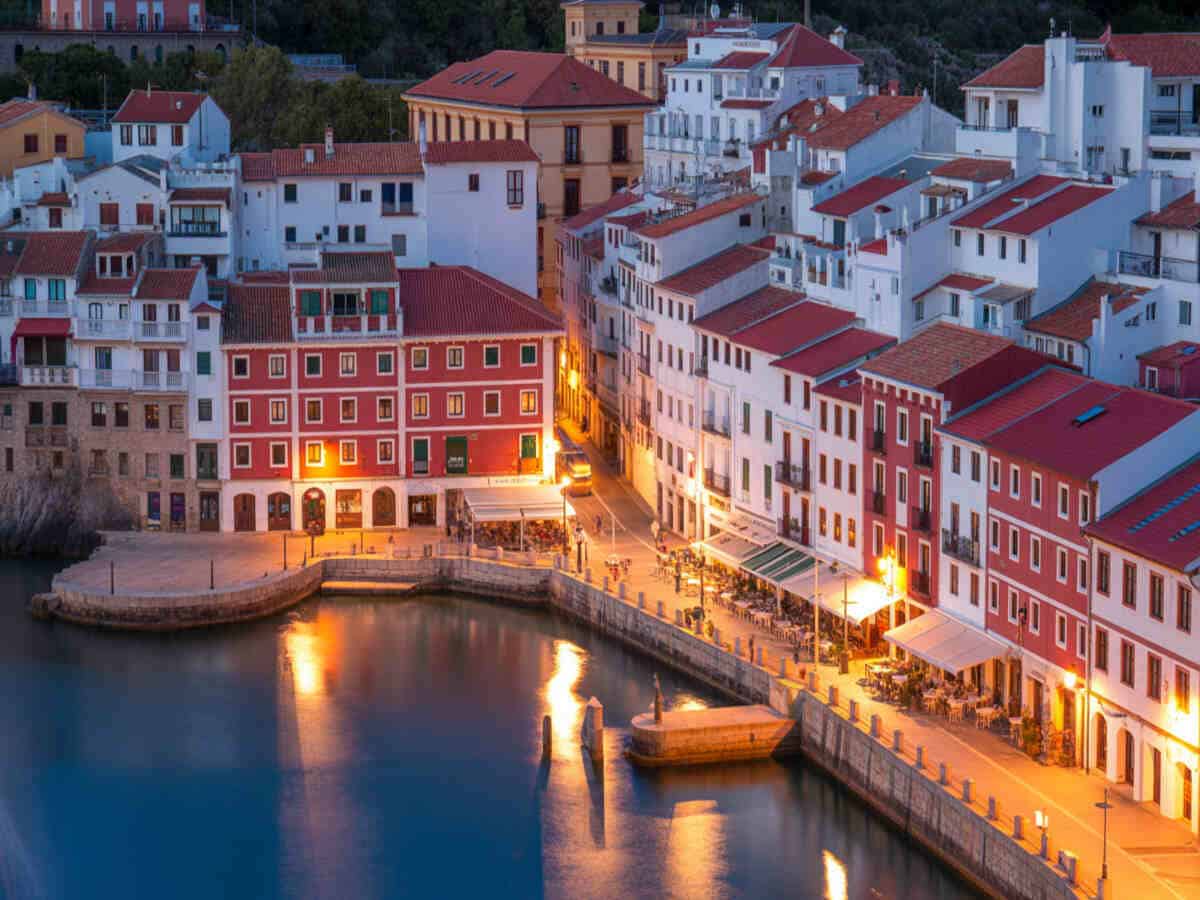
Image generated with Ai
Spain Tourism is in trouble as oil prices rise by almost two percent, threatening growth in Madrid and Barcelona . Spain’s tourism sector is being challenged by another expense threat as the global oil price remains under pressure after days of uncertainty about the re-opening of the Strait of Hormuz. Almost two percent rise per day threatens the recovery of tourism in Spain, imperiling airlines, transportation companies and tourism-related business, putting in danger major tourist destinations like Madrid and Barcelona.
The latest increase in crude prices has highlighted how closely global tourism is connected with energy markets. Although Spain remains one of Europe’s strongest tourism destinations, rising fuel costs could influence airline operations, holiday budgets and transportation expenses across the country.
Advertisement
Advertisement
The concern is not only about the immediate oil price increase but also about how long energy markets remain unstable. If higher crude prices continue, the impact could spread across the entire tourism supply chain, affecting flights, hotels, tour operators and visitor spending patterns.
Madrid and Barcelona, two of Spain’s most important tourism centres, are now closely watching how airlines and travellers respond to rising fuel pressure.
Advertisement
Advertisement
Strait Of Hormuz Tensions Keep Global Oil Prices Elevated
The main reason behind the recent oil price movement is uncertainty surrounding the Strait of Hormuz, a crucial global energy route connecting the Persian Gulf with international markets.
The waterway plays a major role in global oil transportation. Any disruption or delay in reopening creates concerns among energy traders because reduced shipping activity can affect future supply expectations.
Advertisement
Advertisement
Due to this uncertainty, oil prices have remained near recent highs.
- Brent crude oil moved close to around $87–$88 per barrel.
- West Texas Intermediate (WTI) traded near approximately $82 per barrel.
- Oil prices recorded a daily increase of nearly 2%, reflecting renewed market concerns.
The rise is mainly driven by geopolitical uncertainty rather than an immediate shortage of oil supply. However, travel industries are highly sensitive to energy fluctuations because fuel represents one of the largest operational costs for airlines and transportation companies.
Advertisement
Advertisement
For Spain, where millions of international visitors arrive every year, higher oil prices create a direct challenge for maintaining affordable travel.
Madrid Faces Rising Aviation And Business Travel Pressure
Madrid remains the centre of Spain’s international connectivity. The city attracts millions of visitors through leisure tourism, business travel, conferences and cultural events.
However, higher oil prices could increase pressure on aviation costs.
Airlines operating from Madrid may face:
Advertisement
Advertisement
- Higher jet fuel expenses
- Increased operational costs
- Pressure on ticket pricing
- Reduced flexibility for promotional fares
Long-haul routes connecting Madrid with North America, Asia and other international markets are especially sensitive because longer flights require greater fuel consumption.
If airlines experience sustained fuel cost increases, passengers could eventually see higher ticket prices. This may affect travellers who are highly price-sensitive and those planning long-distance holidays.
Business tourism could also face challenges. Companies may reconsider travel budgets if flight costs rise, potentially affecting meetings, conferences and corporate events hosted in Madrid.
Despite these concerns, Madrid’s strong airport infrastructure and global connectivity provide resilience. The city remains an attractive destination because of its cultural attractions, business opportunities and year-round tourism appeal.
Barcelona’s Leisure Tourism Faces New Cost Challenges
Barcelona is one of Europe’s most popular leisure destinations, attracting visitors for its architecture, beaches, cuisine, events and cruise tourism.
However, the city’s tourism model is highly connected to affordable international travel.
Advertisement
Advertisement
Higher oil prices could affect:
- European short-haul flights
- International holiday packages
- Cruise operations
- Tourist transportation
Many visitors choose Barcelona because of competitive flight options from European markets. If airline costs rise, budget travellers may become more selective about destinations.
The cruise sector could also experience indirect pressure. Fuel is a major expense for cruise operators, and prolonged energy increases could influence cruise pricing and operational planning.
Hotels, restaurants and tourism businesses in Barcelona may also face higher supply and transport costs. Businesses could eventually adjust prices to manage increased expenses, creating additional pressure on travellers.
Airlines Become The First Tourism Sector To Feel The Impact
The aviation industry is usually the first tourism segment affected by oil price increases because fuel is one of the largest airline expenses.
When fuel costs rise, airlines generally respond through:
Advertisement
Advertisement
- Higher airfares
- Fuel surcharges
- Operational adjustments
- Capacity changes
Spain’s tourism economy depends heavily on international air connectivity. Airports in Madrid, Barcelona and other major destinations rely on strong airline networks to attract visitors from around the world.
Low-cost carriers could face particular pressure because their business models depend on controlling operational costs and maintaining competitive ticket prices.
A sustained increase in oil prices could influence:
- Summer holiday fares
- Weekend travel demand
- International tourism bookings
- Airline route decisions
For travellers, even a small increase in airfare can influence destination choices, especially among families and budget-conscious tourists.
Hotels And Travel Businesses Prepare For Higher Operating Costs
The impact of rising oil prices extends beyond aviation.
Spain’s wider tourism industry could experience pressure through several channels.
Advertisement
Advertisement
Hotel Sector
Hotels may face increased costs from:
- Transportation services
- Food deliveries
- Supplier expenses
- Energy-related operations
Major hotel markets such as Madrid and Barcelona may attempt to absorb some additional costs initially to remain competitive. However, if oil prices stay high, businesses may eventually need to adjust prices.
Ground Transportation
Tourist transportation providers are directly exposed to fuel costs.
These include:
- Airport transfers
- Tourist buses
- Rental cars
- Taxi services
Higher fuel expenses could increase the overall cost of travelling within Spain.
Tour Operators
Travel companies selling Spanish holiday packages may face difficult decisions.
Advertisement
Advertisement
They must balance:
- Keeping packages affordable
- Managing rising transport expenses
- Protecting business margins
If energy costs remain elevated, package prices could gradually increase.
Spain’s Energy Position Provides Some Protection
Despite the current pressure, Spain has several advantages compared with more vulnerable European markets.
The country benefits from:
- Diversified energy supply sources
- Strong renewable energy development
- Major energy infrastructure
This provides some protection against extreme supply risks.
For tourism, this means Spain is facing a cost challenge rather than an immediate tourism disruption.
Advertisement
Advertisement
The country’s strong tourism reputation, extensive transport network and diverse visitor markets provide important stability.
Travellers Could Change Their Holiday Behaviour
If oil prices remain elevated, tourists may adjust their travel decisions.
Possible changes include:
Earlier Bookings
Travellers may book flights and holidays earlier to secure better prices before potential fare increases.
Shorter Trips
Some visitors may reduce holiday duration to control spending.
Greater Demand For Value Travel
Tourists may compare destinations more carefully based on total travel costs.
Advertisement
Advertisement
More Domestic Tourism
Spanish residents may choose domestic destinations if international travel becomes more expensive.
These changes could influence tourism patterns across the country.
Spain Tourism Growth Enters A New Cost Test
Spain has built one of the world’s strongest tourism industries, supported by millions of international arrivals, famous cities and diverse attractions.
However, the latest oil price increase shows how global events can quickly influence travel markets.
The nearly 2% daily oil price surge has created fresh pressure for Madrid and Barcelona, with airlines, hotels and tourism businesses monitoring energy markets closely.
The biggest concern is not only the current increase but whether oil prices remain elevated for an extended period. A temporary rise may have limited impact, but prolonged fuel pressure could gradually increase travel costs and influence visitor behaviour.
Advertisement
Advertisement
Spain tourism remains resilient, but the industry now faces another test as it balances strong demand with rising operational expenses.
Spain Tourism is in trouble as oil prices rise by almost two percent, threatening growth in Madrid and Barcelona
Spain’s tourism sector is being challenged by another expense threat as the global oil price remains under pressure after days of uncertainty about the re-opening of the Strait of Hormuz. Almost two percent rise per day threatens the recovery of tourism in Spain, imperiling airlines, transportation companies and tourism-related business, putting in danger major tourist destinations like Madrid and Barcelona.
Advertisement
