
Congo Airways Targets September 20 Restart as Domestic Connectivity Gets a Major Push

Published
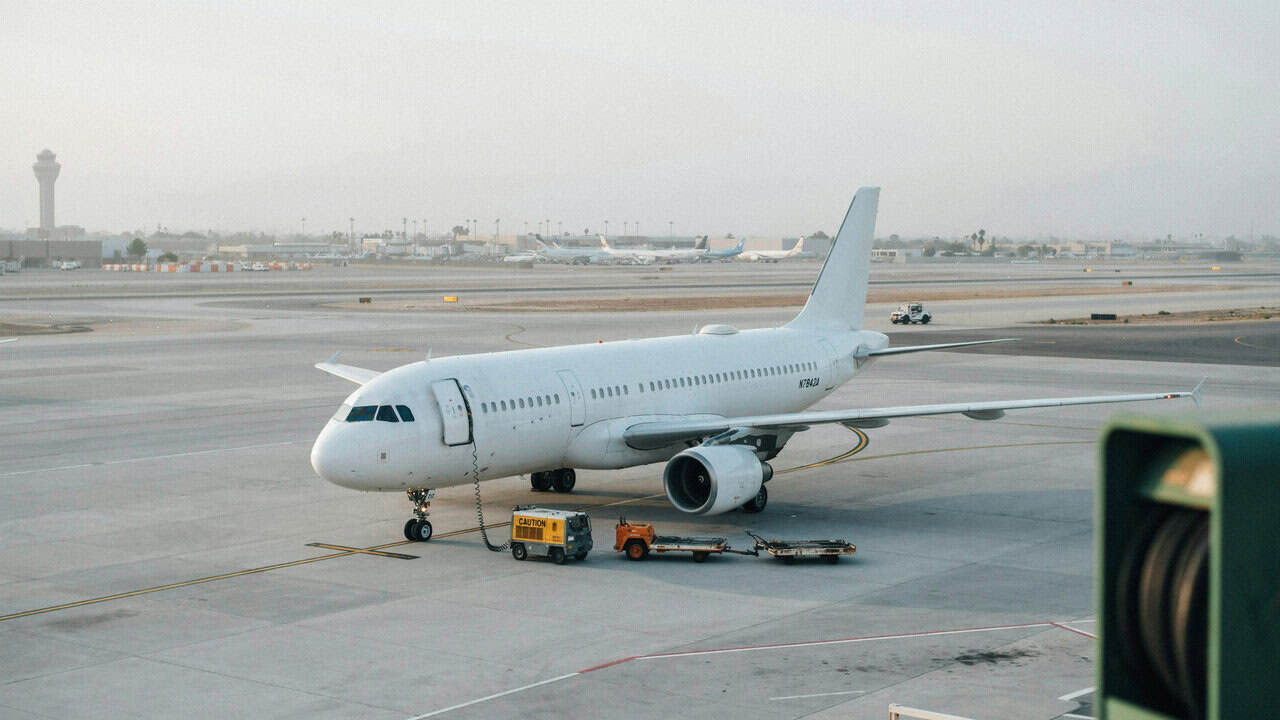
For travelers trying to move across the Democratic Republic of Congo, getting from one part of the country to another can be a major part of the journey itself. That could begin to change as Congo Airways moves toward a targeted September 20, 2026 restart, with the government working to clear the remaining technical, financial and operational hurdles facing the national carrier.
The planned comeback is being closely coordinated by the DRC government, which has made the airline’s revival a strategic priority. A September 16 update from the state-run Agence Congolaise de Presse said Vice Prime Minister for Transport Jean-Pierre Bemba had convened another interministerial coordination meeting as officials worked toward the September 20 target.
Advertisement
Advertisement
First aircraft and test flights are central to the plan
The immediate focus is on getting an Embraer E190 ready for commercial operations. According to the government-linked report, preparations include validating flight-crew licences, carrying out test-flight programmes and confirming the availability of required spare parts.
Authorities are also working on returning an Airbus A320 to service. The restart plan additionally includes establishing initial operating points at Kinshasa, Lubumbashi, Kisangani, Kindu, Mbuji-Mayi and Mbandaka.
Advertisement
Advertisement
For travelers, these preparations matter because the significance of the restart will ultimately depend not on the announcement itself, but on how quickly reliable passenger services become available across the domestic network.
What the restart could mean for travelers
The DRC is one of Africa’s largest countries by land area, making domestic aviation particularly important for people traveling between distant cities.
Advertisement
Advertisement
Congo Airways’ published destination network includes Kinshasa, Lubumbashi, Goma, Mbuji-Mayi, Kisangani, Kananga, Mbandaka, Gemena, Kindu, Bunia and Isiro. The airline says its domestic network is intended to support leisure, family and business travel across the country.
If the planned restart develops into a broader and dependable schedule, travelers could eventually have more options for reaching destinations beyond Kinshasa without relying exclusively on other airlines or complicated travel arrangements.
Advertisement
Advertisement
That could also make multi-city trips within the DRC more practical for international visitors.
Kisangani highlights the tourism opportunity
One destination that illustrates the potential travel impact is Kisangani.
Congo Airways’ own tourism information describes the city as a gateway to the biodiversity of Tshopo Province. Among the attractions highlighted by the airline are the Wagenia Falls, part of the Boyoma Falls system on the Congo River, as well as the city’s zoological and botanical attractions.
A stronger domestic aviation network could make destinations such as Kisangani easier to incorporate into itineraries that begin in Kinshasa.
Advertisement
Advertisement
The same principle applies to other cities on the proposed initial network. Lubumbashi is an important commercial center in southern DRC, while Mbuji-Mayi, Kindu and Mbandaka serve important regional populations.
Airport infrastructure is being upgraded too
Congo Airways’ planned return comes as the wider DRC aviation system undergoes infrastructure improvements.
The African Development Bank reported in April 2026 that its Priority Aviation Safety Project, supported by approximately $105 million in financing in partnership with the DRC government, has upgraded aviation infrastructure and safety systems at several airports.
At Kinshasa’s N’djili International Airport, improvements include modern air-traffic surveillance technology, digital controller-pilot communications, a new fire station and an independent power supply. The project has also supported improvements at Kisangani, Kindu and Mbuji-Mayi, including rehabilitation of Mbuji-Mayi’s 2.3-kilometre runway.
For travelers, better airport infrastructure is important because a functioning domestic airline network needs reliable airports and air-traffic systems behind it.
Restart remains a target, not yet a completed operation
Travelers should nevertheless be cautious about treating September 20 as a confirmed return to normal operations.
Advertisement
Advertisement
As of September 18, Congo Airways’ official online flight-schedule page does not display active scheduled services.
That makes the distinction between a government-announced target and an operationally confirmed flight schedule important for anyone planning a trip.
The government is still working through crew licensing, test flights, aircraft readiness, spare parts and other operational requirements.
Travelers should therefore wait for published schedules and booking availability before making plans around specific Congo Airways flights.
Financial restructuring remains part of the comeback
The airline’s difficulties have not been limited to aircraft availability.
Government discussions around the restart have also focused on establishing a sustainable financing mechanism and addressing the financial and management problems that contributed to the suspension of operations. The government’s broader intervention reflects an effort to make the airline’s return more sustainable rather than simply putting an aircraft back into the air for a short period.
Advertisement
Advertisement
This is particularly relevant to travelers because long-term network reliability depends on more than fleet size. Aircraft maintenance, qualified crews, spare parts, financing and regulatory compliance all have to work together.
A potentially important moment for DRC travel
Congo Airways’ planned return comes at an interesting moment for the DRC’s aviation sector. The national airline is attempting to rebuild its operations while airports and aviation infrastructure are also receiving investment.
If the September target progresses into regular commercial services, the impact could extend well beyond Kinshasa. Better domestic connectivity could make business travel easier, support movement between provinces and gradually improve access to destinations with tourism potential.
For travelers, however, the immediate story is still one of preparation rather than completion. The September 20 date represents the government’s target, while the publication of actual schedules and the sustained operation of flights will determine what the comeback means on the ground.
For a country as vast as the DRC, that distinction matters. A plane taking off is only the beginning; what travelers ultimately need is a dependable network that makes it easier to leave Kinshasa, reach the country’s provinces and come home knowing the next flight will be there too.
Advertisement
