

Image generated with Ai
Middle East flight updates are becoming increasingly important for travellers as airlines continue adjusting operations following fresh regional tensions and changing aviation conditions. After months of recovery from earlier disruptions, airlines across the Gulf and international carriers are once again reviewing routes, delaying some services and restoring others where conditions allow.
The latest changes have affected flights connecting major Middle Eastern destinations, including the UAE, Saudi Arabia, Qatar, Bahrain, Kuwait, Jordan and other regional hubs. While some airlines are gradually returning to normal operations, others are maintaining temporary suspensions due to safety assessments and shifting airspace conditions.
Advertisement
One of the most notable changes came from Air Astana, which suspended flights to the UAE on July 13, shortly after announcing plans to resume services between Almaty, Astana and Dubai.
The Kazakhstan-based carrier said the decision was linked to the escalation of the regional situation. The airline continues monitoring developments and working on passenger support measures while operations remain affected.
Advertisement
Advertisement
The decision adds to concerns surrounding UAE flight suspension developments, as airlines reassess services connecting the Gulf with international markets.
Airlines across Europe, Asia and North America have introduced schedule changes as they respond to evolving conditions.
These developments represent broader Middle East airline schedule changes as airlines balance passenger demand with operational safety.
Despite continued uncertainty, several carriers have started bringing back selected flights as conditions improve.
Advertisement
Advertisement
Turkish Airlines has resumed services to destinations including Dubai, Abu Dhabi, Damascus, Beirut and Amman. However, flights to Iran remain suspended, and the airline has warned passengers that additional cancellations could occur if conditions change.
Iraqi Airways has also started a phased recovery process. The airline is rebuilding its network through domestic routes linking Baghdad, Erbil, Sulaymaniyah and Basra, while gradually restarting selected international services to destinations such as Istanbul, Cairo and Amman.
Air France has restarted flights to Dubai, Tel Aviv and Riyadh, although some services, including Beirut routes, remain affected.
Cebu Pacific has resumed flights between Manila and Dubai, while Philippine Airlines has restored Doha services but continues restrictions on Dubai operations.
These gradual international flight resumptions indicate that airlines are attempting to rebuild connectivity while continuing to monitor safety conditions.
Regional carriers are also working to restore networks and manage increased travel demand.
Emirates continues operating a wide international network from Dubai and is closely monitoring regional developments. The airline has advised passengers to check flight status before travelling and ensure their contact details are updated.
Etihad Airways has expanded its operations and reported increased summer capacity, reflecting strong demand despite uncertainty across the region.
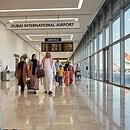
Flydubai has increased services from Dubai but warned passengers that Dubai International Airport may experience heavier traffic. Travellers have been advised to arrive early, complete online check-in and monitor flight notifications.
Qatar Airways is expanding its summer schedule from Doha, increasing frequencies and adding capacity across international routes.
Other Gulf airline developments include:
The ongoing Gulf aviation disruption means passengers travelling through the region may need to prepare for sudden changes. Even airlines operating normally may adjust schedules if security conditions or airspace availability changes.
Travellers could face:
Passengers flying through affected areas should check their flight status before leaving for the airport and remain flexible with travel plans.
One of the biggest factors influencing operations is regional airspace restrictions. Airlines must often avoid certain flight paths or modify routes when airspace availability changes.
These restrictions can affect flight timings, fuel planning and aircraft movements across the Middle East. Even flights not directly connected to affected countries may experience delays because airlines sometimes need to reroute aircraft.
The current aviation situation shows that airlines are taking a cautious approach while working to maintain regional connectivity.
Travellers should remember:
The latest Middle East flight updates highlight how quickly aviation networks can change during periods of uncertainty. While many airlines are restoring services and rebuilding schedules, passengers should continue preparing for possible changes until regional conditions become more stable.
Advertisement
Tags: Dubai flight disruptions, Gulf airline schedule changes, Middle East travel alerts, UAE flight updates
Advertisement
Advertisement













Saturday, September 5, 2026

Friday, September 4, 2026
Saturday, September 5, 2026

Saturday, September 5, 2026

Thursday, September 3, 2026

Wednesday, September 2, 2026

Saturday, September 5, 2026



